


Declared, Denied, Derailed: Trump’s Fake Ceasefire Claim
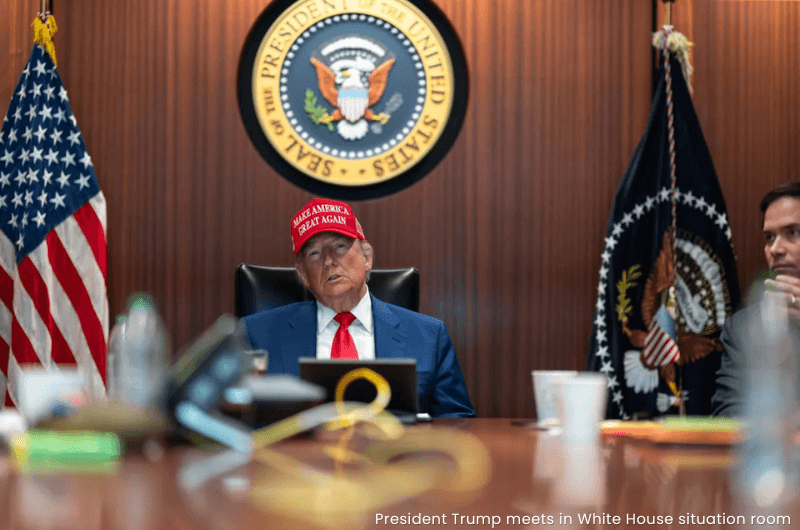
On Monday, June 23, President Trump took to his social media platform, Truth Social, to make a bold announcement: Israel and Iran, he claimed, had agreed to a “complete and total ceasefire.” The post quickly gained traction, sparking a mix of surprise, skepticism, and confusion. But within hours, it was clear the claim had no basis in fact. Neither Israel nor Iran confirmed any such agreement—and both countries continued military operations despite Trump’s statement. In the hours that followed the post, Israeli officials said they had briefly paused strikes at Trump’s request—but then accused Iran of firing missiles shortly after the so-called ceasefire began. Iran, for its part, denied launching any attacks and made it clear there was no deal—only a willingness to hold fire if Israel did the same. Iranian diplomat Abbas Araghchi stated unequivocally: “There is NO ‘agreement’ on any ceasefire.” Instead, the situation appeared to be a one-sided Israeli pause, not a mutual de-escalation. By early Tuesday, that temporary pause had ended with a bang—literally. Explosions were reported in Tehran as Israeli missiles targeted what they described as “high-value assets.” Iran condemned the strikes and again denied any aggression on their part. No formal negotiations, ceasefire documents, or international acknowledgments backed up Trump’s claims. Pressed about the contradiction while aboard Air Force One, Trump doubled down. He insisted both sides had violated the ceasefire, possibly “unintentionally,” before going on a tirade: “They don’t know what the **** they’re doing,” he said of Israeli and Iranian officials. Trump blamed both nations for undermining what he continued to describe as “his” agreement—even though neither side ever publicly agreed to anything. In truth, there was no ceasefire. There was no peace deal. Just a claim from the U.S. president and a few hours of murky restraint followed by renewed violence. Ultimately, Trump seized the moment to cast himself as peacemaker—positioning a temporary lull as the result of his diplomacy. But the facts on the ground told a different story: one where both nations were still very much at war, and Trump’s declaration didn’t just jump the gun—it ignored the battlefield entirely. The Author
Did Trump Just Start a War Without Congress?
The stealth bombers may have left Iran’s skies, but the political fallout is just beginning to hit Washington. President Trump’s overnight strike on three of Iran’s nuclear sites has thrown the U.S. into the heart of the Middle East’s most volatile conflict in decades—and he did it without Congressional approval. That fact is already lighting a fire on Capitol Hill, with lawmakers from both parties demanding to know: is America at war, and if so, who exactly gave the green light? Trump defended the decision this morning, calling it a “limited strategic operation” necessary to “neutralize imminent nuclear threats.” But critics argue the president sidestepped the War Powers Resolution, raising constitutional alarms and triggering calls for immediate hearings. House Minority Leader Jim Harlan (D-NY) warned, “No president gets to start a war on his own.” Even some Republicans are cautious, calling the strike “bold, but legally shaky.” The timing couldn’t be more politically charged. With just over a year until the 2026 elections, Trump’s show of force may energize his base—but it also revives long-simmering questions about unchecked executive power and the thin line between military action and war. Lawmakers Left in the Dark—Again Several members of the Senate Foreign Relations Committee admitted they weren’t briefed beforehand. That silence, critics say, signals not just secrecy—but possibly an erosion of civilian oversight in matters of war. Meanwhile, Democratic leaders are demanding a closed-door intelligence briefing and a formal War Powers notification, as required by law. Whether they get it — or whether the White House doubles down on secrecy — could set the tone for the next legislative standoff. Both the House and Senate play a constitutional role when it comes to military action. The War Powers Resolution requires the president to notify Congress within 48 hours of deploying U.S. forces, and gives lawmakers the authority to weigh in, call for briefings, or limit continued involvement. While the Senate often leads public discussions on foreign policy, the House shares in the responsibility to ensure proper oversight. What’s Really at Stake This isn’t just about Iran. It’s about the limits of presidential power, the role of Congress, and the uneasy truth that the United States may now be at war—without ever voting for one. Related: U.S. Enters Iran-Israel War with Direct Strike on Nuclear Sites The Author
Trump’s Military Parade Sparks Nationwide “No Kings” Protests
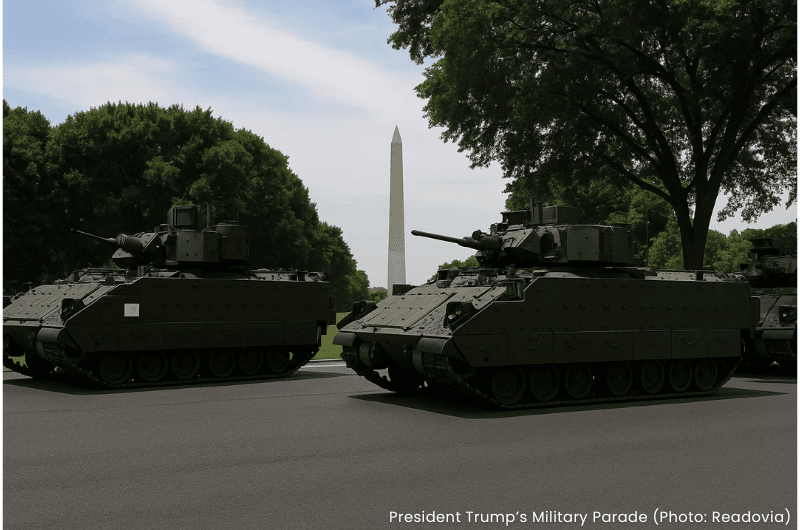
With a $25–45 million military parade scheduled for Saturday in Washington, D.C., President Trump is facing a wave of backlash — not just from lawmakers, but from the streets. The event, originally pitched as a patriotic celebration, is now fueling what organizers call “No Kings Day,” a massive nationwide protest movement expected to span over 1,500 cities. Critics of the parade call it a dangerous spectacle that glorifies authoritarianism and wastes public funds. Protesters are planning marches, rallies, and counter-events from coast to coast — turning June 14, which also marks Trump’s birthday, into a day of national dissent. Civil rights groups, veterans, artists, and students have joined forces, framing the protest as a stand for democracy and a rejection of what they see as militarized showboating. Organizers say the goal is to remind America that no leader is above the people — and certainly not above the Constitution. The parade is scheduled for Saturday, June 14, in Washington, D.C., and will begin at 10 a.m. on Pennsylvania Avenue, according to the official event notice. With tanks, flyovers, and active-duty units participating, federal officials have ramped up security preparations around the National Mall. With tensions high and public sentiment sharply divided, the weekend could mark a defining moment in the country’s ongoing clash over power, protest, and presidential spectacle. The Author
National Guard Boots on the Ground in LA as Tensions Over Trump’s ICE Raids Reach Boiling Point

Los Angeles, CA – In the midst of protests against immigration raids, President Donald Trump has once again called for military intervention, declaring that things in Los Angeles are “really bad.” Violent clashes erupted overnight as demonstrators continued to protest the Trump administration’s crackdown on undocumented immigrants, demanding an end to U.S. Immigration and Customs Enforcement (ICE) raids. Violence and Looting Escalate Amid Protests On Sunday, Los Angeles saw an influx of National Guard troops, less than 48 hours after protests first erupted. California Governor Gavin Newsom criticized Trump, accusing him of exacerbating the situation by sending in troops to “manufacture chaos and violence.” LAPD Chief Jim McDonnell reported 27 arrests over the weekend, warning that the situation was escalating. While law enforcement clashed with demonstrators, Newsom blasted Trump, calling him a “dictator” and blaming him for the chaos. Trump and Newsom Continue War of Words As tensions mounted, White House Deputy Chief of Staff Stephen Miller accused California officials of facilitating an “invasion” by refusing to cooperate with federal immigration enforcement. His comments followed a string of inflammatory remarks from Trump and his administration. Meanwhile, Governor Newsom fired back, asserting that Trump’s actions were destabilizing and demanding a halt to the National Guard’s involvement. Protests Spread Across the State In a show of solidarity, the Service Employees International Union (SEIU) has organized additional protests at the state Capitol in Sacramento. The American Civil Liberties Union (ACLU) and Los Angeles Unified School District are also leading rallies in response to the ICE activity. Despite the growing unrest, local officials, including San Francisco Mayor Daniel Lurie, have condemned the violence, vowing to protect peaceful protesters while also ensuring safety in the city. Public Safety and the Future of ICE in California In response to the violent protests, the city of Glendale, a suburb of Los Angeles, made the decision to terminate its contract with ICE, marking a significant shift in the city’s stance on immigration enforcement. Glendale’s move has prompted public debate, as some argue the decision could further inflame tensions. As protests continue throughout California, tensions between Trump and Governor Newsom show no signs of cooling. Newsom has challenged the president to arrest him for speaking out against the crackdown, further intensifying the already volatile situation. What’s Next? The protests are expected to continue through the week, with more demonstrations planned in Los Angeles, Sacramento, and San Francisco. As violence between demonstrators and law enforcement intensifies, the state is grappling with how to address the tensions that have been brewing over the Trump administration’s immigration policies. The Author
Trump Shuts U.S. Borders to 12 Countries in Sweeping New Travel Ban
In a move that’s already sending shockwaves across the globe, President Donald Trump has reinstated and expanded the U.S. travel ban, blocking entry to nationals from 12 countries and imposing partial restrictions on several more. The new policy, announced Wednesday, is set to take effect Monday, June 9, at 12:01 a.m. EDT. The executive action revives the legal framework of Trump’s earlier travel bans but expands it dramatically—marking one of the most aggressive immigration orders of his second term so far. FULL BANS IMPOSED ON 12 NATIONS Effective next week, citizens of the following countries will be fully barred from entering the United States under both immigrant and non-immigrant visas: Afghanistan Myanmar (Burma) Chad Republic of the Congo Equatorial Guinea Eritrea Haiti Iran Libya Somalia Sudan Yemen Zooming In Trump officials argue that these countries either lack proper security screening infrastructure, fail to cooperate with deportations, or have unacceptably high visa overstay rates. Critics say the list includes nations already facing economic hardship and conflict, raising questions about humanitarian consequences and foreign policy fallout. Partial Restriction on Seven Others An additional seven countries will face targeted restrictions on specific visa types such as student, tourist, or business travel: Burundi Cuba Laos Sierra Leone Togo Turkmenistan Venezuela Why These Countries? In these cases, the U.S. government cited issues such as forged documentation, noncompliance with international identity standards, or irregularities in cooperation with U.S. immigration authorities. Exemptions and Special Cases Despite the sweeping nature of the ban, several groups will remain exempt: Lawful permanent residents (green card holders) Dual nationals traveling on a passport from an unaffected country Foreign diplomats Athletes participating in international competitions Special immigrant visa holders, such as Afghan allies Immediate family members with verified relationships to U.S. citizens or residents The administration stated that the exemptions are designed to “preserve humanitarian values and key strategic partnerships,” though critics argue they fall short of protecting vulnerable populations. Political Fallout and Global Reaction This latest proclamation follows closely on the heels of a high-profile criminal incident involving an Egyptian national who overstayed his U.S. visa—though Egypt itself was not included in the ban. The administration has used the event to reignite national security debates, positioning the travel ban as a preemptive safety measure. Global reactions have ranged from outrage to diplomatic caution. Officials in Somalia, one of the banned nations, issued a public statement expressing willingness to “work cooperatively” with the U.S. to resolve concerns. Civil rights groups and immigration advocates are already mobilizing to challenge the policy in court. The move resurrects memories of the original 2017 travel ban that drew nationwide protests and eventually reached the Supreme Court. That ban was rescinded under President Biden, but Trump’s return to office has made clear that immigration control remains central to his political strategy. With the policy set to go live in less than a week, a new chapter in U.S. immigration politics is already underway—and the world is watching. The Author
Senate Moves on Landmark Data Privacy Bill as Public Distrust Grows
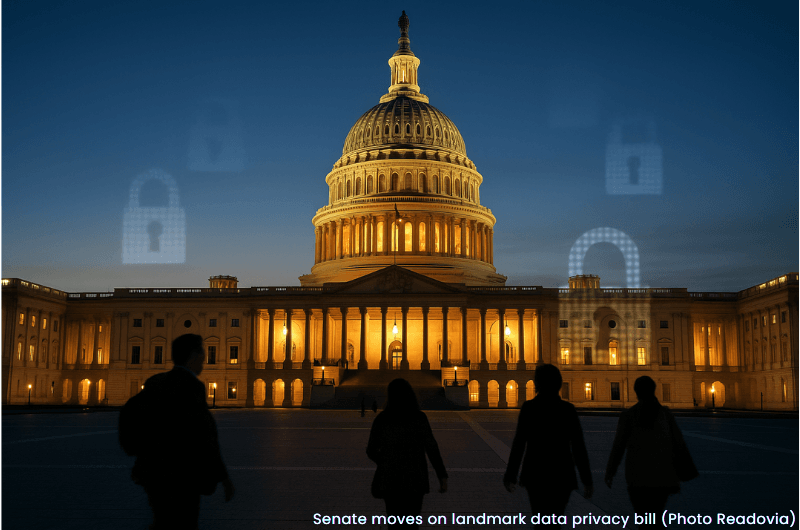
A bipartisan group of lawmakers is fast-tracking a sweeping new data privacy bill, aiming to rein in how federal agencies and private companies collect, share, and store personal information. The move comes on the heels of growing backlash over federal efforts to expand surveillance under the banner of fraud prevention — including recent controversy around the USDA’s attempt to gather detailed data from SNAP recipients. With public trust eroding and legal challenges mounting, Congress is under pressure to act. Dubbed the American Data Dignity Act, the proposed legislation would establish clear limitations on data access, require stronger encryption standards, and give Americans the right to know — and challenge — what information the government holds on them. Supporters say the bill is long overdue. Critics argue it could hinder data-driven fraud detection and federal efficiency. Either way, the debate marks a rare show of bipartisan urgency in a deeply divided Senate — and a signal that the privacy pendulum may be swinging back toward the people. The Author [IT_EPOLL_POLL id=”3758″][/IT_EPOLL_POLL]
Governors Push Back on Federal Overreach in Social Welfare Programs

The tension between states and the federal government is heating up — and this time, the battlefront is social programs. Several governors — both Republican and Democrat — have issued statements or filed legal actions challenging federal directives they say go too far in dictating how states run programs like Medicaid, SNAP, and housing assistance. The flashpoint? Recent orders tied to “unfettered access” to recipient data and stricter eligibility audits. State officials argue the mandates not only strain local budgets but also undermine their ability to design programs that fit their populations. Some have accused the administration of using federal funding as leverage to force states into compliance. The White House, meanwhile, insists the measures are necessary to combat waste, fraud, and abuse — citing billions in improper payments and outdated data-sharing systems. With lawsuits pending and political stakes high, the outcome of these clashes could reshape the federal-state relationship — and set the tone for how much autonomy states will retain in administering the country’s social safety net. The Author
Trump’s Legal Losing Streak: Five Federal Defeats in a Week
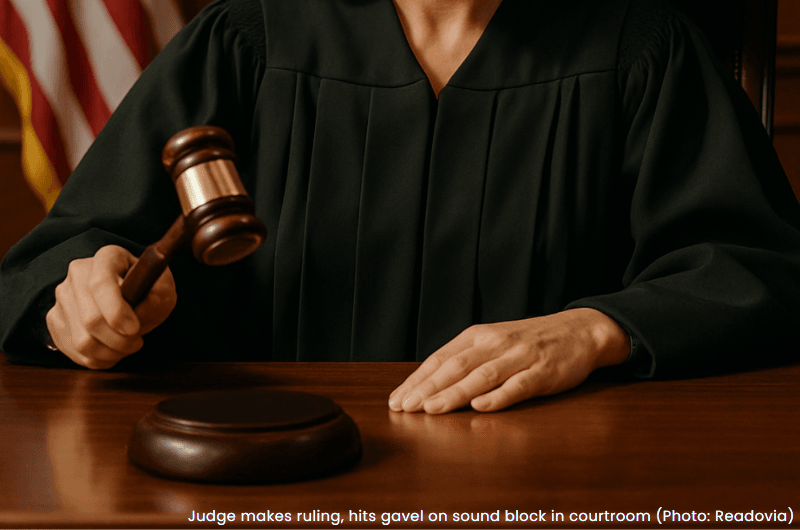
President Donald Trump is no stranger to legal drama, but this past week delivered a fresh string of defeats — five, to be exact — all from federal judges, all in under seven days. From tariffs to immigration to political retaliation, the courts have been busy issuing firm reminders that executive power has its limits, even when wielded from the Oval Office. A Flurry of Federal Smackdowns It began with a ruling that struck down Trump’s attempt to reinstate sweeping “Liberation Day” tariffs — a move the court called an overreach of executive authority. The U.S. Court of International Trade said the tariffs, imposed under the International Emergency Economic Powers Act, lacked sufficient legal foundation and violated the separation of powers. On the same day, another federal court rejected Trump’s executive order that targeted the powerhouse law firm WilmerHale. The administration had accused the firm of “undermining American interests” — a charge the court dismissed as unconstitutional political retribution. And in yet another case, a judge blocked Trump’s suspension of key Biden-era immigration parole programs. The court ruled that the administration lacked the legal authority to make such sweeping changes to immigration policy without due process or a clear congressional mandate. By week’s end, the tally of courtroom losses stood at five — each handed down by a federal judge. The cumulative effect? A growing legal wall around some of Trump’s most aggressive policy efforts. What It All Means While Trump’s supporters are likely to brush off the decisions as partisan overreach, the rulings signal a broader pattern: the judiciary is pushing back — hard — on executive actions that blur the lines of legality. For legal analysts, the message is clear. Trump’s second term may be defined not only by his political ambitions but by the courts’ increasing willingness to draw sharp boundaries around presidential authority. Whether the President views this losing streak as temporary turbulence or something more serious remains to be seen. But one thing is certain: it’s been a week of legal whiplash — and the gavel isn’t done dropping. The Author Related stories:Harvard Wins Round One: Judge Blocks Trump Crackdown on International Student Enrollment Back to Class: Federal Judge Blocks Trump’s Attempt to Dismantle Department of Education, Orders Reinstatement of Fired Employees
Trump Postpones EU Tariffs, Giving Markets a Breather — For Now
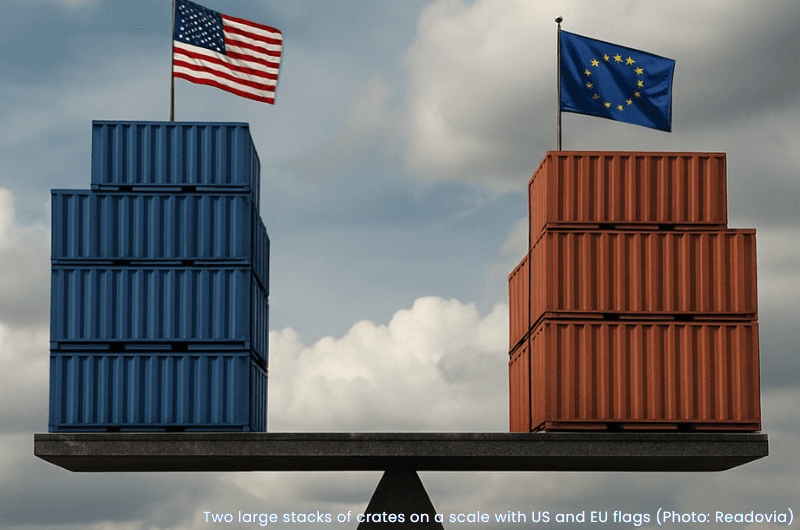
In a surprise move Tuesday morning, President Donald Trump announced that his administration will delay the planned 50% tariffs on European Union imports until July 9 — giving global markets a moment to exhale and opening a narrow window for last-minute diplomacy. The tariffs, which would have affected billions in goods ranging from automobiles to agricultural products, had investors and foreign leaders bracing for economic fallout. The Dow Jones responded immediately, jumping over 400 points in early trading as news of the delay spread. While Trump framed the decision as a goodwill gesture meant to “allow negotiations to proceed,” his tone remained firm. “They know what needs to happen,” he told reporters. “We’re giving them a little more time — but not much.” Analysts see the delay as both a strategic reset and a political maneuver. With inflation concerns still simmering and European leaders warning of retaliation, the move allows Trump to apply pressure without igniting a full-blown trade war — at least not yet. The White House confirmed that high-level talks between U.S. and EU trade officials are scheduled in the coming weeks, though sources say no major concessions have been made by either side. For now, markets are rallying. But behind the scenes, the clock is ticking — and July 9 is already marked in bold across Brussels and Wall Street. The Author
Trump Eyes Harsh Sanctions as Russia Escalates Ukraine Assault
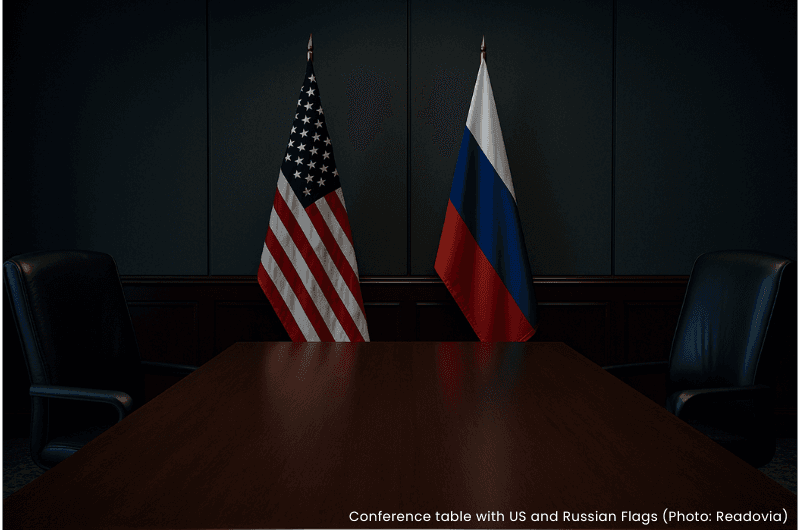
New tone, new stakes — and a sharp turn from Trump’s earlier approach. President Donald Trump is signaling a dramatic shift in his stance toward Moscow, declaring on Monday that he is “strongly considering” a fresh wave of sanctions and tariffs aimed at Russia. The move comes in response to what U.S. officials have called the most intense Russian aerial assault on Ukraine since the war began — a barrage involving over 350 drones and missiles and resulting in at least 13 civilian deaths. Trump’s announcement caught many off guard, especially given his historically measured rhetoric toward Russian President Vladimir Putin. But the latest surge in violence appears to have forced a policy recalibration — and perhaps, a political one too. “We’re watching this very closely,” Trump said from the White House, “and we will take action if needed.” He did not provide specifics but hinted at sanctions targeting Russia’s banking sector, energy exports, and possibly even tariffs on countries that continue to purchase Russian oil. The president’s remarks have drawn rare bipartisan agreement in Washington. Congressional leaders from both parties have expressed support for tougher measures, citing the need to send a clear message to the Kremlin after its latest aggression. Meanwhile, Russia has dismissed Trump’s comments as “emotional,” with state media framing the sanctions threat as a sign of U.S. weakness rather than resolve. Whether Putin believes that or not remains to be seen — but the geopolitical temperature is rising. Trump’s pivot could mark a new chapter in U.S.-Russia relations — one where Washington stops asking and starts pressuring. As usual, Trump’s instincts are as much political as they are strategic. But with air raid sirens wailing across Ukraine, the time for optics may be over. The Author