


Trump’s Q3 (2025): Power Plays, Tech Showdowns, and a Government on the Brink
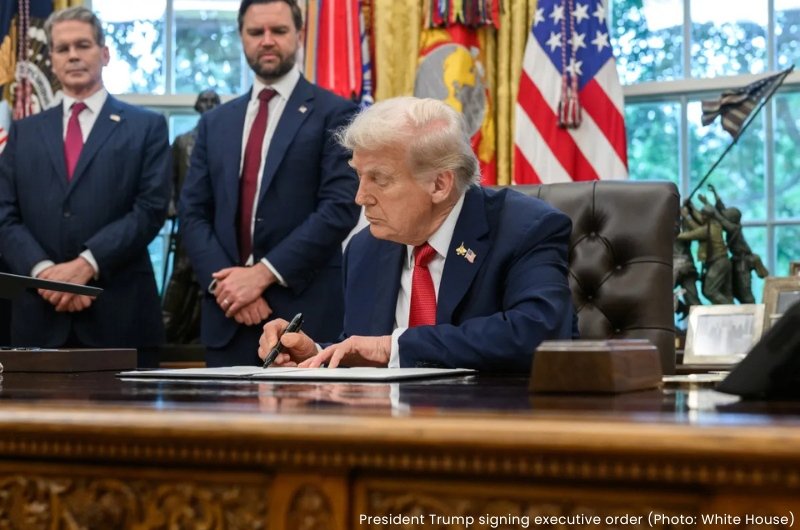
In Q3 of 2025, Trump accelerated domestic enforcement and executive action, won headline-grabbing concessions from Big Tech, leaned heavily on tariffs, and ended the quarter staring down a shutdown fight—with courts, state officials, markets, and Main Street businesses all reacting in real time. 1) Tech & the courts: Google and YouTube take center stage A federal court on Sept. 2 ordered significant remedies in the DOJ’s search-monopolization case against Google—curbing distribution practices and forcing data-sharing with rivals, while stopping short of a breakup. Google said it’s reviewing the decision and raised privacy concerns; the DOJ framed it as a major win. Then on Sept. 29, YouTube (Google) agreed to pay $24.5 million to settle Trump’s lawsuit over his 2021 account suspension after Jan. 6. The deal doesn’t require policy changes; most of the money is earmarked for outside projects outlined in the settlement reporting. Earlier this year, Meta and X reached separate settlements with Trump as well. 2) Domestic power moves: ICE, raids, and troops in major cities Immigration enforcement defined much of Q3. ICE intensified raids in Los Angeles and other sanctuary jurisdictions after the Supreme Court cleared restrictions in early September. The administration portrayed it as restoring federal control, but local leaders blasted the tactics as disruptive and destabilizing. By late September, the White House authorized National Guard and active-duty troops to back DHS operations in Los Angeles, Portland, and Chicago, marking one of the most aggressive federal deployments into domestic immigration enforcement in modern memory. Governors and mayors in affected states pushed back, accusing the administration of inflaming tensions and undermining community trust. Civil liberties groups warned of constitutional overreach, while Trump allies framed the show of force as proof he was delivering on campaign promises. 3) Executive orders & agency turbulence The White House continued governing heavily by executive action, including a late-quarter EO framed around safeguarding TikTok while asserting national-security controls (Sept. 25). At the same time, federal courts pushed back on personnel power: on Sept. 25, the D.C. Circuit declined to stay a district-court order reinstating FTC Commissioner Rebecca Slaughter after an attempted removal, citing precedent that protects for-cause officers. 4) The macro mood: growth, but a cliffhanger Markets closed the quarter with shutdown talks going to the wire. Even as some trackers pointed to solid real-time growth estimates near Q3’s end, the political impasse threatened immediate services and confidence heading into October. 5) Tariffs and bankruptcies: Main Street feels the squeeze The Trump administration doubled down on its tariff-first strategy in Q3, rolling out expanded levies on Chinese imports and threatening new duties on European autos. Officials pitched the moves as a way to protect American jobs, but the ripple effects hit supply chains and retailers already struggling with costs. At the same time, a string of high-profile bankruptcies underscored the fragility of corporate America under tightening credit and tariff pressure. Retail chains and mid-sized manufacturers were among those seeking Chapter 11 protection this summer, with executives citing rising costs and falling consumer demand. Together, the tariffs and bankruptcies painted a stark picture: an economy that looks strong on paper, but is increasingly brittle for companies caught in the crossfire. Between the Lines Consolidation of power: Court wins and ICE-led deployments show an executive willing to test institutional limits—while pushback from cities and courts reveals how contested those moves remain. Tech realignment: The Google search remedies and YouTube settlement make Big Tech a recurring stage for Trump’s agenda—part courtroom, part culture war, part competition policy. Economic flashpoints: Tariffs and corporate bankruptcies suggest a disconnect between headline growth and ground-level realities, sharpening the stakes heading into Q4. Q4 setup: A potential shutdown plus lingering litigation means volatility ahead; watch whether tariffs expand further and whether bankruptcies remain isolated or snowball. The Author
This Week: Comey Indicted as Trump Signs Sweeping New Tariffs
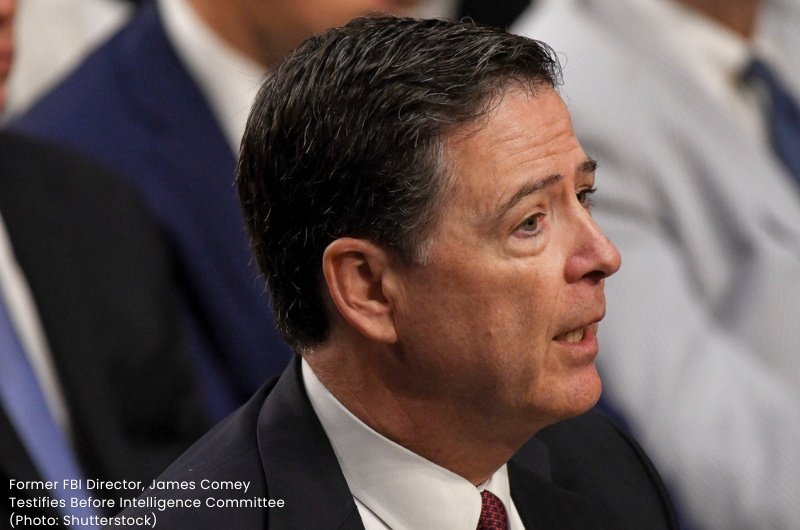
This week brought two major developments out of Washington: the indictment of former FBI Director James Comey and President Trump’s signing of sweeping new tariffs. Comey, charged with obstruction and making false statements to Congress, denied any wrongdoing and said the case is politically motivated. The move deepens tensions between the Justice Department and the Trump administration, raising fresh concerns over the independence of federal institutions. Meanwhile, Trump approved steep new tariffs — 100% on branded drugs, 25% on heavy trucks, and 50% on kitchen cabinets — set to take effect October 1. Economists warn these measures could drive up consumer prices and further strain supply chains already under pressure. Together, the indictment and tariffs represent one of the sharpest escalations yet in the clash between politics, justice, and economics at the national level. The Author
Shutdown Crisis: White House Orders Agencies to Prepare for Mass Firings

In a bold escalation of its budget standoff, the White House has instructed federal agencies to prepare for widespread layoffs in the event of a government shutdown — a far more aggressive posture than in past fiscal impasses. What’s happening An internal memo from the Office of Management and Budget (OMB) directs agencies to develop “reduction in force” plans for programs that will lose funding — unless they align with the president’s priorities. Historically, non-essential federal workers were merely furloughed during shutdowns and rehired once funding resumed. This time, the White House is signaling that many jobs may be permanently cut. The memo instructs agencies to retain only the “minimal number of employees” necessary to fulfill legally mandated functions. Political response & stakes House Republicans have pushed for a short-term continuing resolution (CR) to keep the government operating for another seven weeks — without negotiating additional health-care or social policy changes. Democratic leaders have denounced the White House memo as intimidation. One leader vowed: “We will not be intimidated by your threat to engage in mass firings.” Analysts warn that mass firings would deepen instability in a federal workforce already weakened by earlier cuts, including those tied to recent “efficiency” drives. Some previously terminated workers — especially in the General Services Administration — are being asked to return to duty, with deadlines set for early October. What to watch Will Congress pass a stopgap funding bill before the deadline, or let the shutdown begin? If a shutdown proceeds, can legal challenges or political pressure halt or reverse large-scale firings? How will federal personnel and essential services cope if agencies are forced to slim down staffing drastically? What messaging pivot will the White House employ if this strategy backfires politically or legally? The Author
U.S. Cabinet Members Pay Tribute to Charlie Kirk

In the wake of Charlie Kirk’s shocking assassination on a university campus last week, tributes continue to pour in — not only from students and supporters, but also from inside the halls of power. This week, members of the President’s cabinet stepped forward with their own memories of the conservative activist, underscoring the weight of his sudden loss. While their perspectives varied, the common thread was a recognition of Kirk’s influence. Several described him as “fearless” in his convictions and noted how his voice often drove conversations far beyond the campus stage. Others spoke with visible emotion about their personal encounters, recounting moments when Kirk had challenged them, encouraged them, or simply reminded them of the urgency of public service. https://youtu.be/UEdSH6rku2g?si=y7YemRkQHgCTwIQX The video, which quickly circulated across social media, captures raw reflections from officials who rarely show such candor. It offers a glimpse into how Kirk’s words and work reverberated across Washington, even in places where he was often considered an adversary. For many Americans, this marks a turning point — not only in the political landscape, but in how dissent, debate, and safety on campus are understood. With cabinet members now adding their voices to the chorus of grief, it’s clear that Kirk’s legacy, however divisive, will not fade quietly. The Author
When Troops Patrol American Streets: Federal Power Meets Local Resistance

The Trump administration’s decision to deploy federal and National Guard troops into multiple U.S. cities has reopened a fierce national debate over civil liberties, executive power, and the nearly 150-year-old Posse Comitatus Act of 1878. What the Posse Comitatus Act Means Enacted in 1878, the Posse Comitatus Act generally prohibits federal armed forces from acting in a policing capacity for civilian law enforcement. Its aim was to enforce a boundary between military authority and civilian governance, a safeguard conceived in the post-Reconstruction era. Although exceptions exist—such as when Congress authorizes military involvement or when a president invokes the Insurrection Act—the Act has served as a longstanding legal barrier to domestic military policing. The Washington, D.C. Deployment In August 2025, President Trump declared a “crime emergency” in Washington, D.C., took control of the Metropolitan Police Department under Section 740 of the District of Columbia Home Rule Act, and mobilized National Guard troops to assist federal law enforcement. Estimates suggest that about 800 D.C. National Guard troops were deployed, supplemented by additional Guard members from Republican-led states. While the White House framed the intervention as necessary to restore order, crime statistics showed that violent crime in the district was already trending downward. The Memphis Deployment On September 15, 2025, President Trump signed a memorandum deploying the National Guard to Memphis and establishing a federal “Memphis Task Force” to assist with public safety and violent crime. The White House’s stated justification was “tremendous levels of violent crime” in Memphis that, in the administration’s view, local authorities were unable to manage. However, law enforcement data released by the Memphis Police Department indicated that crime across major categories had declined to a 25-year low through the first eight months of 2025. The deployment prompted a split reaction: Tennessee Governor Bill Lee expressed support, while Memphis Mayor Paul Young said he did not request the Guard and questioned whether it was the right approach for addressing violent crime. Key Tensions and Legal Questions While federal authorities have pathways to deploy troops—especially in Washington, D.C.—the use of troops in a civilian policing or public safety role raises potential legal questions under the Posse Comitatus Act. Critics argue that deploying military or National Guard units in this manner risks blurring the lines between law enforcement and military operations, potentially undermining civil rights and setting dangerous precedents. Some legal experts point out that although D.C.’s unique federal jurisdiction gives the president more latitude, expanding similar tactics to other cities could require invoking the Insurrection Act or other statutory exceptions—actions likely to face significant court challenges. Final Word The decisions made in Washington and Memphis may be trailheads for a broader shift in how federal power is wielded in U.S. cities—and how the government thinks about domestic deployments in response to crime, protest, or civil unrest. If military or quasi-military deployments in cities become a normalized tool for addressing public safety, long-standing legal protections distinguishing civilian governance from military policing could face long-term erosion. The Author
US Military Strikes Third Venezuelan Vessel Allegedly Carrying Drugs in the Carribbean

The U.S. military has confirmed that a third Venezuelan-linked boat was destroyed in the Caribbean, marking the latest escalation in Washington’s campaign against suspected drug-smuggling operations. The strike follows earlier incidents on Sept. 2 and Sept. 15, bringing the total to three vessels sunk this month. Officials report at least 14 deaths across the operations. A Campaign Against Narco-Trafficking The administration says the vessels were part of narco-trafficking networks—organized groups that produce, transport, and sell illegal drugs. Narco-trafficking is more than smuggling; it involves growing or manufacturing narcotics, moving them through covert routes, and distributing them through criminal syndicates. These networks often rely on violence and corruption to protect their operations. According to U.S. defense officials, the targeted boats were believed to be carrying drugs or assisting in drug shipments across the Caribbean. However, no public evidence has been presented, raising questions about the legitimacy of the strikes. Rising Legal and Political Tensions Lawmakers and international observers are increasingly divided. Supporters argue the military actions send a strong message to traffickers and deter criminal activity. Critics counter that striking foreign-flagged boats on the high seas, without presenting proof of narcotics onboard, could breach international law and destabilize already fragile U.S.–Latin American relations. A Growing Standoff The Venezuelan government has yet to issue a formal response, but the strikes come amid already strained ties between Washington and Caracas. Analysts warn that continued confrontations at sea could escalate into a broader regional conflict if diplomacy fails to catch up with military action. For now, the Caribbean remains on edge—caught between America’s war on narco-trafficking and Venezuela’s defiance in the face of U.S. pressure. The Author
Trump Signs Executive Order Renaming DoD the “Department of War”
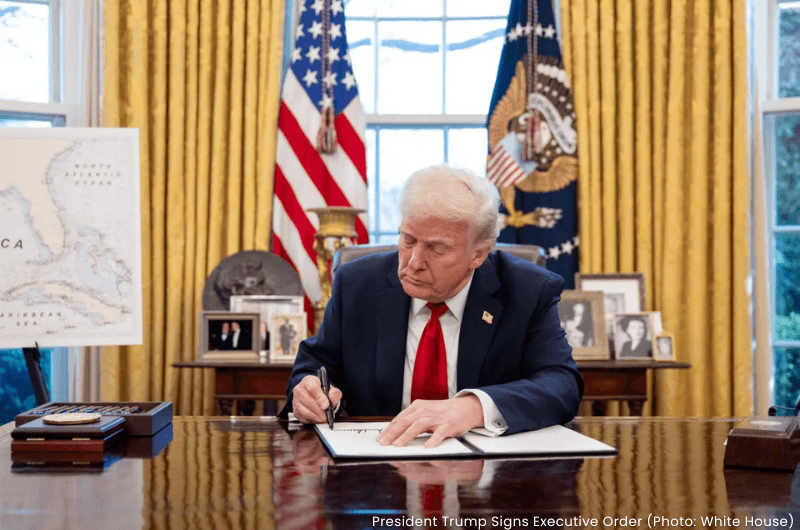
In a sweeping symbolic move, President Trump signed an executive order renaming the Department of Defense to the Department of War. The White House said the change reflects “a return to clarity and strength,” reviving terminology not used since World War II. The order itself underscores the intent behind the change: “The name ‘Department of War,’ more than the current ‘Department of Defense,’ ensures peace through strength, as it demonstrates our ability and willingness to fight and win wars on behalf of our Nation at a moment’s notice, not just to defend. This name sharpens the Department’s focus on our own national interest and our adversaries’ focus on our willingness and availability to wage war to secure what is ours. I have therefore determined that this Department should once again be known as the Department of War and the Secretary should be known as the Secretary of War.” Critics argue the shift signals a more aggressive posture that could alter how allies and adversaries interpret U.S. policy. Defense officials privately expressed concern about the optics, though the order does not yet mandate structural or operational changes. Supporters claim the renaming strips away “political correctness” and brings the Pentagon’s mission into sharper focus. Others worry it could unsettle global markets and complicate diplomatic relations. Either way, the rebranding cements Trump’s willingness to rewrite norms as he heads into a contentious election year. The Author
Congress Inches Closer to Shutdown After Talks Fail
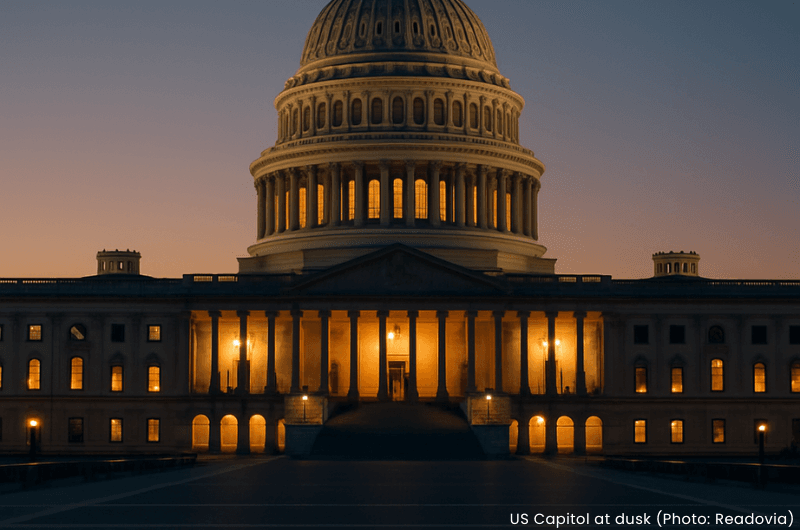
Budget negotiations collapsed Tuesday night, leaving Congress on the brink of a partial government shutdown as the September 30 deadline fast approaches. The breakdown came after Republicans doubled down on sweeping border security demands that Democrats flatly rejected, deepening the stalemate in Washington. With just weeks to go before the fiscal year ends, lawmakers face mounting pressure to either strike a full-year funding deal or pass a stopgap measure to keep the government open. But divisions within the Republican conference—some pushing for long-term appropriations, others willing to settle for a short-term patch—are adding friction to an already fragile process. Democrats, meanwhile, say they won’t negotiate under threats of unilateral cuts. Their distrust only grew after President Trump rescinded nearly $5 billion in foreign aid without congressional approval, a move that they argue undermines the legislative branch’s power of the purse. Senate Majority Leader Chuck Schumer and House Minority Leader Hakeem Jeffries have called for a leadership-level meeting in hopes of breaking the impasse. If Congress fails to act by the deadline, nonessential services such as national parks, passport processing, and certain federal offices would shut down, while hundreds of thousands of federal employees could face furloughs or unpaid work. Critical services—from national defense to air traffic control—would continue, but the disruption could ripple across the economy and add political volatility to an already turbulent fall. For now, both parties appear dug in. And unless there’s a last-minute breakthrough, the countdown to shutdown has officially begun. The Author
Trump Targets Mail-In Voting & Voter ID in Sweeping Executive Order
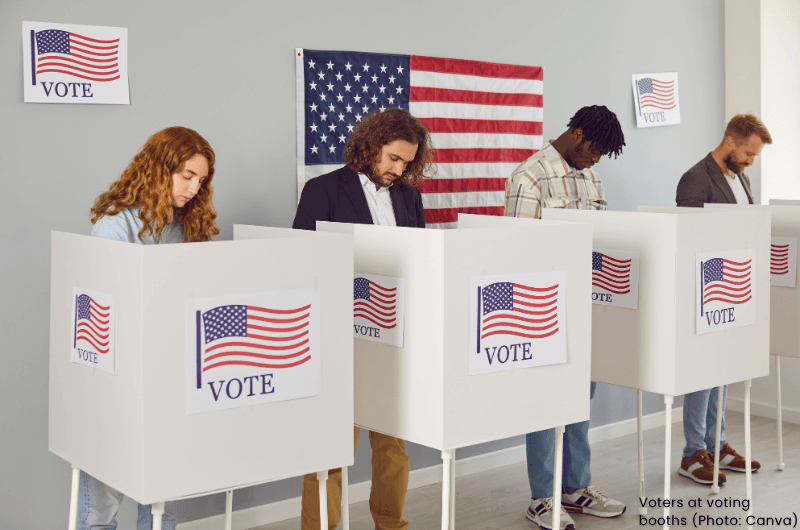
President Donald Trump has announced plans for an executive order mandating voter ID for all U.S. elections, with no exceptions. The plan also proposes to eliminate mail-in voting—except for the seriously ill and military personnel—continuing his push for tighter voting restrictions. Critics warn this move could face legal challenges and disenfranchise marginalized communities, including low-income voters, seniors, and minorities. In addition to voter policy, the administration is halting visa approvals for nearly all Palestinian passport holders, expanding restrictions that had previously applied only to Gaza residents. Meanwhile, a federal judge has temporarily blocked the deportation of nearly 700 unaccompanied Guatemalan children, highlighting ongoing tensions around immigration enforcement. These sweeping proposals and regulatory shifts are dominating the U.S. political landscape today, sparking debate over election integrity, immigration policy, and the balance between security and civil rights. The Author
Trump Administration Seizes Control of D.C.’s Union Station
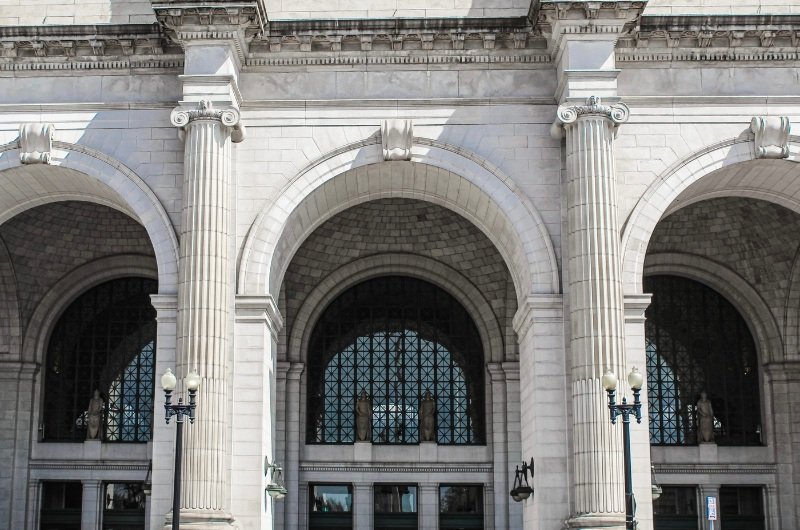
The Trump administration has assumed control of Union Station, Washington, D.C.’s main transportation hub, transferring management from Amtrak to the Department of Transportation. The move marks the latest step in a sweeping federal takeover of the nation’s capital, which has already seen law enforcement powers shifted away from local authorities. Union Station, just blocks from Capitol Hill, has long been a focal point for both commuters and visitors. While federal officials described the site as deteriorating and unsafe, critics argue the station has already undergone significant improvements in recent years, including the clearance of homeless encampments and progress on a $10 billion expansion project announced last year. The change in oversight is being framed as part of a broader campaign to reshape the capital’s infrastructure and security under direct federal control. For supporters, the move signals an effort to impose order and modernization on a high-profile landmark. For opponents, it is yet another example of centralized authority displacing local governance in Washington. Union Station’s new status underscores a defining theme of the administration’s approach to the city: visible, high-impact assertions of control that blend politics, symbolism, and power over some of the capital’s most iconic spaces.