

Congress Braces for a High-Stakes Government Funding Showdown
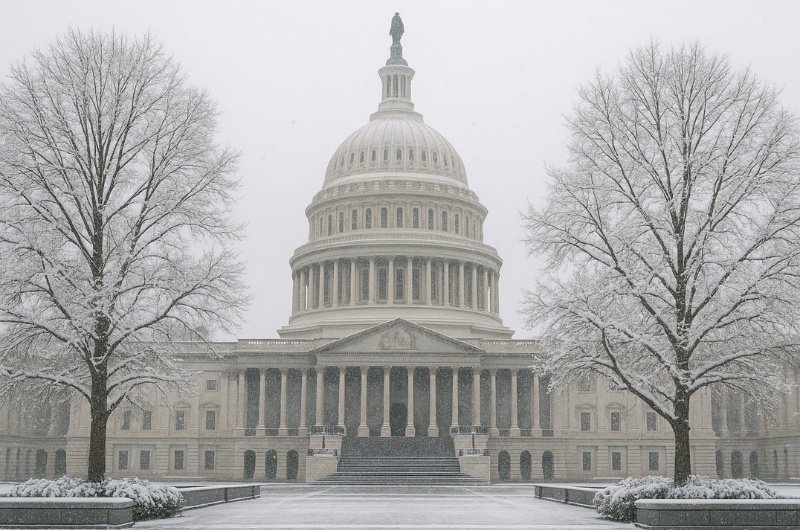
Congress is once again racing against the clock as another government funding deadline looms. Lawmakers have yet to finalize the full slate of appropriations bills, and without action, large parts of the federal government could grind to a halt. The political urgency has escalated as both chambers face mounting pressure to avoid a shutdown that would reverberate across the economy and disrupt essential public services. Earlier this year, the House passed a temporary funding measure to keep the government open, but long-running disagreements in the Senate have stalled progress. Deep divides remain over spending levels and policy riders, making even short-term compromise difficult. What started as routine budget negotiations has quickly transformed into one of the most consequential fiscal standoffs of the year. If Congress fails to reach a deal in time, the impacts would be immediate. Hundreds of thousands of federal workers could face furloughs or unpaid work. Non-essential agencies may pause or scale back operations, while delays could ripple through federal programs, grants, research institutions, and state-level services that depend on federal support. The uncertainty alone carries economic consequences, unsettling markets and eroding public trust in Washington’s ability to govern effectively. This latest standoff reflects a deeper, long-term problem: Congress has struggled for decades to pass all of its required spending bills on schedule. Instead, lawmakers have grown increasingly reliant on stopgap measures and last-minute negotiations, creating a cycle of recurring fiscal crises. The pattern underscores not only partisan polarization but also the structural fragility of the federal budgeting process itself. As the deadline approaches, the stakes couldn’t be clearer. Congress can strike a deal — even a temporary one — to keep the government running, or allow ideological battles to push the country into another disruptive shutdown. For millions of Americans who rely on federal services, the clock is ticking, and the consequences of inaction would be felt far beyond Capitol Hill.
White House Debuts Media Bias Portal, Expanding Its Campaign Against “Fake News”

The White House has launched a new Media Bias Portal—an interactive site that catalogs what the administration describes as misleading, false, or agenda-driven reporting across major news outlets. The database, released quietly but with strong language on WhiteHouse.gov, marks one of the most formal efforts yet by the Trump administration to challenge mainstream journalism. Visitors can browse flagged articles, see the administration’s stated rebuttals, and examine a growing list of what the White House calls repeat “offenders.” “Beyond the searchable database, the initiative includes a public tipline — a submission channel where Americans can report news articles they believe reflect bias or contain factual errors. The White House says this citizen-driven approach will help surface stories that might otherwise escape scrutiny.” The new tool also features a weekly “Media Offender of the Week,” spotlighting individual reporters or outlets selected by the administration. A broader “Offender Hall of Shame” maintains a running list of journalists whose coverage the White House views as problematic. While the portal positions itself as a transparency resource, its tone and framing signal a deeper institutional shift—from criticizing the press to actively tracking it. The move is already raising eyebrows inside political and media circles. Supporters see it as a corrective to long-standing media bias, while critics argue that a government-operated labeling system could chill reporting and blur the line between legitimate accountability and political retaliation. Press-freedom organizations are expected to weigh in as the site expands, especially as it begins incorporating public submissions from the tipline. With partisan tensions already high in Washington, the influence of the Media Bias Portal will become clearer in the months ahead. It may energize supporters who believe media bias is systemic, or it may deepen concerns among press-freedom advocates who view government-run tracking as a threat to independent journalism. What is clear is that the administration has elevated its media criticism into an official, institutionalized strategy.
U.S. Freezes Immigration Applications from 19 Countries — Thousands Affected

The U.S. Citizenship and Immigration Services has paused all immigration applications — including green-card and citizenship filings — for individuals from 19 non-European countries under a directive issued this week. The freeze applies to both pending applications and new submissions, reaching immigrants who were already deep into the legal process. The pause significantly expands restrictions first introduced under a travel-related policy earlier this year. The 19 affected nations include Afghanistan, Iran, Libya, Somalia, Yemen, and others previously identified for heightened security review. Federal officials say the move stems from national-security concerns following a recent attack on U.S. National Guard members in Washington, D.C., allegedly carried out by an Afghan national. The directive instructs immigration officers to halt action on all applications tied to the listed countries until further review is completed. The suspension affects a wide range of applicants — from individuals pursuing naturalization to families seeking lawful permanent residency. Applicants who were preparing for interviews or awaiting decision notices are now receiving notifications that their cases have been paused indefinitely. It remains unclear how long the freeze will last or whether additional countries could be added. For now, the directive represents one of the broadest federal actions on immigration processing in years, leaving thousands of applicants in a holding pattern as the government reassesses its vetting procedures.
US & UK Near Deal to Eliminate Pharma Tariffs — A Major Shift in Drug Trade

The United States and United Kingdom are closing in on a pharmaceuticals agreement that would wipe out import tariffs on medicines shipped into the U.S., according to people familiar with the talks. A formal announcement is expected at the White House, signaling a rare moment of trade cooperation after years of tariff threats and uncertainty for global drugmakers. In exchange for tariff-free access, Britain is preparing to loosen some of the financial constraints that have made its market tough for innovators. The government is expected to devote a larger share of the National Health Service budget to medicines and to ease the rebate and pricing rules that have long frustrated the industry. A higher cost-effectiveness threshold for new drugs would give companies more room to charge for cutting-edge treatments, while still keeping tight controls on older and generic products. For patients and health systems on both sides of the Atlantic, the agreement could reshape the economics of care over time. Zero tariffs would remove one layer of cost from imported medicines, especially complex or specialized therapies that previously faced extra charges at the border. If the savings are passed through, insurers and hospitals could see modest relief on certain drug bills, potentially improving access in categories where price has been a barrier. The deal also comes with trade-offs. Looser pricing rules in the U.K. are likely to mean higher sticker prices for some new medicines, even as the NHS spends more overall on drugs. And in the U.S., nothing in the agreement forces manufacturers or middlemen to pass tariff savings along to consumers, raising the question of who ultimately benefits — patients, payers, or shareholders. Still, the emerging framework marks a strategic pivot for Washington and London. Instead of using tariffs as a weapon in pharmaceutical trade, the two governments appear ready to bet on deeper integration and friendlier conditions for investment. If the agreement moves from leak to law, it could become a template for how wealthy nations manage drug access, pricing power, and cross-border supply chains in the next phase of global healthcare.
Cyber Monday Boycott Targets Amazon, Target, and Home Depot Over DEI Rollbacks and Political Ties

As Cyber Monday drives a surge of online shopping across the country, a coordinated protest movement is urging Americans to withhold spending from some of the nation’s largest retailers. The campaign, organized under the banner “We Ain’t Buying It,” calls for a four-day boycott from Black Friday through Cyber Monday, targeting Amazon, Target, and Home Depot during the peak of the holiday shopping season. Organizers say the boycott is a response to what they describe as a growing retreat from corporate diversity and inclusion commitments, as well as perceived alignment between major retailers and the Trump administration. Activists argue that companies that once publicly championed equity initiatives have scaled them back or rebranded them quietly in recent months — a shift they believe reflects political and financial pressure rather than a genuine change in principle. The retailers being targeted are not accused of identical actions; instead, each is cited as part of a broader pattern. Critics say Amazon has accumulated disproportionate power over workers and small businesses, Target is being challenged for walking back high-profile inclusion programs, and Home Depot is facing claims of political positioning and social-policy alignment that organizers find troubling. The companies have not issued responses tied to the boycott and maintain varying levels of internal diversity efforts, making the landscape complex and highly contested. Supporters of the boycott are urging consumers to reroute their spending to small businesses, independent retailers, and local brands, framing the campaign as an exercise in economic influence rather than partisan opposition. They say the goal is to show that consumers can use holiday spending power to demand accountability when corporate values shift away from public commitments. Whether the boycott will produce a measurable financial impact remains unclear. Historically, large-scale protests during the holiday retail rush have struggled to override the draw of convenience, aggressive discounting, and supply-chain efficiency. Even so, the momentum behind this week’s boycott reflects deeper tensions brewing within American consumer culture: a growing belief that loyalty to brands is no longer automatic, and that spending can be a strategic act rather than a seasonal reflex. As Cyber Monday unfolds, the nation faces a striking contrast — record shopping traffic on one side, and a protest movement asking Americans to pause and question what their purchases support. Whether this moment reshapes holiday spending or remains symbolic will become clearer as the season continues.
U.S. and Ukraine Draft “Refined Peace Framework” in Geneva Talks
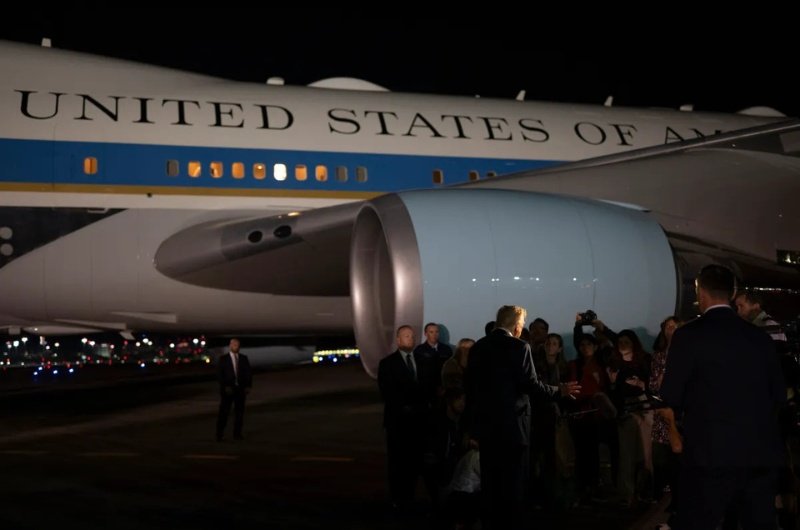
The United States and Ukraine announced progress this weekend during high-level meetings in Geneva, revealing that both sides have agreed on an updated and “refined peace framework” aimed at advancing negotiations to end the war with Russia. According to the joint statement, the session was described as constructive and focused, with both delegations reaffirming their shared commitment to safeguarding Ukraine’s sovereignty. While specific terms of the framework remain confidential, the tone of the announcement suggests movement after weeks of uncertainty surrounding earlier proposals that faced resistance from Kyiv and several European partners. Ukrainian leaders have consistently maintained that any peace arrangement must protect Ukraine’s territorial integrity and avoid concessions that could compromise national security. Diplomatic observers believe the most sensitive outstanding questions include the size and post-war capability of Ukraine’s military, future security guarantees, and the conditions surrounding Ukraine’s relationship with NATO. Economic reconstruction funding — including the potential use of frozen Russian assets — also remains a critical negotiation point expected to intensify discussion in the weeks ahead. Despite the complexity of the issues on the table, both nations emphasized unity and continued collaboration with European allies. The joint statement highlighted the importance of maintaining momentum and coordinating next steps, especially as winter conditions tighten pressure along the frontlines. The two countries agreed to accelerate work within the coming days, signaling that a more defined pathway to a potential agreement could emerge before year’s end. For now, the tone from Geneva reflects cautious optimism — and a diplomatic opening that many global observers hope will lead to meaningful progress.
Harvard Negotiations with Washington Nearing Completion

The Trump administration’s negotiations with Harvard University are close to being finalized, according to comments from the Secretary of State this week. The announcement signals a potentially consequential turning point in a months-long dispute over federal research funding and academic governance. The discussions are part of a broader push behind what the administration calls the Compact for Academic Excellence, a proposed framework that ties access to federal funds to policy changes on free speech enforcement, campus governance, and transparency standards. Several major universities — including Brown — publicly rejected the compact earlier this year following sharp criticism from faculty, alumni and student groups. Harvard has remained engaged in negotiations, though under significant pressure from lawmakers and federal agencies. At the center of the ongoing talks is the question of funding: access to billions of dollars in federal research and program grants, which support everything from scientific innovation and medical research to financial aid initiatives. Administration officials have suggested that an agreement would require structural commitments from Harvard, potentially including reforms in admissions oversight, disciplinary transparency and protections for political and ideological expression on campus. Supporters of the compact argue that universities receiving federal dollars should demonstrate higher accountability and responsiveness to students, taxpayers and public governance standards. Critics counter that the compact blurs the line between legitimate oversight and political interference, threatening academic independence and the ability of universities to govern themselves without federal pressure. The outcome of the negotiations is expected to set an influential precedent for the relationship between elite universities and Washington. Whether Harvard accepts or rejects the compact could reshape higher-education funding models, research competitiveness and campus policy nationwide. With expectations rising and tensions escalating across academic institutions, the resolution of this deal may determine the future balance between federal authority and university autonomy.
What Happens Now That the Epstein Files Are Being Released

With President Trump’s signature on Wednesday activating legislation to release long-sealed records tied to the Jeffrey Epstein case, a 30-day countdown is now officially underway. The law directs the Justice Department to begin making unclassified records publicly available and to move long-restricted materials out of sealed status and into public view. The records the government is required to prepare for release span multiple years and agencies. They are expected to include investigative materials, sworn testimony, internal summaries, and other documents that informed past federal inquiries. Lawmakers and advocates say the cache could also involve travel information, financial trails, and communication records that have never been fully visible to the public. From here, the Justice Department must locate, review, and organize the records before they are posted. That process includes pulling files from various components, coordinating formats for public access, and deciding how to stage the release. Rather than a single, all-at-once document dump, officials are likely to roll out the material in batches as review work is completed. Even with the new law in place, not everything will appear in full. Federal rules still allow redactions to protect victim identities and sensitive personal information, and to avoid undermining any active criminal investigations or security interests. How far those redactions go — and whether they are seen as narrow or overly broad — is expected to become a central point of debate once the first documents are posted. Congress is preparing to play an oversight role as the process unfolds. Key committees are expected to track whether the Justice Department meets the 30-day timeline, whether the redaction standards are applied fairly, and whether any categories of records are withheld in ways that appear inconsistent with the intent of the law. Over the next several weeks, the first releases are expected to draw intense public attention and renewed scrutiny of institutions that handled the Epstein case. The volume, quality, and readability of what is disclosed — as well as what remains blurred or blacked out — will help determine whether this moment feels like long-promised transparency, or just the beginning of a new round of questions. —————— Related: Trump Signs Order Releasing Epstein Files After Years of Secrecy Congress Forces Release of Epstein Files in Overwhelming Bipartisan Vote
Trump Administration Unveils Major Restructuring of the U.S. Department of Education

The Trump administration this week announced a sweeping restructuring of the U.S. Department of Education, transferring a wide range of federal education responsibilities to other agencies in what is being described as the most significant transformation of the department since its creation. The plan moves several divisions and longstanding programs to the Departments of Labor, Interior, State, and Health and Human Services, reshaping how federal oversight and support for schools and students will function nationwide. Under the reorganization, major components of the department — including oversight of elementary, secondary, and postsecondary education — will be shifted under the Department of Labor, aligning federal education policy more directly with workforce development and economic priorities. Additional specialized programs, such as those focused on Native American education and international academic exchanges, will be reassigned to agencies whose missions intersect with those areas. Administration officials say the goal is to streamline operations, reduce federal bureaucracy, and return greater control to states and local school systems. Critics, however, worry that moving education programs into agencies without deep classroom or instructional expertise could weaken protections for vulnerable students, complicate administration of federal funding, and create significant transition challenges for school districts already under strain. The restructuring is expected to roll out in phases, with transition teams already coordinating program handovers and administrative transfers. While funding levels are expected to remain stable in the short term, questions remain about whether the receiving agencies have the capacity and infrastructure to manage core education programs without disruption or delays. Supporters frame the move as a long-overdue effort to decentralize education policy. Opponents warn it could dilute accountability and fragment national standards. As details continue to emerge, education leaders, parents, and policymakers across the country are watching closely to see how this shift will affect students, teachers, and schools in the months ahead.
More than 130 Arrested in Charlotte Immigration Sweep as Federal Enforcement Expands into Raleigh

Federal immigration agents carried out a sweeping enforcement operation in Charlotte, North Carolina, resulting in more than 130 arrests within the first 48 hours. The effort, led by U.S. Border Patrol alongside Immigration and Customs Enforcement, marks a significant expansion of federal tactics into large metropolitan regions that have long positioned themselves as community-based sanctuary jurisdictions. Homeland Security officials stated the operation was launched in response to more than 1,300 detainer requests that local authorities declined to honor. Among those arrested, federal officials say a portion of individuals had criminal records, including DUI and assault charges. The scale and pace of the sweep signal a strategic change in how enforcement is being deployed far from the southern border. Local leaders pushed back immediately. Charlotte Mayor Vi Lyles stressed that constitutional rights and protections apply to every resident of the city. Raleigh Mayor Janet Cowell confirmed that similar operations were already underway in the state capital and clarified that local police will not participate in federal immigration arrests, citing community trust and public safety concerns. The sweep is expected to impact households, workplaces, schools, and employers who operate within major labor-dependent sectors, particularly logistics and service industries that fuel economic growth across the region. Businesses and civic organizations are bracing for potential workforce disruptions and increased tension within immigrant communities. For cities across the United States, this operation now stands as a test of governance and community trust. Federal policy is escalating into major metro areas, local leadership is being forced to respond, and neighborhoods are left navigating the fallout. Importantly, sources familiar with the planning say that after North Carolina, the next phase of enforcement could shift toward New York.