

Congress Forces Release of Epstein Files in Overwhelming Bipartisan Vote
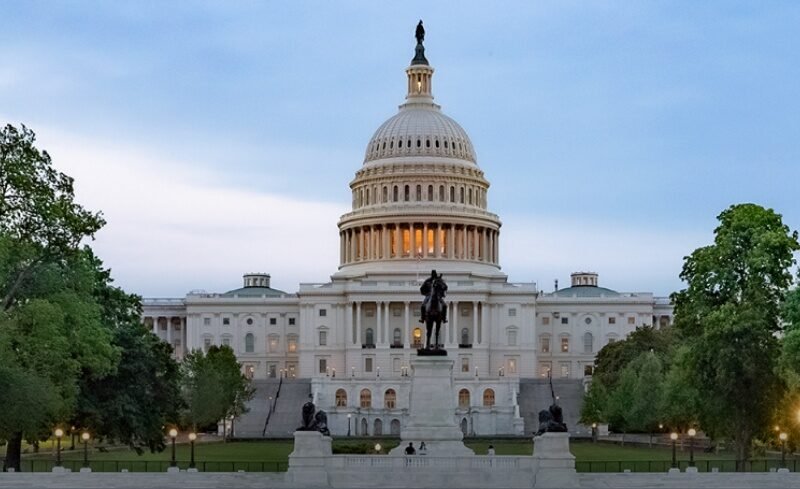
In a rare moment of unity in Washington, Congress has today voted to force the public release of the Jeffrey Epstein files. The measure passed the House by an overwhelming margin of 427 to 1, followed by immediate approval in the Senate. The bill now heads to President Trump, who has indicated he intends to sign it. The legislation requires the Department of Justice to release all unclassified documents related to Epstein and his network, a move many have sought for years. The push to release the files intensified in recent months, fueled by public demand for transparency surrounding the late financier who was convicted of sex crimes and connected to a long list of powerful public figures. For years, large portions of the Epstein case have remained sealed behind legal barriers and government discretion, leaving victims and the public without answers and creating widespread suspicion regarding who knew what and when. Unlike the vote for the budget, this vote was nearly unanimous, crossing party lines at a time when consensus in Washington is rare. The only dissenting vote came from a Republican lawmaker who argued that publishing the documents could risk exposing names that do not belong in the public record. Supporters of the measure say transparency is necessary for accountability and for restoring trust in institutions that have long been criticized for protecting the well connected. The release of these documents could have sweeping consequences. It may trigger legal action, political fallout, reputational damage, or renewed investigations. It is also possible that key information will remain hidden behind redactions or classified protections. What the files will reveal remains unknown, but expectations are high and pressure for full disclosure continues to grow. Next steps hinge on how quickly the Department of Justice moves to release the material and how much of it the public will actually see. For survivors and for a country demanding answers, the release represents a turning point in a case long associated with secrecy and power. More developments are expected within days, and the reaction will be national.
U.S. Drops Coffee Tariffs for Most Countries, Redefining Market Power for American Roasters

The Trump administration has removed import tariffs on green coffee beans from nearly all producing nations except Brazil, the world’s largest supplier. While U.S. roasters and importers will benefit from lower prices from Colombia, Honduras, and Asian growers, Brazilian producers are now hit with a steep 40 percent tariff, placing them at a sharp disadvantage in the American market. Industry analysts expect the shift to reshape sourcing strategies across the U.S. coffee sector, where Brazil previously accounted for a significant share of imports. Early indicators already show reduced shipments from Brazilian suppliers, and U.S. roasters are recalibrating blend portfolios in response to the pricing and supply pressure. The move arrives as coffee prices in the United States have climbed sharply, and the administration’s public message has emphasized both inflation relief and strategic realignment. This latest tariff action suggests trade is being leveraged not only for domestic consumer benefit, but also for geopolitical and supply-chain positioning. For Readovia’s focusing lens, the shift mirrors what is happening across business, technology, and content discovery: long-standing dependencies are becoming risks. Just as roasters must diversify sourcing beyond Brazil, publishers and creators must diversify reach beyond singular channels and platforms. Adaptability is becoming a survival trait. Eyes now turn to whether Brazilian exporters pursue a negotiated reversal, how the coffee industry communicates the origin story of new blends, and whether consumers embrace unfamiliar profiles on their morning tables. What happens next may offer both an economic test and a lesson in the power — and volatility — of strategic pivots.
Ukraine and France Sign Long-Term Deal for 100 Fighter Jets

Ukraine is set to make one of the largest military aircraft acquisitions in modern European history, securing a long-term agreement with France to obtain 100 Dassault Rafale fighter jets. President Volodymyr Zelenskiyy announced the deal in Paris, describing it as a major step toward rebuilding Ukraine’s air power as the war enters its third year. The delivery will take place over the next decade, beginning with training and initial systems support. The agreement extends far beyond aircraft. It includes air-defence systems, precision-guided munitions, drones and maintenance infrastructure that Ukraine has lacked since widespread damage to its air bases. For Kyiv, the package signals a shift from short-term emergency assistance toward long-range defence planning intended to restore full national capability. For France, the deal positions Paris as a central defence provider in Europe and strengthens its role in shaping the continent’s security future. It also represents a strategic industrial win for French defence manufacturers, accelerating production lines and securing multi-year investment in the Rafale program at a moment of rising global demand. The acquisition carries significant operational challenges. Ukrainian pilots will undergo extensive conversion training, runways will require upgrades and financing mechanisms must be finalized among European partners. Early estimates suggest a combination of government funding and international financial structures under discussion, including potential use of frozen Russian assets. The agreement marks a turning point in Ukraine’s defence planning, setting the foundation for its post-war air strategy. Delivery milestones, funding terms and Moscow’s response will shape how quickly the aircraft begin transforming Ukraine’s air capabilities — and how the balance of power shifts across the region in the years ahead.
Magic Johnson Today Releases ‘Magic Sounds’ — A New Era of Therapeutic Audio

Earvin “Magic” Johnson has spent decades inspiring the world through athletic excellence, entrepreneurship and philanthropy. Today, he’s stepping into a new role — as a champion for emotional well-being. Johnson has introduced Magic Sounds, a six-track therapeutic audio album created in collaboration with Cigna Healthcare, designed to help listeners manage stress, reset emotionally and develop healthier mental-wellness habits. The project officially released today, with the first track, Bounce, now streaming across major platforms. Magic Sounds blends science-backed audio techniques — including guided rhythm, tonal frequencies and ambient sound elements — with accessible musical composition aimed at supporting calm, focus and emotional restoration. Far from a celebrity endorsement exercise, the project is rooted in Johnson’s own lived experience navigating intense public pressure and personal challenges throughout his career. He has spoken openly about how music served as a refuge and grounding tool during difficult seasons, and now he hopes to offer that same outlet to others. The launch arrives at a time when mental-wellness needs are accelerating across workplaces and communities. Traditional benefits such as therapy referrals and mindfulness apps, while valuable, are no longer sufficient by themselves. Companies facing burnout, disengagement and retention pressure are increasingly exploring multi-sensory wellness solutions that meet people where they are — through digital platforms and tools that fit real life rather than ideal schedules. Audio-based therapeutic experiences may represent the next frontier. What sets Magic Sounds apart is the convergence of cultural influence, clinical insight and strategic innovation. It signals a shift from wellness as a corporate perk to wellness as a meaningful experiential resource. Instead of lectures or motivational messaging, the project offers something designed to reach the nervous system directly — a small but significant contribution to reducing the invisible pressures many workers carry but rarely articulate. For workers, it’s a reminder that caring for the mind is no longer optional. For companies, it’s an invitation to rethink wellness as a strategic investment rather than a perk. And for the wellness industry, Magic Sounds may mark the start of a new arena — where cultural influence and evidence-based therapy merge to create something genuinely transformative. The next wave of mental-health support may not come from a couch or a clinic, but from the speakers right in front of us. And with that… we’re off to hit play. ————– Where to Get Magic Sounds Listen on your favorite streaming platform: Spotify Apple Music Amazon Music
Fostering the Future: White House Launches Major Scholarship and Technology Initiative for Foster Youth

The White House today announced Fostering the Future, a national initiative aimed at expanding educational access and career-path opportunities for young adults emerging from the foster-care system. The program provides technology-based scholarships to colleges and universities across the United States, positioning students with the tools and training needed to compete in high-growth fields. The effort centers on bridging the opportunity gap for the approximately 20,000 young people aging out of foster care each year without permanent family support. Introducing the initiative, First Lady Melania Trump emphasized both the practical and lifelong value of the new program. “Fostering the Future provides individuals from the foster care community with technology-based scholarships to attend colleges and universities throughout America. Fostering the Future sets these individuals on their career paths. But more significantly, it equips each scholarship recipient with the fundamental foundation of knowledge that will endure throughout their lifetime.” The program also creates new public-private partnerships designed to connect scholarship recipients with mentorship, internships and career-placement resources. Much of the initiative’s architecture appears focused on long-term stability — reducing the high rates of unemployment, housing instability and underemployment that disproportionately affect young adults transitioning out of the foster-care system. Technology access, career guidance and real-world support are positioned as the core pillars for success. Education and economic experts note that the financial burden of post-secondary training is one of the greatest barriers for former foster youth, many of whom navigate adulthood without a family safety net or generational resources. Scholarships tied to technology preparation — including STEM, digital literacy and emerging workforce fields — signal a shift toward aligning foster-care support with future labor demand rather than short-term assistance. For students, Fostering the Future represents a pathway to independence, dignity and upward mobility. For the nation’s colleges, businesses and civic partners, it presents an invitation to participate in building a stronger pipeline of talent and innovation. At its heart, the initiative reframes foster youth not as a vulnerable population, but as a powerful untapped resource whose potential can help shape America’s future.
Federal Government Reopens Following Deal to End Historic Shutdown

The federal government is fully reopening today after Congress passed a bipartisan agreement to end the shutdown that had brought agencies to a halt and forced hundreds of thousands of federal workers into uncertainty. President Trump signed the measure shortly after it cleared both chambers overnight, restoring funding and authorizing agencies to resume normal operations. While offices are reopening across Washington and beyond, many agencies face a backlog that will take days — in some cases weeks — to unwind. Employees returning to work are sorting through delayed services, paused benefits processing, and disrupted operations that affected everything from airport staffing to federal courts. The agreement approved by lawmakers keeps the government funded for now, but it does little to ease broader concerns about governing by crisis. Members of both parties acknowledged that the shutdown’s economic and operational fallout will linger, especially for federal workers who faced days without pay and for Americans who depend on government services. House Speaker Mike Johnson has urged members to remain in Washington this week as Congress prepares for another round of negotiations on longer-term funding. With deadlines layered throughout the winter, lawmakers are bracing for fresh battles even as the government restarts. For now, federal agencies are turning the lights back on — and millions of Americans are watching to see how long they stay that way.
U.S. Mint to Produce Final Penny as Costs Outweigh Its Value

The United States is preparing to mint its final batch of one-cent coins, bringing an end to a currency era that has lasted for more than two centuries. The decision follows growing recognition that the penny costs far more to produce than it’s worth. According to Treasury data, each coin now costs more than three cents to make — a discrepancy that has turned the penny into a long-running symbol of inefficiency. Ending production is expected to save the government tens of millions of dollars annually and align the U.S. with other major economies that have already phased out their smallest denominations. Pennies will remain legal tender, but no new coins will be produced for general circulation. Collectible editions will continue in limited runs, while the nation’s banking and retail sectors adjust to a new reality: cash transactions will now be rounded to the nearest five cents. The penny’s departure marks the end of an American icon first minted in 1793 and featuring Abraham Lincoln since 1909. Once a cornerstone of pocket change, it has largely been replaced by digital payments and rounded pricing — a quiet casualty of modern convenience. The Readovia Lens What looks like a small change in coinage signals a larger transformation in how Americans handle money. As the penny fades from daily use, the challenge for Washington will be ensuring a smooth transition in pricing, cash handling, and public sentiment, and recognizing that sometimes, even tradition must give way to practicality. ———— More on this topic: What the End of the Penny Says About Inflation and Everyday Value
Trump Threatens $1 Billion Lawsuit Against BBC Over Edited January 6 Footage
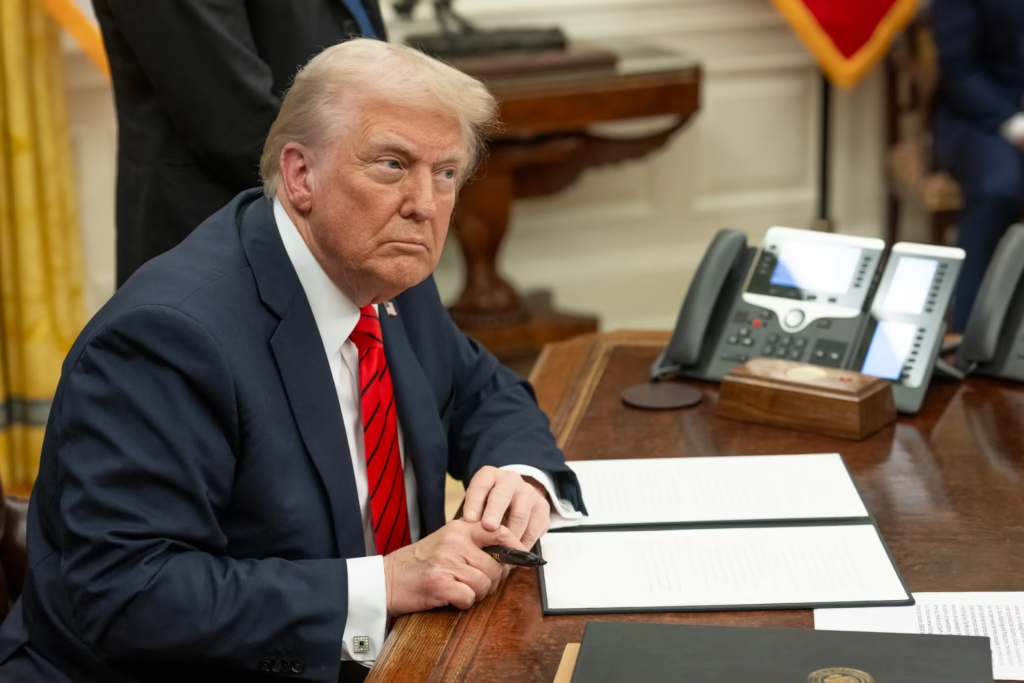
President Donald Trump has threatened to sue the BBC for $1 billion over what he calls “defamatory editing” of his January 6 speech in the network’s Panorama documentary. The move, part of his escalating campaign against the press, extends his attacks beyond U.S. borders and underscores how political power, litigation, and media accountability are colliding in a globalized information age. Two senior BBC executives have already resigned amid the fallout. Trump’s legal team claims the broadcast inflicted “massive reputational and financial harm,” though experts say a successful claim faces major hurdles, including jurisdiction and the high burden of proof under U.S. defamation law. A lawyer for Trump said the broadcast caused him “overwhelming financial and reputational harm” and may have violated Florida law — despite the fact that the channels carrying the Panorama documentary are not available in the United States. The BBC confirmed it has received correspondence from Trump’s legal team and said it “will respond directly in due course.” The episode reflects a broader shift in strategy — where litigation is increasingly used not just as recourse but as a tool of narrative control. It raises questions about how media organizations manage political risk and editorial integrity in a world of rapid, viral content cycles. For corporations and media outlets alike, the case highlights a new frontier in risk management: cross-jurisdictional reputational threats. As digital distribution blurs national boundaries, so too do the legal and ethical lines that govern accountability and influence. The Readovia Lens This fight is not about a documentary. It’s about who controls the story in an era when every edit, post, and headline can become a global legal battlefield.
Shutdown Update: Senate Advances Bill to Reopen the Government

After more than 40 days of gridlock, Congress has inched closer to ending the longest government shutdown in U.S. history. The Senate on Sunday advanced a stopgap funding measure that would reopen federal agencies, restore pay for hundreds of thousands of furloughed workers, and keep essential programs like SNAP food aid running. The measure — known as a continuing resolution (CR) — passed a key procedural hurdle with help from eight Senate Democrats who broke ranks to push the bill forward. It’s a rare sign of movement after weeks of partisan stalemate that left air-traffic controllers, food-aid recipients, and countless federal employees and contractors caught in the crossfire. Still, the shutdown is not over yet. The House of Representatives must vote next, and approval there is far from guaranteed. Republican leaders insist on passing a “clean” funding bill without new policy riders, while Democrats are still pressing to extend certain Affordable Care Act subsidies as part of the deal. Until both chambers agree and the president signs the measure, federal operations remain frozen. Behind the political wrangling are real-world consequences: delayed paychecks, grounded research projects, and shuttered offices across multiple agencies. Economists warn that the prolonged disruption is already shaving points off GDP (Gross Domestic Product – the broadest measure of a nation’s economic activity) growth and eroding consumer confidence. For millions of Americans, the sense is simple — finally, some progress. Whether that momentum holds through the House vote will determine if the lights across the federal government flicker back on this week or stay dark a while longer. Either way, we’ll keep you posted. _________________________________________ Update — Tuesday, 2:07 PM ET House Speaker Mike Johnson said he hopes to bring the Senate’s funding measure to a vote as early as Wednesday, according to multiple reports from a Republican conference call. The timing will depend on how quickly the Senate moves the bill forward, but Johnson has urged House members to begin returning to Washington in preparation for the expected vote. _________________________________________
TrumpRx: Inside the Landmark Deal That Could Finally Make Obesity Drugs Affordable

In a move the White House calls historic, President Donald Trump has announced a sweeping deal with pharmaceutical giants Eli Lilly and Novo Nordisk to slash the cost of America’s most expensive weight-loss and diabetes medications. Under the agreement, the list prices of Ozempic, Wegovy, Zepbound, and related GLP-1 drugs will fall by as much as 75 percent, marking one of the largest negotiated drug-price reductions in U.S. history. An Historic Price Drop For years, the cost of GLP-1 medications has hovered between $1,000 and $1,350 per month, putting them out of reach for millions who struggle with obesity, diabetes, or cardiovascular disease. Through the new program—called TrumpRx—those same treatments will now be available for $350 per month, with even deeper discounts on future oral versions priced at $150 per month once approved by the FDA. The deal also locks in lower government reimbursement rates. Under the new framework, the Medicare price for Ozempic, Wegovy, Mounjaro, and Zepbound is $245 per month, with beneficiaries paying a $50 co-pay. State Medicaid programs will have access to these same prices, and Medicare will cover Wegovy and Zepbound for patients with obesity and related comorbidities for the first time. What Exactly Is TrumpRx? TrumpRx is the administration’s new direct-purchase program announced by the White House. It allows Americans to buy select medications at capped, negotiated prices — for GLP-1 drugs, that’s $350 per month for injectables and $150 per month for oral versions if later approved by the FDA — without relying on list prices that can exceed $1,000. The initiative is built in partnership with participating manufacturers and is intended to bypass insurance markups, providing transparent pricing that mirrors international “Most Favored Nation” standards. Consumers will also be able to purchase other discounted medicines through the same channel, including Emgality at $299 per pen, Trulicity at $389 per month, and insulin brands NovoLog and Tresiba at $35 per month of supply. A quote from the TrumpRx.gov website homepage reads: “For many years, Americans have paid the highest prices anywhere in the world for prescription drugs — much more than other countries for the exact same product. That ends today.” – President Donald Trump Beyond Obesity: A Broader Price Reset Both Eli Lilly and Novo Nordisk have agreed to guarantee Most Favored Nation (MFN) pricing on all new medicines, repatriate increased foreign revenue from existing products, and extend those prices to every state Medicaid program. In effect, the framework resets how U.S. drug prices are negotiated—tethering domestic prices to international parity. Economic and Public-Health Implications The immediate beneficiaries are the tens of millions of adults managing obesity or Type 2 diabetes, but the ripple effects reach much further. Lower list prices could ease national healthcare spending, expand access to preventive care, and reduce long-term risks associated with chronic disease. Analysts say that if TrumpRx enrollment reaches critical mass, annual savings to Medicare and Medicaid could reach tens of billions of dollars, while private insurers may face pressure to match government pricing. At the same time, industry observers warn that pharmaceutical companies may need to rebalance R&D budgets and international pricing models as they adapt to mandatory price alignment. Investors are watching closely as markets weigh the consumer benefit against potential pressure on profits. A Turning Point in the Weight-Loss Revolution Obesity drugs have become the defining blockbuster of the decade—transforming public conversation around health, self-image, and longevity. But they’ve also highlighted a stark divide in access: effective for those who can afford them, unattainable for many who can’t. TrumpRx aims to change that equation. By collapsing layers of cost and introducing transparent, capped pricing, it offers a blueprint for how high-demand medications can be democratized without fully socializing the system that delivers them. Still, the plan’s success will hinge on supply stability, FDA approvals for oral formulations, and insurer integration. If those pieces align, TrumpRx could become a case study in how pricing reform—once thought politically impossible—reshapes both markets and lives. From The Readovia Lens For the first time, America’s most expensive lifestyle-health drugs are being treated as essential, not elite. Whether TrumpRx marks the start of true transparency in drug pricing—or simply a high-profile exception—will depend on how the rest of the pharmaceutical industry responds. But for millions of Americans battling chronic disease, this moment feels less like politics and more like progress.