


Trump Promised Historic Tax Savings — What Americans May Really See This Tax Season

As Americans prepare for the 2026 tax filing season, a bold claim made by Donald Trump late last year is drawing renewed attention. In a nationally televised end-of-year address, Trump said the tax cuts passed under his administration would deliver dramatic savings, predicting that many families would be saving between $11,000 and $20,000 more each year and that the upcoming filing season would produce the largest tax refunds in U.S. history. The statement has fueled optimism — and confusion — among taxpayers now beginning to gather documents for this season’s filings. While recent tax changes are expected to increase refunds for many Americans, independent analyses suggest the real-world impact will vary widely, and for most households, the savings are likely to be far more modest than the headline numbers implied. The tax overhaul enacted in 2025 expanded and extended a range of provisions, including lower individual tax rates, higher deductions in certain categories, and new exemptions for specific types of income. Because many of these changes took effect faster than payroll withholding systems could adjust, millions of workers may have paid more in taxes throughout the year than they ultimately owed — setting the stage for larger refunds when returns are filed. That dynamic helps explain why refunds could rise this year. Refunds, however, are not a measure of wealth gained, but of overpayment corrected. A larger refund often reflects timing and withholding mismatches rather than tens of thousands of dollars in new annual savings. Analysts say that for many middle-income households, increases are more likely to fall in the hundreds or low thousands of dollars, depending on income, filing status, and deductions. The most substantial benefits are expected to accrue to specific groups, including higher-income earners who itemize deductions, households in high-tax states affected by changes to state and local tax limits, and workers whose income falls into newly exempt categories. For others — particularly lower-income filers who rely on the standard deduction — the impact may be limited or uneven. That gap between political messaging and tax reality highlights a broader truth about refund season: headline numbers often obscure complexity. Total tax relief across the economy may reach historic levels in aggregate, but that does not translate evenly to individual households. For many Americans, the upcoming filing season may bring welcome relief — just not the windfall suggested by campaign-style projections. As tax season unfolds, the key question for households will not be whether refunds break records nationally, but how the changes apply to their own paychecks, deductions, and financial plans. For millions of filers, the answer is likely to be clearer — and more nuanced — once returns are completed this spring.
Maduro Pleads Not Guilty in New York Court to Narco-Terrorism and Drug Trafficking Charges
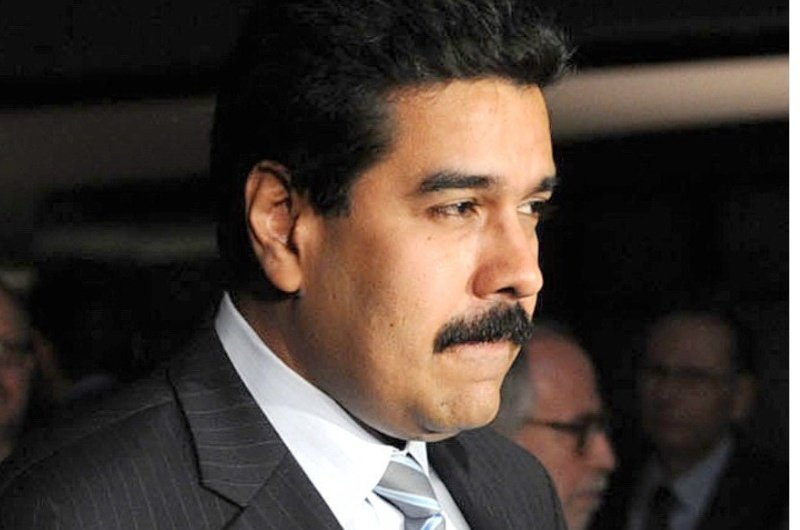
Deposed Venezuelan leader Nicolás Maduro appeared in a New York federal courtroom Monday and pleaded not guilty to a sweeping set of U.S. criminal charges, marking one of the most significant prosecutions of a former head of state in modern history. Maduro, brought into court under heavy security, denied all allegations and challenged the legitimacy of the proceedings, asserting that he remains Venezuela’s rightful president. Speaking through an interpreter, he rejected U.S. jurisdiction and maintained that his arrest and transfer to the United States were unlawful. U.S. prosecutors accuse Maduro of leading a long-running criminal enterprise centered on narco-terrorism — a charge that combines drug trafficking with acts intended to support or advance terrorist activity. According to the indictment, Maduro and his associates allegedly worked with armed groups to traffic large quantities of cocaine into the United States while using the proceeds to maintain power and destabilize the region. The charges to which Maduro pleaded not guilty include: Narco-terrorism Conspiracy to traffic cocaine into the United States Drug trafficking conspiracy involving international distribution Conspiracy to use and carry firearms in furtherance of drug trafficking Conspiracy to provide material support to a designated terrorist organization Potential Consequences if Convicted If convicted on all counts, Maduro could face life imprisonment under U.S. federal law. Maduro’s wife, Cilia Flores, who was detained during the same operation, also entered a not-guilty plea. Both are currently being held at the Metropolitan Detention Center and did not request bail during the brief court appearance. A future hearing has been scheduled for later this spring. The case follows a dramatic U.S. operation earlier this month that resulted in Maduro’s capture and removal from Venezuela, a move that has triggered global reaction and raised sharp questions about sovereignty, international law, and precedent. Demonstrators gathered outside the courthouse Monday, reflecting deep divisions over the U.S. action and Maduro’s legacy. International fallout continues, with the United Nations Security Council holding emergency discussions on the implications of prosecuting a former head of state in a U.S. court — a development that could reshape how future cases involving foreign leaders are handled. ——————– What do you say? Send us your comments. We may post them here.
Trump Withdraws National Guard From Major Cities — for Now
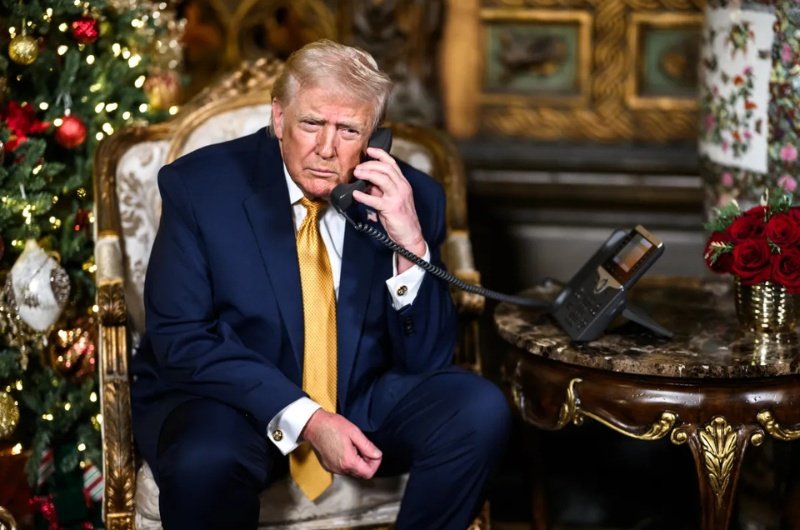
President Donald Trump has announced the withdrawal of National Guard troops from three major U.S. cities — Chicago, Los Angeles, and Portland — marking a notable shift in his administration’s approach to domestic security and crime policy. The Guard had been deployed in mid-2025 amid heightened political debate over crime, protests, and immigration enforcement. In announcing the withdrawal, Trump said the decision does not permanently end the deployments, adding that federal forces could return if crime rates rise again. The move reframes the presence of the Guard as conditional rather than ongoing. Local leaders in all three cities had strongly criticized the deployments, arguing they represented federal overreach into matters traditionally handled by state and local authorities. Governors and city officials maintained that public safety was being addressed through local law enforcement and community-based strategies, without the need for federal military involvement. The withdrawals also follow a series of legal challenges that narrowed the scope of presidential authority to deploy National Guard units without state consent. Court rulings reinforced constitutional limits on federal power, emphasizing that the Guard remains under state control except in narrowly defined circumstances. In Chicago, officials pointed to declining violent crime levels over the past year as evidence that large-scale federal deployments were unnecessary. Governors in California, Oregon, and Illinois welcomed the return of their Guard units, framing the decision as a restoration of constitutional balance and local control. The removal of National Guard troops from these cities highlights ongoing tensions between federal authority and local governance on public safety issues. As crime, immigration, and executive power continue to shape national debate heading into 2026, the episode underscores broader questions about how — and when — the federal government should intervene in domestic policing matters.
FBI Prevents Alleged ISIS-Inspired New Year’s Eve Attack in North Carolina

U.S. authorities say they prevented a potential ISIS-inspired attack planned for New Year’s Eve in North Carolina, charging an 18-year-old with plotting violence against civilians and responding law enforcement officers. According to federal officials, the suspect was arrested before the attack could be carried out following an investigation led by the Federal Bureau of Investigation and the U.S. Department of Justice. Authorities allege the teen had discussed plans to target up to 20 people and had expressed allegiance to ISIS, though officials emphasized the suspect acted alone and was not directed by any foreign terrorist organization. Investigators say the case highlights the continued threat of online radicalization, particularly among young people. Law enforcement officials noted that digital platforms remain a key pathway for extremist content and recruitment efforts, even as traditional terror networks face increased pressure abroad. The thwarted plot underscores ongoing concerns about domestic security as the United States enters 2026. While officials credit proactive monitoring and investigative work with preventing violence, the case raises broader questions about how extremist ideologies circulate online and how law enforcement can intervene before plans escalate into action. Federal authorities said the suspect will face charges related to terrorism-inspired threats and weapons offenses. No injuries were reported, and officials stressed that there was no broader, coordinated threat tied to the alleged plot. The incident serves as a reminder that domestic terrorism threats continue to evolve, often emerging from decentralized, online environments rather than organized cells. As policymakers debate the balance between civil liberties, digital surveillance, and public safety, cases like this one are likely to shape security discussions throughout the year.
Justice Department Releases New Epstein Files, Drawing Scrutiny Over Redactions
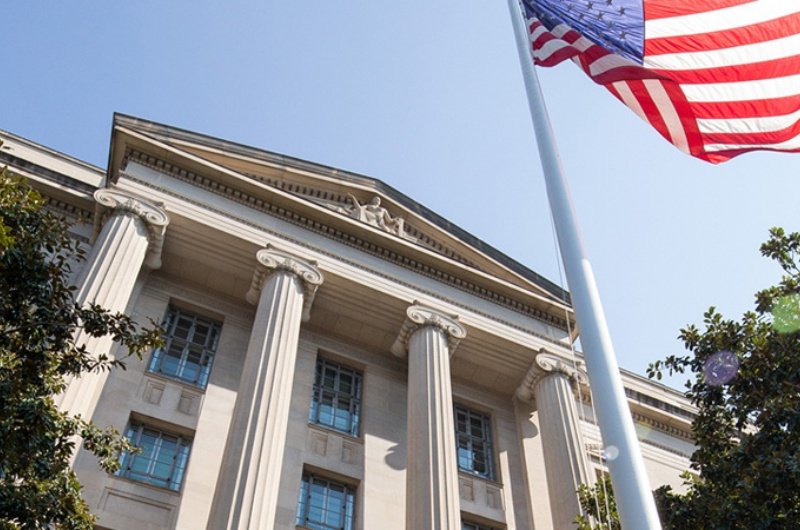
The U.S. Justice Department on Tuesday released a new batch of records connected to the late financier Jeffrey Epstein, unveiling tens of thousands of pages of documents and video files tied to the federal investigation that has long drawn public scrutiny. The release, which includes flight logs, internal communications, and investigative materials, adds new detail to Epstein’s network of high-profile contacts from the 1990s and early 2000s. Among the disclosures is documentation indicating that former President Donald Trump traveled on Epstein’s private jet multiple times during that period, a figure higher than previously acknowledged in public reporting. Despite the volume of material released, the documents are heavily redacted, prompting immediate criticism from lawmakers, victims’ advocates, and transparency groups. Survivors of Epstein’s abuse have expressed frustration that key names, dates, and contextual details remain obscured, arguing that the redactions limit accountability and public understanding of how Epstein was able to operate for years. Members of Congress from both parties questioned whether the Justice Department’s release fulfills the intent of recent transparency legislation aimed at making Epstein-related records public. Several lawmakers signaled that further action, including hearings or legal challenges, could follow if additional information is not disclosed. The Epstein case continues to cast a long shadow over the U.S. justice system, raising unresolved questions about prosecutorial decisions, elite influence, and institutional accountability. While the latest release sheds new light on Epstein’s connections, it has also intensified calls for a more complete accounting of one of the most notorious criminal cases in recent American history.
U.S. Faces Early, Severe Flu Surge as ‘Super Flu’ Strains Hit Multiple States

The United States is facing an unusually early and aggressive flu season, with what health officials are calling a “super flu” strain driving sharp increases in cases and hospitalizations. Several states are reporting influenza activity far above normal levels for December, raising concerns as holiday travel accelerates. Hospital admissions for influenza have climbed rapidly in recent weeks, prompting heightened alerts at medical centers nationwide. States in the Mountain West, South, and Northeast — including Colorado, Louisiana, and New Jersey — are seeing some of the fastest growth in flu-like illness. Early analysis suggests the dominant H3N2 strain may be spreading more easily this season, contributing to the nationwide surge. Millions Already Affected Nearly 3 million Americans are believed to have fallen ill so far, with the overall burden continuing to rise ahead of the typical January–February peak. Hospitals in several regions report increased admissions among older adults and young children, who remain most vulnerable to severe illness and complications. Symptoms and What to Watch For Symptoms of the circulating strain mirror classic influenza signs — fever, persistent cough, body aches, headaches, congestion, and fatigue — but clinicians note that some patients are experiencing more severe respiratory symptoms than usual. Health professionals are urging people to seek early testing and treatment, especially those at higher risk. Health Officials Urge Prevention Public health officials continue to emphasize vaccination for anyone six months or older who hasn’t yet received a flu shot. Even when the circulating strain evolves, vaccination remains one of the most effective defenses, reducing the risk of severe illness and hospitalization. They also encourage simple preventive measures: washing hands regularly, staying home when sick, covering coughs and sneezes, and wearing a mask in crowded indoor settings if symptoms appear. A Potentially Difficult Holiday Season With millions of Americans traveling and gathering for the holidays, health experts warn the flu wave could intensify in the coming weeks. Hospitals nationwide are preparing for higher patient volumes as flu, RSV, and other respiratory viruses circulate concurrently.
Suspect in Brown University Shooting Found Dead in New Hampshire Storage Facility

The suspect wanted in connection with the deadly shooting at Brown University — an attack that left two students dead and nine others wounded — was found dead late Thursday night inside a storage unit in Salem, New Hampshire, authorities confirmed. The discovery ends a multi-day manhunt that spanned multiple states following the Saturday afternoon massacre on campus. Police said an unexpected tip came from a homeless man who spotted a suspicious vehicle near campus in the hours after the Brown University shooting. He posted what he saw in a Reddit thread, and the details quickly caught investigators’ attention, ultimately helping police identify the suspect’s car and move the case forward. Officials identified the suspect as Claudio Manuel Neves Valente, 48, a former Brown University graduate student. Investigators say he died from an apparent self-inflicted gunshot wound. His body was discovered in a storage unit he rented, where authorities had tracked him after days of coordinated surveillance and investigative leads. Valente is also believed to be responsible for the fatal shooting of an MIT professor earlier in the week. According to investigators, the professor was found dead in his Brookline, Massachusetts home on December 15, and evidence recovered from both scenes suggested the same gunman. Police say there is no indication that anyone else was involved in either attack. The motive remains under investigation, and authorities are now turning their attention to reconstructing the suspect’s movements in the hours and days following both shootings. The Brown University attack unfolded inside the Barus & Holley engineering building, where students had gathered for a review session ahead of finals. Two students were killed and nine others were wounded before the shooter fled, prompting an urgent, widespread search that concluded with Thursday’s discovery. Officials are expected to release additional details as the investigation progresses.
Australia Launches Gun Buyback After Sydney Beach Attack

Australia’s prime minister Anthony Albanese has announced a sweeping national gun buyback program, marking the country’s most significant firearms reform effort in nearly three decades. The move comes after the deadly Bondi Beach attack earlier this month, where a gunman opened fire during a Hanukkah celebration, killing 15 people and reigniting urgent calls for stronger gun control. Albanese said the government will introduce legislation early next year to launch a coordinated national buyback that will target newly banned weapons, illegal firearms, and surplus guns already in circulation. Officials expect it to become the largest such effort since the landmark reforms that followed the 1996 Port Arthur massacre. The prime minister highlighted that Australia now has more than four million firearms in private hands — more than at the time of the Port Arthur attack — and warned that the nation cannot “assume past success guarantees future safety.” He called the buyback and new restrictions essential steps to reduce the risk of mass violence. In addition to the buyback, the government plans to tighten gun laws by capping how many firearms an individual can own, speeding up development of a national firearms register, and strengthening eligibility requirements for gun licenses. State and territory leaders have agreed to work with the federal government on rollout and enforcement details. The announcement reflects a growing national consensus that Australia must update its gun laws to meet modern threats. Full legislative details are expected to be released in the coming weeks.
Trump Announces $1,776 ‘Warrior Dividend’ Payout for U.S. Troops
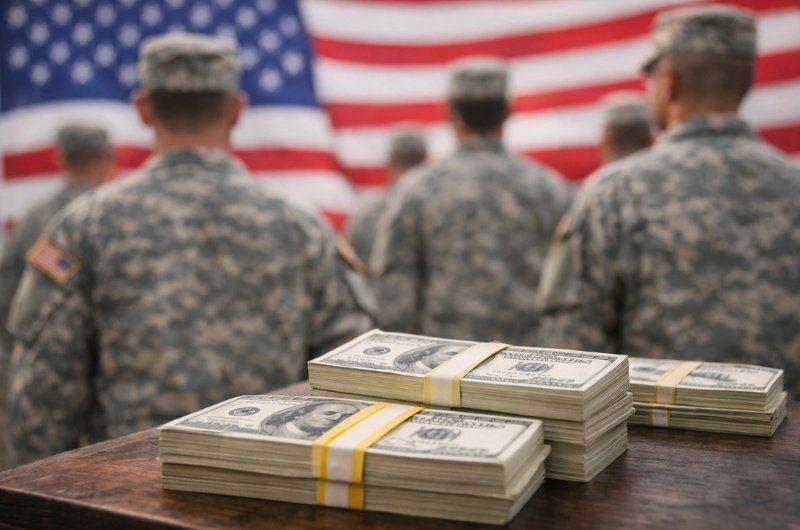
President Donald Trump announced Wednesday night that roughly 1.45 million U.S. service members will receive a one-time bonus of $1,776 before Christmas — a symbolic nod to the nation’s founding year. The White House is calling the payment a “warrior dividend,” describing it as a holiday boost for active-duty troops and certain reservists. According to the administration, the payout will go to service members up to the rank of O-6, including those deployed overseas. Trump said the money would be funded through tariff revenues and a reallocation of existing Pentagon resources — a move that is already prompting questions from lawmakers about whether the executive branch can redirect those funds without congressional approval. The announcement comes at a politically charged moment, with Trump using the primetime address to argue that his economic agenda is strengthening the country and supporting those “who serve on the front lines of America’s defense.” The White House framed the bonus as both a thank-you to the military and a preview of broader policy plans heading into 2026. Critics, however, warn that redirecting money originally intended for military housing and infrastructure could create long-term challenges for a force already grappling with aging barracks, maintenance backlogs, and quality-of-life concerns. Military advocacy groups say they welcome the extra support for troops but worry about what might be sacrificed in exchange. For service members, the payments are expected to arrive as part of year-end processing — providing a symbolic and financial lift during the holiday season. Whether the “warrior dividend” becomes a recurring benefit or remains a one-time gesture will likely depend on political negotiations in the months ahead.
Blue Origin to Launch First Wheelchair User Into Space on Historic Flight

Blue Origin is preparing to make spaceflight history this week as aerospace engineer Michaela “Michi” Benthaus becomes the first person who uses a wheelchair to travel into space. The milestone mission is scheduled to lift off from West Texas aboard the company’s New Shepard vehicle, marking a major step toward accessible space tourism. Benthaus, an accomplished engineer with deep experience in spacecraft design, has used a wheelchair since a 2018 spinal cord injury. Despite the physical challenges that followed, she continued pushing forward in her field — and will now join a crew of six on a brief suborbital journey that lasts approximately ten minutes from launch to landing. To accommodate her needs, Blue Origin designed several modifications to the cabin environment, including specialized seating and additional assistive harnessing to ensure she can safely experience weightlessness. Engineers involved with the flight say the adjustments were minor compared to the symbolic impact of the mission itself. Blue Origin calls the launch a “breakthrough moment” for the future of civilian space travel. Advocates for accessibility say it represents a powerful shift in who gets to participate in humanity’s next era of exploration. For decades, spaceflight was reserved for elite, physically screened astronauts; now, commercial space companies are pushing to broaden the definition of who belongs among the stars. If successful, Benthaus’ journey could pave the way for more inclusive participation in future missions — and expand the possibilities of space travel far beyond traditional limits.