


UPDATED: Potentially Historic Winter Storm to Slam Southern Plains Through Mid-Atlantic This Weekend
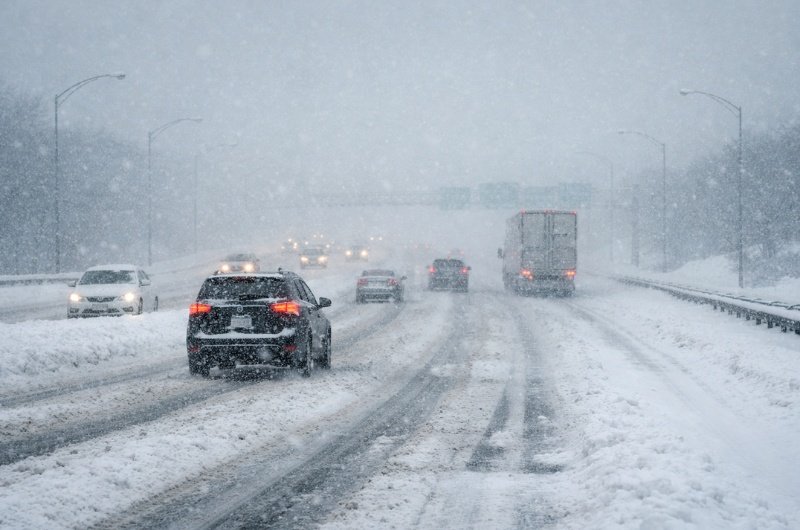
UPDATE: FRIDAY AFTERNOON (23 JAN 2026) The winter storm system continues to expand, with additional states now under advisories as snowfall totals increase across parts of the Midwest and Northeast. Forecasts show heavier accumulations in some areas than initially expected, prompting widespread school closures, government office delays, and disruptions to local services as the storm moves through the region. A potentially historic winter storm is forecast to bring heavy snow, sleet, freezing rain, and dangerously cold conditions across a wide stretch of the United States this weekend, raising concerns about travel disruptions, power outages, and public safety from Friday through Sunday. Forecasters warn that significant snow accumulation is possible across large portions of the storm’s path. In parts of the Southern Plains and Lower Mid-South, snowfall totals could reach 12 inches or more, with some areas potentially seeing 10 to 16 inches if the heaviest bands persist. Localized higher totals are not out of the question where conditions align. Across the Mid-Atlantic, widespread snowfall is expected, with some areas facing accumulations exceeding one foot by the time the storm exits. In locations where snow continues over multiple phases, totals could climb rapidly, making travel increasingly dangerous through the weekend. Farther south, freezing rain and sleet remain major concerns. Ice accumulation could weigh down trees and power lines, increasing the risk of power outages, particularly in regions that are less accustomed to severe winter weather and prolonged freezing conditions. Behind the storm, an Arctic air mass is expected to surge south, ushering in some of the coldest temperatures of the season. Sub-freezing conditions could linger for days, keeping snow and ice in place and slowing recovery efforts. Bottom Line From Texas to the East Coast, residents should prepare for significant winter impacts, including heavy snow that may exceed a foot in some areas, dangerous ice accumulation, and hazardous travel. Officials are urging the public to monitor local forecasts closely and limit travel where possible as conditions evolve. ——————– Recommended: Surviving the Next Blackout: How to Prepare for Power Outages Before They Strike
Europe Warns of ‘Dangerous Downward Spiral’ as Trump Threatens Tariffs Over Greenland

Tensions between the United States and Europe escalated sharply after President Donald Trump threatened to impose tariffs on European allies that oppose U.S. control of Greenland. European leaders warned the move could trigger a “dangerous downward spiral,” undermining decades of transatlantic cooperation and destabilizing global trade relationships. The proposed tariffs would target multiple European countries, including Denmark and other NATO allies, if they refuse to support Washington’s position on Greenland. European officials pushed back forcefully, describing the threats as economic coercion and warning that retaliatory measures could follow if trade pressure continues. Leaders across the European Union emphasized unity in their response, reiterating that Greenland’s status is not negotiable through economic pressure. Several officials stressed that the dispute risks weakening NATO cohesion at a time of heightened geopolitical uncertainty, particularly in the Arctic region. Greenland’s strategic importance — tied to Arctic security routes, military positioning, and untapped natural resources — has made it an increasingly sensitive issue. However, European leaders cautioned that aggressive tactics could erode trust among allies and shift the focus from cooperation to confrontation. As diplomatic efforts continue behind the scenes, the standoff highlights growing strain in U.S.–European relations and raises broader questions about the future of trade, alliances, and Arctic governance.
Trump Introduces ‘Great Healthcare Plan’ Focused on Lowering Costs
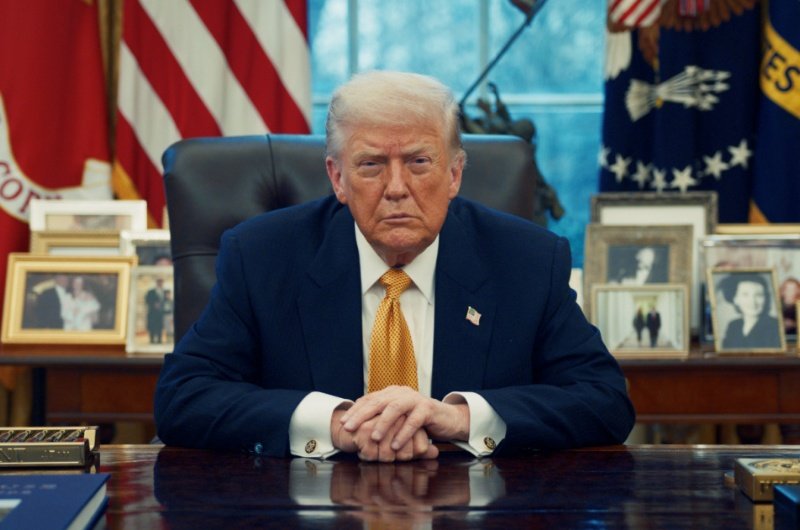
President Donald Trump has unveiled a new health care proposal aimed at lowering costs for Americans. The plan outlines a four-part strategy focused on drug prices, insurance premiums, accountability, and transparency. A major pillar of the proposal targets prescription drug prices. The administration says it plans to expand earlier efforts to rein in costs by pressuring pharmaceutical companies and Pharmacy Benefit Managers to reduce markups. The plan also explores making more medications available over the counter, a move intended to lower costs and improve access for consumers. The proposal also aims to reduce insurance premiums by shifting how financial assistance is delivered. Instead of extending Affordable Care Act subsidies, which expired at the end of 2025, the plan would direct money straight to eligible Americans rather than insurance companies. Supporters argue this could increase competition and give consumers more control over how they purchase coverage. Another key focus is accountability and transparency. Insurance companies would be required to clearly disclose pricing, coverage details, and overhead costs in plain language. The administration says these measures are designed to help consumers better understand their options and compare plans more easily. The White House has said the plan is not expected to affect protections for people with pre-existing conditions. While many details remain unresolved and legislative approval would be required, the announcement signals a clear policy direction as health care affordability becomes a central issue in 2026.
U.S. Suspends Immigrant Visa Processing for Nationals of 75 Countries

The United States will suspend the processing of immigrant visas for citizens of 75 countries, marking a major shift in federal immigration policy and significantly limiting legal pathways to permanent residency. Under the new policy, U.S. embassies and consulates will pause approvals for people seeking to immigrate to the United States permanently. The suspension applies only to immigrant visas, which are used for long-term relocation, including family-based and employment-based immigration. Temporary travel will not be affected. Officials confirmed that tourist, student, and business visas will continue to be processed as normal. In addition, individuals who hold dual citizenship may still apply if they use a passport from a country not included in the suspension. The policy is being implemented by the U.S. State Department, which says the move is intended to tighten immigration standards and prioritize applicants who are financially self-sufficient. Administration officials have framed the decision as part of a broader effort to reduce strain on public resources. Critics argue the suspension could have far-reaching consequences, particularly for families waiting to reunite and employers seeking skilled workers from abroad. Immigration advocates say the move represents one of the most sweeping restrictions on legal immigration in recent years, while supporters contend it reinforces national priorities and economic safeguards.
ICE Officer Shoots Venezuelan Man During Enforcement Action in Minneapolis
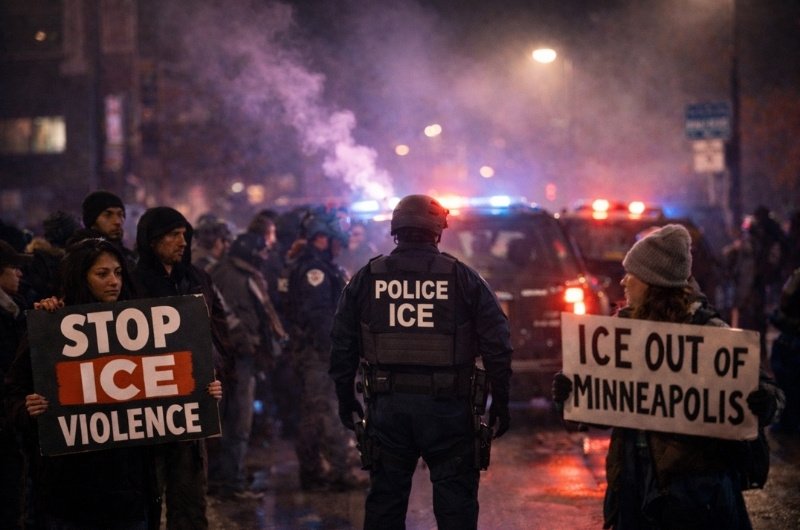
A federal immigration officer shot a Venezuelan man in the leg during an enforcement operation in Minneapolis late Wednesday, intensifying tensions over immigration enforcement tactics and sparking protests across the city. According to federal officials, the incident began with a traffic stop connected to an immigration enforcement effort. Authorities say the man attempted to flee, crashed into a parked vehicle, and ran on foot. During a subsequent confrontation, a physical struggle occurred between the man and the officer. Federal officials allege that two additional individuals joined the altercation, striking the officer with household items. The officer then discharged his weapon, hitting the man in the leg. Both the injured man and the officer were transported to a hospital. Officials say the man’s injuries are not life-threatening, and the officer was treated and released. The two individuals accused of intervening were taken into custody. The shooting has reignited protests in Minneapolis, where community groups and local leaders have expressed concern over the presence and tactics of federal immigration agents operating independently of local law enforcement. Demonstrations have called for greater transparency, accountability, and limits on federal enforcement actions within city neighborhoods. Officials with U.S. Immigration and Customs Enforcement have stated the shooting is under internal review, while city leaders have urged calm as investigations continue. The incident adds to a broader national debate over immigration policy, enforcement authority, and public safety in American cities. ——————– Related: Minnesota Seeks Answers After Fatal ICE Shooting in Minneapolis Vice President Vance Says ICE Agent Has “Absolute Immunity” in Deadly Minneapolis Shooting Senior DOJ Leaders Resign After Refusal to Investigate Minnesota ICE Shooting
Iran Protest Crackdown Nears 2,600 Dead Amid Warnings of Strikes on U.S. Bases

Iran’s internal unrest has reached a grim new milestone as a U.S.-based human rights organization reports that the death toll from nationwide protests is approaching 2,600, marking one of the deadliest crackdowns in the country in years. The escalating violence is now colliding with heightened geopolitical tensions, raising concerns well beyond Iran’s borders. According to the Human Rights Activists News Agency (HRANA), at least 2,571 people have been killed since demonstrations erupted across Iran, with thousands more arrested or injured as security forces intensified their response. The protests, driven by widespread anger over political repression, economic hardship, and social restrictions, have spread to dozens of cities, posing one of the most sustained challenges to Iran’s ruling establishment in years. As the unrest deepens, Iranian officials have issued stark warnings to neighboring countries, saying Tehran could target U.S. military bases in the region if Washington intervenes directly in the crisis. The remarks underscore growing fears that a domestic uprising could spill into a broader regional confrontation, particularly given the heavy U.S. military presence across the Middle East. U.S. officials have condemned Iran’s crackdown and signaled that options remain on the table, while stopping short of confirming any imminent military action. Meanwhile, reports indicate that some American personnel in the region have adjusted their security posture as a precaution, though no large-scale redeployments have been announced. Iranian authorities continue to frame the protests as acts of terrorism orchestrated by foreign powers, including the United States and Israel. Rights groups and international observers, however, describe a rapidly unfolding humanitarian crisis that now sits at the intersection of internal repression and rising global instability — with consequences that could reverberate far beyond Iran’s borders.
Senior DOJ Leaders Resign After Refusal to Investigate Minnesota ICE Shooting
At least four senior leaders within the U.S. Department of Justice have resigned after their division declined to investigate the fatal shooting of a Minnesota woman during a recent U.S. Immigration and Customs Enforcement operation, according to multiple officials familiar with the departures. The resignations came from top officials within the DOJ’s Civil Rights Division, who reportedly concluded they could no longer carry out their mission of impartial public service under the current administration. Internal discussions indicate the officials objected to being sidelined from reviewing the use of force in the Minnesota case, a role the division has traditionally played in incidents involving potential civil rights violations. The shooting occurred during a large-scale ICE enforcement action in Minneapolis, prompting widespread public concern and protests. While the federal government has said the matter is being reviewed by other authorities, the decision not to involve the Civil Rights Division has drawn criticism from current and former Justice Department officials who view the move as a significant departure from long-standing oversight practices. In private conversations, departing officials reportedly expressed alarm over what they described as increasing political influence over enforcement priorities and investigative decisions. The DOJ has not disputed the resignations but has characterized them as unrelated to any single case, a claim questioned by the timing and clustering of the departures. The fallout adds to mounting tension surrounding federal immigration enforcement efforts in Minnesota, where state and local leaders have raised concerns about transparency, accountability, and civil liberties. As protests continue and legal challenges unfold, the resignations mark one of the most visible internal fractures within the Justice Department since the start of the administration. Developing story. Readovia will continue to follow this as more details emerge. ——————– Related: Minnesota Seeks Answers After Fatal ICE Shooting in Minneapolis Vice President Vance Says ICE Agent Has “Absolute Immunity” in Deadly Minneapolis Shooting ICE Officer Shoots Venezuelan Man During Enforcement Action in Minneapolis
Minnesota Sues Trump Administration Over Immigration Operations in Twin Cities
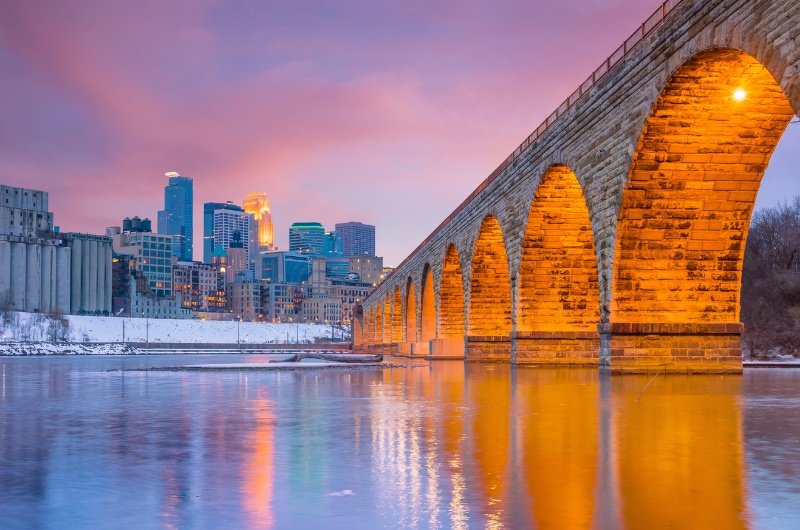
The state of Minnesota, joined by the cities of Minneapolis and St. Paul, has filed a federal lawsuit against the Trump administration, challenging a sweeping immigration enforcement operation underway across the Twin Cities. State officials argue the expanded presence of federal immigration agents exceeds lawful authority and undermines state and local governance. The lawsuit seeks to halt what leaders describe as an aggressive and disruptive operation that has fueled public unrest and raised concerns about civil liberties, due process, and public safety. According to the filing, Minnesota contends the federal action was launched without meaningful coordination with state or municipal authorities and has resulted in heightened fear within immigrant communities. Local leaders say the operation has strained public resources, disrupted daily life, and escalated tensions following a recent fatal shooting involving an immigration officer. The administration has defended the enforcement effort as a lawful exercise of federal power, maintaining that immigration enforcement falls squarely under national jurisdiction. Federal officials argue the operation is necessary to uphold immigration law and ensure public safety, rejecting claims that the actions are politically motivated or unconstitutional. The legal challenge places Minnesota at the center of a growing national conflict over the limits of federal authority, states’ rights, and immigration enforcement tactics. Legal experts note the case could have far-reaching implications for how future federal operations are conducted in states that oppose aggressive immigration crackdowns. As protests continue and court proceedings begin, the lawsuit signals a deepening standoff between Minnesota leaders and the White House—one that is likely to shape immigration policy debates well beyond the Twin Cities. ——————– Related: Minnesota Seeks Answers After Fatal ICE Shooting in Minneapolis Senior DOJ Leaders Resign After Refusal to Investigate Minnesota ICE Shooting Vice President Vance Says ICE Agent Has “Absolute Immunity” in Deadly Minneapolis Shooting
Vice President Vance Says ICE Agent Has “Absolute Immunity” in Deadly Minneapolis Shooting
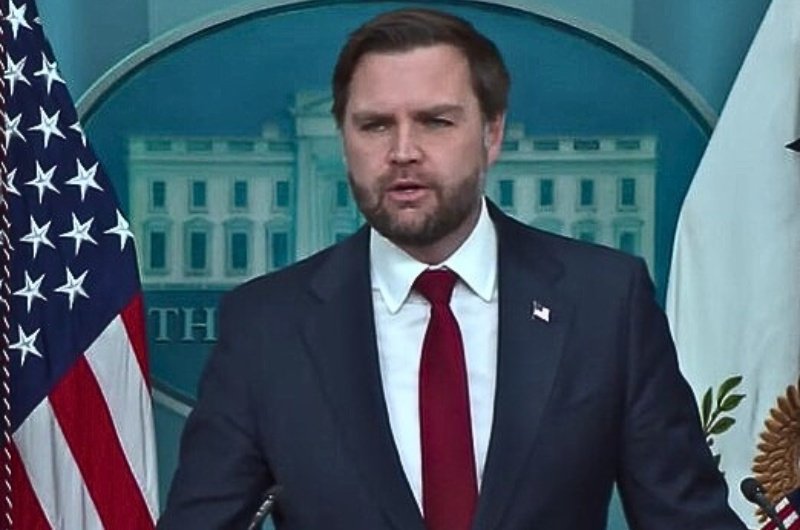
Vice President JD Vance said Thursday that the federal immigration officer involved in a deadly shooting in Minneapolis is protected by what he described as “absolute immunity,” igniting immediate backlash from civil rights groups, legal scholars, and local officials. The shooting occurred during a federal immigration operation in south Minneapolis, where an agent with U.S. Immigration and Customs Enforcement fatally shot a woman after stopping a vehicle. The incident sparked protests across the city, with demonstrators demanding transparency, accountability, and an independent investigation into the agent’s actions. Speaking to reporters, Vance argued that because the officer was acting in an official federal capacity, he is shielded from criminal or civil liability. The vice president’s use of the term “absolute immunity,” however, has drawn scrutiny, as legal experts note that federal officers typically receive qualified protections that depend on the circumstances surrounding the use of force. Tensions escalated further after state officials confirmed that Minnesota authorities were removed from the investigation, leaving the case solely in federal hands. Local leaders have criticized the move, saying it undermines public trust and limits oversight in a case involving a civilian death. The shooting has intensified a broader national debate over the role of federal immigration enforcement in local communities, the limits of executive authority, and whether existing accountability mechanisms are sufficient when federal agents use deadly force. Protests in Minneapolis continued into the evening as officials called for calm while demanding answers. ——————– Related: Minnesota Seeks Answers After Fatal ICE Shooting in Minneapolis
Minnesota Seeks Answers After Fatal ICE Shooting in Minneapolis
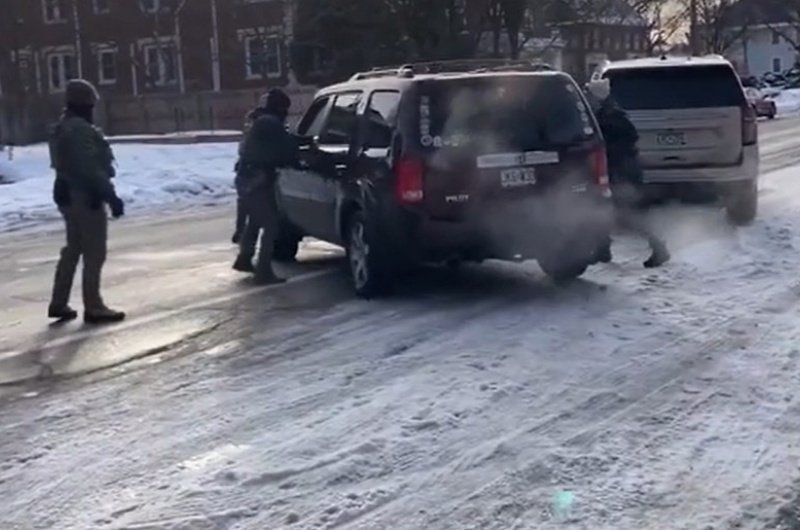
Minneapolis has become the center of national attention after a woman was fatally shot by a federal immigration officer during an enforcement operation, triggering days of protests, political fallout, and growing demands for accountability. The woman, Renee Nicole Good, was killed during a U.S. Immigration and Customs Enforcement action conducted in the city earlier this week. Federal officials say the ICE agent fired in self-defense after Good allegedly attempted to strike officers with her vehicle during the operation. According to the Department of Homeland Security, agents perceived an immediate threat and responded with lethal force. That account has been sharply questioned by local leaders and the community, particularly after video footage circulated online appeared to contradict claims of an imminent danger. The shooting has sparked widespread demonstrations across Minneapolis, with protesters gathering downtown and near government buildings to demand transparency and an independent investigation. Many demonstrators have also called for changes to how federal immigration enforcement is carried out in local communities, arguing that the operation escalated unnecessarily and resulted in the death of a civilian. Tensions between state and federal authorities escalated after Minnesota’s investigative agency disclosed that it has been blocked from taking part in the case, saying the U.S. attorney’s office has asserted control over the investigation. State and local leaders have raised concerns that limiting Minnesota’s role reduces transparency at a moment of intense public scrutiny, emphasizing that any use of deadly force must meet a high threshold and be supported by clear evidence. The incident comes amid a broader federal immigration enforcement push in the Twin Cities region, which had already heightened anxiety in immigrant communities. As protests continue and political pressure mounts, the case is expected to remain under intense scrutiny, with questions lingering over the use of force, federal authority, and the balance between enforcement and public safety.