

Milk, Moo, and Mutation? CDC Flags Bird Flu Concerns in Dairy Cows
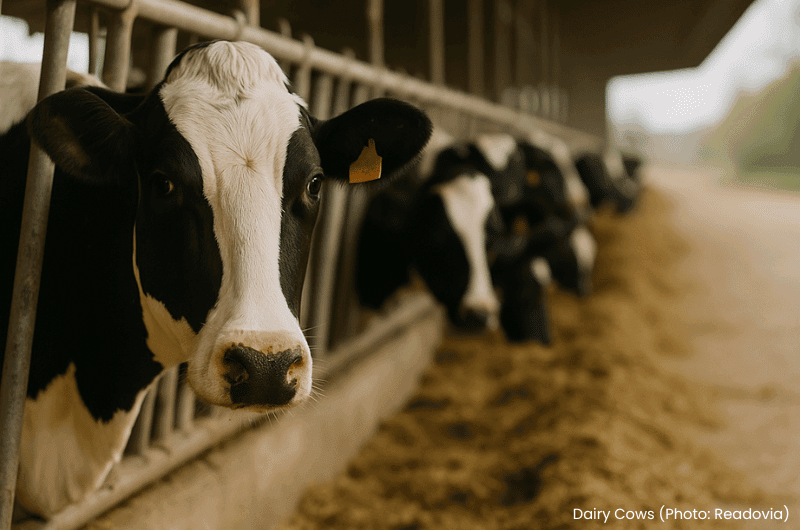
(Updated April 17, 2025) CDC warns of bird flu cases in dairy cows: what you need to know A new alert from the Centers for Disease Control and Prevention (CDC) has spotlighted an unexpected twist in this year’s flu season: bird flu cases in American dairy cows. A multistate outbreak of bird flu in dairy cows was first reported on March 25, 2024, marking the first time that the bird flu virus has been found in cows. Yes, you read that right. Cows. The virus in question, H5N1, is typically associated with avian populations. But recently, several U.S. dairy herds have tested positive for the virus, raising new questions about animal-to-animal transmission and, potentially, human exposure. So far, 17 states have confirmed outbreaks, and 1021 dairy herds have been affected. One human in Texas has been infected in connection to these new outbreaks. But the CDC assures the public that the milk supply remains safe — thanks to pasteurization, which kills viruses like H5N1. But the agency is urging heightened monitoring and better biosecurity on farms. “This is a wake-up call for both the agriculture and public health sectors,” said Dr. Linda Frederick, a CDC spokesperson. “Cross-species transmission is always a red flag, especially when it involves animals central to our food system.” The cases were first reported in Texas and have since popped up in other states including Kansas, New Mexico, and Idaho. The USDA has begun testing additional herds and is urging farmers to report any unusual symptoms or sudden drops in milk production. Why Now? Experts suspect that wild birds might have introduced the virus to cows via contaminated feed or water. While bird flu in cattle is rare, it’s not entirely unprecedented. However, this cluster is larger and more geographically spread than ever recorded before in the U.S. What About Milk? The FDA has reassured consumers that commercially sold milk is safe. All milk sold across state lines is required to be pasteurized, which effectively eliminates H5N1. That said, the agency is advising against raw milk consumption, which has long carried other health risks. “We’re seeing a lot of misinformation online,” said food safety analyst Jenna Ruiz. “This is not a crisis, but it is something to watch.” Next Steps While this outbreak may not immediately threaten human health, the CDC and USDA are coordinating with state-level agricultural departments to strengthen surveillance. Farms in affected regions may see increased inspections and temporary movement restrictions. “We can’t afford to be reactive anymore,” said Dr. Frederick. “The health of our animals, and our people, are too intertwined.” Readovia will continue to follow this story as it unfolds.
Wall Street Wobbles as Trade Tensions and Tariff Turmoil Rattle Markets

On April 15, 2025, U.S. financial markets experienced modest gains, navigating a complex landscape of trade uncertainties and corporate earnings reports. Tariff Relief Offers Temporary Respite Investors found some solace as President Donald Trump announced temporary exemptions for smartphones and computers from new tariffs on Chinese imports. This move provided a brief uplift to tech stocks, with the S&P 500 rising by 0.8% on Monday. However, the broader market remains volatile due to ongoing trade disputes and new tariff investigations targeting pharmaceuticals and semiconductors. Financial Sector Shows Strength Major banks reported strong first-quarter earnings, buoyed by increased trading revenues amid market volatility. Citigroup’s profits surged 21% to $4.1 billion, while Bank of America saw an 11% increase to $7.4 billion. These gains were driven by heightened trading activity as investors adjusted portfolios in response to tariff-related market fluctuations. Boeing Faces Headwinds Boeing shares declined by 1% following reports that China halted new jet purchases amid escalating trade tensions. This development underscores the vulnerability of multinational corporations to geopolitical disputes and shifting trade policies. Market Outlook Remains Cautious Despite temporary relief from certain tariffs, the market’s overall sentiment remains cautious. Investors are closely monitoring the Federal Reserve’s stance on interest rates, with recent comments suggesting a hold on rate hikes due to the transitory nature of inflationary effects from tariffs. As the economic landscape continues to evolve, market participants are advised to stay informed and exercise prudence in their investment strategies.
“Jeans in the Gym?” How Denim Is Becoming the New Powerlifting Uniform

By Readovia Fitness Desk In a surprising twist, gym-goers are swapping their stretchy leggings and moisture-wicking shorts for something decidedly less flexible: denim jeans. Once deemed impractical for workouts due to their rigidity and lack of breathability, jeans are making a comeback in the fitness world, particularly among powerlifters and strength athletes. This unconventional trend has gained momentum on social media, with influencers and fitness enthusiasts showcasing their denim-clad lifting sessions. The appeal lies in the jeans’ durability and the added resistance they provide during heavy lifts, offering a unique challenge to muscle engagement. Some athletes argue that the restrictive nature of denim forces them to focus more on form and technique, potentially leading to improved performance. However, experts caution that while jeans may offer some benefits in specific training contexts, they are not suitable for all types of exercise. The lack of flexibility can increase the risk of injury during dynamic movements, and the non-breathable fabric may lead to discomfort or overheating. As this trend continues to evolve, it’s clear that the line between fashion and function in fitness is becoming increasingly blurred. Whether this denim movement will remain a niche interest or become a mainstream phenomenon remains to be seen, but for now, it’s certainly turning heads in the gym.
Musk Built the Future — Now He’s Driving It Off a Cliff

Elon Musk has never been one to shy away from controversy. For years, his brash persona, unapologetic tweets, and larger-than-life ambitions made him a darling of Silicon Valley and a disruptor to watch. But as 2025 unfolds, America seems to be asking a new question: What happens when the showman starts to lose the audience? According to Tesla’s most recent earnings report, sales have slumped significantly in Q1 — down nearly 9% globally, with the U.S. market showing the sharpest drop. While rising competition and softening EV demand play a part, there’s a growing conversation that Musk’s personal actions may be dimming the once-blinding glow of Tesla’s star. And some are wondering — is this just about business, or is Musk’s influence eroding something deeper in the American landscape? A Billionaire’s Shadow Over Public Service In recent months, Musk has been in the spotlight not for innovation, but for what critics are calling a war against public institutions. From mocking regulators to willy-nilly efforts to shrink or undermind the IRS and other government agencies — Musk’s behavior has painted a picture of a billionaire increasingly at odds with the systems that hold society together. Some reports have even suggested that cost-cutting moves at the IRS, including a 38% loss in staff in a key audit unit, may have disproportionately benefited ultra-wealthy figures like Musk, who are known for complex tax strategies and wealth shielding. Public trust is fickle. And when people start connecting dots between billionaire favoritism, weakened government protections, and rising income inequality, it’s hard not to see a pattern — or a problem. Tesla’s Drop May Be More Than Market Forces Sure, the EV market is changing. Cheaper alternatives from overseas are flooding the market. Charging infrastructure debates rage on. But let’s not ignore the cultural side of the equation: people don’t just buy products, they buy into people. And for many Americans, Elon Musk is becoming a harder sell. Critics argue that Tesla is no longer seen as the underdog challenger to Big Auto — it is Big Auto now. And Musk’s detachment from everyday struggles, his flirtation with political extremism, and his tendency to dismiss criticism with a meme or a jab? That’s starting to wear thin. Tesla sales aren’t just down — they’re down in the U.S., among the very demographic that once championed sustainability, technology, and rebellion against fossil fuel giants. Could this be a signal that Musk’s personal brand is hurting the company he helped build? The Bigger Picture: What Does This Say About Us? Whether you love him or loathe him, Elon Musk has always been a mirror. He reflects where we are as a culture — our fascination with wealth, power, disruption, and ego. But as 2025 moves forward, that reflection is getting harder to look at without flinching. So here’s the real question: Are Americans finally drawing the line between admiration and accountability? What do you think? The Author
Is the Rise of AI Deepfakes Eroding Trust in Reality?

In an era where technology evolves at breakneck speed, AI-generated deepfakes have emerged as a double-edged sword. While they showcase the incredible capabilities of artificial intelligence, they also blur the lines between reality and fabrication. From convincingly altered videos of public figures to synthetic voices mimicking real individuals, the proliferation of deepfakes poses a pressing question: Can we still trust what we see and hear? As these digital forgeries become more sophisticated, concerns grow about their potential misuse in politics, media, and personal relationships. The implications are vast—undermining public trust, spreading misinformation, and challenging the very notion of objective truth. So, what do you think?
Governor Josh Shapiro and Family Flee Mansion After Suspected Arson Attack — Suspect Arrested

In a shocking breach of security at the heart of Pennsylvania’s leadership, Governor Josh Shapiro and his family were forced to flee the Governor’s Residence in Harrisburg after a fire — now believed to be arson — broke out early Monday morning. Authorities have arrested a 42-year-old man in connection with the blaze. The suspect, identified as Brandon Breon, was apprehended shortly after the fire was extinguished. While no one was harmed, the incident raises urgent questions about safety, intent, and the thin line between protest and violence. Smoke, Flames, and a Quick Evacuation The fire ignited just before 2 a.m. near the perimeter of the state-owned mansion where Shapiro lives with his wife and children. Sources say smoke was visible from several blocks away. Thanks to quick-thinking security officers and a fast emergency response, the Shapiro family was evacuated without injury. Officials later confirmed that the suspect was already under investigation for unrelated offenses when he allegedly set the fire using a gasoline-based accelerant. A Wake-Up Call for Political Security “This wasn’t just a fire,” one state official said under condition of anonymity. “It was an attack — plain and simple. Someone tried to send a message, and we need to understand exactly what that message was.” Governor Shapiro, who has built a reputation as a hands-on leader unafraid to take political heat, briefly addressed the public hours after the incident. While he didn’t name the suspect, he made it clear that Pennsylvania won’t be bullied or rattled. “You can’t scare us into silence. We’re focused on doing our jobs and serving the people — and that’s exactly what we’ll keep doing,” Shapiro said. What Motivated the Attack? The motive behind the alleged arson remains unclear, though investigators are digging into Breon’s background and digital footprint. Some early reports suggest he may have had previous run-ins with law enforcement and had voiced anti-government sentiments online. For now, state police are treating the incident as a targeted attack, but not part of a broader conspiracy. Officials have stepped up patrols around the mansion and other government buildings as a precaution. Political Climate Adds Fuel to the Fire This attempted arson comes at a time when public officials across the country are facing increased threats. From school board meetings to state capitals, tensions are high — and social media often turns grievances into gasoline. While Pennsylvania recovers from the physical damage, the emotional impact lingers. If a sitting governor’s home can be targeted, many ask — what’s next?
Ulta Hits the Brakes on Target Store Expansion — Here’s What’s Really Going On

After a fast-paced rollout that brought Ulta Beauty to more than 600 Target locations across the U.S., the beauty giant is putting a pause on opening any new in-store shops — at least for now. Instead of chasing more square footage, Ulta says it’s going back to the drawing board to strengthen what’s already in place. Translation? The focus is shifting to boosting performance, refining customer experience, and making each location count. Why the Slowdown Matters This isn’t just a pause — it’s a pivot. In an era where brick-and-mortar retail is being redefined by smarter tech and evolving customer habits, Ulta’s move signals a shift in strategy: quality over quantity. With competitors like Sephora ramping up their own shop-in-shop experiences (hello, Kohl’s), it’s clear the beauty wars are still on — just playing out differently. For Ulta, the slowdown gives them time to analyze what’s working and what’s not in their partnership with Target, while avoiding overextending at a time when efficiency and experience matter more than ever. Zooming Out: The Bigger Retail Picture Retail experts see this as part of a larger trend. After several years of aggressive expansion across sectors, brands are being forced to fine-tune — tightening operations, improving margins, and doubling down on locations that actually drive results. In other words, this isn’t a retreat. It’s a recalibration. And in today’s hyper-competitive beauty space, slowing down might be the smartest power move of all. The Author
IRS Job Cuts Hit Billionaire Audit Unit Hard — And That Might Be the Real Story

In a move that’s raised more than a few eyebrows, the IRS has slashed nearly 40% of the staff in its elite audit unit — the very team responsible for scrutinizing billionaires and large corporations. Since January, dozens of employees from the Global High Wealth group have been let go, and that timing is raising serious questions. At the center of this shake-up? Elon Musk — not just the world’s richest man, but now also the face of federal cost-cutting as head of the Department of Government Efficiency (DOGE), a new agency born under the Trump administration. Lose the Auditors, and We’ll Be OK The Global High Wealth unit exists for one reason: to audit the ultra-rich. These are complex cases involving offshore accounts, trusts, and corporate shells — exactly the kind of financial maneuvering that allows billionaires to pay shockingly low tax rates. Cutting this team nearly in half doesn’t just weaken oversight — it guts it. According to multiple reports, critical cases have stalled or disappeared altogether. Former IRS insiders are warning: This benefits one group and one group only — the ultra-wealthy. A Musk Mission? Musk’s DOGE has been behind massive federal layoffs, with the IRS taking the hardest hit. Roughly 20,000 workers — about a quarter of the agency — have been laid off, including 75% of the IRS Office of Civil Rights and Compliance. The official line is “efficiency,” but let’s be real: fewer auditors mean fewer audits. And who gains most when the tax cops are off the beat? Not everyday workers. Not small business owners. The winners here are billionaires and megacorporations. A Plan to Centralize (and Monetize?) Tax Data As if mass layoffs weren’t enough, DOGE is pushing a controversial plan to centralize IRS data through a new “mega API.” A federal hackathon is in the works to open up access to taxpayer records — a move that critics say could risk data privacy and open the door to tech contractors like Palantir. Imagine a world where your tax information is more accessible to private firms than it is to watchdogs. That’s the world we’re stepping into. Legal Backlash & Bipartisan Warnings These moves haven’t gone unchallenged. A federal judge has already ordered some fired employees to be reinstated. And former IRS commissioners — both Democratic and Republican — are sounding the alarm: Gutting the IRS’s investigative power risks shifting the tax burden onto working Americans while letting the ultra-rich off the hook. So What’s the Real Story? While it’s easy to frame this as a battle over bureaucracy, the truth might be simpler: Firing the IRS staff best equipped to go after billionaires makes life easier for billionaires. And it’s happening under the leadership of one of the richest men alive. That’s not just a cost-cutting measure. That’s a power shift.
The No-Click Search Result and Its Implications for Users and Marketers

As you have probably noticed, Google’s search engine has evolved to provide users with immediate answers directly on the search results page, minimizing the need to click through to external websites. This phenomenon, known as “zero-click searches,” has significant implications for both users and digital marketers. Let’s dive into this trending topic, shall we? What Are Zero-Click Searches? A zero-click search occurs when a user receives the information they seek directly from Google’s search results without visiting any websites. This happens when Google displays answers at the top of the page, such as featured snippets, direct answer boxes, or knowledge panels. For example, searching “how many kilometers in 1 mile” yields an immediate answer without the need to click on a link. The Rise of Zero-Click Searches Recent studies highlight the growing prevalence of zero-click searches. In 2024, approximately 58.5% of searches in the United States and 59.7% in the European Union ended without a click to other content. This trend indicates that more than half of searches result in users obtaining the desired information directly from Google’s search page. Types of Zero-Click Search Results Zero-click search results come in various forms: Featured Snippets: Highlighted excerpts that provide concise answers to user queries. Direct Answer Boxes: Boxes displaying straightforward answers without additional links. Knowledge Panels: Information boxes summarizing key details about a topic, such as images, descriptions, and related links. Implications for Users For users, zero-click searches offer convenience by delivering quick answers without the need to navigate multiple pages. However, this convenience can also limit exposure to diverse perspectives and in-depth information available on external websites. Implications for Marketers For digital marketers and website owners, the rise of zero-click searches presents challenges: Reduced Website Traffic: As users find answers directly on the search page, fewer click through to external websites, potentially decreasing website traffic. SEO Strategies: Traditional SEO tactics may need adjustment to account for the prominence of zero-click results. Focusing on optimizing content for featured snippets and other direct-answer formats can increase visibility. Content Optimization: Creating concise, informative content that aligns with Google’s zero-click formats can enhance the likelihood of being featured directly in search results. Google’s implementation of zero-click searches reflects its commitment to enhancing user experience by providing immediate answers. However, this shift necessitates adaptation from both users and marketers to navigate the evolving search landscape effectively. Users benefit from quick information access, while marketers must innovate to maintain visibility and engagement in an environment where clicks are not always the end goal.
Managing Money in 2025

Managing money can feel overwhelming, especially with all the changes happening in the economy and the financial world. But 2025 brings some fresh insights and strategies to help you stay on top of your finances. Here are some tips for making the most of this year and ensuring your financial health is in check. 1. The Rise of Digital Wallets and Cryptocurrencies The way we pay for things is changing, and digital wallets are becoming the go-to for more and more people. Digital Wallets: Apps like Apple Pay, Google Wallet, and Venmo are seeing huge growth. They’re convenient, secure, and making it easier to manage payments, savings, and even investments all from one place. Cryptocurrency: Whether or not you’ve jumped into the crypto world, 2025 could be the year to start paying attention. Bitcoin and Ethereum are stabilizing, and more companies are accepting them as payment. But, as always, it’s important to do your research before diving in. 2. Inflation and Its Impact on Your Budget Inflation isn’t going anywhere in 2025, and it can have a big impact on your budget. The price of everything from groceries to gas is higher, but there are ways to manage. Budgeting Tools: Use apps like Mint or YNAB (You Need a Budget) to track your spending and adjust where needed. Cutting back on impulse buys and being strategic with your money can help combat rising prices. Smart Shopping: Look for deals, use coupons, and take advantage of loyalty programs. Every little bit helps, and staying mindful of how much you spend can save you big in the long run. 3. More People Are Focusing on Financial Wellness Just like physical health, financial health is crucial. In 2025, more people are focusing on improving their financial wellness, and it’s not just about saving money—it’s about creating a balanced approach to money management. Financial Planning: Whether it’s setting up an emergency fund, saving for retirement, or simply making sure you have enough to cover your monthly expenses, planning ahead is key. Financial Coaching: More people are seeking out financial coaches to help with budgeting, debt management, and long-term planning. If you haven’t already, consider reaching out to a professional for advice tailored to your situation. 4. Rising Interest Rates and How They Affect You Interest rates are on the rise, and that means the cost of borrowing money is going up. Whether you’re looking to buy a house, take out a loan, or refinance, it’s important to understand how this impacts your finances. Mortgage Rates: Higher rates mean higher monthly payments on mortgages, so if you’re looking to buy a house, it might be worth considering locking in a rate now before they go higher. Credit Card Debt: If you carry credit card debt, rising interest rates could mean you’re paying more over time. Paying off high-interest balances faster can save you money in the long run. 5. The Gig Economy Is Changing the Game With more people turning to side hustles and freelance work, managing money in 2025 means understanding the gig economy. Managing Irregular Income: If you have a freelance or gig job, budgeting for income that’s not guaranteed each month can be tricky. Having a good savings cushion and using budgeting apps can help you plan for those lean months. Taxes for Gig Workers: With more people working for platforms like Uber, Etsy, or Instacart, understanding your tax obligations is more important than ever. Be sure to track your income, set aside money for taxes, and consider working with an accountant to avoid surprises. 6. Sustainable Investing Is Growing People are becoming more conscious of where their money goes, and sustainable investing is one way to make sure your dollars align with your values. ESG Investing: Environmental, social, and governance (ESG) investing is on the rise. More companies are focused on sustainability, and investors are looking for opportunities to put their money into businesses that align with their principles. Green Bonds & Funds: If you’re interested in sustainable investing, consider green bonds or funds that focus on eco-friendly companies or renewable energy projects. It’s a smart way to grow your wealth while making a positive impact. 7. Financial Education Is Key to Success More than ever, people are realizing the importance of understanding their finances. 2025 is the year to get financially literate. Take a Class: Many platforms now offer free or affordable financial literacy classes. Whether it’s learning about budgeting, investing, or debt management, getting educated about money can pay off big time in the future. Read Up: There are tons of books, podcasts, and articles that offer expert advice on managing your money. Stay informed so you can make better decisions and feel confident in your financial future. Managing your money in 2025 doesn’t have to be stressful. With the right tools, knowledge, and a little planning, you can stay on top of your finances and even set yourself up for long-term financial success. Whether you’re tackling debt, saving for the future, or just trying to stay ahead of inflation, small steps can make a big difference.