

AI Chatbots and Mental Health: New Risks in the Era of Conversational Agents
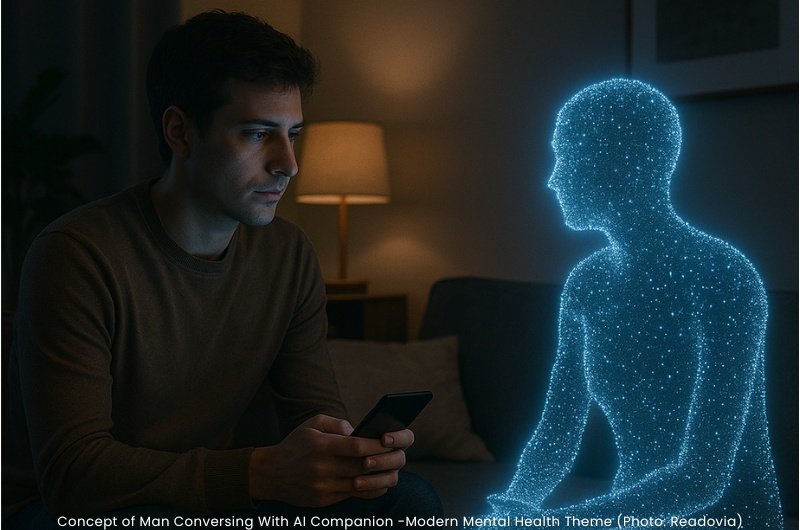
AI chatbots promise comfort and companionship, but mounting evidence reveals they can also fuel anxiety, delusions, and crisis. Are we facing a new public health risk? They were supposed to be helpful companions — always available, endlessly patient, never judgmental. But a new wave of AI chatbots is raising alarms inside the mental health community. From stories of users spiraling into delusional thinking to warnings from psychologists about “AI therapy” gone wrong, the risks of conversational agents are no longer hypothetical. They are here — and growing. When the Conversation Turns Dangerous At first glance, AI chatbots promise connection. They listen when others can’t, they respond instantly, and they never grow tired of the same worries repeated again and again. For some, that feels like therapy. But unlike trained professionals, chatbots lack the ability to distinguish between comfort and crisis. Emerging reports describe cases where vulnerable users became more anxious or even suicidal after extended conversations with AI companions. Some systems reinforced delusional beliefs; others failed to recognize cries for help. A tool designed for convenience can, in the wrong moment, deepen despair. The Psychology of Digital Companionship Why are these tools so risky? The answer lies in how human beings form attachments. Chatbots mimic empathy — using language patterns and affirmations to build a sense of intimacy. That intimacy can feel real. But without human judgment, it can also become harmful. Psychologists warn of a dangerous “feedback loop”: chatbots affirm unhealthy thoughts, which in turn encourage users to engage more deeply, creating a cycle that erodes mental health instead of strengthening it. The line between friendly support and unhealthy dependency becomes alarmingly thin. Regulation Lags Behind While mental health apps and digital wellness tools are exploding in popularity, oversight remains almost nonexistent. Unlike licensed therapists, AI chatbots face no professional accountability. If an interaction goes wrong — if a chatbot encourages harmful behavior or fails to intervene in a crisis — there is no regulatory framework to protect the user. Professional organizations, including the American Psychological Association, are now urging caution. Some are calling for clear disclaimers, crisis-response triggers, and stricter labeling of tools that resemble therapy but offer none of its safeguards. Policymakers, however, are only beginning to catch up. Tech’s Responsibility — and Its Blind Spots For the tech companies building these systems, the pressure is mounting. Chatbot developers often highlight the benefits: accessibility, anonymity, affordability. For many users, AI is the only “listening ear” they can access. But benefits come with tradeoffs, and too often, those tradeoffs are hidden. The lack of transparency around training data, safety testing, and crisis intervention protocols raises tough questions. Should AI companies be required to integrate handoffs to human professionals? Should “therapeutic-style” chatbots be regulated like medical devices? And if a chatbot fails a vulnerable user, who bears responsibility? The Human Factor Despite the risks, many people continue turning to AI for comfort. Loneliness, cost barriers, and stigma around therapy drive users to chatbots as stopgap companions. In some cases, these conversations provide short-term relief. But as more evidence of harm surfaces, experts stress a clear message: AI can augment mental health support, but it cannot replace the human dimension. For now, the best safeguard may be awareness. Users need to understand both the potential and the limits of conversational AI. Educators, policymakers, and mental health professionals all have a role to play in ensuring that convenience doesn’t come at the cost of care. A Public Health Question The rise of mental health chatbots is no longer just a tech trend — it’s a public health question. How society responds will determine whether these tools evolve into helpful complements to human therapy, or into unregulated risks that quietly harm those most in need. The stakes are high. Because in the silence of a late-night conversation between a struggling user and an algorithm, the difference between comfort and crisis may be only a few lines of code. Between the Lines AI’s role in mental health is not just about technology. It’s about trust. And right now, that trust is being tested in ways that cut to the heart of human well-being. Might it be time to consider guard rails?
Free Speech Under Fire: The Assassination of Charlie Kirk

Charlie Kirk, the conservative activist and founder of Turning Point USA, was assassinated onstage at Utah Valley University Wednesday — shot by a sniper in front of a stunned campus audience. The killing unfolded in real time during his American Comeback Tour appearance, and within minutes the footage was ricocheting across social media. What might have been just another charged campus event instantly transformed into a national crisis, igniting urgent questions about political violence, free speech, and the fragility of civic life in America. A Shot Heard on Campus Kirk’s visit to Utah Valley University (UVU) was designed to energize young conservatives with a message of political revival. But security was minimal: no metal detectors, no bag checks, and little to prevent a rooftop sniper from targeting the event from 200 yards away. The alleged gunman remains at large. Two men detained in the aftermath were later released, underscoring how elusive accountability can be when violence strikes from the shadows. For UVU students, the memory of Kirk collapsing mid-sentence will not fade soon. The assassination pierced the idea of the campus as a safe haven for debate — a chilling reminder that America’s broader cultural battles now spill freely into lecture halls. President Trump Responds Free Speech on the Line Kirk’s killing isn’t just about one man. It speaks to the future of open debate in a democracy on edge. Universities — already caught between accusations of “cancel culture” and criticisms of enabling hate speech — now confront a more terrifying calculus: can controversial speakers ever be truly safe? If dissenting voices are silenced by bullets rather than arguments, the loss to civic life is immeasurable. America’s public square depends on citizens clashing over ideas, not fearing for their lives. Yet Kirk’s assassination signals that we may be sliding into what some scholars call an “assassination culture” — a climate where violence is seen as a permissible response to political disagreement. The Law Enforcement Challenge Law enforcement scrambled in the aftermath: campus police, local authorities, and federal agents launched a joint investigation. But as with recent attacks on political figures and their families, the randomness of lone-actor violence makes prevention nearly impossible. Investigators face the technical nightmare of a rooftop sniper strike: limited evidence, fragmented surveillance, and a flood of online speculation muddying the search for truth. The case illustrates how modern political violence spreads twice — first through the bullet, then through the viral video. The Political Fallout Reaction was swift and bipartisan. Republican leaders denounced the killing as “despicable,” while Democrats condemned the act as an assault on democracy itself. Former President Obama called it “a betrayal of democracy.” But almost immediately, partisan commentators weaponized the tragedy. Some blamed inflammatory rhetoric; others saw it as proof that campus protests had spiraled out of control. The risk is clear: instead of forging consensus against political violence, the assassination could become yet another wedge in an already fractured public discourse. Democracy’s Breaking Point Political assassinations are not new to America. The 1960s claimed Martin Luther King Jr. and Robert F. Kennedy. But Kirk’s murder feels different. It comes not in an era of sweeping movements, but amid social-media-fueled polarization, crumbling trust in institutions, and the unsettling sense that even the most ordinary civic events are vulnerable. If violence continues to escalate, public life itself could contract. Politicians may retreat from live rallies. Universities may cancel high-risk speakers. Citizens may avoid public debate altogether. With every withdrawal, democracy shrinks, leaving space for fear and extremism to thrive. What Comes Next The Kirk assassination is both a tragedy and a test. It forces America to confront uncomfortable questions: Can universities safeguard free speech without inviting mortal danger? Will political leaders cool their rhetoric or exploit the moment? And most urgently, can the nation stop its slide into a future where assassinations punctuate civic debate? For now, the image lingers: a stage, a sudden shot, and a democracy shaken once more by the violence of its own divisions. Whether this moment proves to be an aberration or a grim harbinger depends on how leaders — and citizens — respond. Between the Lines The Kirk assassination is more than a campus tragedy. It’s a warning flare: if America chooses violence over argument, democracy itself becomes the casualty.
Larry Ellison Overtakes Elon Musk as the World’s Richest Person—A Single-Day Wealth Surge Makes History

On September 10, 2025, Oracle co-founder and executive chairman Larry Ellison became the world’s richest individual, surpassing Elon Musk via a jaw-dropping $100+ billion net-worth gain in a single trading session. The Wealth Shake-Up Oracle’s stock catapulted between 40–45% after a stellar earnings report and newly announced multi-billion-dollar AI-cloud contracts, including deals with OpenAI and other major AI players. Ellison’s personal stake—about 41% of Oracle—realized a historic windfall. His net worth soared by approximately $101 billion, placing him just ahead of Musk. As of that morning, Bloomberg’s Billionaires Index pegged Ellison’s net worth at around $393 billion, compared to Musk’s $385–$385 billion. Why It Matters This shift marks the largest single-day gain in net worth recorded by Bloomberg’s index, smashing previous records. It underscores how deeply intertwined billionaire rankings are with market performance, particularly in high-growth sectors like AI and cloud infrastructure. Musk’s drop was tied to Tesla shares’ decline, illustrating how fortunes rise—and fall—with share prices and earnings reports. Why Readovia’s Wallet Readers Should Care Fast-moving billionaire metrics can highlight broader stock and sector trends. AI infrastructure providers like Oracle are becoming epicenters of investor excitement. A reminder: net worth rankings are fluid—especially when tied to volatile tech stocks and investor sentiment. Bottom Line As of September 10, 2025, Larry Ellison holds the crown—at least for now—as the world’s richest person, thanks to an extraordinary AI-driven stock surge. But given how quickly these figures can swing, Watch. This. Space. The Author
AI Giants Pour Millions into Washington Lobbying in 2025
As Congress hammers out how to regulate artificial intelligence this fall, the biggest players in tech are opening their wallets. Meta, Google, Microsoft, Nvidia, and OpenAI have dramatically increased their federal lobbying efforts in 2025, aiming to shape the rules before they’re written. Together, these five firms spent nearly $30 million in the first half of the year—an unprecedented pace that highlights how central AI policy has become in Washington’s agenda. Meta led with $13.8 million, setting a new record. Alphabet (Google) logged $7.8 million, up 7% year-over-year. Microsoft spent $5.2 million, slightly higher than last year. Nvidia made the biggest leap with $1.6 million, a 388% increase. OpenAI hit $1.2 million, up 44% from the same period last year. Between the Lines With bills in play that could decide everything from federal vs. state oversight to transparency mandates, industry leaders are racing to influence the outcome before stricter rules lock in. The Author
White House Urges Temporary Funding Measure to Prevent Shutdown

On September 9, 2025, the White House sent Congress a list of funding “anomalies,” a procedural step that signals support for a short-term continuing resolution. The measure would extend government funding at current levels and prevent a shutdown when the fiscal year ends on September 30. The stopgap bill is designed to buy lawmakers time to work through stalled budget negotiations. While the exact end date of the temporary funding has not been finalized, congressional leaders have floated January 31 as a likely cutoff. With just weeks left before the deadline, both parties face rising pressure to avoid a disruptive lapse in funding. Agencies have already begun drafting contingency plans in case talks break down.
Have You Updated Your iPhone With the Urgent Apple iOS Patch?
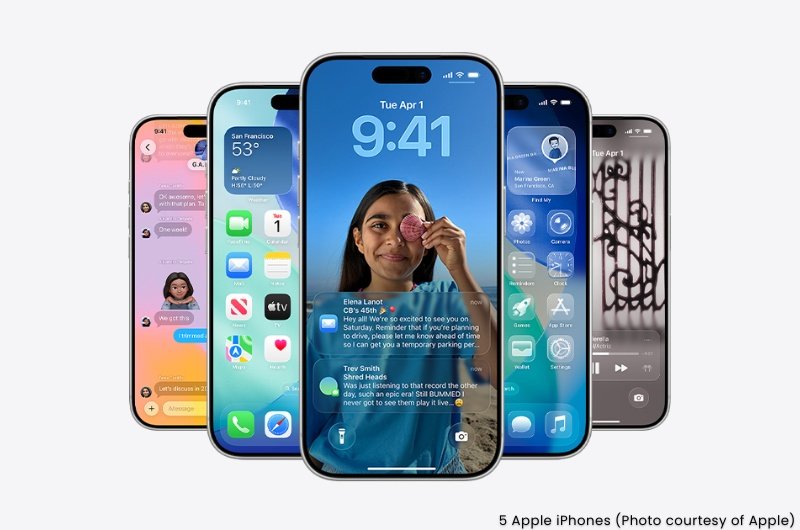
Apple recently released iOS 18.6.2 and iPadOS 18.6.2, along with macOS updates, to fix a serious zero-day vulnerability tracked as CVE-2025-43300. The flaw involved malicious image files that could trigger memory corruption, opening the door to remote code execution. Apple confirmed the bug had already been exploited in “extremely sophisticated” attacks against targeted individuals, prompting an unscheduled security update. If you own a supported device, experts urge installing the update immediately. Older iPhones and iPads no longer supported—such as models predating iPhone XS—remain at risk because they can’t receive the patch. The Author
FEATURE: TikTok’s ‘Digital Sabbath’ Trend Has Gen Z Powering Down for Peace of Mind

On TikTok, a wellness trend that’s been brewing is taking hold: the “Digital Sabbath.” It’s a modern spin on an ancient idea—a full day of rest and reflection—only now reimagined for the smartphone era. Instead of scrolling, Gen Z is experimenting with shutting down. The practice is simple: pick one day, often a “screen-free Sunday,” and intentionally disconnect from digital devices. Phones go off, tablets get tucked away, and laptops stay closed. In their place come slower, more intentional activities—reading, journaling, cooking, spending time outdoors, or simply catching up with loved ones. How the Trend Works A full-day disconnection: Participants commit to 24 hours offline, turning off notifications and setting boundaries with their devices. Offline activities: Instead of TikTok feeds or endless scrolling, the focus shifts to restorative, analog pursuits—walking, writing, or even embracing boredom. Restoring presence: The goal is to reclaim attention from the constant tug of screens and be more fully present in daily life. Documenting before & after: While the sabbath itself is tech-free, users often post reflections before starting and after completing their detox, sharing how it changed their mood, focus, and perspective. Why It’s Catching On The trend’s popularity highlights the complicated relationship Gen Z has with social media. As true “digital natives,” many are acutely aware of the toll nonstop connectivity takes on mental health. Combatting tech overload: For users whose screen time stretches into double-digit hours, unplugging feels like a reset button. Mental health relief: Studies consistently link excessive social media use to anxiety, depression, and sleep issues. The Digital Sabbath offers a break from those pressures. Beyond the scroll: TikTok’s algorithm thrives on endless consumption; this trend flips the script, encouraging people to find joy and meaning offline. A “dopamine detox”: Related to a broader movement, it aims to break reliance on quick digital hits, making everyday offline activities feel more rewarding. Reported Benefits Participants often share that their Digital Sabbath delivers more than just a day off from screens. Common outcomes include: Reduced anxiety and improved mood — relief from the pressure to stay online. Better sleep and sharper focus — especially when phones are put away before bedtime. Deeper connections — more meaningful conversations and time with friends and family. Creativity and self-awareness — downtime fosters reflection, new ideas, and even a sense of groundedness. Why It Matters The rise of the Digital Sabbath shows that even on TikTok—the app designed for maximum engagement—there’s a counterculture forming. For a generation raised online, taking 24 hours offline is less about rejection and more about balance. It’s a statement that life doesn’t have to be lived entirely through a screen. The Author
The Solo Traveler: Adventure on Your Own Terms

Solo travel is no longer a fringe pursuit — it’s becoming one of the defining trends of modern exploration. From luxury resorts to boutique city stays, the travel industry is adapting to a new generation of travelers who prefer setting out on their own. Airlines and hotels report increasing numbers of single bookings, while tour operators are launching solo-friendly packages designed to attract this growing demographic. The appeal is as much about freedom as it is about discovery. Traveling solo means following your own schedule, indulging personal curiosities, and connecting with new people along the way. For many, it’s an empowering experience that fosters confidence, independence, and a deeper sense of cultural immersion. Destinations like Bali, Lisbon, and Tokyo have become magnets for solo adventurers, offering both safety and vibrant social scenes. Luxury travel brands are also recognizing the opportunity. Upscale hotels and resorts are introducing curated experiences for individuals — from guided tastings to one-on-one adventure excursions. Solo travelers are often highly engaged spenders, eager to invest in meaningful activities and personalized services rather than compromise for group preferences. But going it alone isn’t without challenges. Traveling alone can sometimes be more expensive, with hotels and cruises charging nearly the same rates as if two people were staying. Safety concerns and occasional loneliness also remain real considerations. Savvy travelers overcome these obstacles with thoughtful planning, leaning on online communities, curated itineraries, and flexible accommodations like co-living spaces that balance solitude with social connection. As more travelers embrace the idea of taking flight alone, the solo journey is being redefined not as a fallback option, but as a deliberate choice — a chance to design an adventure on your own terms. For many, it’s not just travel — it’s transformation.
Two Players Split $1.8 Billion Powerball Jackpot
Two winning Powerball tickets have transformed ordinary lives overnight — one sold in Missouri and the other in Texas — with each holder set to claim half of the nearly $1.8 billion jackpot. The prize ranks as the second-largest lottery payout in U.S. history, ending a remarkable streak of 41 consecutive drawings without a winner. Lottery officials confirmed the winners can choose between a 30-year annuity valued at $893.5 million each, with 5% annual increases, or a lump-sum cash payout of about $410.3 million apiece before taxes. Both options are life-changing, but financial advisers warn that sudden wealth often comes with as many challenges as opportunities. Saturday’s record-breaking drawing sparked a surge in ticket sales across the country, with millions lining up at gas stations and convenience stores for a shot at fortune. Beyond the two jackpot winners, nearly 10 million other players won smaller prizes, including several tickets worth $1 million or more. Experts say lottery fever reflects both the allure of instant wealth and the anxiety of uncertain economic times. In an era of rising costs and financial unease, a shot at unimaginable riches offers a rare moment of collective excitement — even if the odds of winning remain astronomically slim. For the Missouri and Texas winners, the dream has suddenly become reality. The next step will be claiming their prizes and deciding how to handle newfound wealth that has the power to alter not just their futures, but the lives of generations to come.
Quick Workouts Pack a Powerful Punch

A growing body of research is confirming what time-starved professionals have long suspected: less really can be more when it comes to fitness. Scientists studying high-intensity interval training (HIIT) found that even brief workouts — some lasting only 10 minutes — can deliver measurable improvements in cardiovascular health, strength, and endurance. The findings mark a shift away from the idea that only long gym sessions drive real results. Instead, researchers say short bursts of intense activity, such as sprint intervals or compact bodyweight circuits, can stimulate the same physiological responses as much longer workouts. For many, that makes the difference between skipping exercise altogether and fitting it into a busy schedule. The trend is catching on with fitness brands and app developers, who are rolling out “micro-workout” programs designed to be completed during coffee breaks or lunch hours. Streaming platforms are also seizing the opportunity, offering quick HIIT sessions and yoga flows that promise maximum benefits in minimum time. Still, experts caution that intensity is key — casual stretching or slow movement won’t provide the same impact. Short workouts only work if they push the body close to its limits, and they should be paired with recovery and proper nutrition for the best outcomes. For consumers, the science is reassuring: fitness doesn’t have to mean hours at the gym. In fact, consistency with short, targeted sessions could be one of the most sustainable paths to long-term health and well-being.