

Holiday Travelers Braces for Turbulence as Post-Shutdown Ripple Effects Hit U.S. Airports

With the holiday season approaching, a surge in travel demand is colliding with lingering effects of the recent government shutdown, creating a complicated landscape for travelers and carriers alike. Airports and airlines are preparing for one of the busiest travel periods in years, but the shutdown’s ripple effects — including staffing shortages, delayed approvals and strained operations — are adding extra pressure across the system. Passengers are already noticing longer lines, limited seat availability on popular routes and higher-than-expected fares. Some airports are still working through operational bottlenecks created during the shutdown, which paused regulatory functions and slowed progress on staffing, equipment certifications and infrastructure adjustments. This year’s travel rush is also reshaping traveler behavior. Many passengers are adjusting their travel routines — departing on less-popular days, choosing alternative airports and even pairing rail or car segments with flights to avoid congestion. Flexibility is becoming the new advantage. For travelers this season, the takeaway goes beyond finding the cheapest ticket — it’s about traveling smarter. People now want practical strategies to stay ahead of disruptions, from building flexibility into their plans to knowing their options when delays or cancellations hit. The value is shifting from bargain hunting to confident, resilient planning. As airlines and airports ramp up for the holiday push, one thing is clear: being proactive and anticipating potential complications will be the difference between a chaotic journey and a smooth one. Planning for buffers, managing expectations and staying informed can help turn a high-pressure travel season into a manageable and even enjoyable experience. ——— Related: Bus and Train Bookings Surge as Air Travel Disruptions and Uncertainty Continue
Is Gray the New Black Friday?

Black Friday has long been celebrated as the biggest spending day of the year — a symbol of door-buster chaos, deep discounts and overflowing carts. But this year, a different tone is emerging. Economic uncertainty, higher prices, and cautious consumer sentiment are reshaping the holiday shopping landscape, leading many to wonder whether the frenzy is fading and a new era of measured, selective spending has arrived. Industry forecasts project that total U.S. holiday sales could exceed the $1 trillion mark for the first time. But growth estimates tell a more complex story, rising only modestly from last year and reflecting the tension between aspiration and reality. Shoppers are spending, but with far more restraint. And while analysts point to consumer resilience, many families are navigating inflation, job pressure and reduced financial confidence — and their buying behaviors are shifting accordingly. The Readovia Perspective The optimistic sales forecasts may not fully align with the economic mood on the ground. After the government shutdown and months of escalating economic stress, we question whether predictions of record-breaking consumption can hold. A holiday season built on tighter budgets and intentional decisions feels more believable than one defined by runaway spending. That shift is transforming Black Friday itself. Instead of chasing massive markdowns and impulse buys, shoppers are comparing more aggressively, delaying decisions and prioritizing purpose. Discounts are smaller, inventory moves slower and consumers are increasingly willing to walk away. The winners this year won’t be the loudest or the cheapest retailers — they’ll be the ones offering real value, trustworthy quality and clear reasons to buy. For many, Black Friday has become less about splurge-driven celebration and more about strategic planning. The new shopping strategy: buy what truly matters, not whatever flashes in a banner ad. A slower, steadier and more intentional rhythm is emerging — and in many ways, it reflects where the country stands right now. Maybe gray is the new Black Friday. We’ll be watching.
When Everyone Got Sick — I Didn’t

So often, when people get sick, they search for complex answers — supplements, powders, treatments, protocols. But sometimes, support for the body comes from the simplest habits. One of the most unexpectedly powerful wellness rituals I’ve encountered is something many people already have in their kitchen: black tea. Like most quiet, daily practices, its impact isn’t always obvious in the moment. You may not feel a dramatic difference right away. Instead, it works subtly in the background — supporting the body, reinforcing its defenses, and showing up when it’s needed most. I learned this firsthand in my late twenties. We had a guest staying with us for a weekend who became seriously ill with a fast-moving virus. Within days, nearly everyone in the house came down with it — fever, exhaustion, the works. Everyone except me. When I tried to make sense of it afterward, one small detail stood out. I had a daily habit no one else shared: a cup of black tea every afternoon. Nothing elaborate. Just hot tea with a splash of half-and-half. There’s science that helps explain why that habit may have mattered. Black tea contains polyphenols, flavonoids, antioxidants, and L-theanine — compounds associated with immune support, reduced inflammation, and cellular protection. Tea also supports gut health, which research increasingly links to immune function. It isn’t a cure-all. But as part of a consistent routine, it can help the body stay prepared. The benefits extend beyond immunity. Many people experience steadier focus, calmer energy, improved digestion, and cardiovascular support — without sugar spikes, stimulants, or expensive supplements. In a world filled with overcomplicated wellness advice, it’s easy to overlook the power of something simple and time-tested. There’s a reason tea holds such a revered place in British culture. It’s woven into daily life, not treated as a trend. Sometimes the most effective health practices aren’t dramatic. They’re consistent. They’re small. They’re daily. And if my experience taught me anything, it’s that a simple cup of black tea can quietly support resilience — strengthening the body from the inside out, one ordinary afternoon at a time.
The Age of the AI Agent Is Here — Rapidly Transforming Everyday Life

Artificial intelligence has entered a new phase — one defined not by theoretical breakthroughs, but by real, everyday usefulness. AI agents, the next generation of intelligent digital assistants, are rapidly moving from early prototypes to practical tools that manage appointments, summarize information, automate daily tasks, and serve almost as personal coordinators. Analysts say this shift marks the beginning of a new era in how people interact with technology in their homes and workplaces. Unlike traditional voice assistants, today’s AI agents can understand context, make decisions, and complete multi-step tasks without constant instructions. Early adopters are using them for everything from travel planning and budgeting to nutrition tracking, fitness routines, and real-time research. Many major U.S. companies are already experimenting with agents to streamline scheduling, reduce administrative workloads, and support customer service — unlocking productivity previously out of reach. Investors and technology leaders are betting heavily on the agent future, calling it one of the most transformative shifts since the smartphone. Billions of dollars in development are accelerating tools designed to operate independently inside apps, browsers, and home devices — and soon, across the physical world through robotics and automation. Meanwhile, regulation is beginning to catch up. Congress is currently in discussions over whether to establish a federal regulatory framework for artificial intelligence, including legislation that would govern transparency, safety standards, and whether states may continue passing their own AI laws. Some proposals would create a “sandbox” environment for AI developers to test systems under federal oversight; others are focused on curbing state legislation in favour of a unified federal approach. The outcome of these discussions will significantly influence how broadly and quickly AI-agents can be deployed. Still, rapid adoption raises new questions. Some industry experts warn that workplace transformation could reshape job structures faster than expected, particularly for roles built around coordination and repetitive tasks. Others point to concerns around data privacy, reliability and oversight — pushing for ethical frameworks and transparent standards before agents become fully embedded in society. For everyday Americans, the promise is a more organized and efficient life: less time spent on routine tasks, more time for creativity, connection and rest. Whether agents ultimately become partners or competitors in the workplace remains to be seen — but one thing is clear: the agent era has begun, and the pace of change is accelerating. Readovia analysts say this transformation is unfolding even faster than the rise of the World Wide Web, reshaping everyday life.
Oval Office Showdown: Trump and NYC Mayor-Elect Mamdani to Meet at 3 PM Today
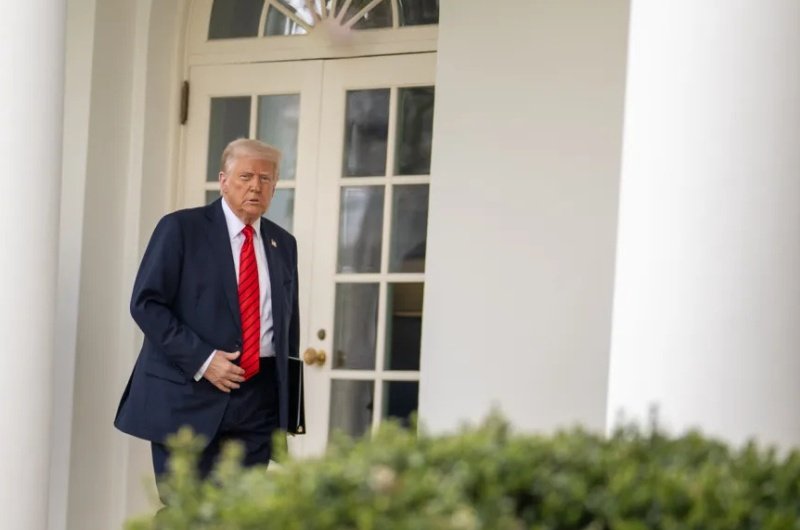
President Donald Trump will meet New York City mayor-elect Zohran Mamdani at 3:00 PM ET today in the Oval Office, a highly anticipated conversation between two political figures who have sharply opposed one another for months. The meeting marks the first face-to-face between the Republican president and the 34-year-old democratic-socialist who will take office on January 1, 2026. Mamdani requested the meeting to discuss priorities including public safety, economic security, and the affordability crisis affecting millions of New Yorkers. His incoming administration has framed the discussion as an opportunity for federal cooperation on issues that directly impact everyday families. Trump, however, has repeatedly threatened to withhold billions in federal funding from New York City and used combative public rhetoric against Mamdani, labeling him a “radical left lunatic,” a “communist,” and a “Jew hater,” claims delivered without evidence. With tensions already heightened, today’s meeting carries outsized symbolic and political weight. Mamdani’s election represents a generational and ideological pivot for New York. Born in Uganda before immigrating to the United States, he rose to prominence as a state lawmaker and progressive organizer, campaigning on aggressive plans to address soaring housing costs, freeze rents in subsidized properties, and ease the financial burden on working-class residents. The outcome of today’s 3:00 PM meeting may signal the future of federal-city relations on issues ranging from immigration enforcement to public safety budgets and fiscal transfers. What emerges from the Oval Office could set the tone ahead of the 2028 political landscape and define how much leverage large cities will wield in Washington over the next several years.
Harvard Negotiations with Washington Nearing Completion

The Trump administration’s negotiations with Harvard University are close to being finalized, according to comments from the Secretary of State this week. The announcement signals a potentially consequential turning point in a months-long dispute over federal research funding and academic governance. The discussions are part of a broader push behind what the administration calls the Compact for Academic Excellence, a proposed framework that ties access to federal funds to policy changes on free speech enforcement, campus governance, and transparency standards. Several major universities — including Brown — publicly rejected the compact earlier this year following sharp criticism from faculty, alumni and student groups. Harvard has remained engaged in negotiations, though under significant pressure from lawmakers and federal agencies. At the center of the ongoing talks is the question of funding: access to billions of dollars in federal research and program grants, which support everything from scientific innovation and medical research to financial aid initiatives. Administration officials have suggested that an agreement would require structural commitments from Harvard, potentially including reforms in admissions oversight, disciplinary transparency and protections for political and ideological expression on campus. Supporters of the compact argue that universities receiving federal dollars should demonstrate higher accountability and responsiveness to students, taxpayers and public governance standards. Critics counter that the compact blurs the line between legitimate oversight and political interference, threatening academic independence and the ability of universities to govern themselves without federal pressure. The outcome of the negotiations is expected to set an influential precedent for the relationship between elite universities and Washington. Whether Harvard accepts or rejects the compact could reshape higher-education funding models, research competitiveness and campus policy nationwide. With expectations rising and tensions escalating across academic institutions, the resolution of this deal may determine the future balance between federal authority and university autonomy.
The Re-Emergence of Phones That Do Less

A growing number of consumers are trading in feature-packed smartphones for minimalist “digital-detox” devices designed to reduce constant stimulation and reclaim focus. Instead of high-resolution displays, infinite apps, and algorithm-driven feeds, these deliberately simple phones prioritize calling, texting, and basic tools — offering an escape from the flood of notifications that define modern digital life. The appeal is rooted in fatigue. After years of screen-time overload, remote work culture, and the mental strain of life lived through apps, many users are seeking technology that supports intentional living rather than dominating it. Minimalist phones often use E-Ink displays that mimic paper, limit app availability, and remove social-media platforms entirely. For some buyers, the shift is less about abandoning technology and more about creating healthier boundaries with it. Advocates of the movement say the benefits are measurable: more face-to-face interaction, deeper concentration, better sleep, and a renewed sense of calm without the constant pull to check a screen. Some users describe minimalist devices as a way to regain control, noting that modern smartphones often function more as attention-capture machines than productivity tools. Where owning the newest high-powered phone once symbolized status, the new luxury is the freedom to step away from digital noise. The trend is not without compromise. Minimalist phones can be expensive for what they offer, often costing more than mid-range smartphones while delivering a fraction of the features. Navigation, banking, email access, and photography may still require a separate full-function device, and the shift can feel jarring for those who rely on smartphones for work or travel. For that reason, many adopters choose a hybrid lifestyle — using a minimalist phone during evenings, weekends, or intentional break periods. Whether the movement becomes mainstream or remains a niche lifestyle choice is still unclear. But as more people prioritize mental health, time sovereignty, and real-world presence, digital-detox devices are becoming a symbol of a new kind of aspiration: technology that intentionally steps out of the way. In a world wired for constant connection, the ability to disconnect — even temporarily — may be the most valuable feature of all.
Uber Partners with Starship to Launch Advanced Autonomous Delivery Robots in the UK

Uber Eats announced a new partnership with Starship Technologies this week, introducing advanced autonomous sidewalk-delivery robots that will begin operating in select UK cities starting in December. The agreement brings together Uber’s massive food-delivery network with what many analysts describe as the most mature, widely-deployed delivery-robot platform in the world — marking a shift from small-scale pilot programs to a larger commercial rollout. Starship Technologies has spent years developing and scaling ground-based delivery robots capable of navigating sidewalks and pedestrian traffic with minimal human oversight. Its compact six-wheel units have already completed millions of deliveries across hundreds of campuses, corporate sites, and city neighborhoods internationally. Built to operate at Level 4 autonomy, the robots are designed to function without direct human control within defined service areas — a capability that sets them apart from many emerging competitors still reliant on remote monitoring or assistance. Under the new partnership, Uber customers in the UK will be able to order meals as usual through the Uber Eats app and choose robot delivery where available. Once dispatched, the robot travels independently to the destination using onboard cameras, radar, sensors, and machine-learning navigation. Customers can track their robot in real time and unlock the insulated storage compartment with a secure code once it arrives at their doorstep. Early service regions include Leeds and Sheffield, with additional cities expected to follow as infrastructure and adoption expand. While Uber has already experimented with autonomous delivery partnerships in the United States, the collaboration with Starship represents a substantial technological upgrade. By leveraging a partner with a proven fleet already operating at scale, Uber positions itself at the forefront of last-mile transformation rather than simply testing emerging concepts. Industry watchers say the move could accelerate broader acceptance of robotic delivery, particularly in densely populated areas where short-distance vehicle trips contribute heavily to congestion and emissions. Looking ahead, Uber and Starship have signaled plans to expand to additional markets in Europe and eventually into the United States. Questions remain around regulatory frameworks, labor implications, weather resilience, and the pace of consumer trust — but if successful, the rollout could signal the beginning of a fundamental shift in how goods travel to homes and businesses.
Trump Signs Order Releasing Epstein Files After Years of Secrecy
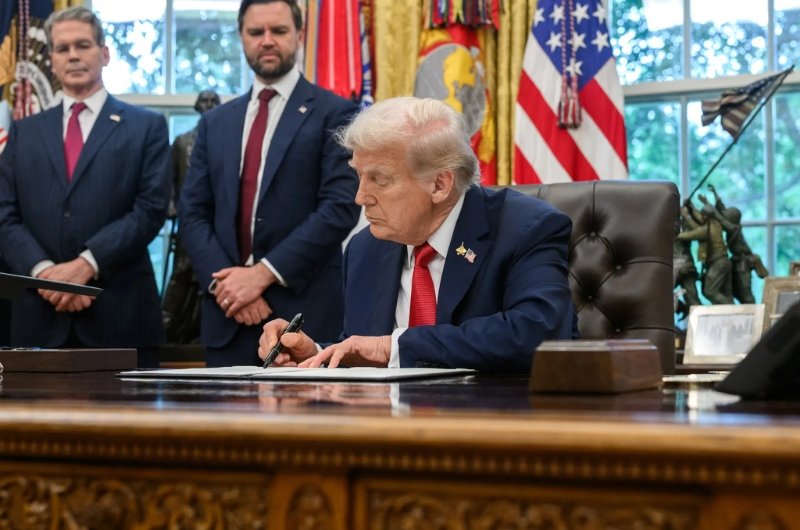
President Trump on Wednesday signed legislation ordering the release of long-sealed records connected to the Jeffrey Epstein case, directing the Justice Department to make the documents publicly accessible and remove barriers that have kept them restricted for years. The signing establishes a 30-day deadline for the first wave of records to be released, marking a major turning point in a case long defined by secrecy and unanswered questions. Administration officials said the release is expected to include investigative materials, depositions, travel and flight details, financial records, and communications that formed part of various inquiries connected to Epstein and his network of associates. The scope of what will be revealed remains uncertain, but the signing immediately triggered preparations inside federal agencies to coordinate the rollout. The decision has drawn swift reaction in Washington, with lawmakers from both parties expressing support and calling the development a needed measure of accountability. Victims’ advocacy groups also praised the move, describing the release as a long-overdue step toward transparency and closure for survivors who have waited years for answers. The legislation allows for limited redactions to protect victim identities and to avoid interference with any open investigations. How extensively those redactions are applied is expected to be closely watched once the records begin to emerge. Officials have not yet confirmed the exact date when the first installment will be made public, but early release windows are reportedly being discussed. Congressional committees are already preparing hearings to examine the disclosures and assess what information may still be missing. —————— Related: What Happens Now That the Epstein Files Are Being Released Congress Forces Release of Epstein Files in Overwhelming Bipartisan Vote
What Happens Now That the Epstein Files Are Being Released

With President Trump’s signature on Wednesday activating legislation to release long-sealed records tied to the Jeffrey Epstein case, a 30-day countdown is now officially underway. The law directs the Justice Department to begin making unclassified records publicly available and to move long-restricted materials out of sealed status and into public view. The records the government is required to prepare for release span multiple years and agencies. They are expected to include investigative materials, sworn testimony, internal summaries, and other documents that informed past federal inquiries. Lawmakers and advocates say the cache could also involve travel information, financial trails, and communication records that have never been fully visible to the public. From here, the Justice Department must locate, review, and organize the records before they are posted. That process includes pulling files from various components, coordinating formats for public access, and deciding how to stage the release. Rather than a single, all-at-once document dump, officials are likely to roll out the material in batches as review work is completed. Even with the new law in place, not everything will appear in full. Federal rules still allow redactions to protect victim identities and sensitive personal information, and to avoid undermining any active criminal investigations or security interests. How far those redactions go — and whether they are seen as narrow or overly broad — is expected to become a central point of debate once the first documents are posted. Congress is preparing to play an oversight role as the process unfolds. Key committees are expected to track whether the Justice Department meets the 30-day timeline, whether the redaction standards are applied fairly, and whether any categories of records are withheld in ways that appear inconsistent with the intent of the law. Over the next several weeks, the first releases are expected to draw intense public attention and renewed scrutiny of institutions that handled the Epstein case. The volume, quality, and readability of what is disclosed — as well as what remains blurred or blacked out — will help determine whether this moment feels like long-promised transparency, or just the beginning of a new round of questions. —————— Related: Trump Signs Order Releasing Epstein Files After Years of Secrecy Congress Forces Release of Epstein Files in Overwhelming Bipartisan Vote