


Investors Cheer Iran Peace Deal as Stocks Rise and Oil Prices Fall

Investors reacted enthusiastically Monday after President Donald Trump announced a peace agreement with Iran, sending major stock indexes higher and pushing oil prices lower as markets bet that reduced tensions in the Middle East could support economic growth and ease inflation pressures. The agreement, which includes plans to reopen the Strait of Hormuz, removes a major source of uncertainty that has weighed on global energy markets in recent months. The strategically important waterway serves as one of the world’s most critical routes for oil shipments, making stability in the region important to businesses, consumers, and investors around the world. As news of the agreement spread, investors moved back into stocks while oil prices declined, reflecting expectations that energy supplies could become more stable and less vulnerable to disruption. Markets generally favor certainty, and the prospect of a calmer Middle East was welcomed by traders looking for signs of reduced geopolitical risk. Lower energy costs can have a ripple effect throughout the economy. Fuel prices influence transportation expenses, shipping costs, manufacturing operations, and ultimately the prices consumers pay for goods and services. When energy prices move lower, inflation pressures often ease as well. For consumers, any meaningful decline in oil prices could eventually translate into lower gasoline prices and reduced costs across a range of products and services. While changes at the pump rarely happen overnight, markets are clearly signaling optimism that a more stable energy environment could benefit households and businesses alike. Investors are also watching for broader economic effects. Reduced geopolitical tensions can encourage business investment, strengthen consumer confidence, and create a more favorable environment for economic growth. The stock market’s positive reaction suggests many investors believe the agreement could help remove one of the major uncertainties facing the global economy. While many details of the agreement are still emerging, economists and market analysts will be closely monitoring energy prices, inflation data, and market performance in the weeks ahead. The long-term impact will depend on how successfully the agreement is implemented and whether stability in the region holds. The Readovia Lens Investors are often quick to look beyond the headline and focus on what comes next. In this case, markets appear to be betting that a more stable Middle East could lead to lower energy costs, easing inflation pressures and creating a friendlier environment for economic growth. While the long-term success of the agreement remains to be seen, Wall Street’s initial reaction suggests investors view the development as a meaningful step toward greater global stability. For consumers, that could eventually translate into benefits that extend well beyond the stock market.
The Readovia Stock Stack: Eight Skyrocketing Stocks and the Trends Driving Them

Over the past year, a select group of companies has delivered extraordinary stock market returns ranging from approximately 289% to more than 1,500%. These companies have positioned themselves at the center of some of today’s most powerful growth trends, capturing investor attention along the way. While each company operates in a different sector, many are benefiting from trends tied to artificial intelligence, cloud computing, data infrastructure, digital communications, and the emerging space economy. That observation inspired the creation of The Readovia Stock Stack. The new digital report highlights eight companies that have delivered remarkable market performance while participating in some of today’s most significant economic and technological trends. Inside, readers will find company profiles, performance data, and insights into the themes helping drive growth across multiple industries. The goal is not to predict the future or identify the next stock market winner. Instead, the report highlights companies that have already demonstrated extraordinary growth while offering readers a deeper understanding of the trends that helped fuel their rise. For investors, business leaders, technology enthusiasts, and anyone interested in the forces shaping tomorrow’s economy, understanding the trends behind today’s market leaders can be just as important as understanding the companies themselves. Get The Readovia Stock Stack – available now as an instant digital download
The Visibility Era, Part II: The New Gatekeepers

In Part I of *The Visibility Era*, we explored a growing reality of the modern internet: visibility is becoming increasingly difficult to earn. Every day, millions of articles, videos, podcasts, newsletters, social posts, and AI-generated pieces of content compete for attention across an already crowded digital landscape. But visibility is only part of the story. As the ways people find information continue to evolve, a new question emerges: who controls access to that information? In the past, search engines largely served as the primary gatekeepers of the web. Today, a growing collection of AI platforms, recommendation systems, marketplaces, social networks, and digital ecosystems are increasingly influencing what users see, what they trust, and ultimately what they choose. Advertisement Yet scarcity alone does not explain what people see. Increasingly, visibility is being shaped by systems operating behind the scenes. For years, the internet was celebrated as a force that removed traditional gatekeepers. Anyone could launch a website, start a blog, create a YouTube channel, publish a newsletter, open an online store, or build a personal brand. The barriers to publishing have never been lower. The barriers to discovery are another matter. Today, algorithms help determine which videos appear in feeds, which websites rank in search results, which products surface in online marketplaces, and which creators receive recommendations. Artificial intelligence is beginning to play an even larger role, influencing how information is summarized, presented, and discovered across the web. The old gatekeepers have not disappeared. They have evolved. In previous generations, publishers, broadcasters, editors, and producers often decided which voices reached the public. Today’s gatekeepers are less visible but no less influential. Recommendation engines, search algorithms, social platforms, app stores, and AI-powered systems increasingly shape the pathways through which attention flows. Most users rarely think about these systems. They simply open an app, perform a search, scroll through a feed, or ask an AI assistant a question. Behind each interaction, complex technologies are making decisions about relevance, quality, popularity, engagement, authority, and countless other signals. The result is a digital world where publishing is decentralized, but discovery is increasingly filtered. This does not mean the system is unfair. In many ways, algorithms help people navigate an overwhelming amount of information. Without them, the modern internet would be nearly impossible to use. The challenge is that every filtering system influences outcomes. Some content is amplified, some is overlooked, and some rises quickly while other material struggles to find an audience regardless of its quality. For creators, entrepreneurs, publishers, and businesses, this reality carries important implications. Success online is no longer determined solely by creating something valuable. Visibility often depends on understanding how information moves through the platforms where audiences spend their time, and the ability to earn attention increasingly requires adapting to systems that are constantly changing. The rise of artificial intelligence may accelerate this trend. As more people rely on AI assistants to answer questions, summarize information, recommend products, and discover content, new layers of visibility management are emerging. Instead of competing only for search rankings or social reach, businesses may soon find themselves competing for inclusion within AI-generated responses and recommendations. The competition for visibility is becoming more sophisticated, and the systems governing visibility are becoming more powerful. The internet remains one of the most democratic publishing environments ever created. Millions of people can share ideas with a global audience at virtually no cost. That opportunity remains extraordinary. At the same time, the path between publishing and discovery is increasingly shaped by technologies that most users never see. Understanding those systems may become one of the defining skills of the digital age. Because in the Visibility Era, being heard is not simply about having something to say. It is also about understanding who — or what — controls the flow of attention. ——————– Related: The Visibility Era, Part I: The Internet Enters an Age of Visibility Scarcity The Visibility Era, Part III: Mastering the New Visibility Economy
SpaceX Goes Public in Record-Breaking Debut, Opening a New Era for the Space Economy

For years, SpaceX was one of the world’s most valuable private companies. On Friday, that changed as the aerospace and communications giant began trading on Nasdaq under the ticker symbol SPCX after completing the largest initial public offering in market history. The IPO priced at $135 per share, raised approximately $75 billion, and valued the company at roughly $1.77 trillion, instantly placing it among the most valuable publicly traded companies in the United States. Founded by Elon Musk in 2002, SpaceX transformed the commercial space industry through reusable rockets and a growing portfolio of launch services. Over the past two decades, the company has become synonymous with innovation, helping reshape how governments, businesses, and consumers think about access to space. Investor interest in the offering was exceptionally strong, reflecting enthusiasm for a company that now sits at the intersection of space, communications, artificial intelligence, and global connectivity. Many Americans still think of SpaceX primarily as a rocket company. While reusable rockets remain at the heart of its business, the company has steadily expanded into several other industries over the past decade. Today, SpaceX operates across multiple sectors, including commercial space launches, satellite internet, government and defense contracts, communications infrastructure, and advanced technology initiatives tied to the future of global connectivity. One of the company’s most important businesses may be one that many consumers already recognize: Starlink. The satellite internet service has become a major driver of SpaceX’s growth and is increasingly viewed as one of the key reasons investors are paying such close attention to the company. The satellite internet service has grown rapidly by providing broadband access to rural communities, travelers, businesses, and remote locations around the world. Starlink has also been used to restore connectivity during natural disasters and emergencies, highlighting the growing importance of satellite-based communications. For many investors, Starlink represents something especially valuable: recurring subscription revenue. Unlike rocket launches, which occur periodically, internet customers generate ongoing monthly revenue, helping diversify SpaceX’s business model and reduce its dependence on launch activity alone. The result is a company that increasingly resembles a broad technology and infrastructure platform rather than a traditional aerospace firm. That evolution helps explain why investors have been willing to assign such a massive valuation to the company as it enters public markets. Beyond rockets, SpaceX now sits at the center of several powerful trends shaping the modern economy, including communications networks, satellite technology, advanced manufacturing, artificial intelligence infrastructure, and global connectivity. The company’s public debut also represents a milestone for the broader commercial space industry. What was once considered a niche sector has evolved into a growing market attracting interest from governments, businesses, and investors around the world. Whether SpaceX can ultimately justify its enormous valuation remains a subject of debate on Wall Street. Even so, Friday’s debut marks an historic moment for both investors and the space economy, opening a new chapter for a company that spent nearly a quarter-century operating outside public markets. For many investors, the IPO is about more than a single stock. It is a bet on a future where space, communications, artificial intelligence, and global connectivity become increasingly intertwined — and where SpaceX hopes to play a leading role in all of them.
Why Some Experts Say Wellness Has Become Too Complicated

For years, the wellness industry has encouraged people to optimize nearly every aspect of their lives. Sleep scores, fitness trackers, recovery metrics, supplements, mindfulness apps, hydration goals, and productivity systems have become part of a growing culture focused on self-improvement. While many of these tools can provide valuable insights, some wellness experts say the pursuit of optimization may be becoming counterproductive. As people juggle increasing amounts of health data and wellness advice, a growing number are beginning to ask a simple question: when did healthy living become so complicated? Advertisement The trend comes at a time when many Americans report feeling overwhelmed by the demands of modern life. Between work responsibilities, family obligations, financial pressures, and constant digital connectivity, adding an extensive wellness checklist can sometimes create additional stress rather than reduce it. In response, some experts are encouraging a return to simpler habits. Regular walks, home-cooked meals, adequate sleep, time outdoors, meaningful social connections, and enjoyable physical activity continue to rank among the most effective ways to support overall well-being. Rather than striving for perfection, the emerging philosophy focuses on consistency. Supporters of the approach argue that sustainable habits practiced over months and years may provide greater benefits than complex routines that are difficult to maintain. For many people, the appeal is obvious. Wellness does not necessarily require expensive devices, elaborate routines, or constant monitoring. Sometimes the most effective habits are also the simplest. As the wellness industry continues to evolve, one idea appears to be gaining traction: better health may not always require doing more. In some cases, it may begin with doing less—and doing it consistently.
New Heart Health Guidance Focuses on Everyday Eating Habits

For years, Americans have been inundated with diet trends, superfoods, and conflicting nutrition advice. New guidance from the American Heart Association is encouraging a simpler approach: focus less on individual foods and more on building consistent eating habits that support long-term heart health. The updated recommendations emphasize overall dietary patterns rather than chasing the latest nutrition trend. The American Heart Association continues to encourage diets rich in fruits, vegetables, whole grains, legumes, nuts, and lean sources of protein while limiting highly processed foods that often contain excess sodium, added sugars, and unhealthy fats. Advertisement The guidance reflects a growing body of research suggesting that long-term eating habits may play a greater role in heart health than any single food or supplement. Rather than focusing on short-term diets, health professionals increasingly recommend sustainable changes that can be maintained over time. Another notable aspect of the guidance is its position on alcohol. While moderate alcohol consumption was once viewed by some as potentially beneficial for heart health, the American Heart Association says current evidence does not support drinking alcohol for health reasons. Instead, the organization continues to emphasize proven lifestyle factors such as healthy eating, regular physical activity, adequate sleep, and avoiding tobacco use. The recommendations arrive at a time when heart disease remains the leading cause of death in the United States. Health experts say small, consistent improvements in daily habits can help reduce risk factors and support better long-term cardiovascular health. For many people, the takeaway may be reassuring. Building a healthier diet does not necessarily require expensive supplements, complicated meal plans, or restrictive eating programs. Instead, lasting improvements often begin with simple choices made consistently over time. As nutrition advice continues to evolve, one message remains remarkably consistent: healthy eating is less about perfection and more about establishing everyday habits that support long-term wellness.
Americans Are Still Spending — But Savings Are Shrinking

Americans continue to spend despite ongoing concerns about inflation, affordability, and the broader economy, but new data suggests many households are saving less in the process. The U.S. personal saving rate fell to 2.6% in April, down from 4.3% in January and one of the lowest levels recorded in recent years. At the same time, consumer spending continued to rise even as disposable income softened, highlighting the financial balancing act many households are facing. Consumer spending remains one of the primary engines of the U.S. economy. Americans are still traveling, dining out, shopping, and spending on experiences, helping support businesses and economic growth despite a more challenging financial environment. Advertisement Yet the financial picture beneath the surface is becoming more complicated. Higher costs for housing, insurance, healthcare, groceries, and energy have increased pressure on household budgets. Recent inflation data showed consumer prices rising at the fastest annual pace in three years, driven in part by higher energy costs. As everyday expenses consume a larger share of income, many families are finding it more difficult to set money aside. For some households, savings accumulated during the pandemic have largely disappeared. Others continue to save, but at a slower pace than they did just a few years ago. The trend helps explain a seeming contradiction in today’s economy. Consumer spending remains relatively resilient, while surveys show many Americans continue to express concerns about their financial future and the rising cost of living. Employment levels remain stable, and many consumers continue to prioritize travel, entertainment, and discretionary purchases. However, the decline in savings suggests that maintaining those spending habits may be requiring greater tradeoffs than before. The American consumer has repeatedly defied predictions of a major pullback over the past several years. What appears increasingly clear, however, is that many households are working harder to maintain the same lifestyle amid higher costs. A healthy economy depends not only on spending, but also on financial resilience. As consumers continue supporting economic growth, the ability to rebuild savings may become an important measure of household financial health in the months ahead.
Anthropic Puts $200 Million Behind Research on AI and the Future of Work

Anthropic, the company behind the Claude AI assistant, has announced a $200 million initiative to study how artificial intelligence could reshape jobs, wages, and the broader economy as AI adoption accelerates across industries. The investment will support research into labor markets, workforce transitions, and the long-term economic effects of increasingly capable AI systems. Researchers, economists, policymakers, and nonprofit organizations are expected to participate in the effort. Advertisement The announcement arrives as businesses continue experimenting with AI tools that can write content, analyze data, generate software code, conduct research, and perform a growing number of workplace tasks. While many organizations view AI as a productivity booster, concerns remain about how rapidly advancing systems could affect employment across both blue-collar and white-collar professions. What makes Anthropic’s announcement notable is that it comes from one of the companies helping drive the AI revolution itself. Rather than focusing solely on technological progress, the company is also investing in understanding the economic and social changes that may accompany it. For much of the past two years, the AI conversation has centered on capabilities — what the technology can create, automate, or improve. Increasingly, attention is shifting toward the people affected by those changes. Some analysts believe AI will unlock new industries, increase productivity, and create jobs that do not yet exist. Others warn that certain administrative, customer-service, and knowledge-based roles could face significant disruption as AI systems become more sophisticated. Anthropic’s investment reflects a growing recognition that the future of artificial intelligence will be measured not only by technological breakthroughs, but also by how successfully workers, businesses, and governments adapt to the changes those breakthroughs may bring. The workplace transformation many experts once discussed as a future possibility is already beginning to take shape. As AI capabilities continue to expand, understanding their impact on careers, wages, and economic opportunity may become one of the most important challenges of the decade.
Investigation Continues After U.S. Diplomat Found Dead in Myanmar

Authorities in Myanmar are continuing to investigate the death of a U.S. diplomat after a Thai national was charged in connection with the case, drawing international attention to an incident that remains surrounded by unanswered questions. The American diplomat was found dead on May 11 at a hotel in Yangon, Myanmar. Local authorities have since filed charges against a Thai national as investigators continue to examine the circumstances surrounding the case. The case has attracted interest both because of the victim’s diplomatic role and because many aspects of the investigation have not yet been made public. Officials have not disclosed a full account of what occurred, and authorities continue to examine evidence as the case moves forward. The diplomat was assigned to the U.S. Embassy in Yangon, Myanmar’s largest city and former capital. The embassy has acknowledged the diplomat’s death and has said it is cooperating with local authorities while respecting the ongoing investigation. Myanmar has remained a focus of international diplomatic attention in recent years following political unrest and continuing instability within the country. While there is currently no indication that the diplomat’s death was connected to official duties or broader political developments, investigators have not publicly ruled on a final motive or sequence of events. The filing of criminal charges marks a significant development in the case, but many details remain unclear. Authorities have not released extensive information about the relationship between the suspect and the victim, nor have they provided a complete timeline of the events leading up to the diplomat’s death. For now, investigators appear focused on determining exactly what happened while diplomatic officials from multiple countries continue to monitor developments closely. As the case proceeds through Myanmar’s legal system, additional information may emerge that helps clarify the circumstances surrounding the death of the American diplomat and the charges that have now been filed.
Congress Approves $70 Billion Immigration Enforcement Package
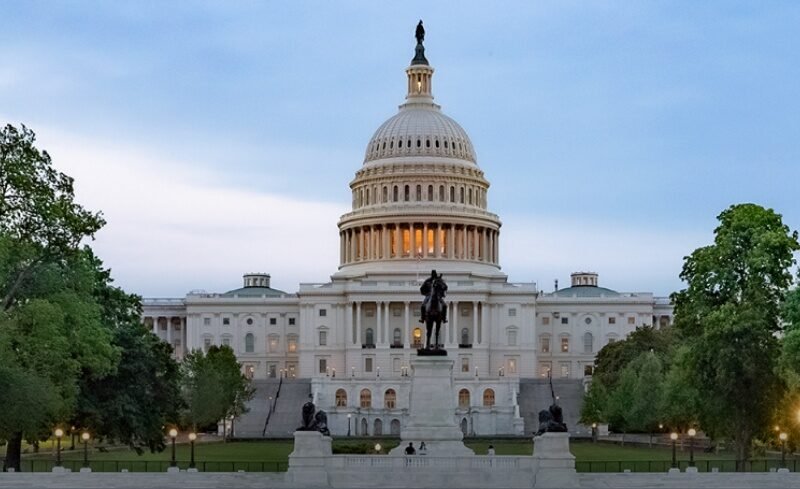
Congress has approved a sweeping immigration enforcement package that would provide nearly $70 billion in funding for border security and federal immigration operations over the next several years, marking one of the largest investments of its kind in recent history. The legislation now heads to President Trump, who is expected to sign the measure into law. Supporters say the funding will strengthen border security, expand enforcement capabilities, and provide long-term operational certainty for federal agencies. Critics, meanwhile, have raised concerns about oversight, detention capacity, and the broader direction of immigration policy. At the center of the package is a significant increase in resources for federal agencies responsible for immigration enforcement and border security. The legislation allocates tens of billions of dollars to Immigration and Customs Enforcement (ICE) and U.S. Border Patrol operations, while also setting aside funding for additional enforcement-related expenses that may arise in the coming years. The measure is designed to fund operations through 2029, reducing the need for repeated congressional battles over immigration enforcement budgets and giving agencies greater flexibility to plan long-term initiatives. What the Funding Covers The package supports a wide range of immigration enforcement activities, including the hiring and training of additional personnel, transportation and logistical operations, equipment purchases, and infrastructure improvements tied to border security efforts. Funding is also expected to support expanded detention capacity, increased deportation and removal operations, upgraded technology systems, and resources intended to improve coordination among federal agencies involved in immigration enforcement. Supporters of the legislation argue that the investment will help address ongoing challenges at the southern border while providing federal agencies with the tools needed to carry out existing immigration laws more effectively. A Major Policy Victory The vote represents a significant legislative win for the Trump administration, which has made immigration enforcement and border security central priorities during the president’s second term. Republican lawmakers largely backed the measure, arguing that stronger enforcement resources are necessary to secure the border and manage growing operational demands. Opponents countered that the legislation focuses heavily on enforcement while doing little to address broader immigration reform issues. The measure advanced through Congress following months of debate and negotiations, reflecting the continued prominence of immigration as one of the nation’s most closely watched policy issues. Looking Ahead Once signed into law, the funding package is expected to shape federal immigration operations for years to come. With billions of dollars now poised to flow into enforcement agencies, attention will likely turn to how the resources are deployed and whether the investment delivers the results supporters have promised. Regardless of where Americans stand on immigration policy, the legislation represents a major federal commitment to immigration enforcement and border security — one that could influence the national conversation well beyond the current administration.