


Why the NBA’s 2026 Playoffs Became Must-Watch Television
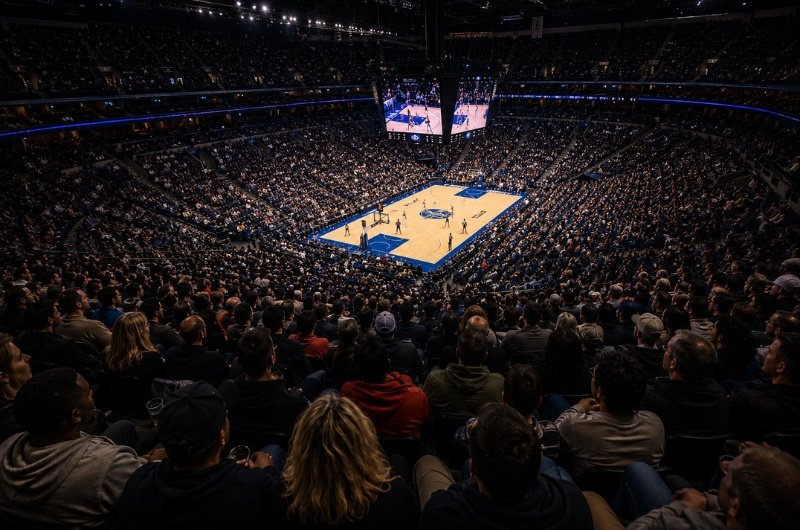
For years, conventional wisdom suggested that younger audiences no longer watch live television the way previous generations once did. Streaming, social media, podcasts, gaming, and endless digital distractions have transformed how people consume entertainment. Then the NBA Western Conference Finals happened. The seven-game series between the San Antonio Spurs and the Oklahoma City Thunder averaged 10.8 million viewers per game, making it the most-watched conference finals in 24 years. The decisive Game 7, which saw the Spurs eliminate the defending champion Thunder, averaged 15.9 million viewers and peaked at 17.7 million viewers. Advertisement Those numbers are remarkable in any era. They are even more remarkable in 2026. Because when nearly 16 million people tune into a single game in an era of TikTok, Netflix, YouTube, podcasts, and infinite entertainment choices, that’s saying something. The ratings did not happen by accident. The 2026 NBA Playoffs have delivered a steady stream of memorable moments, breakout performances, dramatic finishes, and compelling storylines that have transformed this postseason into one of the league’s most captivating in years. Much of the attention has centered on Victor Wembanyama and the San Antonio Spurs. Widely viewed as one of basketball’s brightest young stars, Wembanyama has continued his rapid rise while helping guide the Spurs through a grueling playoff run that culminated in a Game 7 victory over the defending champion Thunder. But the Spurs are only part of the story. The playoffs have also produced a series of unforgettable moments across both conferences. Fans have witnessed dramatic comebacks, clutch performances, rising stars, and the kind of unpredictability that often defines the most memorable championship runs. Every round seemed to produce another must-see moment, giving fans a reason to keep coming back. The New York Knicks added another chapter of their own. After decades of frustration, the franchise reached the NBA Finals for the first time since 1999, reigniting one of basketball’s most passionate fan bases and giving the league one of its most recognizable brands a long-awaited return to the spotlight. The Knicks advanced to the NBA Finals after sweeping the Philadelphia 76ers in the second round and defeating the Cleveland Cavaliers in the Eastern Conference Finals, completing one of the franchise’s most memorable postseason runs in decades. Perhaps most importantly, the playoffs have felt meaningful. Every series has carried genuine stakes. Every elimination game has mattered. And every round has offered the possibility that something unforgettable might happen. In the Age of Endless Content, the NBA Found a Way to Break Through The success of the 2026 playoffs may signal something larger than basketball. Audiences today have more entertainment choices than any generation in history. Streaming services, social media feeds, podcasts, gaming platforms, and countless digital distractions compete for attention every hour of every day. Yet the NBA managed to cut through the noise. Why? Because people still respond to stories that feel authentic, unscripted, and consequential. The Spurs-Thunder series had all the ingredients. A young superstar. A defending champion. A winner-take-all Game 7. The outcome was uncertain until the very end. The Knicks’ playoff run offered something equally powerful: hope, history, and the possibility of ending a championship drought that has lasted more than a quarter-century. In an era where nearly everything can be watched later, skipped, replayed, or summarized, live sports remain one of the few forms of entertainment that demand attention in the moment. The Finals Have Arrived The timing could not be better for the NBA. Tonight’s Finals opener features the New York Knicks making their first Finals appearance since 1999 against a young Spurs team led by Wembanyama. It is a matchup that blends history and future, tradition and transformation, offering the league a showcase of both an iconic franchise seeking its first championship in decades and a rising superstar who may define the next era of professional basketball. Whether the Finals ultimately match the excitement of the earlier rounds remains to be seen. But one thing is already clear. The NBA has reminded the sports world that when the stakes are real and the story is compelling, millions of people are still willing to stop what they’re doing and watch. The Readovia Lens Technology has changed how we consume content. It has not changed our desire to witness something meaningful unfold in real time. The lesson from the NBA’s remarkable postseason run extends far beyond basketball. In a fragmented media landscape where attention is constantly pulled in a hundred directions, people still gather around moments that matter. The platforms may change. The devices may change. The habits may change. But the human desire to share a story, celebrate a victory, and experience a moment together remains remarkably powerful. The 2026 NBA Playoffs may be remembered not only for who won, but for proving that some experiences are still best enjoyed live.
Primary Night 2026: Iowa Delivers a Surprise as California Awaits a Winner
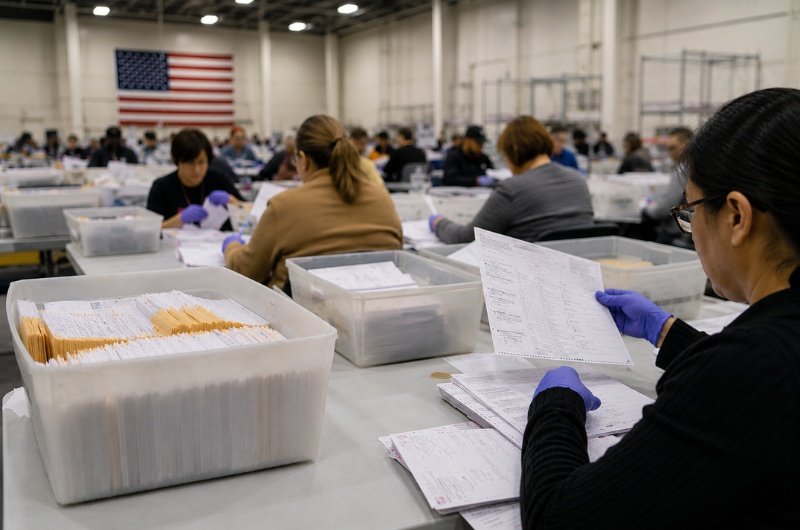
Voters in Iowa and California delivered two very different political stories Tuesday night, producing both a surprise result and an unresolved contest that could shape the months ahead. In Iowa, Republican voters handed President Donald Trump one of the rare primary setbacks of the 2026 election cycle by rejecting his endorsed candidate for governor. Businessman Zach Lahn defeated U.S. Representative Randy Feenstra in the Republican primary, setting up a general election contest against Democratic State Auditor Rob Sand. Advertisement Meanwhile, California voters left one of the nation’s most closely watched races without a clear conclusion. Early returns showed Republican Steve Hilton and Democrat Xavier Becerra among the leading candidates in the state’s open gubernatorial primary, but ballot counting continued Wednesday morning with final results still pending. The contrasting outcomes highlighted the complexity of the 2026 political landscape. In Iowa, voters demonstrated a willingness to break from expectations and chart their own course despite a late endorsement from Trump. In California, voters delivered a fragmented result in a crowded field, leaving questions about the shape of the November contest unanswered. Both races carry significance beyond state borders. Iowa’s governor’s race will test competing visions for the future of a state that has become increasingly important in national politics, while California’s contest will determine who succeeds term-limited Governor Gavin Newsom and leads the nation’s largest state economy. The Readovia Lens Primary elections often reveal less about who will ultimately win and more about where voters stand at a particular moment in time. Tuesday’s results offered a reminder that endorsements, fundraising, and polling remain influential, but they are not always decisive. Iowa voters delivered an unexpected result, while California voters left one of the country’s most important races unresolved. Together, the outcomes suggest that many of the biggest political questions of 2026 may take longer to answer than either party anticipated. ——————– Related: Primary Day 2026: California and Iowa Voters Offer Early Clues to America’s Political Mood
Primary Day 2026: California and Iowa Voters Offer Early Clues to America’s Political Mood
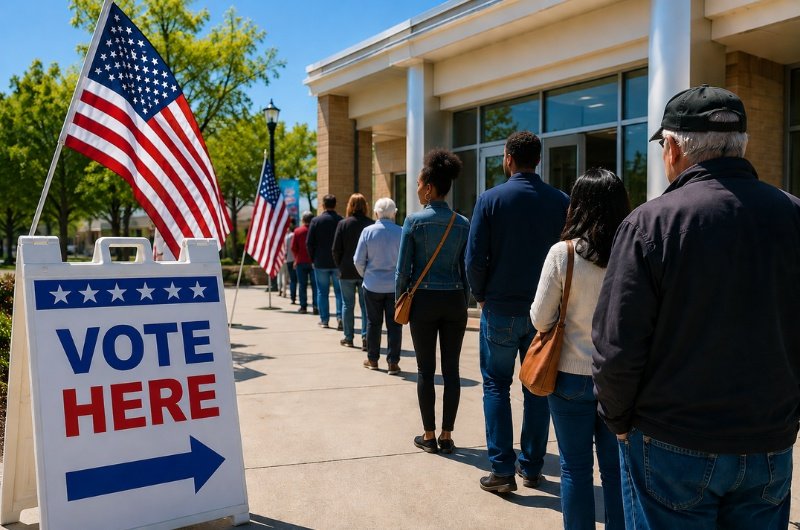
Voters across California, Iowa, and several other states head to the polls Tuesday in one of the most consequential primary election days of the year, as candidates compete in races that could offer important clues about voter priorities ahead of the 2026 midterm elections. While primary elections typically attract less attention than November contests, political strategists, candidates, and party leaders will be studying the results closely. From California’s race to succeed Gov. Gavin Newsom to competitive congressional contests in multiple states, today’s outcomes may provide important signals about where voters stand as the 2026 midterm elections draw closer. In California, voters are helping narrow the field in the race to become the state’s next governor, while several congressional races are drawing national attention because of their potential impact on the balance of power in Washington. Economic concerns, housing affordability, public safety, immigration, and the cost of living have emerged as recurring themes throughout the campaign season. Iowa’s contests offer a different but equally important snapshot of the political environment. Long regarded as a key political bellwether, the state’s races are expected to provide additional insight into voter sentiment across the Midwest and help both parties gauge enthusiasm among their core supporters. The results may not dramatically alter the political landscape overnight, but they could reveal important trends that carry into November. Strong turnout, unexpected victories, or signs of voter dissatisfaction often become early indicators of larger movements that emerge later in the election cycle.
U.S. Strikes Iranian Sites After Tehran Downs American Drone

Tensions between the United States and Iran escalated sharply Monday after Iran shot down an American drone, prompting U.S. strikes on Iranian radar and drone facilities. Iran later launched missiles toward U.S. forces in Kuwait, according to U.S. officials, who said the missiles were intercepted and no casualties were reported. U.S. officials said the military action was a direct response to the drone incident, which marked one of the most serious confrontations between the two countries in recent months. The strikes targeted radar installations and drone-related infrastructure that U.S. officials say were connected to Iran’s military operations. Iran responded by firing missiles toward American positions in Kuwait, though U.S. officials said air defense systems successfully intercepted the incoming projectiles before they could cause damage. Both sides have accused the other of increasing tensions in the region, which remains one of the world’s most strategically important areas for energy production and international shipping. The latest exchange underscores the fragile security environment across the Middle East, where U.S. forces, Iranian military assets, and key energy infrastructure operate in close proximity. Military incidents involving drones, missiles, and naval assets have repeatedly raised concerns about the potential for broader regional instability. While no casualties were immediately reported, the rapid exchange of military action highlights how quickly tensions between Washington and Tehran can escalate. For global markets and policymakers alike, developments in the region remain closely watched because of their potential impact on energy supplies, shipping routes, and broader geopolitical stability.
Virgin Galactic Says New Spacecraft Remains on Track for First Flight This Year

Virgin Galactic says its next-generation Delta-class spacecraft remains on track for its first flight later this year, marking a major milestone in the company’s effort to return to commercial space operations after pausing flights to focus on building a new fleet. The update came as part of the company’s first-quarter 2026 earnings report and arrives amid renewed attention on the commercial space industry. According to Virgin Galactic, its first Delta-class spacecraft has been delivered to Phoenix for ground testing, with glide-flight testing expected to begin in the third quarter and rocket-powered spaceflights targeted for the fourth quarter of 2026. A second Delta-class spacecraft is already under construction. The Delta program sits at the center of Virgin Galactic’s long-term strategy. Unlike previous spacecraft, the new vehicles are designed to fly more frequently, allowing the company to increase flight capacity and improve the economics of commercial spaceflight. Virgin Galactic also reported progress on infrastructure projects supporting future operations, including rocket motor production capabilities in Arizona. Advertisement The company is also broadening its ambitions beyond space tourism. Recently, Virgin Galactic announced Operation Period-01 (OP-01), a dedicated research mission that will study menstruation in microgravity. The mission, expected to fly in 2027, highlights the growing role commercial spacecraft could play in scientific research and human spaceflight studies. While significant challenges remain before regular commercial operations resume, Virgin Galactic appears to be entering one of the most important phases in its history. After years of development, testing, and delays, the next several months could determine whether the company can transform its vision of private spaceflight into a sustainable commercial business. The Bigger Picture For years, commercial spaceflight has largely been viewed through the lens of tourism. Increasingly, however, companies such as Virgin Galactic are positioning themselves as platforms for research, technology development, and future commercial activity beyond Earth. If the Delta program remains on schedule, 2026 could mark a turning point not only for Virgin Galactic, but for the broader commercial space industry as well. ——————– Related: Virgin Galactic Stock Soars 36% as Investors Double Down on the Space Economy Space Stocks Are Surging Again as Investors Chase the Next Big Boom
Virgin Galactic Stock Soars 36% as Investors Double Down on the Space Economy

——————– UPDATE (June 2, 2026 — 10:15 a.m. ET): Shares of Virgin Galactic fell sharply Tuesday morning after soaring more than 36% during the previous trading session. The stock was down more than 30% in early trading as investors appeared to take profits following one of the company’s strongest single-day rallies in recent years. While the pullback surprised some traders, rapid reversals are not uncommon among highly speculative stocks that experience sudden price spikes. ——————– Last week, Readovia examined the renewed interest in commercial space companies. Just days later, Virgin Galactic is providing one of the clearest examples yet that investor enthusiasm for the sector may be accelerating. Shares of Virgin Galactic surged 36.42% Friday after climbing more than 43% during afternoon trading before pulling back slightly into the close. The momentum carried into Monday morning, with the stock jumping another 26% shortly after the opening bell. Combined, the gains pushed the stock dramatically higher in less than two trading sessions and placed the company firmly back on Wall Street’s radar. The rally comes as investors increasingly focus on what many view as the next frontier of long-term growth. Renewed attention surrounding commercial launch systems, satellite networks, private spaceflight, and next-generation spacecraft has helped bring the space economy back into the spotlight. Excitement surrounding SpaceX’s ongoing Starship development program and broader commercial space ambitions has also contributed to growing interest across the sector. Advertisement For Virgin Galactic, the rally represents a dramatic shift in sentiment. The company has spent years working to advance its commercial space tourism business while navigating delays, funding concerns, and investor skepticism. At times, the stock seemed to spend more time falling back to Earth than reaching for the stars. Today, investors appear increasingly willing to revisit companies positioned to benefit from future growth in the commercial space industry. Whether the latest surge continues remains to be seen. What appears increasingly clear, however, is that investors are paying attention to the commercial space sector again. After years of turbulence, companies tied to the emerging space economy are once again attracting significant interest from Wall Street. The commercial space industry may still be years away from reaching its full potential, but investors do not appear interested in waiting for the launch countdown to hit zero. ——————– Related: Space Stocks Are Surging Again as Investors Chase the Next Big Boom
Meta Employees Push Back Against AI Training Tool That Tracks Workplace Activity
A growing debate over artificial intelligence and workplace privacy is unfolding inside Meta, where employees are raising concerns about an internal system designed to collect workplace activity data to help train AI models. According to reports, the initiative tracks various forms of employee computer activity, including clicks, mouse movements, navigation patterns, and other interactions. Meta says the information is being used to improve AI systems and train more capable digital assistants. Some employees, however, argue that the program crosses privacy boundaries and raises questions about how workplace data should be used. The controversy highlights a broader challenge facing many organizations as artificial intelligence becomes increasingly integrated into business operations. Training advanced AI systems often requires large amounts of real-world data, but workers may be uncomfortable when that data comes directly from their daily activities. For some employees, the concern extends beyond privacy to the possibility that their work could be helping build systems that eventually automate portions of their jobs. Meta has defended the initiative as an important part of its AI development efforts and says safeguards are in place to protect employees. The company continues to invest heavily in artificial intelligence as competition intensifies among major technology firms seeking to build more capable AI platforms. The Readovia Cut The debate unfolding at Meta may offer an early glimpse into a workplace challenge many companies will eventually face. As AI systems become more sophisticated, organizations will increasingly look for ways to gather real-world human behavior data to improve them. But will employees view those efforts as innovation, surveillance, or something in between? How companies answer that question could shape the next phase of AI adoption in the workplace.
Federal Judge Rejects Challenge to Boston Sanctuary City Law

A federal judge has dismissed the Trump administration’s lawsuit challenging Boston’s sanctuary city policy, allowing the city’s immigration-related law enforcement practices to remain in place. The ruling marks the latest setback in the administration’s broader effort to challenge local policies that limit cooperation with federal immigration authorities. The case centered on the Boston Trust Act, a city law first adopted in 2014 that restricts how local officials may participate in civil immigration enforcement. The policy bars Boston police and other city officials from assisting federal authorities with certain immigration-related activities, including holding individuals solely for potential deportation proceedings. Advertisement The Justice Department argued that the law interfered with federal immigration enforcement and violated the Constitution. However, U.S. District Judge Leo Sorokin concluded that the federal government lacked sufficient legal grounds to pursue the case. In his ruling, Sorokin noted that Massachusetts law already limits the ability of local law enforcement agencies to detain individuals based solely on federal civil immigration detainer requests. The decision leaves Boston’s policy intact and highlights the continuing legal battles surrounding so-called sanctuary jurisdictions across the country. Similar lawsuits filed against other states and cities have also faced setbacks in federal court as judges weigh the balance between federal immigration authority and local control. Immigration remains one of the most closely watched issues in American politics, and disputes over sanctuary policies continue to be a source of legal and political debate. While the ruling does not settle that broader national conversation, it represents another important court decision in the ongoing struggle over how immigration enforcement responsibilities should be shared between federal and local governments.
Why One Cruise Is Often Never Enough
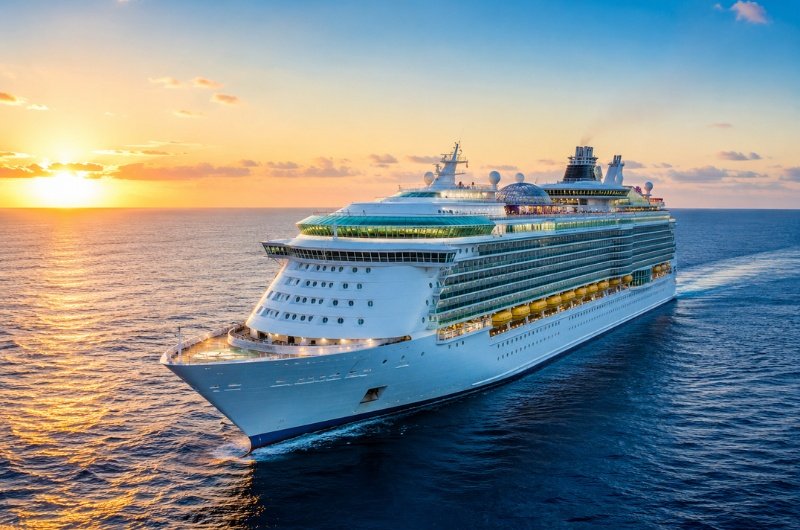
For many travelers, a cruise vacation is supposed to be a one-time experience. Yet talk to experienced cruisers and you’ll often hear the same thing: they’re already planning their next voyage before the current one even ends. From first-time passengers to lifelong cruise enthusiasts, the industry has built an unusually loyal following that continues to grow year after year. Part of the appeal is convenience. Unlike traditional vacations that may require multiple hotel reservations, restaurant choices, rental cars, and transportation plans, a cruise combines nearly everything into one experience. Travelers unpack once, settle into their stateroom, and wake up in a new destination every few days without constantly repacking or navigating unfamiliar airports and highways. Advertisement The onboard dining experience is another major draw. Modern cruise ships offer an extraordinary variety of food options, ranging from expansive buffets and complimentary dining rooms to specialty restaurants serving everything from steaks and seafood to international cuisine. For many guests, dining becomes an attraction of its own, with the opportunity to enjoy different experiences throughout the voyage without leaving the ship. Entertainment also plays a significant role. Today’s cruise ships are floating resorts packed with activities from morning until late at night. Depending on the ship, guests may find Broadway-style productions, live music, comedy shows, water parks, casinos, fitness centers, spas, ice-skating performances, and countless other activities. The variety helps explain why cruises appeal to couples, families, retirees, and multigenerational groups alike. Value remains another important factor. While prices vary widely depending on the cruise line and itinerary, many travelers appreciate knowing that accommodations, meals, entertainment, and transportation between destinations are bundled together. That simplicity can make vacation budgeting easier and often compares favorably with the cost of visiting multiple destinations independently. Perhaps the biggest reason travelers return, however, is the unique feeling that cruising creates. Life on board moves at a different pace. Mornings begin with ocean views, afternoons might include exploring a new port, and evenings often end with dinner and a show. For a few days, everyday responsibilities seem farther away than they do during many other types of vacations. That combination of convenience, entertainment, dining, value, and escape helps explain why so many travelers become repeat cruisers. The destinations may initially attract passengers to a cruise, but for many, it’s the overall experience that keeps them coming back.
Trump’s Face Could Appear on a New $250 Bill as Treasury Prepares for Potential Approval

A proposal that once seemed unlikely is moving closer to reality after Treasury officials confirmed preparations for a potential $250 bill featuring President Donald Trump. The development follows growing support among some lawmakers and allies of the president who argue that Trump’s influence on modern American politics warrants consideration for a new denomination tied to the nation’s upcoming 250th anniversary celebration. Recent reports indicate the Treasury Department has already prepared preliminary designs should Congress ultimately authorize the move. The proposal faces a significant hurdle. Current federal law generally prohibits living individuals from appearing on U.S. currency, meaning Congress would need to change longstanding rules before any such bill could be issued. Supporters view the idea as a way to commemorate a president they believe reshaped American politics, while critics argue that placing a living political figure on U.S. currency would break with long-established traditions intended to keep the nation’s money above contemporary political disputes. The discussion comes as the United States prepares for a series of events marking the country’s 250th anniversary. The semiquincentennial celebration has become a major priority for the administration, with officials emphasizing patriotism, national heritage, and America’s founding story. In that context, the proposed $250 bill has evolved from a symbolic political idea into a broader debate about how the nation chooses to recognize influential leaders and historic moments. Even if Congress were to approve the proposal, a new denomination would represent a significant departure from modern U.S. currency practices. The highest denomination currently circulated is the $100 bill, and economists have long questioned whether larger notes would serve a practical purpose in an increasingly digital economy. Still, the proposal has succeeded in capturing national attention, ensuring that the debate extends far beyond the design of a single piece of currency. Whether the idea ultimately becomes reality or remains a political symbol, the conversation highlights a larger question: how should America honor the figures who shape its history? As the nation’s 250th birthday approaches, that debate is likely to continue well beyond the halls of Congress.