


The End of Hustle Culture? Why More Workers Are Choosing Balance Over Burnout

For years, success was often measured by long hours, packed calendars, and the constant pursuit of the next promotion or side hustle. But Deloitte’s 2026 Gen Z and Millennial Survey suggests a growing number of workers are redefining success—placing greater value on stability, well-being, and sustainable careers than on climbing the corporate ladder as quickly as possible. The survey, which gathered responses from more than 22,500 Gen Z and millennial workers across 44 countries, found that only 25% of Gen Z respondents and 21% of millennials prefer fast-paced career progression marked by rapid promotions. Most said they favor steady professional growth, while others are willing to make lateral career moves if they lead to better long-term opportunities. Stress, burnout, and work-life balance were among the biggest reasons many respondents hesitated to pursue leadership roles. The findings don’t suggest that ambition is disappearing. Instead, they point to a shift in priorities. Many workers still want meaningful careers and future leadership opportunities, but they’re increasingly looking for workplaces that support their mental well-being, offer flexibility, and provide room to grow without sacrificing their personal lives. Financial realities are also shaping career decisions. Rising housing costs, the high cost of living, and economic uncertainty have prompted many younger workers to focus on building stable foundations before taking on major life milestones such as buying a home, starting a family, or launching a business. At the same time, many continue to embrace new technologies like artificial intelligence to build skills and improve productivity rather than simply work longer hours. Whether hustle culture is truly fading remains an open question. Hard work and career advancement are still important to millions of people. But if the latest workplace trends are any indication, success is increasingly being measured not only by promotions and paychecks, but also by the ability to build a career that is both rewarding and sustainable.
Alphabet Raises 2026 Spending Plan to Up to $205 Billion as AI Demand Grows

Alphabet, Google’s parent company, plans to spend between $195 billion and $205 billion this year as it expands its AI infrastructure. The increase follows another strong quarter for Google Cloud, one of Alphabet’s fastest-growing businesses, as demand for AI-powered tools and cloud computing services continues to accelerate. Alphabet said much of the additional investment will support data centers, servers, and custom AI chips needed to power products such as Gemini while expanding cloud services for enterprise customers. Company executives also indicated that capital spending is expected to increase again in 2027 as AI demand continues to grow. Despite the strong revenue growth, investors reacted cautiously to the larger spending plans, sending Alphabet shares lower in after-hours trading. The market response highlights a growing debate on Wall Street over how quickly massive AI investments will translate into long-term profits, even as technology companies continue building the infrastructure they believe will power the next generation of computing. ——————– Related: Microsoft Bets $2.5 Billion That Businesses Are Ready for AI Microsoft Launches New AI Company With $2.5 Billion Investment
House Narrowly Advances $95 Billion Funding Plan Backing Defense, Farm Aid and Election Measures
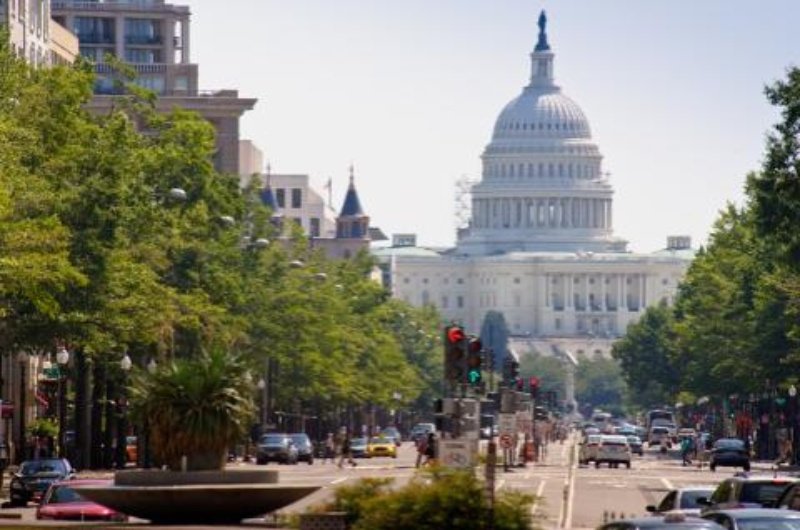
The U.S. House of Representatives narrowly approved a Republican-backed budget blueprint Wednesday that would pave the way for a $95 billion funding package supporting defense operations, farm assistance and election-related initiatives championed by President Donald Trump. The measure passed 216–214 and now heads to the Senate, where its future remains uncertain. The proposal is a budget resolution, meaning it does not immediately provide funding but instructs House committees to draft legislation that could eventually move through the budget reconciliation process. Republicans say the package is intended to strengthen national security, provide relief to farmers affected by tariffs and advance provisions related to the SAVE America Act. The blueprint would allow up to $60 billion for the Pentagon, $13 billion for intelligence and national security programs, $12 billion for agricultural assistance, and $10 billion for election-related initiatives. Democratic lawmakers opposed the plan, arguing it prioritizes military spending and election policies over other domestic needs, while some Republican fiscal conservatives also voted against it because the proposal does not include offsetting spending cuts. Attention now shifts to the Senate, where Republican leaders have expressed reservations about portions of the proposal and have not committed to bringing the package to the floor immediately. Any final legislation would still need Senate approval before reaching President Trump’s desk.
The One Emergency Tool Every Family Should Have

No family plans for an emergency, but every family can prepare for one. Whether it’s a sudden illness, natural disaster, or unexpected family crisis, having your most important information organized in one place can save valuable time when it matters most. That’s why more families are creating a simple emergency planning system to keep essential documents, medical information, emergency contacts, and other critical records together. Think about how many important details your family relies on every day—insurance policies, medical information, medications, financial accounts, legal documents, emergency contacts, and more. During a stressful situation, searching through drawers, filing cabinets, or multiple devices can waste precious time when every minute counts. Creating a dedicated emergency planning system helps ensure that the people you trust can quickly access the information they need if you’re unable to provide it yourself. It’s a simple step that can reduce confusion, improve communication, and give your family greater peace of mind. For those who prefer not to create a system from scratch, professionally designed printable emergency planners can provide a convenient starting point. They offer organized sections for the information most families need, making it easier to prepare today for the unexpected tomorrow. Ready to get started? Explore this printable Family Emergency Planner to help organize your family’s most important information in one place. ——————– Related: Access Risk: What Happens to Your Business If No One Can Log In?
14 Americans Quarantined After Returning From Congo as Ebola Precaution
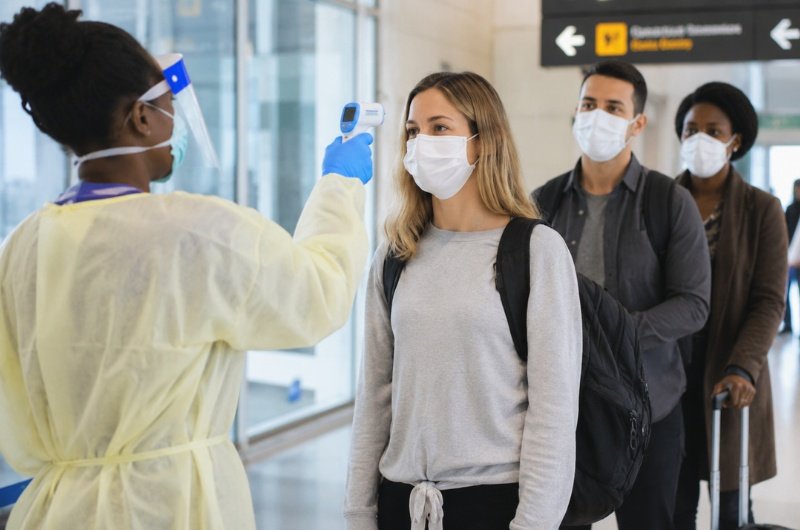
Fourteen Americans have been placed under temporary quarantine at a military facility in New York after returning from the Democratic Republic of the Congo, where officials are responding to a major Ebola outbreak. Health authorities said none of the travelers were showing symptoms of the virus, and there is no known risk to the public at this time. The group arrived in the United States through Canada and was transferred to Fort Drum as part of precautionary health measures. Federal officials said the quarantine is intended to monitor travelers who recently spent time in areas affected by the outbreak, which has led to heightened screening and travel restrictions for people returning from the region. The current outbreak, caused by the Bundibugyo strain of Ebola, has sickened thousands of people in the Democratic Republic of the Congo. While Uganda has reported imported cases, health officials say there has been no sustained community transmission there. Ebola spreads through direct contact with the bodily fluids of an infected person and does not spread through the air like influenza or COVID-19. U.S. health officials continue to emphasize that people infected with Ebola become contagious only after symptoms develop. The Centers for Disease Control and Prevention advises travelers returning from affected areas to monitor their health for 21 days and seek medical care immediately if symptoms such as fever, severe headache, vomiting or unexplained bleeding occur.
Wellness in 2026: Personalized Health, Mental Fitness, and Everyday Rituals Take Center Stage

As we settle into the second half of 2026, wellness has moved well beyond fad diets and sporadic gym visits — it has become a daily, personalized practice rooted in science, measurable outcomes, and holistic wellbeing. Across nutrition, movement, stress management, and recovery, consumers are prioritizing habits and routines that support long-term vitality rather than quick fixes. One of the most significant shifts is personalization. People increasingly seek health strategies tailored to their unique biology, using data from wearables, biomarker tracking, and personalized nutrition plans to guide decisions. Tools that monitor sleep quality, stress levels, heart rate variability, and metabolic markers are becoming commonplace in everyday health routines, helping individuals create custom plans that reflect their goals and lifestyles. Nutrition itself continues to evolve, with an emphasis on foundational health drivers like gut health, balanced metabolism, and functional foods. Experts note that priorities like fiber, protein-rich diets, and whole-food choices are no longer niche interests — they are mainstays of everyday eating habits as consumers seek better digestion, sustained energy, and immune support. The wellness picture in 2026 also embraces mental fitness as a core component of health. Practices that support emotional resilience — from breathwork and micro-meditation to nervous-system regulation techniques — are gaining traction alongside physical fitness routines. Rather than viewing stress management as an afterthought, many people are integrating intentional mental-wellbeing practices into their day. Finally, holistic wellness is increasingly about daily rituals and mindful living. Consumers are carving out time for breathing exercises, intentional rest, nature-based activity, and quality sleep as essential parts of their routines. This trend toward grounding and presence reflects a broader cultural shift: wellbeing is now seen as a balance of body, mind, and lifestyle that must be woven into everyday life.
Supreme Court Rules Trump Administration Can Deny Re-Entry to Some Green Card Holders

The U.S. Supreme Court handed the Trump administration a significant victory on immigration Tuesday, ruling that border officials have the legal authority to deny automatic re-entry to some green card holders facing criminal charges—even if they have not been convicted. The Trump administration argued that existing immigration law gives U.S. Customs and Border Protection officers discretion to treat certain lawful permanent residents as applicants for admission when they return to the United States if they are facing serious criminal allegations. In a 6-3 decision, the Supreme Court agreed. Advertisement The ruling reinforces an important legal distinction between permanent residency and U.S. citizenship. A green card allows someone to live and work permanently in the United States, but it is not the same as a U.S. passport or citizenship. Under federal immigration law, the government retains authority to determine how certain lawful permanent residents are processed when they seek to re-enter the country after traveling abroad. The Court’s decision does not mean green card holders automatically lose their legal status if they are charged with a crime. Instead, it gives immigration officials greater discretion in determining whether certain returning permanent residents should be admitted immediately or placed into immigration proceedings, depending on the circumstances of their case. Supporters of the ruling say it strengthens the federal government’s ability to enforce immigration law and protect the nation’s borders. Critics argue it could reduce procedural protections for some lawful permanent residents and create greater uncertainty for green card holders returning from international travel.
U.S. Issues Worldwide Security Alert as Iran Conflict Escalates
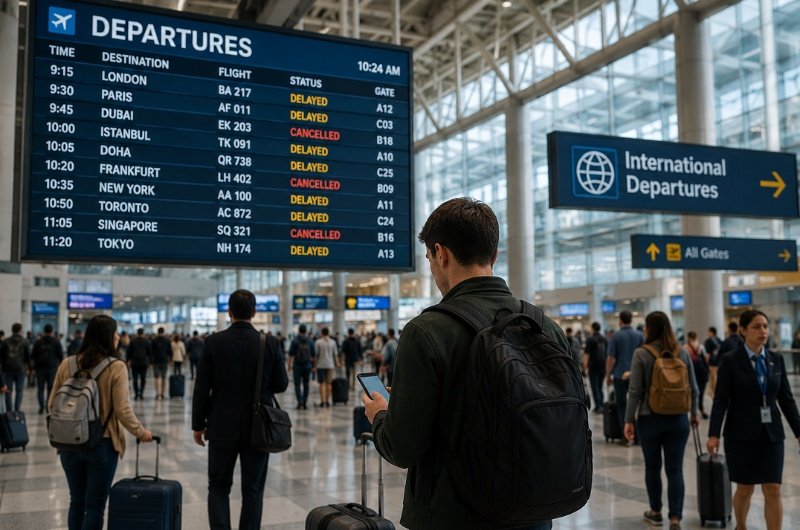
The U.S. State Department has issued a worldwide security alert for American citizens as military operations against Iran continue to intensify, warning that the conflict could increase security risks for Americans traveling or living abroad. The advisory comes after another night of U.S. strikes on Iranian military targets and growing concerns about possible retaliation against U.S. interests overseas. In its latest advisory, the State Department urged Americans worldwide to exercise increased caution, particularly in the Middle East, where airspace closures, flight disruptions, and rapidly changing security conditions remain possible. Officials also warned that U.S. diplomatic facilities and locations associated with the United States could become targets as tensions continue to rise. Advertisement The warning follows another round of overnight U.S. military strikes targeting Iranian command centers, missile launch sites, drone infrastructure, air defense systems, and maritime capabilities. The campaign is part of an ongoing effort to reduce Iran’s ability to threaten commercial shipping and military assets in the region. The conflict has also raised concerns about global energy markets, as fighting around the Strait of Hormuz continues to threaten one of the world’s busiest oil shipping routes. International leaders have continued diplomatic efforts aimed at preventing a broader regional war, but no breakthrough has been announced. For Americans planning international travel, officials recommend closely monitoring updates from the nearest U.S. embassy or consulate, reviewing current travel advisories, and remaining alert for rapidly changing conditions as the crisis unfolds.
Tropical Storm Bertha Strengthens as Gulf Coast Braces for Heavy Rain and Flooding

Tropical Storm Bertha strengthened overnight as it drifted across the Gulf of Mexico, prompting warnings for parts of the northern Gulf Coast as forecasters warned of heavy rainfall, coastal flooding, storm surge, and isolated tornadoes over the coming days. As of Tuesday morning, Bertha was producing maximum sustained winds of 50 mph and was located about 125 miles south of Panama City, Florida. The storm was moving slowly to the northwest, a track expected to bring it closer to portions of the Florida Panhandle, Alabama, Mississippi, and Louisiana before turning westward later this week. Advertisement A tropical storm warning is in effect from the Florida-Alabama border westward into southeastern Louisiana, while a storm surge watch remains in effect for vulnerable coastal communities. Forecasters say some locations could see storm surge of up to 4 feet, along with several inches of rainfall capable of triggering flash flooding in low-lying areas. Emergency officials are encouraging residents to monitor the latest forecasts, review evacuation plans if they live in flood-prone areas, and avoid driving through flooded roadways. Although Bertha is not expected to become a major hurricane before landfall, slow-moving tropical systems can still produce significant flooding and dangerous conditions well inland. Forecasters expect Bertha to continue strengthening modestly before approaching the northern Gulf Coast, with weather conditions expected to deteriorate across the region through midweek. Residents are urged to stay informed as the storm’s track and intensity could still change.
U.S. Identifies Two Soldiers Killed in Jordan Attack as Military Response Intensifies
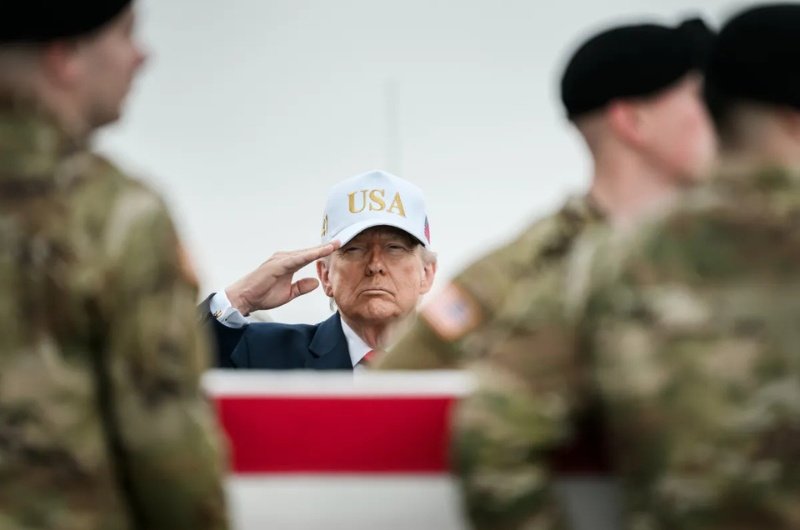
The U.S. military has identified two of the American service members killed in a recent attack on a military base in Jordan as 1st Lt. Tyler James Feehan of Hawaii and Pvt. Isabella Gonzales of Texas. Their deaths came during an attack that U.S. officials have blamed on Iran-backed forces. Defense officials said the soldiers were among the American personnel killed while supporting operations in the Middle East. Their identities were released after their families were notified. The deaths have become a central factor in the Trump administration’s decision to expand military operations against Iran. U.S. forces carried out another round of strikes overnight, marking the ninth consecutive night of attacks targeting Iranian military infrastructure. President Trump said the United States would continue responding to attacks on American personnel, while Defense Department officials said the military remains focused on degrading Iran’s ability to threaten U.S. forces and regional stability.