

Mortgage Rates Fall to Lowest Levels Since 2022, Offering Buyers Fresh Relief

Mortgage rates have dropped to their lowest point since 2022, offering a welcome shift for homebuyers and homeowners after years of elevated borrowing costs. The average 30-year fixed mortgage rate has now fallen to 6.06%, marking a notable decline from the 7%-plus levels that dominated much of 2024 and early 2025. According to data from Freddie Mac, this marks the lowest reading in more than three years. The 15-year fixed rate has also eased, giving borrowers additional flexibility as affordability pressures begin to soften, even if modestly. The decline reflects a broader cooling in financial markets, driven by easing inflation trends and expectations that interest rates may remain stable or trend lower in the months ahead. Mortgage rates typically track long-term Treasury yields, which have fallen as investors grow more confident that the most aggressive phase of rate tightening is behind us. Early signs suggest buyers are responding. Mortgage application activity has picked up, and some real estate agents report renewed interest from buyers who had been sidelined by higher monthly payments. Refinancing interest is also beginning to return, particularly among homeowners who purchased or refinanced near recent rate peaks. Still, today’s rates remain well above the historic lows seen earlier in the decade, and housing affordability remains strained by elevated home prices and limited inventory. Whether this rate drop marks the beginning of a sustained trend or a temporary pause will depend on economic conditions in the months ahead — but for now, borrowers are getting their first real taste of relief since 2022.
Senate Republicans Block Vote to Limit Military Authority on Venezuela
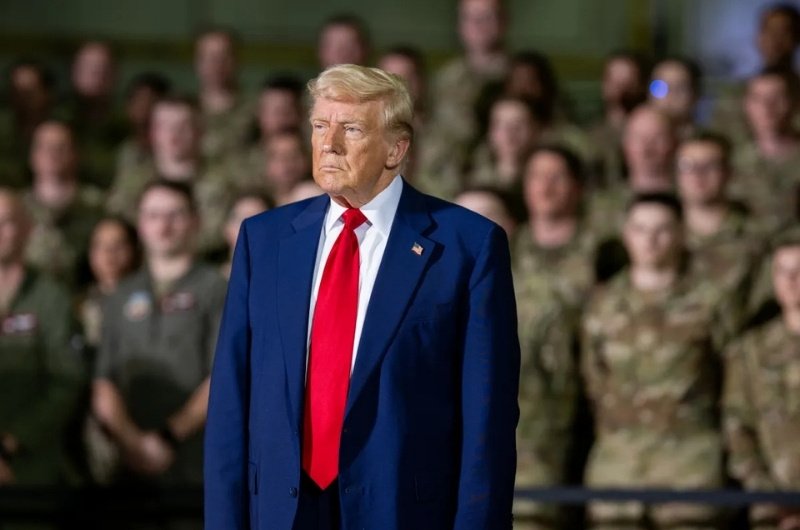
Senate Republicans moved Wednesday to block a Democratic-led effort that would have required congressional approval before the U.S. could take certain military actions involving Venezuela. The proposal aimed to reaffirm Congress’s role in decisions related to war and military force. Supporters said it was a safeguard against the president acting alone on matters that could draw the U.S. into deeper involvement abroad. Republicans rejected the measure, arguing it would limit the president’s ability to respond quickly to international threats. GOP leaders said existing law already provides sufficient oversight and warned that additional restrictions could weaken U.S. foreign policy flexibility. The blocked vote underscores a familiar divide in Washington over who should have the final say on military action. While the measure will not advance, it highlights growing tensions as lawmakers debate the scope of presidential power amid ongoing global instability.
U.S. Suspends Immigrant Visa Processing for Nationals of 75 Countries

The United States will suspend the processing of immigrant visas for citizens of 75 countries, marking a major shift in federal immigration policy and significantly limiting legal pathways to permanent residency. Under the new policy, U.S. embassies and consulates will pause approvals for people seeking to immigrate to the United States permanently. The suspension applies only to immigrant visas, which are used for long-term relocation, including family-based and employment-based immigration. Temporary travel will not be affected. Officials confirmed that tourist, student, and business visas will continue to be processed as normal. In addition, individuals who hold dual citizenship may still apply if they use a passport from a country not included in the suspension. The policy is being implemented by the U.S. State Department, which says the move is intended to tighten immigration standards and prioritize applicants who are financially self-sufficient. Administration officials have framed the decision as part of a broader effort to reduce strain on public resources. Critics argue the suspension could have far-reaching consequences, particularly for families waiting to reunite and employers seeking skilled workers from abroad. Immigration advocates say the move represents one of the most sweeping restrictions on legal immigration in recent years, while supporters contend it reinforces national priorities and economic safeguards.
ICE Officer Shoots Venezuelan Man During Enforcement Action in Minneapolis
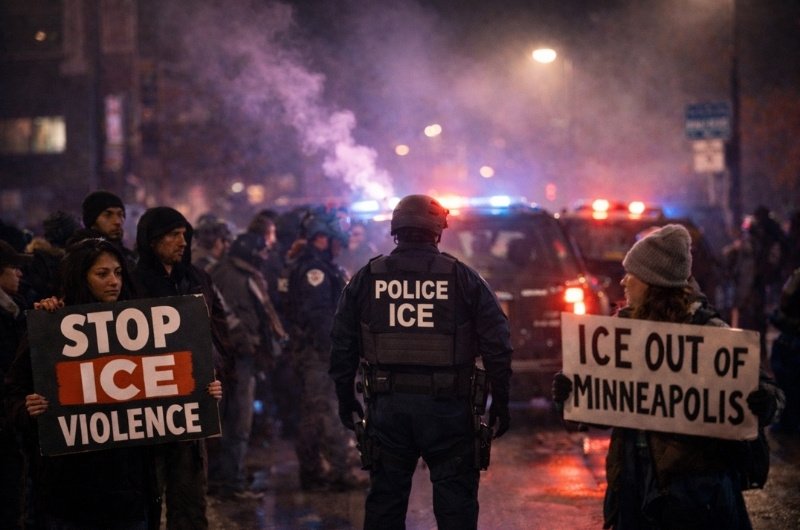
A federal immigration officer shot a Venezuelan man in the leg during an enforcement operation in Minneapolis late Wednesday, intensifying tensions over immigration enforcement tactics and sparking protests across the city. According to federal officials, the incident began with a traffic stop connected to an immigration enforcement effort. Authorities say the man attempted to flee, crashed into a parked vehicle, and ran on foot. During a subsequent confrontation, a physical struggle occurred between the man and the officer. Federal officials allege that two additional individuals joined the altercation, striking the officer with household items. The officer then discharged his weapon, hitting the man in the leg. Both the injured man and the officer were transported to a hospital. Officials say the man’s injuries are not life-threatening, and the officer was treated and released. The two individuals accused of intervening were taken into custody. The shooting has reignited protests in Minneapolis, where community groups and local leaders have expressed concern over the presence and tactics of federal immigration agents operating independently of local law enforcement. Demonstrations have called for greater transparency, accountability, and limits on federal enforcement actions within city neighborhoods. Officials with U.S. Immigration and Customs Enforcement have stated the shooting is under internal review, while city leaders have urged calm as investigations continue. The incident adds to a broader national debate over immigration policy, enforcement authority, and public safety in American cities. ——————– Related: Minnesota Seeks Answers After Fatal ICE Shooting in Minneapolis Vice President Vance Says ICE Agent Has “Absolute Immunity” in Deadly Minneapolis Shooting Senior DOJ Leaders Resign After Refusal to Investigate Minnesota ICE Shooting
Iran Protest Crackdown Nears 2,600 Dead Amid Warnings of Strikes on U.S. Bases

Iran’s internal unrest has reached a grim new milestone as a U.S.-based human rights organization reports that the death toll from nationwide protests is approaching 2,600, marking one of the deadliest crackdowns in the country in years. The escalating violence is now colliding with heightened geopolitical tensions, raising concerns well beyond Iran’s borders. According to the Human Rights Activists News Agency (HRANA), at least 2,571 people have been killed since demonstrations erupted across Iran, with thousands more arrested or injured as security forces intensified their response. The protests, driven by widespread anger over political repression, economic hardship, and social restrictions, have spread to dozens of cities, posing one of the most sustained challenges to Iran’s ruling establishment in years. As the unrest deepens, Iranian officials have issued stark warnings to neighboring countries, saying Tehran could target U.S. military bases in the region if Washington intervenes directly in the crisis. The remarks underscore growing fears that a domestic uprising could spill into a broader regional confrontation, particularly given the heavy U.S. military presence across the Middle East. U.S. officials have condemned Iran’s crackdown and signaled that options remain on the table, while stopping short of confirming any imminent military action. Meanwhile, reports indicate that some American personnel in the region have adjusted their security posture as a precaution, though no large-scale redeployments have been announced. Iranian authorities continue to frame the protests as acts of terrorism orchestrated by foreign powers, including the United States and Israel. Rights groups and international observers, however, describe a rapidly unfolding humanitarian crisis that now sits at the intersection of internal repression and rising global instability — with consequences that could reverberate far beyond Iran’s borders.
Saks Global Files for Bankruptcy Amid Shifting Luxury Shopping Habits
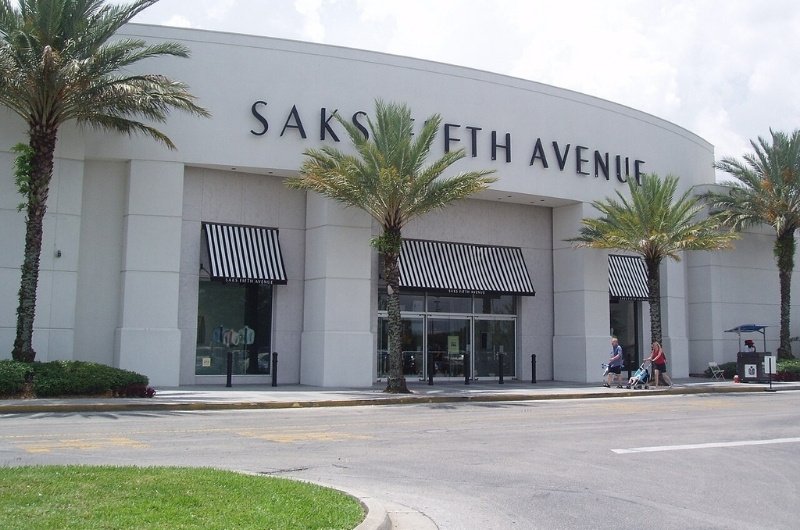
Saks Global filed for Chapter 11 bankruptcy protection on Tuesday, underscoring the growing challenges facing traditional luxury retailers in a post-pandemic economy shaped by higher costs and changing consumer habits. The company, which owns Saks Fifth Avenue, Neiman Marcus, and Bergdorf Goodman, said it plans to keep stores open while restructuring its finances. Customer loyalty programs and normal operations are expected to continue during the bankruptcy process. Saks Global expanded aggressively after the pandemic, using mergers and low-interest borrowing to scale its business. That approach worked briefly during the luxury spending rebound, but rising interest rates and mounting debt quickly narrowed the company’s margin for error. As costs climbed, the balance sheet became increasingly difficult to sustain. At the same time, the company experimented with new distribution strategies. Saks recently launched a storefront on Amazon, signaling an effort to meet luxury shoppers where they already spend time online. While the move reflected changing consumer behavior, it also highlighted how far legacy luxury retailers have been pushed to adapt outside traditional department-store models. Luxury retail itself has been undergoing a broader shift. Shoppers who once relied on department stores are increasingly buying directly from brands, shopping online, or prioritizing experiences over high-end purchases. While some luxury brands have successfully leaned into direct-to-consumer models, department-store-style operators continue to face structural challenges. Industry observers say Saks Global’s restructuring will serve as a key test for whether large luxury retail groups can adapt to today’s environment. The outcome may shape how other legacy retailers approach growth, debt, and long-term sustainability in a sector that no longer operates by pre-pandemic rules.
AI Gives Businesses a Chance to Rethink the Workday in 2026

Editor’s Journal The future of work may be shorter — if businesses are willing to embrace AI and use it wisely. For decades, productivity gains have followed the same frustrating pattern: new tools make work faster, but employees rarely see the benefit. Instead of gaining time, workers are asked to do more. In 2026, artificial intelligence presents an opportunity to finally change that dynamic — not by pushing people harder, but by using technology to make work life genuinely easier. As businesses race to adopt AI, the conversation has focused heavily on efficiency, cost savings, and output. Those goals are understandable. But they are also incomplete. AI is already capable of reducing or eliminating many of the tasks that quietly consume the modern workday — writing, scheduling, data analysis, strategic planning, and more. For a growing number of jobs, the eight-hour workday has become a habit rather than a necessity. This opens the door to a long-overdue question: if AI can significantly reduce the time it takes to complete core responsibilities, why are we still organizing work around rigid, full-day schedules? A four-day workweek, or six-hour workdays at full pay, are no longer radical ideas. They are increasingly practical outcomes of smarter systems doing the repetitive work humans no longer have to spend hours on. There is also a compelling business case for this shift. Burnout has become one of the most expensive hidden costs in the modern workplace, driving turnover, disengagement, and declining creativity. Shorter workweeks and more flexible schedules have already shown improvements in focus, morale, and retention where they’ve been tested. Employees who feel trusted with their time tend to bring more clarity and energy to the hours that truly matter. Not every job can immediately move to a four-day week or six-hour workday. But leadership teams should begin thinking less about hours logged and more about outcomes achieved. AI makes that shift possible by separating productivity from presence — a distinction long overdue in knowledge work. The promise of artificial intelligence was never just about speed. It was about giving people back something they have been steadily losing: time. In 2026, forward-thinking businesses have a chance to prove that progress does not have to come at the expense of well-being. Used wisely, AI could mark the moment work finally begins to fit life — not the other way around.
Household Budgets Tighten as Everyday Costs Continue to Outpace Wage Growth

For many American households, the pressure on monthly budgets is no longer coming from one big expense, but from a steady accumulation of higher everyday costs. Groceries, utilities, insurance, and basic services continue to rise, leaving families with less flexibility even as inflation cools in headline numbers. Consumers report that routine purchases now require more planning, with many cutting back on discretionary spending to absorb higher essentials. Items once considered stable parts of a household budget—such as food staples and home utilities—have become less predictable, forcing families to rework spending priorities month by month. While wages have increased in some sectors, they have not kept pace with the cumulative impact of ongoing price increases. Financial planners note that this imbalance is pushing more households to rely on budgeting tools, short-term savings strategies, and stricter spending controls just to maintain stability. Retailers and service providers are also adjusting, offering smaller package sizes, subscription pricing, and targeted discounts as consumers become more price-sensitive. The shift signals a broader change in spending behavior, with value and necessity outweighing convenience and brand loyalty. As 2026 unfolds, the American wallet is being shaped less by economic headlines and more by lived experience—where managing everyday costs has become a central financial skill rather than an occasional concern.
Exotic Destinations Gaining Attention as Travelers Look Beyond the Usual Getaways

As international travel continues to rebound, many travelers are looking past familiar vacation hubs and turning toward destinations that offer something rarer: distance from crowds, deeper cultural immersion, and a sense of discovery. The result is renewed interest in places once considered too remote, too complex, or simply overlooked. Across Africa, Southeast Asia, and the South Pacific, travelers are gravitating toward destinations that balance natural beauty with authenticity. Countries such as Namibia, Laos, and Vanuatu are drawing attention for their landscapes, slower pace, and experiences that feel untouched by mass tourism. These locations offer dramatic scenery, rich traditions, and a growing emphasis on sustainable travel. In the Indian Ocean, islands like Madagascar and Mauritius are emerging as alternatives to more commercialized beach destinations. With biodiversity found nowhere else on Earth and a mix of cultural influences, these islands appeal to travelers seeking both relaxation and exploration. Similarly, Central Asia is quietly gaining momentum, with countries like Uzbekistan attracting visitors interested in ancient trade routes, historic cities, and architectural heritage. Travel advisors note that today’s travelers are prioritizing meaning over volume. Rather than packing multiple cities into a single trip, many are choosing longer stays in one destination, allowing time to connect with local communities and environments. Improved flight access and expanded boutique accommodations are making these once-distant locations more approachable. As 2026 approaches, exotic travel is being redefined. It is less about luxury alone and more about rarity, perspective, and experiences that leave a lasting imprint long after the journey ends.
Senior DOJ Leaders Resign After Refusal to Investigate Minnesota ICE Shooting
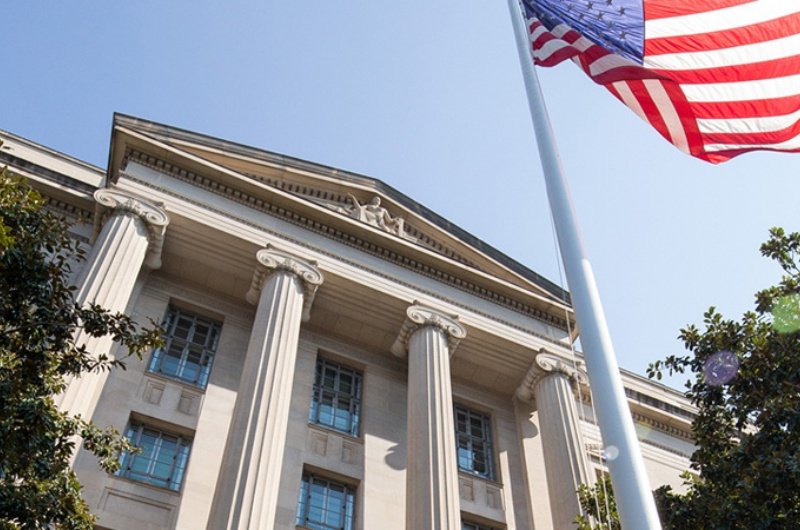
At least four senior leaders within the U.S. Department of Justice have resigned after their division declined to investigate the fatal shooting of a Minnesota woman during a recent U.S. Immigration and Customs Enforcement operation, according to multiple officials familiar with the departures. The resignations came from top officials within the DOJ’s Civil Rights Division, who reportedly concluded they could no longer carry out their mission of impartial public service under the current administration. Internal discussions indicate the officials objected to being sidelined from reviewing the use of force in the Minnesota case, a role the division has traditionally played in incidents involving potential civil rights violations. The shooting occurred during a large-scale ICE enforcement action in Minneapolis, prompting widespread public concern and protests. While the federal government has said the matter is being reviewed by other authorities, the decision not to involve the Civil Rights Division has drawn criticism from current and former Justice Department officials who view the move as a significant departure from long-standing oversight practices. In private conversations, departing officials reportedly expressed alarm over what they described as increasing political influence over enforcement priorities and investigative decisions. The DOJ has not disputed the resignations but has characterized them as unrelated to any single case, a claim questioned by the timing and clustering of the departures. The fallout adds to mounting tension surrounding federal immigration enforcement efforts in Minnesota, where state and local leaders have raised concerns about transparency, accountability, and civil liberties. As protests continue and legal challenges unfold, the resignations mark one of the most visible internal fractures within the Justice Department since the start of the administration. Developing story. Readovia will continue to follow this as more details emerge. ——————– Related: Minnesota Seeks Answers After Fatal ICE Shooting in Minneapolis Vice President Vance Says ICE Agent Has “Absolute Immunity” in Deadly Minneapolis Shooting ICE Officer Shoots Venezuelan Man During Enforcement Action in Minneapolis