For most of human history, the idea of living on another planet belonged to the realm of science fiction. Today, one of the world’s most ambitious companies is openly discussing a future in which millions of people could one day call Mars home.
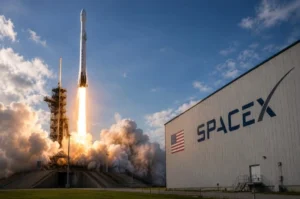
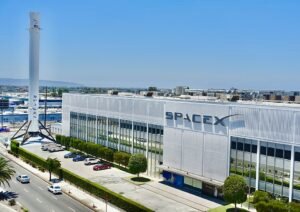
According to SpaceX, the company’s long-term goal is to help create a self-sustaining city on the Red Planet. The vision would require transporting enormous amounts of cargo, infrastructure, equipment, and eventually people to Mars over many years. SpaceX has suggested that a fully developed Martian settlement could one day support more than one million residents.
While that goal remains decades away, the idea raises a fascinating question: what would life on Mars actually look like?
Unlike Earth, Mars has no breathable atmosphere, experiences extreme temperature swings, and receives significantly less sunlight. Any permanent settlement would require advanced habitats, reliable energy systems, food production, water recycling, medical facilities, and transportation networks. Future residents would likely live inside protected structures designed to shield them from radiation and the harsh Martian environment.
The challenges extend beyond engineering. A city on Mars would also require schools, workplaces, laws, governance, healthcare, and community life. Families would need places to live. Children would need opportunities to learn and grow. In many ways, building a city on Mars may be as much a social challenge as a technological one.
Supporters argue that becoming a multi-planet species could help ensure humanity’s long-term survival by reducing the risk of civilization existing on a single world. Critics counter that the technological and financial obstacles remain enormous and that many problems on Earth deserve greater attention. Even among experts who support human exploration of Mars, there is significant debate about how quickly such a vision could become reality.
The Readovia Lens
Whether a city on Mars arrives in 20 years, 50 years, or much later, the concept forces us to think differently about humanity’s future.
For thousands of years, every nation, city, culture, and civilization has existed on a single planet. SpaceX’s vision challenges that assumption. It asks us to imagine a future in which human beings are no longer confined to Earth, but instead begin expanding into the broader solar system.
So, we know we can get to Mars. Perhaps the most interesting question is what kind of civilization we would choose to build once we get to there.