

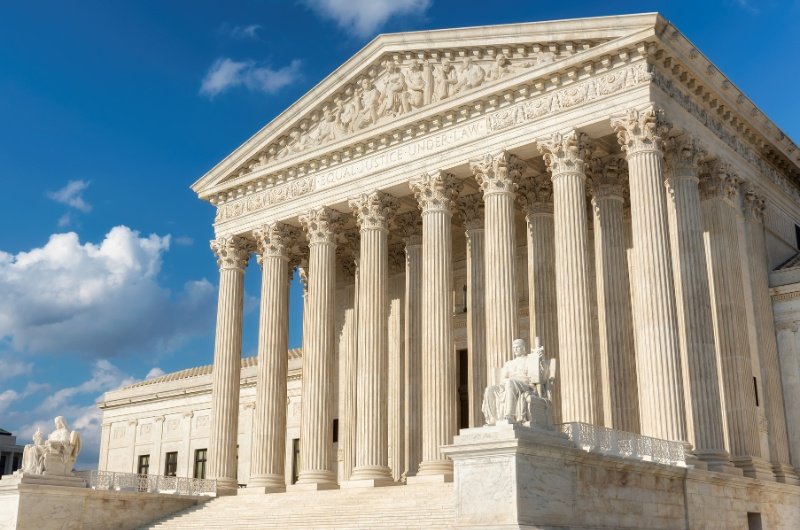
The U.S. Supreme Court is once again at the center of a high-stakes legal fight over birthright citizenship, placing one of the nation’s most debated constitutional questions back in the national spotlight. The case has renewed attention on whether citizenship granted by birth on U.S. soil can be limited through executive action or whether such a change would require a broader constitutional path.
At the center of the debate is the Fourteenth Amendment, which has long been understood to guarantee citizenship to most people born in the United States. Supporters of that interpretation argue the language is clear and foundational, while critics say the amendment has been applied too broadly in the modern era.
Any ruling or major development tied to the issue could carry sweeping consequences for immigration policy, federal authority, and future legal challenges. It could also shape the national conversation heading into a heated political season, where border security and citizenship remain defining issues for many voters.
For now, the broader policy remains unchanged. But the renewed focus from the nation’s highest court ensures the debate over who becomes an American citizen at birth is far from settled.
The Readovia Lens
Some court cases resolve disputes. Others reopen questions the country thought were already answered. This one may do both.