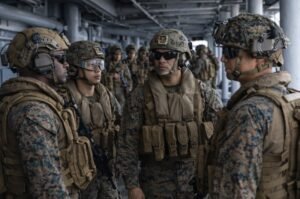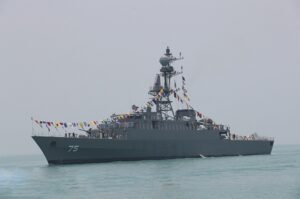
The United States has begun a naval blockade aimed at ships entering and leaving Iranian ports after diplomatic efforts over the weekend failed to produce a breakthrough. The move marks a sharp escalation in an already tense conflict zone tied to one of the world’s most important energy corridors.
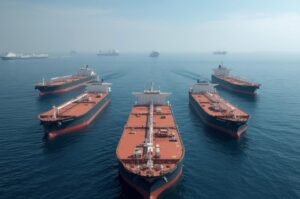
Officials said the operation is focused on Iranian port activity and nearby coastal access points, while broader commercial movement through the Strait of Hormuz is expected to continue for now. Earlier, two U.S. warships sailed through the Strait of Hormuz to help establish a new route for merchant vessels, signaling a more active American role in protecting commercial traffic as tensions with Iran remained high. Even so, the announcement has raised fresh concerns about how long normal shipping can continue if tensions deepen.
Earlier two U.S. warships sailed through the Strait of Hormuz to help establish a new route for merchant vessels, signaling a more active American role in protecting commercial traffic as tensions with Iran remain high.
Security analysts warn the blockade could trigger retaliation from Tehran, increase pressure on U.S. military assets in the region, and create new uncertainty for cargo routes already on edge. What begins as a targeted action can quickly become more complicated if the standoff expands.
Markets responded immediately. Oil prices moved sharply higher as investors weighed the possibility of supply disruptions and slower shipping traffic. Because so much of the world’s energy trade moves through the region, even limited interference can send prices upward.
For Americans, the effects may not stay overseas. Rising oil costs can filter into higher gasoline prices, more expensive deliveries, and renewed inflation pressure for households already managing tight budgets.