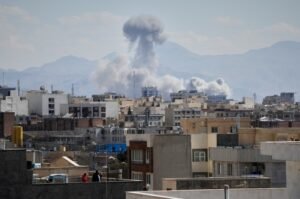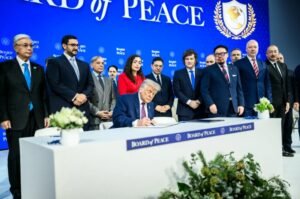



A last-minute agreement between the United States and Iran has halted what was rapidly escalating toward a broader regional war, with both sides agreeing to a temporary ceasefire that immediately eases global tensions.
The deal, announced late Tuesday, establishes a two-week pause in military operations and centers on one critical condition: the reopening of the Strait of Hormuz, one of the world’s most important oil shipping routes. Iran has agreed to allow safe passage through the strait, while the United States has paused planned military strikes that had been imminent just hours before the agreement.
The breakthrough came after intense international mediation, with multiple countries working behind the scenes to prevent a full-scale conflict. Markets responded almost instantly, with oil prices dropping sharply as fears of supply disruption eased.
Despite the dramatic de-escalation, the agreement is being described as fragile and temporary. Key issues remain unresolved, including Iran’s nuclear program, regional military activity, and long-standing economic sanctions. Early reports also suggest differences in how each side interprets parts of the agreement, raising questions about how long the ceasefire will hold.
For now, the deal represents a critical pause — a moment of restraint after weeks of rising threats, military positioning, and warnings of catastrophic consequences.