


Portugal’s Best-Kept Secret: The Alentejo Region Is Having Its Moment
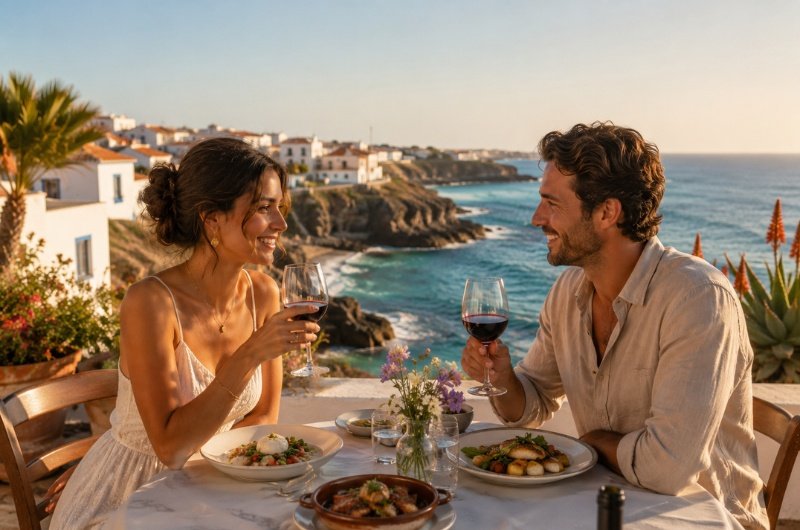
Most travelers who visit Portugal never make it past Lisbon, the Algarve, and perhaps a day trip to Sintra. That itinerary is entirely understandable — Portugal’s capital is among the most livable and beautiful cities in Europe, and the southern beaches are genuinely world-class. But there is a region between the capital and the coast that covers nearly a third of the country, contains some of the most extraordinary landscapes on the Iberian Peninsula, and remains almost entirely undiscovered by the international travelers rushing past it on the way to somewhere more familiar. The Alentejo is Portugal at its most authentic, it is quietly emerging as one of Europe’s most compelling slow-travel destinations. The defining characteristic of the Alentejo — a name that translates roughly as “beyond the Tagus river” — is its extraordinary sense of space. Rolling golden plains stretch to every horizon under an immense sky. Ancient cork oak forests shade empty back roads where the only sound is the wind moving through the wheat. The region is home to just 5% of Portugal’s population despite covering roughly 30% of its land area, and that imbalance gives the Alentejo a rare quality in modern travel: true quietude. At its heart lies Évora, a UNESCO World Heritage city that has been continuously inhabited since Roman times, its medieval walls and iconic Roman Temple rising from the plains as they have for two thousand years. The city’s streets contain more history per square kilometer than almost anywhere else in Western Europe — and its restaurants, serving slow-cooked lamb and black pork dishes with locally pressed olive oil and bread still warm from the oven, are making serious inroads on the culinary map. The villages surrounding Évora are where the Alentejo’s character becomes unmistakable. Monsaraz, a medieval walled settlement perched on a hilltop above the glittering Alqueva Reservoir — Europe’s largest artificial lake — feels genuinely suspended in time, its narrow cobblestone lanes and whitewashed houses with blue trim offering some of the most striking golden-hour views in Portugal. Marvão, up in the northern Serra de São Mamede mountains, is a fortified village on a granite outcrop with panoramic views stretching into Spain on a clear day. And scattered across the countryside between these villages lie the megalithic stone circles of the Cromelque dos Almendres, among the oldest prehistoric monuments in Europe — predating Stonehenge by two thousand years, and standing largely in solitude among the cork trees with no ticket queue in sight. The wine story here is as compelling as anything the region offers culturally. The Alentejo has emerged over the past decade as one of Portugal’s most exciting wine regions, producing bold, generous reds from varieties like Alicante Bouschet and Aragonez alongside increasingly refined whites. The terroir — granite, schist, and limestone soils under a Mediterranean climate tempered by Atlantic breezes — creates wines of genuine complexity, and the region’s estate wineries welcome visitors with the kind of unhurried hospitality that more famous wine regions have largely lost. In 2026, the southern sub-region of Baixo Alentejo holds the designation of European Wine City of the Year, bringing a calendar of open-cellar days, amphora tastings, and village wine routes that offer rare access to winemakers still fermenting in ancient clay vessels as the Romans did. For travelers who love wine but have grown tired of Napa or Tuscany, this is the new frontier. What the Alentejo requires from its visitors is a car, a willingness to linger, and a resistance to over-scheduling. The region reveals itself slowly — through a long lunch on a winery terrace, through an afternoon drive through cork forest where the trees are being harvested by hand as they have been for centuries, through an evening glass of local red in the square of a village where the same families have gathered at dusk for generations. This is travel as restoration rather than consumption, and it has found its moment precisely because so many travelers are reaching the end of their patience with destinations designed entirely around the needs of mass tourism. The Alentejo was not designed for tourism at all. It was designed for living, and that, increasingly, is exactly what makes it worth visiting.
The Greek Islands You Haven’t Heard Of — And Why Now Is A Great Time to Discover Them
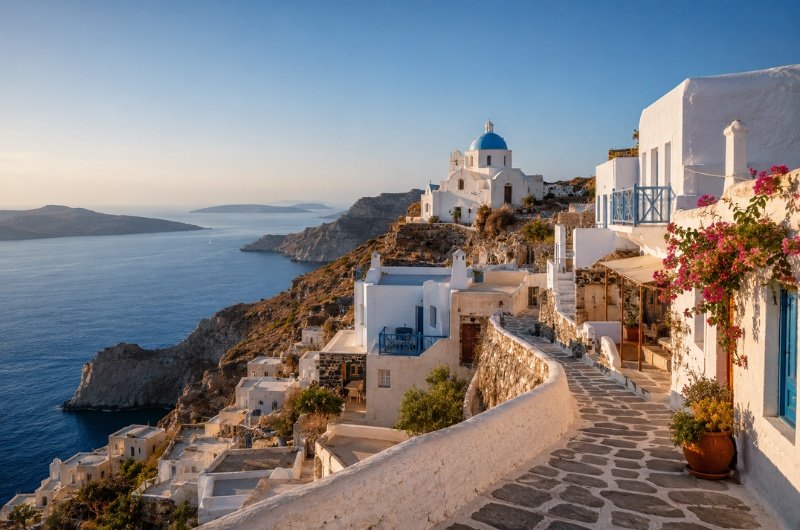
Greece’s lesser-known islands offer travelers a chance to experience whitewashed villages, winding stone pathways, and sweeping Aegean views away from the crowds. Santorini, the caldera-view island that launched a thousand Instagram accounts — with its stacked whitewashed houses, blue-domed churches, and sunsets so reliably gorgeous they feel almost theatrical — is grappling with a tourism crisis that has reshaped the conversation around Aegean travel. With roughly 3.4 million visitors arriving annually against a permanent population of about 15,500, daily cruise ship arrivals frequently exceeding local capacity limits, and residential rents that have surged dramatically as short-term rentals crowd out long-term residents, the island’s own authorities now speak openly of a destination at a breaking point. Greece’s government has put new tourism management laws in place for 2026, and the conversation has finally turned to a question seasoned travelers have been asking for years: what about everywhere else? The answer is richer than most people expect. Greece has more than 200 inhabited islands, and while Santorini and Mykonos have absorbed the bulk of international attention, a constellation of Cycladic alternatives offers Aegean beauty without the structural strain. Milos, the volcanic island in the western Cyclades roughly three hours by ferry from Athens, is frequently described by those who have visited as the most visually dramatic island in Greece. Its coastline is a geological theater — sculpted by ancient volcanic activity into formations of wild color and improbable shape. Sarakiniko beach, with its lunar landscape of bleached white pumice and electric blue water, looks unlike anything else in the Mediterranean. The colorful fishing village of Klima, with its boatshed houses painted in faded ochres and reds, painted directly into the rock above the sea, is quietly one of the most photogenic places in Europe. A boat tour around Milos to the sea caves of Kleftiko is considered non-negotiable by those who have made the trip. Folegandros, tucked an hour’s ferry ride southwest of Santorini, operates at an entirely different frequency. The island has no airport, one main road, and no cruise ship calls — a combination that enforces the kind of unhurried pace that the rest of the Cyclades has largely surrendered. Its main town, Chora, is widely considered to have the most beautiful village center in the island group: a medieval settlement of flower-draped passageways and Venetian-era architecture, perched on a cliff above the sea with views that shift from gold to violet as the sun goes down. Above the village, the Church of Panagia sits on a dramatic rocky promontory, reached by a steeply winding path that rewards the climb with a panorama of open Aegean. There are beaches to swim from, hiking paths that trace the island’s ridgelines, and restaurants where the octopus drying on the line outside is the same one arriving on your plate. For travelers who want romance without performance, Folegandros is the answer. Naxos, the largest of the Cyclades, works best for those who want variety rather than a single defining experience. It has long sandy beaches — Agios Prokopios and Plaka among the finest in Greece — that Santorini conspicuously lacks. It has ancient ruins, including the massive marble doorway of the unfinished Temple of Apollo standing alone at the harbor entrance. It has mountain villages in its interior where the air smells of thyme and the pace of life has barely shifted in decades. And it produces exceptional food: Naxian potatoes and cheeses are considered among the best in the country, and the island’s tavernas reflect that localism in a way that tourist-saturated destinations rarely manage. Naxos also functions as an excellent ferry hub, connecting easily to the smaller islands of the Little Cyclades — Koufonisia, Schinoussa, Donousa — which for now remain almost entirely off the international radar. The Readovia Lens The shift in how travelers are approaching the Greek islands feels durable rather than merely fashionable. Greece itself is responding to it, investing in ferry connectivity to less-visited destinations and promoting its interior and northern regions alongside the classic Cycladic circuit. Travelers who act on this moment — before Milos becomes the next Santorini, before Folegandros acquires a direct flight — will find an Aegean that still rewards curiosity. The blue-domed postcard image remains beautiful. But the real Greece is bigger, quieter, and considerably more interesting than any single island can contain.
Why One Cruise Is Often Never Enough
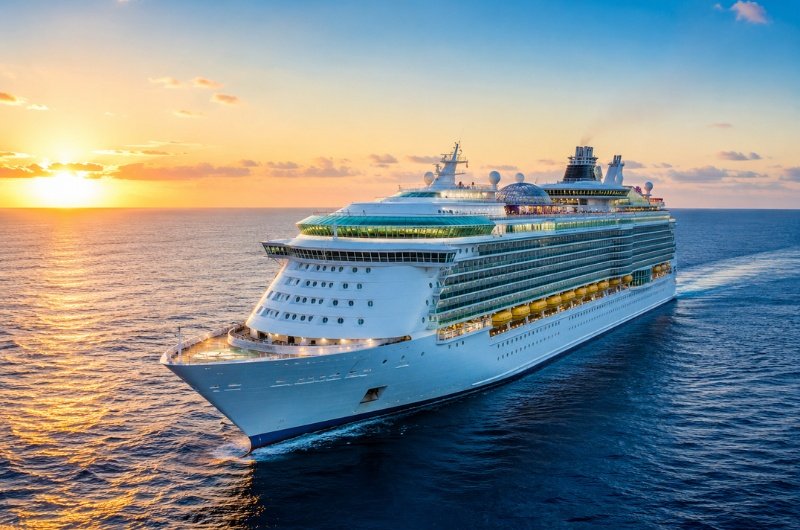
For many travelers, a cruise vacation is supposed to be a one-time experience. Yet talk to experienced cruisers and you’ll often hear the same thing: they’re already planning their next voyage before the current one even ends. From first-time passengers to lifelong cruise enthusiasts, the industry has built an unusually loyal following that continues to grow year after year. Part of the appeal is convenience. Unlike traditional vacations that may require multiple hotel reservations, restaurant choices, rental cars, and transportation plans, a cruise combines nearly everything into one experience. Travelers unpack once, settle into their stateroom, and wake up in a new destination every few days without constantly repacking or navigating unfamiliar airports and highways. Advertisement The onboard dining experience is another major draw. Modern cruise ships offer an extraordinary variety of food options, ranging from expansive buffets and complimentary dining rooms to specialty restaurants serving everything from steaks and seafood to international cuisine. For many guests, dining becomes an attraction of its own, with the opportunity to enjoy different experiences throughout the voyage without leaving the ship. Entertainment also plays a significant role. Today’s cruise ships are floating resorts packed with activities from morning until late at night. Depending on the ship, guests may find Broadway-style productions, live music, comedy shows, water parks, casinos, fitness centers, spas, ice-skating performances, and countless other activities. The variety helps explain why cruises appeal to couples, families, retirees, and multigenerational groups alike. Value remains another important factor. While prices vary widely depending on the cruise line and itinerary, many travelers appreciate knowing that accommodations, meals, entertainment, and transportation between destinations are bundled together. That simplicity can make vacation budgeting easier and often compares favorably with the cost of visiting multiple destinations independently. Perhaps the biggest reason travelers return, however, is the unique feeling that cruising creates. Life on board moves at a different pace. Mornings begin with ocean views, afternoons might include exploring a new port, and evenings often end with dinner and a show. For a few days, everyday responsibilities seem farther away than they do during many other types of vacations. That combination of convenience, entertainment, dining, value, and escape helps explain why so many travelers become repeat cruisers. The destinations may initially attract passengers to a cruise, but for many, it’s the overall experience that keeps them coming back.
The Solo Traveler: Adventure on Your Own Terms

Solo travel is no longer a fringe pursuit — it’s becoming one of the defining trends of modern exploration. From luxury resorts to boutique city stays, the travel industry is adapting to a new generation of travelers who prefer setting out on their own. Airlines and hotels report increasing numbers of single bookings, while tour operators are launching solo-friendly packages designed to attract this growing demographic. The appeal is as much about freedom as it is about discovery. Traveling solo means following your own schedule, indulging personal curiosities, and connecting with new people along the way. For many, it’s an empowering experience that fosters confidence, independence, and a deeper sense of cultural immersion. Destinations like Bali, Lisbon, and Tokyo have become magnets for solo adventurers, offering both safety and vibrant social scenes. Luxury travel brands are also recognizing the opportunity. Upscale hotels and resorts are introducing curated experiences for individuals — from guided tastings to one-on-one adventure excursions. Solo travelers are often highly engaged spenders, eager to invest in meaningful activities and personalized services rather than compromise for group preferences. But going it alone isn’t without challenges. Traveling alone can sometimes be more expensive, with hotels and cruises charging nearly the same rates as if two people were staying. Safety concerns and occasional loneliness also remain real considerations. Savvy travelers overcome these obstacles with thoughtful planning, leaning on online communities, curated itineraries, and flexible accommodations like co-living spaces that balance solitude with social connection. As more travelers embrace the idea of taking flight alone, the solo journey is being redefined not as a fallback option, but as a deliberate choice — a chance to design an adventure on your own terms. For many, it’s not just travel — it’s transformation.
Italy’s Most Romantic Escapes: The Amalfi Coast & Venice in Summer
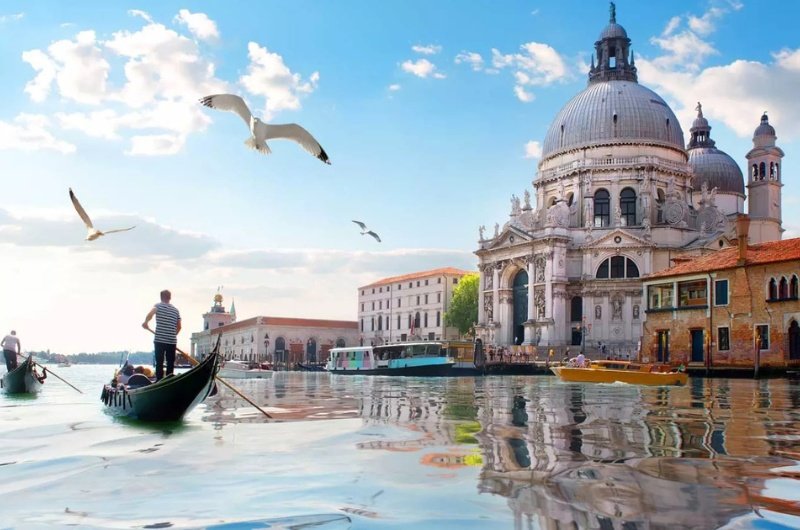
Italy in summer is an experience shaped by beauty, atmosphere, and unforgettable moments. Nowhere is that more evident than along the Amalfi Coast and in Venice, two destinations that continue to define romance at its highest level. The Amalfi Coast: Cliffside Beauty and Coastal Elegance Stretching along southern Italy’s coastline, the Amalfi Coast delivers a visual experience that feels almost unreal. Towns like Positano cascade down dramatic cliffs, with pastel buildings overlooking the Mediterranean in a way that feels both cinematic and serene. At the center of this experience is Il San Pietro di Positano, one of the most iconic luxury hotels in the region. Built into the cliffs, the property offers sweeping sea views, private beach access via a carved elevator through the rock, and terraces that feel suspended above the water. It’s not just a place to stay — it’s part of the destination itself. Days here are best spent slowly — lounging by the water, taking a boat along the coast, or enjoying long lunches overlooking the sea. The pace is intentional, the setting unforgettable. Venice: A City That Moves to Its Own Rhythm If the Amalfi Coast is about open views and sunlit escape, Venice offers something entirely different — intimacy, mystery, and quiet romance. Built on water, the city replaces roads with canals and cars with boats. Gondola rides at sunset, walks across centuries-old bridges, and evenings in softly lit piazzas create an atmosphere that feels almost suspended in time. Landmarks like St. Mark’s Square and the Grand Canal provide iconic backdrops, but it’s often the quieter moments — a hidden café, a narrow alley, a view that appears unexpectedly — that leave the strongest impression. The Experience Together, the Amalfi Coast and Venice offer two sides of Italy’s summer appeal: one expansive and sun-drenched, the other intimate and reflective. Both invite travelers to slow down, to be present, and to experience something that goes beyond sightseeing. The Readovia Lens Luxury travel is about where you go — but also how a place makes you feel. On the Amalfi Coast, that feeling comes from openness and light. In Venice, it comes from stillness and atmosphere. Experiencing both creates something rare: contrast, balance, and a deeper sense of escape.
Atlantis Paradise Island: Inside the Caribbean’s Most Iconic All-In-One Resort Escape
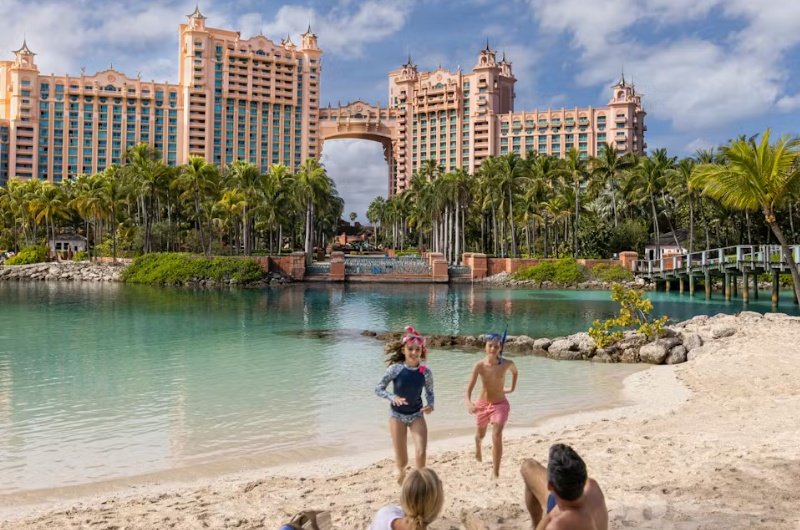
There are beach resorts—and then there is Atlantis Paradise Island, a destination that feels less like a hotel and more like a self-contained world. Set along miles of white sand and turquoise water in the Bahamas, the resort blends luxury, entertainment, and natural beauty into a single, expansive experience designed for both relaxation and adventure. At the heart of Atlantis is Aquaventure, a 141-acre water playground featuring high-speed slides, river rides, and dozens of swimming areas woven through lush tropical landscapes. Guests also have access to more than 14 pools and over 20 swimmable spots, along with five miles of pristine beaches that stretch across the island. But Atlantis is more than just water. The resort spans five distinct hotel properties, each offering a different level of experience—from family-friendly stays to elevated, adults-focused luxury. Across the property, guests can explore more than 40 restaurants, bars, and lounges, ranging from casual beachfront dining to fine culinary experiences, making it one of the most expansive dining destinations in the Caribbean. The resort is also home to one of the largest open-air marine habitats in the world, where thousands of sea creatures—from sharks to stingrays—move through lagoons and aquariums designed to immerse visitors in ocean life. Dining, shopping, and entertainment extend into a lively marina village, creating a seamless blend of resort living and island exploration. In the end, Atlantis Paradise Island delivers something few destinations can: variety at scale. Whether you’re spending the day poolside, drifting through a mile-long river, or stepping onto powder-soft sand at sunset, the experience feels curated, immersive, and unmistakably unforgettable.
The Return of Rail: Why Trains Are Gaining Ground in 2026

Airports remain busy, but a quieter shift is underway across global travel: rail is making a comeback. In both Europe and parts of the United States, rail travel is attracting renewed interest from leisure and business travelers alike. High-speed routes abroad and expanded regional corridors domestically are offering an alternative to congested airports, fluctuating airfare, and unpredictable delays. For many travelers, the appeal is simple — fewer security lines, city-center arrivals, and a more relaxed journey. Advertisement The resurgence is not purely nostalgic. Sustainability concerns are influencing booking decisions, particularly among younger travelers and corporate clients with emissions targets. Rail often carries a smaller carbon footprint than short-haul flights, making it an attractive option for environmentally conscious travel. There is also a psychological shift at play. After years of rushed itineraries and packed schedules, travelers are showing greater appreciation for the journey itself. Rail travel encourages a slower rhythm — scenic views, uninterrupted work time, and fewer logistical disruptions. The experience feels less transactional and more immersive. Airlines are unlikely to lose dominance in long-distance travel, but rail is carving out a stronger role in regional and intercity routes. As infrastructure investments continue and traveler preferences evolve, the rails may prove to be one of the more understated winners of the 2026 travel landscape.
2026 Hotel Rankings Released, Highlighting How Travelers Are Rethinking Where They Stay
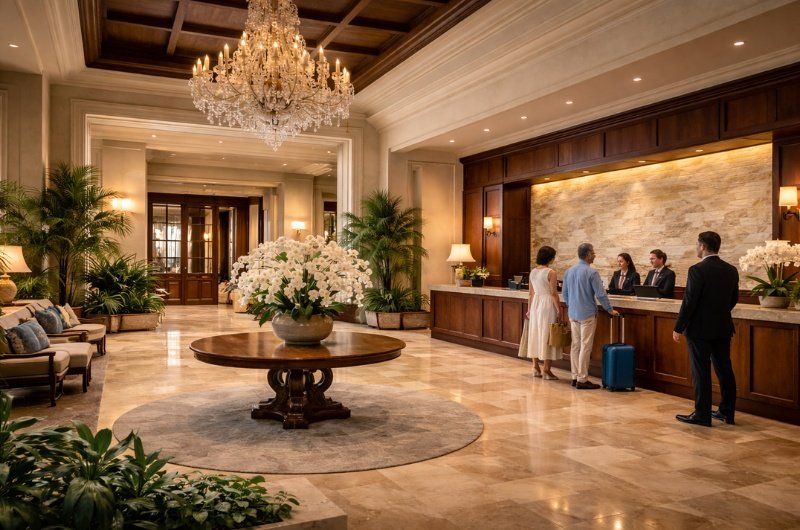
U.S. News & World Report has released its 2026 hotel rankings, offering travelers an early look at which properties are shaping travel decisions for the year ahead. The annual release evaluates tens of thousands of hotels across hundreds of destinations, reflecting a growing emphasis on experience, comfort, and overall value rather than brand recognition alone. The rankings are based on a weighted methodology designed to balance professional evaluation with real-world traveler experience. Each hotel is scored using a combination of industry-recognized star ratings, awards and distinctions, expert assessments from the travel community, and guest satisfaction data drawn from traveler reviews. Together, these factors aim to reflect both established quality standards and how properties perform during actual stays. Luxury resorts continue to dominate the top tier, with properties such as Four Seasons Resort Hualalai and Four Seasons Resort Lanai earning high marks for service, setting, and guest experience. At the same time, standout city hotels like The Langham Chicago show that urban stays remain competitive by pairing prime locations with thoughtful design and personalized service. Beyond the headline names, the 2026 rankings point to a broader shift in traveler priorities. Wellness-focused amenities, access to outdoor spaces, and a strong sense of place are increasingly influencing booking decisions, particularly as travelers opt for fewer trips that feel more intentional and rewarding. As planning for 2026 travel accelerates, the rankings serve less as a checklist and more as a guide. Whether booking a beachfront retreat or a city escape, travelers appear increasingly focused on hotels that enhance the journey itself — not just provide a place to sleep.
The Reality of Coastal Living, Beyond the Vacation Fantasy
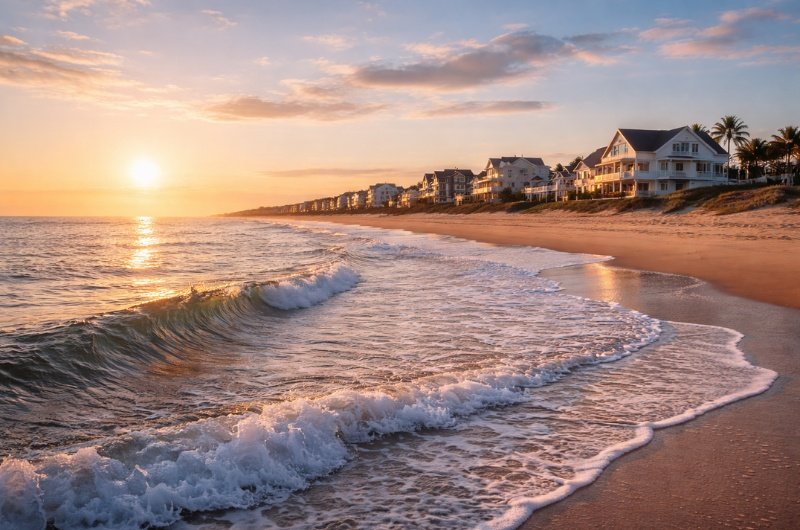
For many Americans, coastal living represents the ultimate escape — ocean views, salt air, and a slower pace that feels worlds away from everyday stress. Beach towns have long been romanticized as places where life feels lighter, mornings start calmer, and routines revolve around tides rather than traffic. But those who actually live near the coast say the experience is more nuanced than the vacation version suggests. While the scenery is undeniably beautiful, coastal life comes with rhythms that take adjustment. Weather plays a bigger role in daily planning, seasonal shifts can dramatically change a town’s energy, and the quiet months often look very different from peak tourist season. There are also practical realities that rarely show up in travel brochures. Coastal communities often face higher living costs, limited housing inventory, and added maintenance tied to salt air, humidity, and storms. In tourist-driven beach towns, many restaurants and attractions close or scale back during late fall and winter months, leaving residents with fewer dining and entertainment options outside of peak season. For homeowners, insurance considerations and weather preparedness are part of the lifestyle, not occasional concerns. At the same time, many residents say the tradeoffs are worth it. Living near the water often encourages a more intentional pace — daily walks, outdoor routines, and stronger ties to local community life. For remote workers and retirees especially, coastal towns offer a sense of balance that’s harder to find elsewhere. Ultimately, coastal living isn’t just about the view. It’s a lifestyle choice shaped by environment, priorities, and expectations. For those drawn to the water, the appeal goes deeper than escape — it’s about aligning daily life with a setting that feels both grounding and inspiring, even when the fantasy gives way to reality.
Exotic Destinations Gaining Attention as Travelers Look Beyond the Usual Getaways
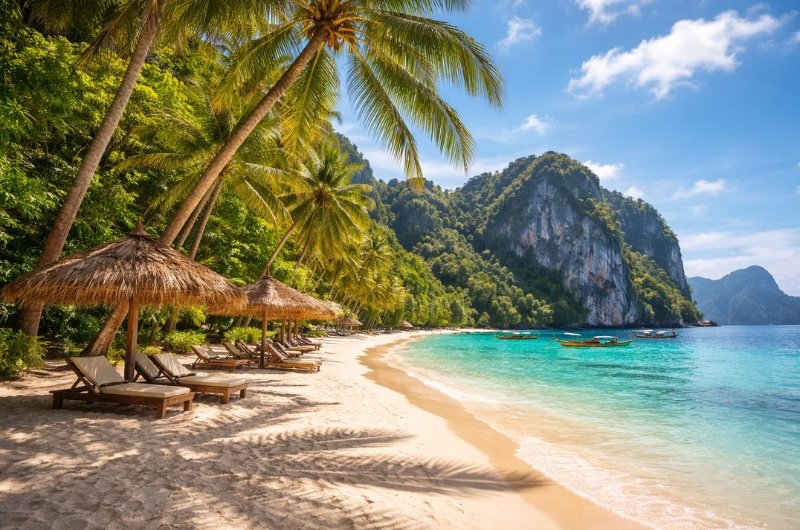
As international travel continues to rebound, many travelers are looking past familiar vacation hubs and turning toward destinations that offer something rarer: distance from crowds, deeper cultural immersion, and a sense of discovery. The result is renewed interest in places once considered too remote, too complex, or simply overlooked. Across Africa, Southeast Asia, and the South Pacific, travelers are gravitating toward destinations that balance natural beauty with authenticity. Countries such as Namibia, Laos, and Vanuatu are drawing attention for their landscapes, slower pace, and experiences that feel untouched by mass tourism. These locations offer dramatic scenery, rich traditions, and a growing emphasis on sustainable travel. In the Indian Ocean, islands like Madagascar and Mauritius are emerging as alternatives to more commercialized beach destinations. With biodiversity found nowhere else on Earth and a mix of cultural influences, these islands appeal to travelers seeking both relaxation and exploration. Similarly, Central Asia is quietly gaining momentum, with countries like Uzbekistan attracting visitors interested in ancient trade routes, historic cities, and architectural heritage. Travel advisors note that today’s travelers are prioritizing meaning over volume. Rather than packing multiple cities into a single trip, many are choosing longer stays in one destination, allowing time to connect with local communities and environments. Improved flight access and expanded boutique accommodations are making these once-distant locations more approachable. As 2026 approaches, exotic travel is being redefined. It is less about luxury alone and more about rarity, perspective, and experiences that leave a lasting imprint long after the journey ends.