

Supreme Court Opens the Door to Trump’s Mail-In Ballot Restrictions Ahead of Midterms

The Supreme Court has removed a major legal obstacle blocking President Donald Trump’s effort to impose new federal requirements on mail-in ballots, potentially allowing parts of the administration’s election plan to move forward just months before the November midterms. In a 6–3 decision Monday, the Court stayed an injunction that had prevented federal agencies from implementing portions of Trump’s March executive order on federal elections. But the justices did not rule that the ballot restrictions themselves are legal. Instead, the majority concluded that the states challenging the order had gone to court too early, before federal agencies had taken final action to implement the policies. One of the most consequential provisions directs the U.S. Postal Service to pursue new rules for ballots sent through the mail. Those rules could require states to use approved election-mail markings and barcodes, submit ballot-envelope designs for Postal Service review and provide information identifying voters expected to receive ballots by mail. The administration says the measures are intended to strengthen election integrity, while states challenging the order argue that the federal government is intruding on their constitutional authority to administer elections. The Supreme Court’s action does not mean the new requirements immediately take effect nationwide. A separate nationwide injunction issued in another lawsuit continues to block implementation of the Postal Service provisions for the November election, and that dispute is still moving through the courts. The administration is seeking to have that restriction removed as well. The timing makes the legal battle particularly significant. States are already preparing ballots and voting systems for the November midterms, with some deadlines only weeks away. If the remaining injunction is lifted and federal agencies move ahead with the new requirements, election officials could face substantial changes to mail-ballot procedures close to Election Day. The Supreme Court also made clear that Monday’s decision does not prevent future legal challenges once agencies take final action, meaning the fight over how Americans vote by mail is far from settled.
Trump’s Former Defense Attorney Todd Blanche Becomes U.S. Attorney General
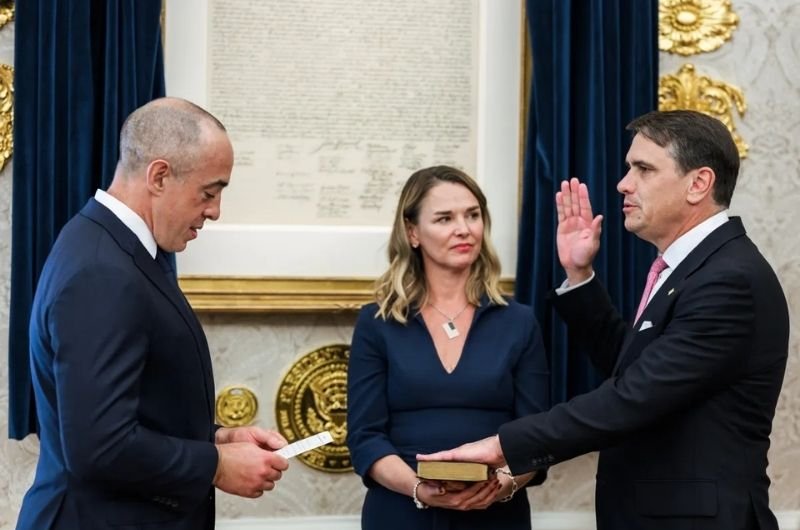
Todd Blanche has been sworn in as the 88th attorney general of the United States, formally taking control of the Justice Department after a narrow Senate confirmation and a contentious fight over his leadership of one of the federal government’s most powerful agencies. The Senate confirmed Blanche 50–49 on Saturday, August 8, after two Republicans — Sens. Susan Collins of Maine and Lisa Murkowski of Alaska — joined Democrats in opposing his nomination. Blanche took the oath of office at the White House on Monday, August 10, with federal appeals court judge Emil Bove, another former attorney for President Donald Trump, administering the oath. Blanche had already been leading the Justice Department as acting attorney general since April, when Trump removed Pam Bondi from the position. Before entering the administration, Blanche worked as a federal prosecutor and later became one of Trump’s personal criminal-defense attorneys. He represented Trump in the New York criminal case that resulted in Trump’s 2024 conviction and also worked on his defense in federal criminal cases before joining the administration as deputy attorney general in 2025. Blanche’s confirmation nearly collapsed over a proposed $1.8 billion “Anti-Weaponization Fund” created as part of the settlement of Trump’s $10 billion lawsuit against the IRS. The fund was intended to compensate people who claimed they had been unfairly targeted by the federal government, potentially including Trump allies. Republican Sens. John Cornyn and Thom Tillis withheld their support for Blanche until he provided written assurances that the Justice Department would rescind the fund. Blanche ultimately issued an order ending it, helping clear the way for his confirmation. Blanche now assumes the office with considerably more history inside the department than a typical incoming attorney general. During his months as acting attorney general, he established a National Fraud Enforcement Division, pursued antitrust investigations involving meatpacking operations and directed new Justice Department initiatives involving human trafficking, child exploitation and religious-liberty protections. His confirmation converts that temporary authority into a Senate-confirmed tenure at the helm of the Justice Department as the administration continues reshaping federal law-enforcement priorities.
Who Is Abdul El-Sayed? Meet the Democrat Who Just Won Michigan’s Senate Primary

Abdul El-Sayed has won Michigan’s Democratic primary for U.S. Senate, narrowly defeating U.S. Rep. Haley Stevens after a closely contested race that took more than a day to call. The victory puts the 41-year-old physician and progressive Democrat into a November showdown with Republican Mike Rogers — and within reach of becoming the first Muslim elected to the U.S. Senate. El-Sayed is a doctor and former public-health official who previously led Detroit’s health department. He first gained national political attention during his unsuccessful 2018 campaign for Michigan governor, then spent several years largely outside electoral politics before returning for the open Senate race. His latest campaign built a large grassroots operation that held hundreds of events across Michigan and attracted thousands of volunteers. Politically, El-Sayed has aligned himself with the Democratic Party’s progressive wing and received support from figures including Sen. Bernie Sanders and Rep. Alexandria Ocasio-Cortez. His campaign emphasized expanding health coverage, lowering costs for working families, reducing the influence of large donors in politics and ending unconditional U.S. military aid to Israel. That agenda put him in sharp contrast with Stevens, who had support from prominent Democratic establishment figures and benefited from tens of millions of dollars in outside spending. His narrow victory is attracting national attention because Michigan is not a reliably Democratic state. President Donald Trump carried it in 2024, and Democrats need to defend the open Senate seat as part of an already difficult path toward winning control of the chamber. El-Sayed’s campaign will therefore become a major test of whether a progressive candidate who energized Democratic primary voters can build a broader coalition in one of the country’s most important swing states. That challenge begins immediately. Rogers, a former congressman who narrowly lost Michigan’s 2024 Senate election, is already working to portray El-Sayed as too far left for the state. El-Sayed, meanwhile, must bring together Democrats after a divisive primary and win over voters who did not support him. If he succeeds in November, his victory would be significant both for the battle over Senate control and for American political history.
Trump Meets Separately With Zelenskyy and Netanyahu at a Pivotal Moment for Both Wars
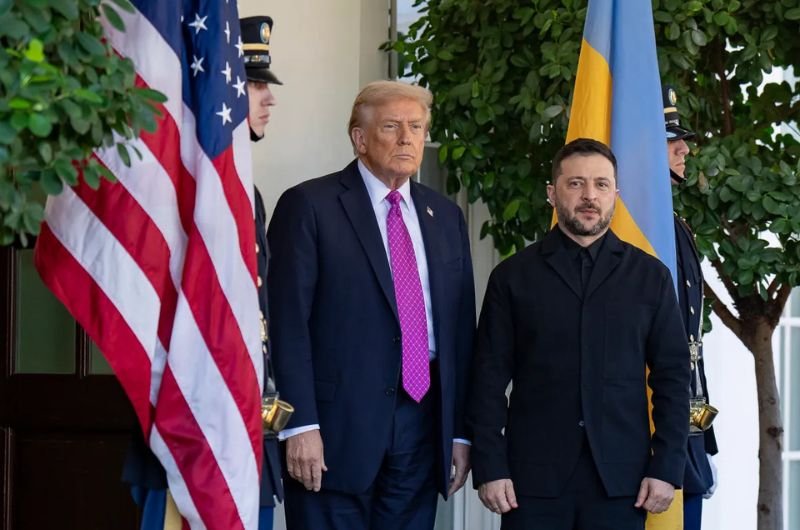
President Donald Trump held separate White House meetings Tuesday with Ukrainian President Volodymyr Zelenskyy and Israeli Prime Minister Benjamin Netanyahu, using a single day to advance two of the administration’s most pressing conflicts: the war in Ukraine and the aftermath of Israel’s joint campaign against Iran. A Ukraine Meeting Focused on Air Defense Zelenskyy’s Oval Office sit-down, his second with Trump this month, centered on expanding Ukraine’s supply of Patriot air defense systems. Zelenskyy said afterward that he and Trump discussed licenses for Patriot interceptor production and other measures, and that both sides agreed the diplomatic process needs to be reinvigorated. The conversation carried added weight given reports that top national security officials have also been weighing how a broader U.S.-Iran escalation could strain the Pentagon’s own stockpiles of air defense interceptors. Trump pushed back on suggestions that American interceptor supplies are running low, telling reporters the U.S. has ample ammunition and blaming the previous administration for depleting stocks sent to Ukraine. Zelenskyy’s visit coincided with a bigger legislative moment: following Senator Lindsey Graham’s funeral, he spent time with senators ahead of a Senate vote on a bipartisan Russia sanctions package that Graham had championed before his death. Senate Minority Leader Chuck Schumer said the vote was meant to show Russian President Vladimir Putin that Ukraine cannot be bullied. Netanyahu’s First In-Person Visit Since the Iran Campaign Netanyahu’s meeting was his first face-to-face with Trump since the two leaders launched their joint military campaign against Iran, and it arrived amid visible strain in the relationship. Trump has reportedly called the Israeli leader “crazy” in recent weeks while also declaring that Israel would not exist without him. Despite the friction, a White House official said the two were expected to cover the war with Iran, progress on Lebanon negotiations, and efforts to expand the Abraham Accords. Sources also said Saudi Arabia’s potential inclusion in the Accords came up directly. The backdrop remains volatile. Iran’s top military command warned this week that its forces would block any vessel transit through the Strait of Hormuz tied to countries backing Trump’s proposal involving Iran’s frozen assets. The Readovia Lens Two allies, two wars, one day at the White House — and both conversations kept circling back to missile defense. Whether that turns into faster Patriot deliveries or just another headline will depend on what the Pentagon can actually spare.
Trump Demands Senate Cancel August Recess Until Voting Bill Passes
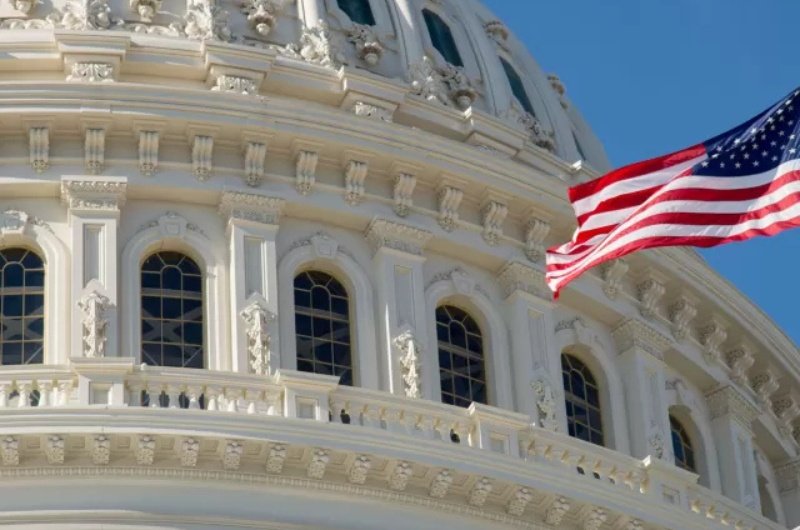
President Trump is demanding that Senate Republicans cancel their August recess and remain in Washington until they pass his sweeping election legislation, escalating pressure on party leaders as Congress approaches its summer break. Trump called on Senate Majority Leader John Thune to keep the chamber in session until lawmakers approve the SAVE America Act or eliminate the legislative filibuster standing in its way. Republicans control the Senate 53–47 but would generally need 60 votes to advance the legislation over Democratic opposition. The bill would require people registering to vote in federal elections to provide documentary proof of U.S. citizenship and require voters to show photo identification at the polls. Supporters describe the measures as basic election safeguards, while opponents warn that millions of eligible Americans could face difficulty obtaining or presenting the required documents. Trump’s demand places Thune under increasing pressure from conservative senators who have also called for the recess to be postponed. Senate leaders are simultaneously confronting government-funding deadlines and several other unfinished legislative priorities, leaving little time to resolve the voting-bill standoff before lawmakers are scheduled to leave Washington. The confrontation could now become a test of Republican unity ahead of the midterm elections. Trump has urged senators to find a procedural workaround if they will not eliminate the filibuster, but Senate Republicans have yet to demonstrate that they have enough support to move the bill forward through another route.
House Narrowly Advances $95 Billion Funding Plan Backing Defense, Farm Aid and Election Measures
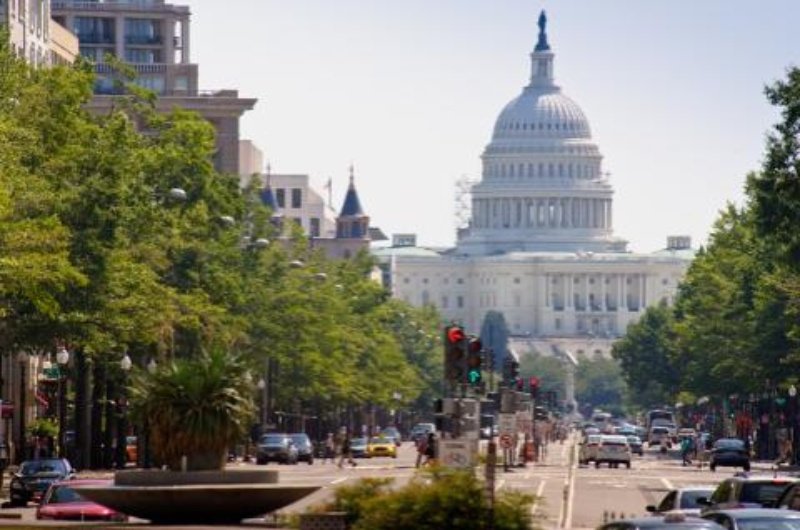
The U.S. House of Representatives narrowly approved a Republican-backed budget blueprint Wednesday that would pave the way for a $95 billion funding package supporting defense operations, farm assistance and election-related initiatives championed by President Donald Trump. The measure passed 216–214 and now heads to the Senate, where its future remains uncertain. The proposal is a budget resolution, meaning it does not immediately provide funding but instructs House committees to draft legislation that could eventually move through the budget reconciliation process. Republicans say the package is intended to strengthen national security, provide relief to farmers affected by tariffs and advance provisions related to the SAVE America Act. The blueprint would allow up to $60 billion for the Pentagon, $13 billion for intelligence and national security programs, $12 billion for agricultural assistance, and $10 billion for election-related initiatives. Democratic lawmakers opposed the plan, arguing it prioritizes military spending and election policies over other domestic needs, while some Republican fiscal conservatives also voted against it because the proposal does not include offsetting spending cuts. Attention now shifts to the Senate, where Republican leaders have expressed reservations about portions of the proposal and have not committed to bringing the package to the floor immediately. Any final legislation would still need Senate approval before reaching President Trump’s desk.
Trump’s ‘Really Big News’ Primetime Address Centers on Election Security Claims
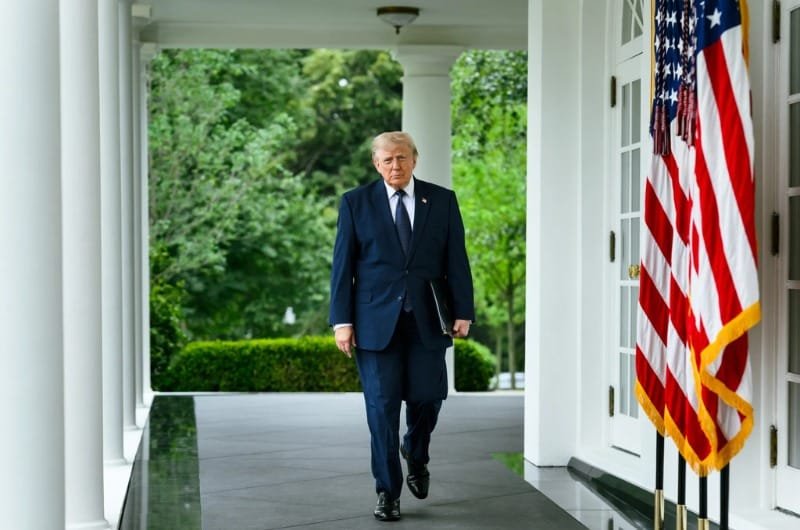
President Donald Trump used a nationally televised primetime address Thursday night to focus on election security, announcing the declassification of intelligence documents that he said reveal foreign efforts to target U.S. election systems and expose vulnerabilities in the nation’s voting infrastructure. During the nearly 30-minute address, Trump alleged that China obtained millions of U.S. voter records and argued that intelligence officials withheld critical information from both his administration and the public. He also called on Congress to advance election security legislation and said the Justice Department should investigate those involved if wrongdoing is found. The White House described the declassified records as evidence of significant foreign election threats and said the documents highlight the need for stronger safeguards to protect future elections. Administration officials said the release is intended to improve transparency and restore public confidence in the electoral process. Election experts and several news organizations, however, said the newly released documents do not provide evidence that votes were altered or that the outcome of the 2020 presidential election was changed. They noted that while the documents discuss foreign interest in U.S. election systems and cybersecurity concerns, many of the broader claims made during the address remain disputed. The speech, which Trump had previewed earlier this week as containing “really big news,” quickly became one of the day’s most closely watched political events and is expected to keep election security at the center of national debate as the country moves toward the 2026 midterm elections.
Darline Graham Sworn In to Complete Late Brother Lindsey Graham’s Senate Term
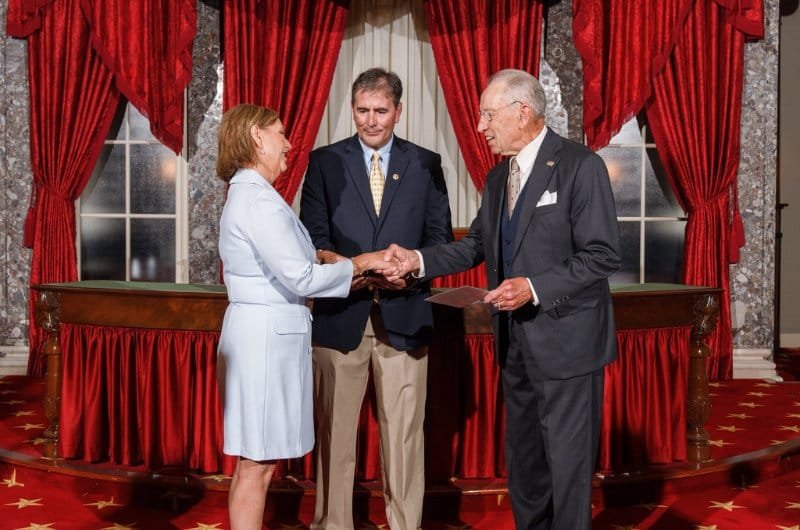
Darline Graham was sworn in Tuesday to complete the Senate term of her late brother, Lindsey Graham, becoming the first woman to represent South Carolina in the U.S. Senate after his sudden death over the weekend. President Trump endorsed Graham for the appointment before South Carolina Gov. Henry McMaster officially named her to complete the remainder of her late brother’s Senate term on Monday. Sen. Chuck Grassley administered the oath of office Tuesday as senators from both parties stood in attendance. Although she has never held elected office, Graham has served since 2019 as a commissioner on the South Carolina Commission for the Blind and previously worked at Clemson University and in South Carolina state government. After their parents died when she was a child, Lindsey Graham became her legal guardian and helped raise her. Speaking after taking the oath, Graham called it an “honor” to succeed her older brother in the Senate. She said he had always been there for her and vowed, “Now, I will be there for him,” adding that she plans to honor his legacy during the remainder of his term. Lindsey Graham died Saturday at age 71 after what officials said was an aortic dissection caused by cardiovascular disease. South Carolina Republicans are expected to choose a nominee in a special primary next month ahead of the November election, while Darline Graham will serve in the Senate until a successor is elected. ——————– Related: Sen. Lindsey Graham Dies at 71 After Decades of Public Service
Sen. Lindsey Graham Dies at 71 After Decades of Public Service
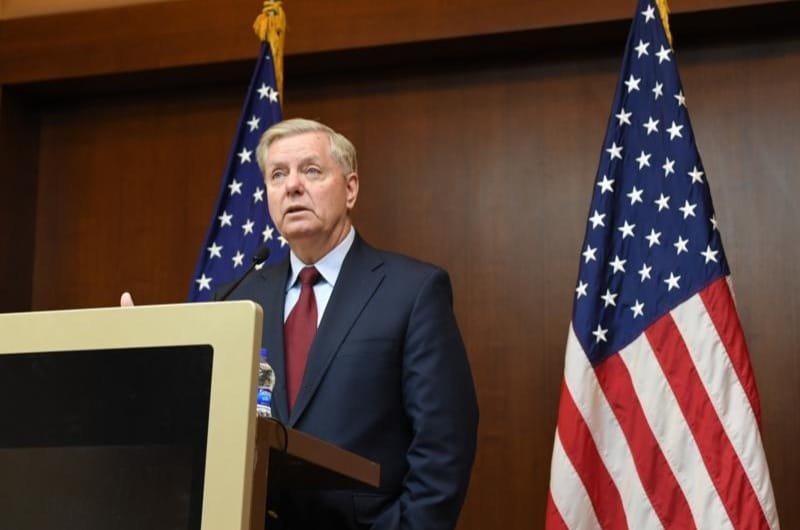
Sen. Lindsey Graham, the longtime Republican lawmaker from South Carolina and one of the Senate’s most influential voices on national security and foreign policy, has died at the age of 71 following what his office initially described as a brief and sudden illness. Preliminary findings from the medical examiner indicate Graham died from an aortic dissection. Graham represented South Carolina in the U.S. Senate for more than two decades after first being elected in 2002. Before that, he served four terms in the U.S. House of Representatives and spent more than 30 years in the U.S. Air Force and Air Force Reserve, retiring with the rank of colonel. Throughout his career, he became known for his work on national defense, the judiciary, and international affairs. Although he was an outspoken critic of Donald Trump during the 2016 Republican presidential primary, Graham later became one of the president’s closest allies and a key adviser on foreign policy. He also played a prominent role in judicial confirmations, military policy, and legislation involving Ukraine, Israel, Iran, and Russia. Tributes poured in from political leaders in the United States and abroad, reflecting Graham’s influence on both domestic and international affairs. His death creates a vacancy in the Senate, with South Carolina’s governor expected to appoint an interim successor until voters choose a permanent replacement in a special election. For more than three decades, Graham remained one of the Republican Party’s most recognizable figures. Whether admired or criticized for his outspoken positions and evolving political alliances, he leaves behind a lasting legacy that shaped debates on national security, the federal judiciary, and America’s role on the world stage.
Trump Reshapes Intelligence Leadership as Administration Refocuses National Security Team

The Trump administration is making changes at the highest levels of the U.S. intelligence community as it works to shape the team responsible for advising the president on some of the nation’s most sensitive security issues. The leadership adjustments reflect the White House’s broader effort to ensure that key agencies are aligned with its priorities on global threats, intelligence gathering, and national defense. While changes in senior positions are common during a presidential term, they often attract attention because of the important role intelligence officials play behind the scenes. Advertisement The U.S. intelligence community is made up of multiple agencies that collect information, assess risks, and provide decision-makers with analysis on developments around the world. Those responsibilities can range from monitoring military activity and cyber threats to tracking terrorism and geopolitical tensions. The latest moves come as the administration navigates a rapidly changing international landscape, including ongoing developments in the Middle East and other regions where U.S. interests are closely tied to diplomatic and security decisions. Supporters say a leadership refresh can bring new ideas and help ensure agencies are working toward a common strategy. Others argue that experience and continuity are especially valuable in positions that require long-term planning and coordination. Regardless of perspective, the appointments underscore how much influence senior intelligence leaders have in shaping the information that reaches policymakers and informs decisions affecting national security both at home and abroad.