

Oil Prices Climb as U.S.-Iran Tensions Escalate Near Strait of Hormuz

Oil prices climbed Thursday as military tensions between the United States and Iran put global energy markets back on edge near the Strait of Hormuz. The latest escalation follows reports of increased military activity and confrontations involving vessels operating near the strategic waterway, where a significant portion of the world’s oil supply passes each day. Investors and energy markets are closely watching the situation for signs that disruptions could intensify in the days ahead. The rise in oil prices also renewed concerns about gasoline costs and inflation pressure at a time when many Americans are already facing elevated prices across key household expenses. Analysts say even temporary instability in the region can quickly ripple through global energy markets. The Strait of Hormuz has long been considered one of the most sensitive geopolitical choke points in the world, with tensions between Iran and the United States historically capable of triggering sharp reactions across financial and commodity markets. While officials have not indicated that major supply routes are currently blocked, the growing uncertainty surrounding the region is once again putting global energy security and market stability in focus.
Court Strikes Down Trump’s 10% Global Tariff Plan
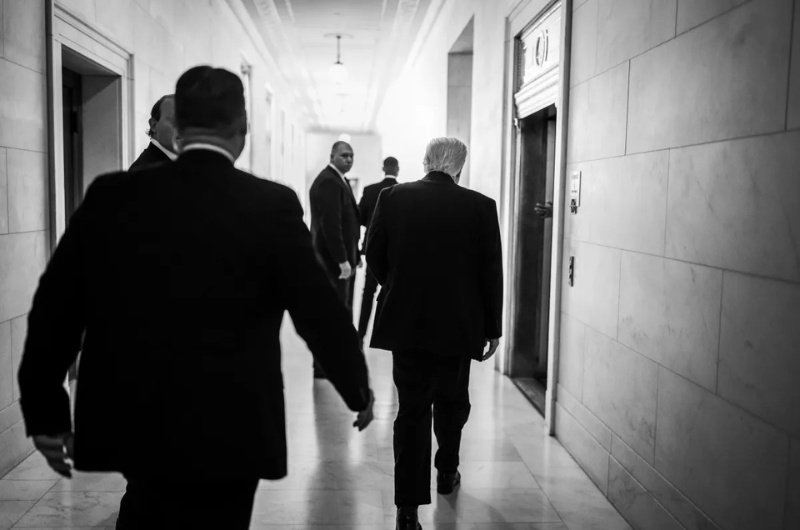
A New York federal trade court has ruled against key parts of President Donald Trump’s new 10% global tariff plan, delivering a major legal setback to one of the administration’s most aggressive economic strategies. The court determined that the White House exceeded its authority in attempting to impose sweeping import tariffs under emergency trade powers. The ruling immediately injects new uncertainty into U.S. trade policy and global markets, particularly for industries already navigating higher costs and supply chain pressure. The tariffs were designed to apply broadly across imported goods and were framed by the administration as a way to protect American manufacturing and reduce dependence on foreign products. The decision is also expected to intensify debate over how much power a president should have to reshape trade policy without direct approval from Congress. Legal experts say the case could carry long-term implications for future administrations seeking to use emergency economic authority to impose broad trade restrictions. Markets reacted cautiously following the ruling, while business groups and import-reliant industries welcomed the decision as a potential relief from rising operational costs. Supporters of the tariff strategy, however, argue the administration was taking necessary steps to strengthen domestic industry and counter foreign economic influence. The White House is expected to challenge the ruling, setting the stage for what could become another closely watched legal and political battle over executive power, trade policy, and the direction of the U.S. economy.
Federal Investigators Examine Billions in Suspicious Oil Trades Linked to Iran War Developments

Federal investigators are examining billions of dollars in unusually timed oil trades placed shortly before major U.S. announcements tied to the Iran conflict, raising new questions about whether politically sensitive information may have been used to generate massive profits in energy markets. According to reports, the Department of Justice and federal regulators are reviewing more than $2.6 billion in oil futures activity that occurred ahead of key developments involving Iran, including military escalations and subsequent diplomatic signals that sent global oil prices swinging sharply. The timing of the trades has drawn scrutiny from officials monitoring potential insider activity connected to geopolitical events. Oil markets have remained highly sensitive to developments involving Iran, one of the world’s major energy producers. Even small shifts in military posture, sanctions policy, or ceasefire expectations can trigger rapid price movements capable of generating enormous gains for traders positioned correctly ahead of the news. Authorities have not publicly accused any individuals or firms of wrongdoing, and the investigation remains in its early stages. Still, the scale of the trades and their proximity to market-moving announcements have intensified attention on how sensitive geopolitical information can ripple through global financial systems before the public fully understands what is unfolding. The investigation comes at a time of heightened concern over the growing intersection of politics, conflict, and financial markets, where information itself can quickly become one of the world’s most valuable commodities.
Commerce Secretary Howard Lutnick to Be Questioned by Lawmakers as Epstein File Fallout Expands

Commerce Secretary Howard Lutnick is expected to face questions from lawmakers as political fallout surrounding the Justice Department’s ongoing Jeffrey Epstein document releases continues to spread across Washington. The renewed scrutiny comes amid growing pressure on federal officials and public figures whose names or connections have surfaced during the expanding review of Epstein-related records. The latest developments come after the Department of Justice released additional materials tied to the Epstein investigation, part of a broader transparency effort that has reignited public attention surrounding the disgraced financier’s network of associates and contacts. While inclusion in the records does not imply criminal wrongdoing, lawmakers on Capitol Hill are increasingly demanding answers from individuals whose past interactions with Epstein are now receiving renewed examination. Lutnick, who has previously denied any inappropriate conduct or close personal relationship with Epstein, is expected to face questions regarding prior social and professional connections referenced in documents and public reporting. The hearings are likely to add another layer of political tension to an already volatile election-year environment, with both parties continuing to accuse each other of selective outrage and inconsistent accountability. The Epstein case has remained one of the most politically and culturally explosive stories in America years after Epstein’s death in federal custody in 2019. Each new document release has fueled another wave of public speculation, online investigation, and renewed calls for transparency from the Justice Department and Congress. Some lawmakers have argued that the public still does not have a complete picture of the relationships, communications, and institutions tied to Epstein’s broader circle. For Washington, the issue is becoming more than a legal or investigative matter. It is increasingly turning into a test of public trust, transparency, and political credibility at a time when confidence in major institutions remains deeply fractured.
Deadly Hantavirus Outbreak Reported on Cruise Ship With Three Deaths

The World Health Organization is investigating a cluster of severe respiratory illness linked to a Dutch-flagged cruise ship after multiple deaths were reported in connection with hantavirus infections. According to a Disease Outbreak News report, seven cases have been identified among passengers and crew aboard the vessel, including two laboratory-confirmed infections and five suspected cases. Three individuals have died, while one patient remains critically ill. Health authorities were first alerted on May 2 through international reporting channels, when the United Kingdom notified WHO of a cluster of severe illness aboard a Dutch-flagged cruise ship. Laboratory testing conducted in South Africa later confirmed hantavirus infection in one critically ill patient, with additional cases identified in the days that followed. The vessel, identified in multiple reports as the MV Hondius, departed Ushuaia, Argentina, in early April and traveled across remote regions of the South Atlantic, including Antarctica and several isolated island territories. The extent of potential exposure — whether prior to boarding or during excursions — remains under investigation. Hantavirus is typically spread through contact with infected rodents or their droppings, and human-to-human transmission is considered rare. However, officials are assessing whether limited transmission may have occurred among close contacts on board. The ship, carrying 147 passengers and crew from more than 20 countries, is currently moored off the coast of Cabo Verde as response efforts continue. Despite the severity of the cases, global health officials say the risk to the broader public remains low.
New ‘Trump IRA’ Platform Aims to Connect Workers to $1,000 Federal Retirement Match
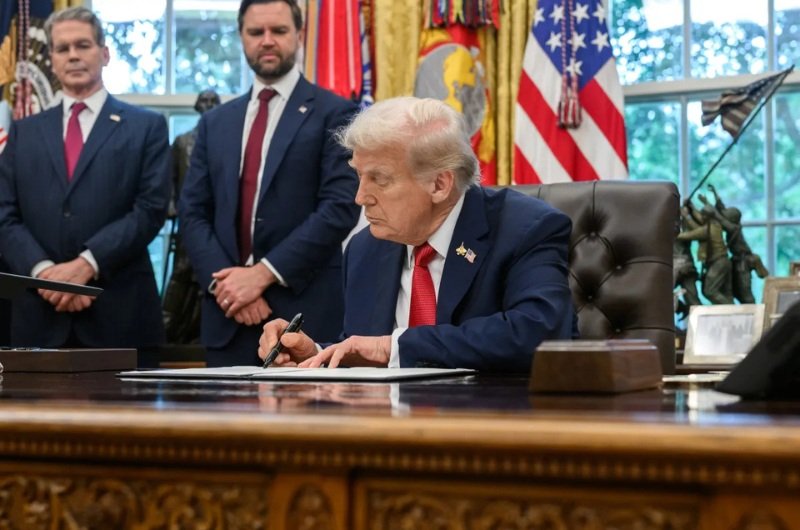
The Trump administration has signed an executive order establishing a new retirement savings platform, TrumpIRA.gov, as part of a broader effort to expand access to long-term investment tools for American workers. The website, expected to launch in January 2027, will function as a marketplace for private-sector individual retirement accounts, allowing users to compare and select options designed to meet their financial goals. According to the White House, the platform will highlight differences in cost, quality, and available investment options. The initiative is aimed particularly at workers who do not currently have access to employer-sponsored retirement plans. Alongside the platform, the federal government is set to provide an annual matching contribution of up to $1,000 beginning in 2027 for eligible workers, primarily those with lower incomes. Known as the “Saver’s Match,” the program will replace an existing tax credit and was originally established under the SECURE 2.0 Act to strengthen retirement savings among low- and moderate-income Americans. The new platform is expected to serve as a centralized access point for that benefit, addressing a longstanding gap in awareness and participation among eligible workers. By connecting individuals directly to qualifying retirement accounts, the administration is positioning the program as both a savings incentive and an accessibility solution. While the framework is now in place, additional details surrounding enrollment, participation rates, and long-term impact are still emerging as the 2027 rollout approaches.
Government Reopens Homeland Security — Leaving Immigration Fight Unresolved
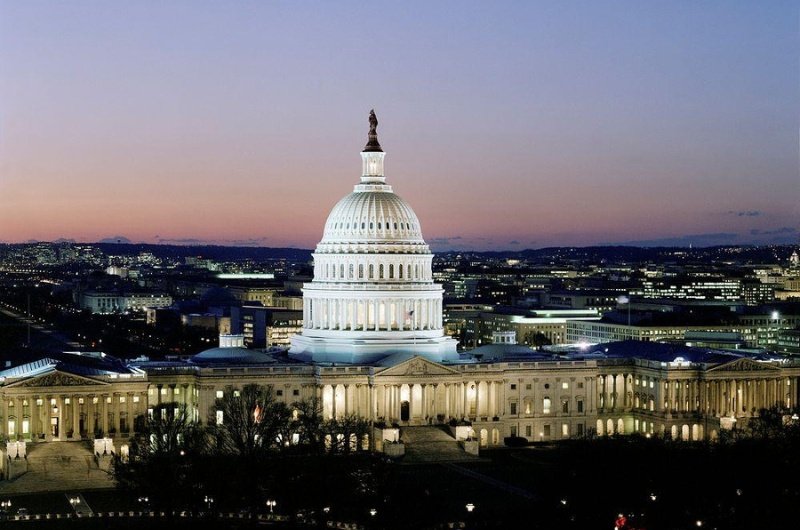
A 75-day partial shutdown of the Department of Homeland Security has come to an end after lawmakers approved a bipartisan funding measure restoring operations across most of the agency. One of the most contentious issues, however, remains unresolved. The legislation, signed into law by President Trump, funds core DHS functions including airport security, disaster response, and infrastructure protection. However, immigration enforcement agencies were not included in the agreement, effectively separating routine operations from the broader policy battle that has defined the standoff. The shutdown — the longest in the agency’s history — had already begun to strain critical systems. Airports experienced staffing disruptions, and the loss of personnel within the Transportation Security Administration (TSA) raised concerns about delays and operational stability, highlighting the real-world impact of prolonged funding gaps. The compromise underscores a deeper divide in Washington. Lawmakers were able to agree on keeping essential services running, but not on the scope and funding of immigration enforcement. That issue now moves forward on a separate track, where competing priorities are expected to drive a more direct political confrontation. For now, federal operations tied to homeland security have resumed. But the broader conflict over immigration policy remains unresolved, setting the stage for a continued battle that could shape the direction of enforcement, funding, and federal priorities in the months ahead.
Thousands Skip Work, School, and Spending in Nationwide May Day ‘Economic Blackout’
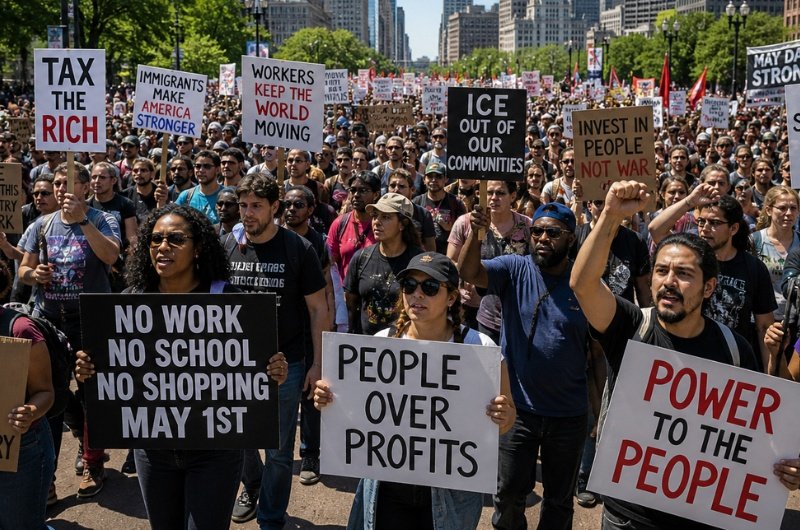
A coordinated nationwide protest is unfolding across the United States today as thousands of Americans take part in a May Day “economic blackout,” stepping away from work, school, and spending in a collective show of economic resistance. Organized by the May Day Strong coalition, the movement spans more than 3,500 events across cities and communities, with participation from labor unions, educators, students, and advocacy groups. Instead of traditional demonstrations alone, the strategy centers on absence — urging people not to show up, not to spend, and not to participate in the systems they say rely on their labor. The demands behind the movement are broad, ranging from higher taxes on the wealthy to changes in immigration enforcement and increased protections for workers and public institutions. But the underlying message is more focused: the economy depends on participation, and participation can be withheld. For organizers, today’s action is being framed as a test — a way to measure whether coordinated economic withdrawal can create visible disruption and build momentum toward larger-scale actions in the years ahead. Some groups involved have already pointed to the possibility of a wider general strike later this decade. The Readovia Lens What unfolds today may ultimately be less about immediate outcomes and more about signal. At a time of rising economic pressure and shifting public sentiment, the question is whether people’s frustration can translate into sustained, collective action capable of reshaping the balance of power.
Supreme Court Weakens Voting Rights Protections, Sparks New Map Battles Nationwide

The Supreme Court of the United States has issued a 6–3 ruling that makes it harder to challenge voting maps under the Voting Rights Act—and states are already moving quickly to redraw districts in response. At the center of the decision is a higher legal standard for proving discrimination. Instead of showing that a map unfairly impacts minority voters, challengers may now need to demonstrate intentional discrimination, making these cases significantly harder to win. That shift is already changing the landscape. Several states, particularly in the South, are preparing new congressional maps, with some pushing for changes that could reshape political control ahead of upcoming elections. The speed of the response highlights what’s at stake. Redistricting is unfolding in real time, as lawmakers move to take advantage of a narrower interpretation of federal protections. Reactions remain sharply divided. Civil rights groups warn the decision could weaken representation for minority communities, while supporters say it limits the role of courts and returns more control to states. With future elections approaching, the ruling is expected to influence not just how districts are drawn, but how power is distributed across the country in the years ahead.
Supreme Court Weighs Trump Bid to End Protections for Haitian and Syrian Immigrants
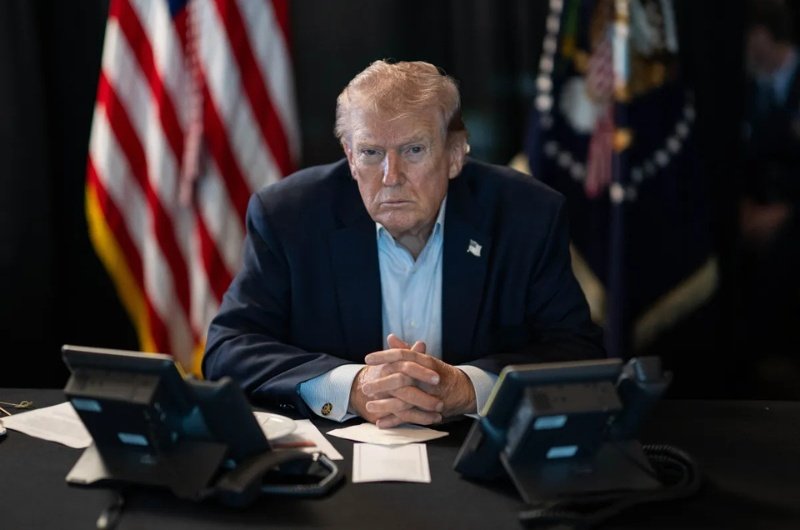
President Trump’s immigration agenda returned to the Supreme Court on Wednesday as justices weighed whether the administration can end Temporary Protected Status for hundreds of thousands of Haitian and Syrian immigrants. The case could carry consequences far beyond one policy, potentially redefining how much authority presidents have over humanitarian immigration programs. Temporary Protected Status, or TPS, allows people from countries facing war, natural disaster, or severe instability to live and work legally in the United States for designated periods of time. Lower courts previously blocked efforts to cancel those protections, ruling that judges can review whether the government acted lawfully. The administration has argued those decisions should rest largely with the executive branch. The dispute is also a broader test of executive power and judicial oversight. At the center of the case is whether a president can reverse protections with limited court review, even when conditions in the affected countries remain dangerous or unstable. Haiti continues to face deep unrest and widespread insecurity, while Syria is still recovering from years of war and displacement. For many families, the ruling will determine whether legal stability in the United States can continue or disappear with a policy change in Washington. A decision is expected by June. The outcome could influence not only the future of TPS, but how far any administration can go when reshaping immigration policy through executive authority.