


Mexico Captures Top Cartel Commander in Major Blow to Jalisco Crime Network
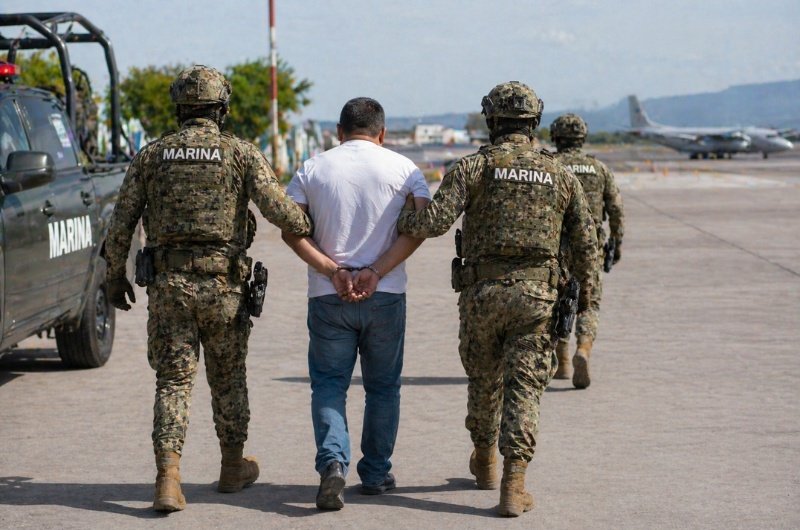
Mexican special forces have captured Audias Flores, known as “El Jardinero,” one of the top commanders of the powerful Jalisco New Generation Cartel in a major security operation in western Mexico. Authorities said Flores was arrested in the state of Nayarit after a lengthy intelligence effort. Flores was considered one of the cartel’s most influential regional leaders and had been viewed by analysts as a possible successor after the death of longtime cartel boss “El Mencho” earlier this year. U.S. authorities had previously offered a $5 million reward for information leading to his capture. Officials said the operation involved hundreds of troops and ended without a reported firefight. According to reports, Flores was found hiding in a drainage ditch after armed escorts attempted to create a diversion near Puerto Vallarta. The arrest is likely to be watched closely in both Mexico and the United States, where cartel trafficking networks remain tied to drug smuggling, organized crime, and the flow of fentanyl across the border. High-level captures can disrupt operations, but criminal groups often move quickly to reorganize. For now, the capture marks another significant test of whether sustained pressure can weaken one of the most powerful criminal organizations in the hemisphere.
Gunman Charged After Attempted Assassination Plot Targets Trump at Washington Dinner
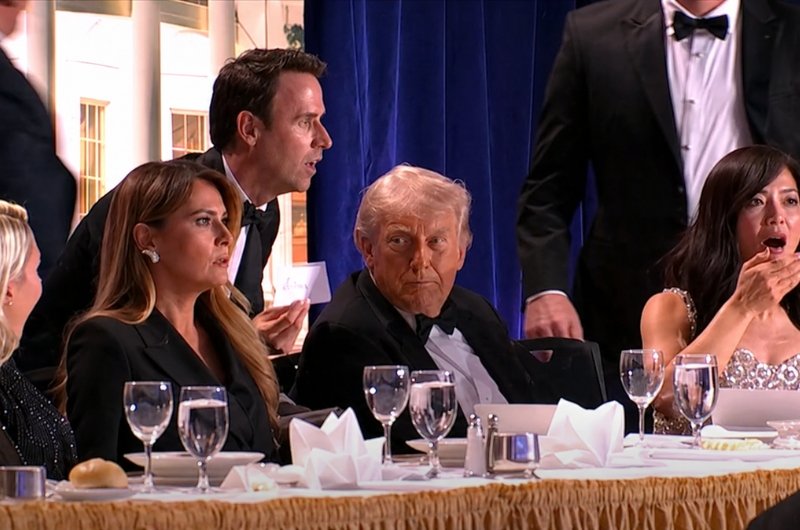
A man identified by authorities as Cole Tomas Allen has been charged after an attempted assassination plot targeting President Donald Trump during the White House Correspondents’ Association dinner at the Washington Hilton hotel. Several shots were fired during the event on April 25, prompting an immediate security response while the dinner was underway Within seconds, Secret Service agents surrounded the president and rushed him from the stage. Vice President JD Vance and other senior officials were also moved to safety as guests inside the ballroom took cover under tables and waited for instructions. Trump, members of the Cabinet, and other dignitaries were not injured. According to a CNN video timeline, several gunshots were heard at 8:34 p.m.. The suspected shooter was then stopped on the floor above the ballroom where the dinner was taking place. By 8:52 p.m., the suspect was seen lying face down on the ground shirtless and in handcuffs as law enforcement secured the scene. Investigators said the suspect remains in custody and faces serious federal charges. The incident has renewed scrutiny of presidential security at large public events, especially when multiple top government officials are gathered in one location. The incident also underscored the complex challenge of protecting national leaders at large public gatherings, where even layered security operations can be tested in seconds by a determined threat.
Powerful Tornado Slams Oklahoma, Damaging Homes and Closing Roads

A forceful tornado struck parts of Oklahoma on Thursday evening, damaging homes and forcing road closures as severe weather swept across the region. The storm moved through Enid, where authorities issued a rare tornado emergency, the highest level of tornado warning used for life-threatening situations. Across the affected area, debris was scattered through neighborhoods and onto nearby roads as crews began assessing the damage. Officials urged drivers to avoid impacted areas while emergency teams worked to clear wreckage and restore access. The storm is part of a broader stretch of volatile weather affecting portions of the central United States, where forecasters have warned of additional threats including strong winds, hail, and possible tornadoes. For many families, the focus now turns from the storm itself to cleanup, recovery, and the uncertainty of what may come next if conditions remain active. Spring storm season often brings sudden and dangerous changes, and officials continue urging residents to stay alert as new warnings develop.
Trump Administration Reclassifies Some Cannabis Products as Less Dangerous

The Trump administration on Thursday officially reclassified certain cannabis products as less dangerous, marking one of the most significant federal drug policy changes in years. The move lowers qualifying marijuana products from Schedule I to Schedule III, a category used for substances considered to have accepted medical use and lower abuse potential. According to the Justice Department, the change applies to marijuana-related products that are approved by the Food and Drug Administration or licensed under state medical marijuana programs. Acting Attorney General Todd Blanche also called for a broader hearing to consider whether all marijuana should be reclassified. The shift could expand medical research, ease some regulatory barriers, and renew debate over how cannabis is treated under federal law. Marijuana has long remained federally illegal even as many states legalized medical or recreational use. The announcement also highlights the growing gap between federal policy and state-level reality. Across much of the country, cannabis can already be purchased legally under local law, while federal rules have lagged behind public opinion and state legislation. Thursday’s move may signal a larger realignment still to come.
U.S.-Iran Talks Stall as Nuclear Demands and Hormuz Tensions Raise the Stakes
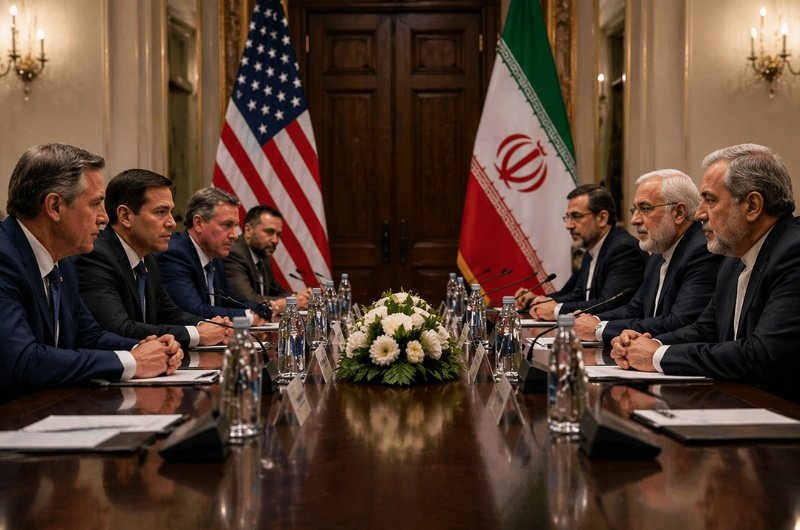
Fresh diplomatic efforts between the United States and Iran appear to be running into the same obstacles that have frustrated negotiations for years. The latest discussions are reportedly strained by disputes over Iran’s nuclear program, sanctions relief, and growing tensions surrounding the Strait of Hormuz. At the center of the standoff is Iran’s nuclear program. Iran says its nuclear program is for peaceful civilian use, while U.S. officials and allies argue stronger safeguards are needed to ensure it cannot be used to develop nuclear weapons. Another major flashpoint is the Strait of Hormuz, one of the world’s most important energy corridors. Any threat to shipping traffic there can ripple quickly through oil markets, transportation costs, and inflation concerns around the globe. Even the perception of instability in the region can move prices. For markets and policymakers, the larger issue is uncertainty itself. A prolonged diplomatic deadlock can create economic pressure long before any formal conflict begins, keeping investors cautious and energy markets on edge.
April Heat Sends East Coast Into Summer Mode Before Sharp Cooldown Arrives

Millions across the eastern United States are getting an early taste of summer as an unusual April heat surge pushes temperatures into the 80s and 90s in several major cities this week. In parts of the Mid-Atlantic, readings climbed near or above 90 degrees, bringing beach crowds, packed parks, and record-setting warmth more commonly seen in June than mid-April. The burst of heat has stretched from Georgia through the Northeast, with cities including Washington, Philadelphia, and New York seeing temperatures challenge long-standing daily records. Forecasters say the pattern was fueled by a strong ridge of high pressure that trapped warm air across much of the East for several days. For many Americans, the warmth has been a welcome break after a colder winter. Outdoor dining, waterfronts, and neighborhood parks filled quickly as residents took advantage of the rare spring conditions. But weather experts also warn that sudden early-season heat can catch people off guard, especially older adults, children, and anyone working outdoors. The warm spell is not expected to last. A cold front moving in this weekend is forecast to bring rain, gusty winds, and a dramatic drop in temperatures across parts of the East, with some areas returning to the 50s and 60s by early next week. In a few inland regions, overnight lows could approach freezing again. For now, enjoy the sunshine, but don’t pack away the jackets just yet.
BREAKING NEWS: Former Virginia Lt. Gov. Justin Fairfax and Wife Dead in Apparent Murder-Suicide
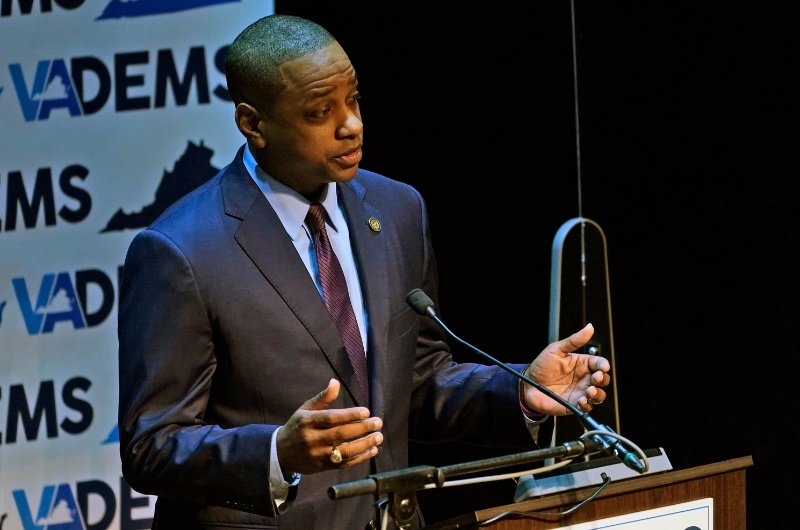
Former Virginia Lt. Gov. Justin Fairfax and his wife, Cerina Fairfax, were found dead Thursday inside their Annandale, Virginia home in what authorities are investigating as an apparent murder-suicide. Police said Fairfax is believed to have fatally shot his wife before taking his own life. Officials said the couple’s children were inside the home during the incident. The tragedy has stunned many across Virginia, where Fairfax once held one of the state’s highest offices and was widely viewed as a rising political figure. Fairfax was elected lieutenant governor in 2017 and later became a prominent name during a turbulent period in Virginia politics. His political rise was severely damaged in 2019 after two women publicly accused him of sexual assault in separate incidents. Fairfax denied the allegations, but the controversy triggered calls for his resignation, led to his departure from a major law firm, and shadowed his later campaign for governor. He left office in 2022. The Readovia Lens Beyond the headlines is a devastating reminder that private turmoil can carry public consequences. It is also a sobering moment about family trauma, unresolved conflict, and the unseen crises that can unfold behind closed doors. The deeper lesson is clear: seek professional help, create distance, or part ways before a situation spirals out of control.
Trump Administration to Launch Tariff Refund Portal as Billions Could Flow Back to Businesses
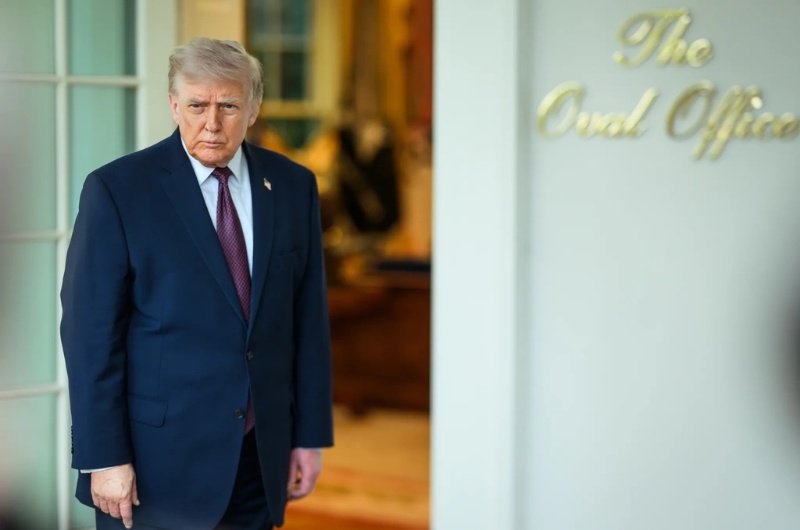
The Trump administration is preparing to launch a new tariff refund portal on April 20, opening the door for billions of dollars in repayments to U.S. businesses that paid tariffs later ruled unlawful. The platform is expected to streamline claims and allow eligible importers to seek electronic refunds through a centralized system. More than 330,000 importers were impacted across millions of shipments, with total repayments potentially reaching into the hundreds of billions. Officials are expected to begin with simpler claims first, while more complex cases could take longer to review and process. For many companies, the refunds could provide a meaningful financial boost at a time when higher operating costs and economic uncertainty continue to weigh on margins. Smaller businesses may face a different calculation, deciding whether the time and expense of filing claims is worth the potential payout. The Readovia Lens This policy update is a reminder that trade decisions can ripple through the economy for years, influencing prices, supply chains, and business stability long after the headlines fade. It is also a reminder that justice prevails — even though it may sometimes arrive late. And it underscores the enduring power of the Supreme Court to enforce policy, reshape markets, and help preserve a healthy business landscape with a single ruling. ——————– Related: $166 Billion Tariff Refund Expected as New U.S. System Prepares to Launch
$166 Billion Tariff Refund Expected as New U.S. System Prepares to Launch

A new U.S. tariff refund system is expected to launch April 20, potentially returning billions of dollars to businesses after key tariffs were ruled unlawful in court. The system, known as the Consolidated Administration and Processing of Entries, or CAPE, is being introduced by U.S. Customs and Border Protection to automate what could become one of the largest trade repayment efforts in recent history. The goal is to replace a slow, case-by-case claims process with a more centralized digital framework built to handle refunds at scale. At the center of the issue are tariffs previously imposed under the International Emergency Economic Powers Act. In February, the U.S. Supreme Court determined those tariffs had been applied beyond the limits of the law, setting in motion a massive refund process for affected importers. The numbers involved are substantial. Estimates indicate as much as $166 billion in tariff collections could be eligible for repayment. Officials have reportedly already identified roughly $127 billion through electronic filing records, giving the government a major starting point as the first phase begins. The rollout will happen in stages rather than all at once. The opening phase is expected to focus on simpler claims, including unliquidated entries and certain recently liquidated transactions. More complicated claims, older filings, and cases requiring deeper review are expected to move into later phases. For businesses, timing matters almost as much as the total amount. Once claims are validated, many refunds are expected to be issued within roughly 60 to 90 days, though some payments could arrive sooner depending on the claim type and documentation already on file. More than 56,000 importers have reportedly registered, covering over 53 million shipments tied to the broader refund effort. That level of volume helps explain why a fully automated system is being introduced instead of relying on traditional manual processing. Why does this matter beyond trade circles? Tariffs often become hidden costs inside the economy. They can influence retail prices, manufacturing expenses, supply chain decisions, hiring plans, and business expansion. Returning some of that money could improve liquidity for companies that absorbed those costs over time. There is also a broader policy lesson. Government actions tied to trade and emergency powers can create effects that last for years, even after the original political debate fades. Court rulings, agency systems, and refund programs can become the final chapter of decisions made long before. Oversight will remain important as the process begins. The Court of International Trade is expected to monitor implementation as refunds move forward, adding another layer of scrutiny to one of the most significant tariff reversals in years. The next key question is execution. If the system works smoothly, billions could begin moving back into the private sector in the months ahead. If delays emerge, pressure could quickly build for faster action and expanded access. The Readovia Lens This is a rare example of policy, courts, and technology colliding in a way that could directly affect business balance sheets across America.
Birthright Citizenship Fight Returns to Supreme Court in High-Stakes Legal Clash
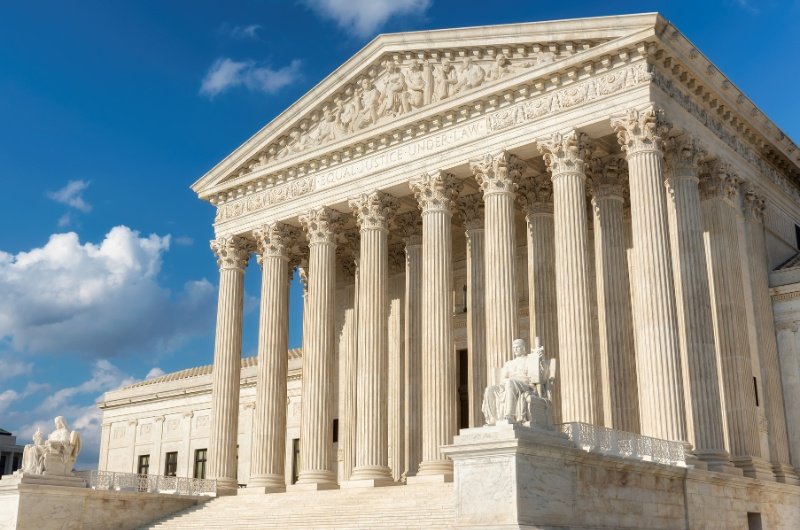
The U.S. Supreme Court is once again at the center of a high-stakes legal fight over birthright citizenship, placing one of the nation’s most debated constitutional questions back in the national spotlight. The case has renewed attention on whether citizenship granted by birth on U.S. soil can be limited through executive action or whether such a change would require a broader constitutional path. At the center of the debate is the Fourteenth Amendment, which has long been understood to guarantee citizenship to most people born in the United States. Supporters of that interpretation argue the language is clear and foundational, while critics say the amendment has been applied too broadly in the modern era. Any ruling or major development tied to the issue could carry sweeping consequences for immigration policy, federal authority, and future legal challenges. It could also shape the national conversation heading into a heated political season, where border security and citizenship remain defining issues for many voters. For now, the broader policy remains unchanged. But the renewed focus from the nation’s highest court ensures the debate over who becomes an American citizen at birth is far from settled. The Readovia Lens Some court cases resolve disputes. Others reopen questions the country thought were already answered. This one may do both.