


SanDisk Stock Soars Again as Wall Street Raises Price Target
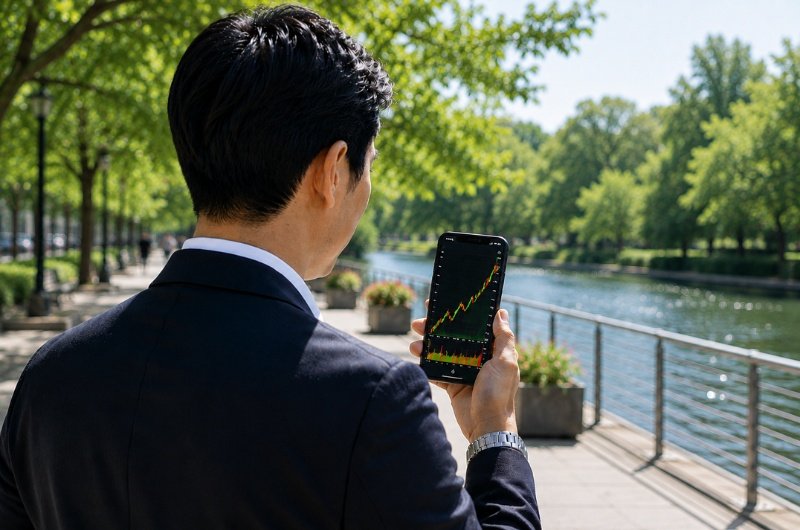
SanDisk continues to turn heads on Wall Street after another major analyst raised expectations for the memory technology company, extending what has already been one of the stock market’s most remarkable rallies of 2026. If you’ve already picked up the June edition of The Readovia Stock Stack™, SanDisk should look familiar. The company is one of the eight stocks featured in the report and has continued its remarkable climb this year as Wall Street grows increasingly optimistic about its role in the AI infrastructure boom. Advertisement On Tuesday, Bernstein analyst Mark Newman reaffirmed his “Outperform” rating on SanDisk and raised his price target from $1,700 to $3,000, signaling confidence that the company’s momentum could continue. The new target reflects the firm’s belief that SanDisk’s long-term supply agreements provide stronger protection against future market downturns while improving earnings visibility. SanDisk shares closed the day up more than 10%, adding to an extraordinary run that has seen the stock soar approximately 858% year to date. The company reached a record high earlier this month and remains one of the best-performing stocks of 2026. Much of the optimism centers on growing demand for memory and storage technology used in artificial intelligence infrastructure. As companies continue investing in larger data centers and AI systems, demand for enterprise solid-state drives and NAND flash memory has remained exceptionally strong. Analysts also point to SanDisk’s evolving long-term customer agreements, which now include longer contract periods, pricing protections, and upfront financial commitments. Those changes are expected to provide more predictable revenue and reduce some of the risks traditionally associated with the memory chip industry. While Wall Street’s latest price target reflects continued optimism, investors should remember that analyst forecasts are opinions rather than guarantees. After such a dramatic rally, periods of volatility remain possible, even for companies with strong long-term growth prospects. Still, SanDisk’s performance serves as another reminder that the companies supplying the technology behind artificial intelligence continue to attract significant investor attention as the AI infrastructure buildout accelerates.
The Visibility Era, Part III: Mastering the New Visibility Economy

As we discussed in the previous installments of this series, the internet has entered a new chapter. Search engines are evolving, artificial intelligence is changing how people discover information, social media platforms continue adjusting their algorithms, and new technologies are reshaping the digital landscape at a pace few could have imagined just a few years ago. For businesses, creators, publishers, nonprofits, entrepreneurs, and anyone building an online presence, the challenge has shifted from simply getting discovered to remaining visible in a world where visibility itself is changing. The good news is that while the rules continue to evolve, the fundamentals of building a trusted brand remain remarkably consistent. Advertisement Stop Chasing Algorithms. Start Serving People. Algorithms will continue to change, but people’s needs change much more slowly. Organizations that consistently solve problems, answer questions, provide value, and earn trust will be far better positioned than those trying to outsmart every platform. Technology should shape your tactics—not your purpose. When people become the priority, algorithms often become easier to navigate over time because meaningful content has a way of remaining valuable regardless of how technology evolves. Build a Brand People Remember Visibility begins long before someone performs a search. A recognizable brand creates familiarity, drives returning visitors, repeat customers, referrals, and recommendations because people remember who you are—not simply where they found you. The strongest brands become destinations rather than just another search result, and they continue attracting people long after a single algorithm update has come and gone. Create Experiences Worth Returning To Having a digital presence is only the beginning. Whether someone discovers you through your website, social media, store, or other online platform, every interaction contributes to the overall impression of your brand. Thoughtful design, premium visuals, clear writing, intuitive navigation, and fast performance all communicate professionalism, build confidence, and encourage people to return. Diversify Your Sources of Visibility No business, creator, or organization should depend entirely on one source of traffic. The strongest online brands build multiple pathways that help people discover and return. Those pathways may include search, social media, email marketing, strategic partnerships, paid promotion, digital products, and countless other opportunities that introduce people to your brand. When visibility comes from many directions instead of one, it becomes far more resilient. Build a Discovery Ecosystem One of the biggest mistakes people and organizations make is assuming they’ll always be discovered through search engines or social media. Instead of relying on those traffic sources alone, a stronger strategy is to leave digital breadcrumbs across the internet that spark curiosity about you or your brand and guide people to your online destination. Those breadcrumbs can take many forms: a thoughtful guest article, a podcast interview, a LinkedIn post, participation in an industry community, a listing in a respected niche directory, or a strategic partnership that introduces your work to a new audience. Individually, each breadcrumb may seem small. Collectively, they create a growing network of discovery that helps people encounter your brand in places you may never have expected. Digital breadcrumbs are not limited to content published on other platforms. Every meaningful piece of work becomes another breadcrumb that increases the likelihood of someone discovering your brand, whether through your own platforms or through the countless digital touchpoints across the web. External breadcrumbs are the content, mentions, interviews, and partnerships that exist beyond your own platforms. Internal breadcrumbs are the growing body of work you own and continue to expand—your articles, videos, products, podcasts, newsletters, or other original content. Together, they form a discovery ecosystem: a network of meaningful touchpoints that continually creates new opportunities for people to encounter your brand. This reveals an important distinction. Visibility is an outcome. Discoverability is the strategy. Many people chase visibility. They hope to rank first in search results, go viral on social media, or benefit from a favorable algorithm. Brands built for the long term take a different approach. They focus on becoming increasingly discoverable by intentionally building a healthy discovery ecosystem made up of internal assets, external assets, and meaningful connections across the web – and dare I say…offline. Rather than relying on one platform or one moment of success, they build an interconnected network where people continue encountering their brand from dozens—even hundreds—of different sources over time. Readovia provides a good example. At the time of this writing, the publication has produced more than 760 original articles. Each one represents an opportunity for discovery—a new entry point through search, sharing, or recommendation that can introduce someone to the brand. Individually, one article may attract only a modest audience. Collectively, they form a growing network of pathways that can continue bringing visitors to the publication long after the headlines have cooled. The same principle applies whether you publish articles, videos, podcasts, products, or social media content. Most successful brands don’t begin with hundreds of digital breadcrumbs. They create them over time, one meaningful connection at a time. The goal isn’t simply to be found. It’s to create enough moments of discovery that your brand becomes increasingly difficult to overlook. Quality Is Becoming a Competitive Advantage Again Artificial intelligence has made creating content faster and easier than ever before. Ironically, that makes human judgment, originality, craftsmanship, credibility, and thoughtful execution even more valuable. People may forget individual articles, videos, or posts, but they remember brands that consistently deliver quality. In the years ahead, quality may become one of the most important competitive advantages an organization can possess. Trust Is the New Currency In an age of nearly unlimited information, trust has become one of the internet’s most valuable assets. It is earned through consistency, transparency, reliability, and a genuine commitment to serving people before chasing algorithms. Trust cannot be manufactured overnight, but once it is earned, it becomes one of the strongest competitive advantages a brand can have. The Future Belongs to Those Who Adapt Every major technological shift creates uncertainty, but it also creates opportunity. The organizations that thrive won’t necessarily be the biggest or the loudest. They’ll
Bone Loss Often Starts Earlier Than People Realize

Bone loss often begins years before people notice any symptoms, making it easy to overlook until a routine screening or unexpected fracture reveals a problem. Health experts say many adults develop osteopenia—a condition marked by lower-than-normal bone density—before osteoporosis ever occurs. While osteoporosis is widely recognized, osteopenia receives far less attention despite affecting millions of adults. The condition weakens bones gradually and can increase the risk of fractures if bone loss continues over time. Recent research is drawing renewed attention to the importance of identifying bone loss early, when lifestyle changes may have the greatest impact. Advertisement Who Is Most at Risk? Bone density naturally declines with age, but several factors can increase the likelihood of developing osteopenia earlier in life. Women, particularly after menopause, face a higher risk because declining estrogen levels can accelerate bone loss. Older adults, people with a family history of osteoporosis, smokers, and individuals with low calcium or vitamin D intake may also be more vulnerable. Certain medical conditions and medications can further increase the risk, making regular conversations with a healthcare provider an important part of long-term bone health. Small Changes Can Make a Difference Experts say healthy habits can play an important role in supporting bone strength. Weight-bearing activities such as walking, hiking, dancing, and strength training help stimulate bone growth, while adequate calcium, vitamin D, and a balanced diet provide important building blocks for healthy bones. Avoiding tobacco and limiting excessive alcohol consumption may also help protect bone health over time. For people with additional risk factors, a bone density screening may help identify changes before osteoporosis develops. Looking Ahead Bone loss is often described as a silent condition because it typically progresses without obvious symptoms. The good news is that awareness continues to grow, giving more people the opportunity to take action before significant bone loss occurs. Understanding the risk factors, staying physically active, and discussing bone health with a healthcare professional can all play a role in maintaining stronger bones and supporting long-term health.
AI Talent War Heats Up as Companies Compete for Top Researchers

Leading AI companies are racing to recruit and retain the world’s top researchers and engineers, fueling one of the most competitive talent markets in the technology industry. As investment in artificial intelligence continues to accelerate, companies are offering increasingly attractive compensation packages, long-term incentives, and opportunities to work on groundbreaking research in an effort to secure the experts who will help shape the next generation of AI. The Race for AI Expertise While advanced computer chips and massive data centers often dominate the headlines, the people designing and training AI systems remain one of the industry’s most valuable assets. Researchers specializing in machine learning, large language models, robotics, and AI safety are helping develop systems that are faster, more capable, and increasingly reliable. As AI expands into healthcare, finance, education, manufacturing, transportation, and scientific research, demand for experienced AI professionals continues to grow. More Than Just Salaries The competition extends well beyond higher pay. Many AI companies are offering researchers greater freedom to pursue ambitious projects, access to advanced computing resources, and opportunities to work on technologies that could influence millions of people around the world. For many experts, the ability to solve complex problems and contribute to groundbreaking discoveries is becoming just as important as financial incentives. A Defining Moment for the AI Industry The battle for AI talent reflects a broader reality: artificial intelligence is becoming one of the world’s most strategically important technologies. The companies that attract the brightest minds today may be better positioned to develop tomorrow’s most influential AI systems, products, and services. As competition intensifies, the race for talent is expected to remain one of the defining stories shaping the future of artificial intelligence. The Readovia Lens The AI revolution isn’t being driven solely by faster processors or larger data centers. Behind every breakthrough are researchers, engineers, and scientists whose ideas continue pushing the technology forward. As artificial intelligence evolves, the competition to attract exceptional talent may prove just as important as the race to build the next generation of AI itself.
The Greek Islands You Haven’t Heard Of — And Why Now Is A Great Time to Discover Them

Greece’s lesser-known islands offer travelers a chance to experience whitewashed villages, winding stone pathways, and sweeping Aegean views away from the crowds. Santorini, the caldera-view island that launched a thousand Instagram accounts — with its stacked whitewashed houses, blue-domed churches, and sunsets so reliably gorgeous they feel almost theatrical — is grappling with a tourism crisis that has reshaped the conversation around Aegean travel. With roughly 3.4 million visitors arriving annually against a permanent population of about 15,500, daily cruise ship arrivals frequently exceeding local capacity limits, and residential rents that have surged dramatically as short-term rentals crowd out long-term residents, the island’s own authorities now speak openly of a destination at a breaking point. Greece’s government has put new tourism management laws in place for 2026, and the conversation has finally turned to a question seasoned travelers have been asking for years: what about everywhere else? The answer is richer than most people expect. Greece has more than 200 inhabited islands, and while Santorini and Mykonos have absorbed the bulk of international attention, a constellation of Cycladic alternatives offers Aegean beauty without the structural strain. Milos, the volcanic island in the western Cyclades roughly three hours by ferry from Athens, is frequently described by those who have visited as the most visually dramatic island in Greece. Its coastline is a geological theater — sculpted by ancient volcanic activity into formations of wild color and improbable shape. Sarakiniko beach, with its lunar landscape of bleached white pumice and electric blue water, looks unlike anything else in the Mediterranean. The colorful fishing village of Klima, with its boatshed houses painted in faded ochres and reds, painted directly into the rock above the sea, is quietly one of the most photogenic places in Europe. A boat tour around Milos to the sea caves of Kleftiko is considered non-negotiable by those who have made the trip. Folegandros, tucked an hour’s ferry ride southwest of Santorini, operates at an entirely different frequency. The island has no airport, one main road, and no cruise ship calls — a combination that enforces the kind of unhurried pace that the rest of the Cyclades has largely surrendered. Its main town, Chora, is widely considered to have the most beautiful village center in the island group: a medieval settlement of flower-draped passageways and Venetian-era architecture, perched on a cliff above the sea with views that shift from gold to violet as the sun goes down. Above the village, the Church of Panagia sits on a dramatic rocky promontory, reached by a steeply winding path that rewards the climb with a panorama of open Aegean. There are beaches to swim from, hiking paths that trace the island’s ridgelines, and restaurants where the octopus drying on the line outside is the same one arriving on your plate. For travelers who want romance without performance, Folegandros is the answer. Naxos, the largest of the Cyclades, works best for those who want variety rather than a single defining experience. It has long sandy beaches — Agios Prokopios and Plaka among the finest in Greece — that Santorini conspicuously lacks. It has ancient ruins, including the massive marble doorway of the unfinished Temple of Apollo standing alone at the harbor entrance. It has mountain villages in its interior where the air smells of thyme and the pace of life has barely shifted in decades. And it produces exceptional food: Naxian potatoes and cheeses are considered among the best in the country, and the island’s tavernas reflect that localism in a way that tourist-saturated destinations rarely manage. Naxos also functions as an excellent ferry hub, connecting easily to the smaller islands of the Little Cyclades — Koufonisia, Schinoussa, Donousa — which for now remain almost entirely off the international radar. The Readovia Lens The shift in how travelers are approaching the Greek islands feels durable rather than merely fashionable. Greece itself is responding to it, investing in ferry connectivity to less-visited destinations and promoting its interior and northern regions alongside the classic Cycladic circuit. Travelers who act on this moment — before Milos becomes the next Santorini, before Folegandros acquires a direct flight — will find an Aegean that still rewards curiosity. The blue-domed postcard image remains beautiful. But the real Greece is bigger, quieter, and considerably more interesting than any single island can contain.
The Next Big Upgrade Isn’t Your Phone—It’s Your Laptop

For years, smartphones have been the center of the technology world. New models arrived with better cameras, faster processors, and larger displays, encouraging consumers to upgrade every few years. Today, the spotlight is beginning to shift. A new generation of laptops is arriving with specialized hardware designed to support artificial intelligence features directly on the device. These systems, often referred to as AI PCs, are equipped with dedicated processors that can handle certain AI tasks without relying entirely on cloud-based services. For consumers, the change may not be as obvious as a larger screen or a redesigned keyboard. Instead, AI-enabled laptops are being built to improve everyday tasks such as searching files, organizing information, enhancing video calls, creating content, and managing workflows more efficiently. The trend comes as many smartphone owners are holding onto their devices longer than in previous years. While modern phones continue to improve, annual upgrades have become less dramatic for many users. At the same time, laptops remain central to how people work, learn, create, and communicate. Technology companies see AI as the next major evolution in personal computing. By processing some AI functions locally, laptops can offer faster responses, improved privacy, and new capabilities that do not depend entirely on an internet connection. The shift could also influence how consumers think about their next technology purchase. Rather than replacing a perfectly capable smartphone, some users may find greater value in upgrading the computer they use every day. As artificial intelligence becomes more deeply integrated into software and productivity tools, the next major leap in personal technology may be happening on desks and kitchen tables rather than in pockets.
Why More Americans Are Waiting Longer to Buy a Home

For many Americans, the dream of homeownership is still alive—but the timeline has changed. Higher mortgage rates, elevated home prices, and affordability concerns are causing many prospective buyers to spend more time saving, comparing options, and waiting for the right opportunity before making one of the biggest financial decisions of their lives. That doesn’t necessarily mean the housing market has come to a standstill. Buyers are still actively searching for homes, but many are taking a more measured approach as they weigh monthly payments, long-term costs, and their overall financial readiness. For those choosing to wait, the reasons are often practical rather than pessimistic. Some hope borrowing costs will ease in the months ahead, while others are focused on building larger down payments, improving their credit scores, or reducing existing debt before purchasing a home. Rising insurance costs, property taxes, and maintenance expenses are also prompting buyers to take a closer look at the true cost of home ownership. Advertisement Financial professionals often caution against trying to perfectly time the market. Mortgage rates and home prices can be influenced by a wide range of economic factors, making short-term predictions difficult. Instead, many experts encourage buyers to focus on personal affordability and long-term financial stability rather than chasing the lowest possible rate. The good news is that taking time to prepare can pay off. Strengthening credit, paying down debt, and creating a realistic budget can improve purchasing power and provide greater confidence when the right home becomes available. For many households, the question is when to buy. In today’s market, patience and preparation may be just as important as finding the perfect property.
How AI Is Changing the Way Americans Budget, Save, and Spend
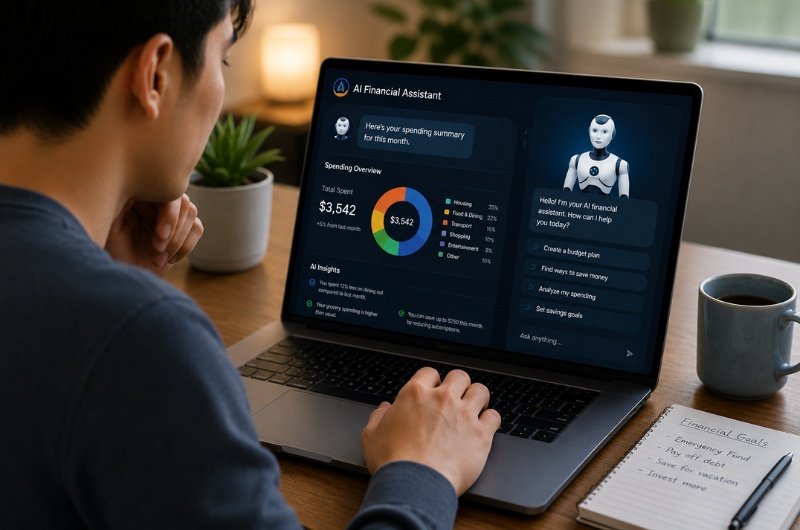
Artificial intelligence is increasingly becoming a personal financial assistant, helping Americans track spending, build budgets, and make smarter money decisions. Many banking apps and financial platforms now use AI to categorize purchases automatically, identify recurring expenses, and alert users when unusual transactions appear. Some tools can even analyze spending habits and suggest ways to cut costs or increase savings. For consumers trying to stay on top of rising expenses, these features can provide a clear picture of where their money is going. Instead of sorting through bank statements by hand, users can receive personalized insights in seconds. AI-powered assistants are also making budgeting more approachable. Rather than relying on complex spreadsheets, many people can now ask simple questions such as, “How much did I spend on dining out last month?” or “Can I afford this vacation if I stay on my current budget?” and receive easy-to-understand answers. Savings is another area where AI is making a difference. Some financial apps analyze your income and spending habits to identify opportunities to set aside small amounts of money without disrupting your monthly budget. Others highlight subscription services that may no longer be used or point out opportunities to reduce monthly bills. Even so, experts encourage consumers to treat AI as a helpful guide rather than a replacement for sound financial judgment. Recommendations are based on available data and may not account for every personal circumstance or long-term goal. As AI continues to evolve, its role in personal finance is likely to expand. For many Americans, the technology is already proving that smarter money management doesn’t always require more effort—it may simply require better tools.
Why Some Professionals Are Taking ‘Micro-Retirements’ Instead of Waiting Until 65

For generations, retirement has been viewed as something that happens at the end of a long career. A growing number of professionals are taking a different approach by stepping away from work for shorter, planned breaks throughout their lives. Often called “micro-retirements,” these intentional pauses can last anywhere from a few weeks to several months. During that time, people may travel, volunteer, learn new skills, pursue creative projects, or simply recharge before returning to their careers. Advertisement Rather than postponing personal ambitions until the end of a career, some professionals are choosing to weave those experiences into their working lives. The goal is to create opportunities to enjoy meaningful life experiences while health, energy, and personal circumstances make them possible. Remote work and flexible employment arrangements have made the concept more realistic for some professionals. Others carefully save in advance, negotiate extended leave, or plan career transitions that allow time away without sacrificing long-term goals. Supporters say these planned breaks can reduce burnout, improve mental well-being, and provide valuable perspective. Time away from daily routines may also encourage personal growth, strengthen relationships, and inspire new ideas that carry over into future work. Of course, micro-retirements are not practical for everyone. Financial responsibilities, family obligations, and workplace policies can make extended breaks difficult or impossible. Careful planning and realistic expectations are essential for anyone considering the approach.
The Growing Appeal of Strength Training After 40

Strength training has become an important part of many adults’ wellness routines as they look for practical ways to stay active, preserve muscle, and support long-term health. While activities like walking, cycling, and swimming offer excellent cardiovascular benefits, resistance exercises help build and maintain the muscle that supports balance, mobility, and everyday independence. As people get older, muscle mass naturally declines, making strength training an increasingly valuable part of a healthy lifestyle. Advertisement The benefits go well beyond appearance. Regular strength training can improve posture, support bone health, boost metabolism, and make routine tasks—from carrying groceries to climbing stairs—feel easier. It may also help reduce the risk of falls by improving stability and coordination. Another advantage is that getting started doesn’t require an expensive gym membership or heavy equipment. Bodyweight exercises, resistance bands, and light dumbbells can all provide meaningful benefits when used consistently. Even two or three strength-training sessions each week can make a noticeable difference over time. Many adults are also discovering that building strength improves confidence and energy levels. Feeling physically capable can encourage people to stay active, participate in hobbies, travel more comfortably, and maintain an independent lifestyle as they age. The key is to focus on proper technique and gradual progress rather than lifting the heaviest weights possible. Small, consistent improvements often lead to the best long-term results while reducing the risk of injury. For anyone with an existing medical condition or who has been inactive for an extended period, it’s a good idea to speak with a healthcare professional before beginning a new exercise program. The rewards of strength training extend far beyond the gym, supporting mobility, confidence, and a higher quality of life for years to come.