


East Coast Scorches – Nationwide Heatwave Could Set Records from New England to the West

Temperatures are surging across the United States in a major heatwave bringing with it the potential for record temperatures from the East Coast to the West and disrupting daily life for millions. Forecasters report dangerous levels of heat enveloping New England and the Mid-Atlantic, with some towns in Maine expected to hit record highs. Meanwhile, extreme heat persists on the West Coast, where cities such as Las Vegas, Phoenix, and Portland are facing blistering temperatures that could exceed 110°F, surpassing seasonal averages by as much as 20 degrees. The scorching conditions are also fueling drought-driven wildfires in some regions and raising serious health and safety concerns. While relief may arrive later in the week for certain areas, much of the country is expected to remain hotter than normal well into the mid-range forecast.
Ozempic for the Gut? New Research Points to a Surprising Benefit
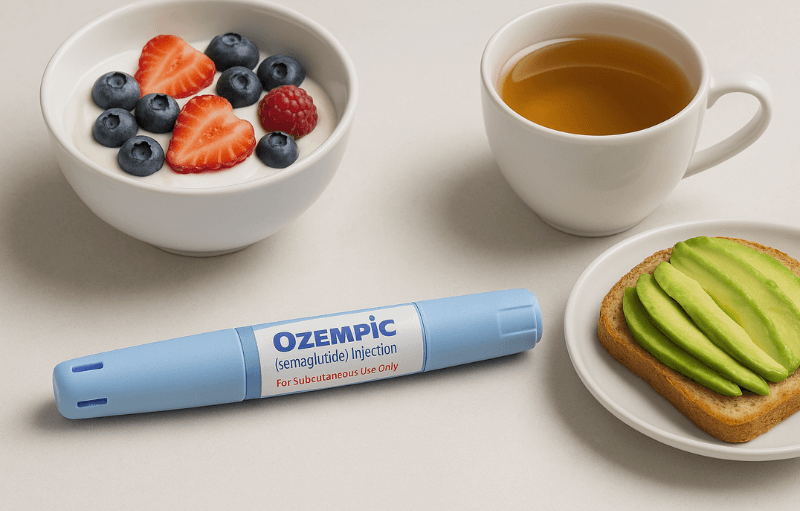
Most people know Ozempic and Wegovy as headline-grabbing weight-loss drugs. But emerging studies suggest these GLP‑1 medications might also impact the gut microbiome—not just waistlines. What the Research Actually Shows GLP‑1 receptor agonists—which mimic the hormone released by intestinal cells after meals—are well-known for slowing digestion, suppressing appetite, and helping with blood sugar control. Now, clinical data and lab research suggest these drugs may also alter gut bacteria, increase microbial diversity, and support an environment that reduces inflammation. In some cases, that means improved digestion, lower gut permeability, and better metabolic function overall. Some experts believe the drugs’ anti-inflammatory and microbiome effects may play a more central role in their overall benefits than previously thought. What Doctors Are Saying Many patients on GLP‑1 medications report less bloating, smoother digestion, and more energy stability—especially when paired with higher-fiber meals. While these benefits are still being researched, the early signs point to positive gut responses in some users. That said, more data is needed. What works for one microbiome might not work for another. Should You Try GLP‑1 Drugs for Your Gut? Only if you’re medically prescribed one. These are powerful prescription medications designed for diabetes and obesity—not probiotics in disguise. Side effects like nausea and constipation are common, and the long-term impact on the gut is still being studied. Some wellness brands are trying to sell GLP‑1–adjacent supplements, but don’t be fooled—none of them match the effect of the real thing. Readovia Rundown Claim What We Know Ozempic may reshape the gut microbiome Early signs show beneficial shifts in gut bacteria Reduces inflammation Shown to calm markers of gut-related inflammation Helps with digestion Many patients report less bloating, more regularity Not a gut health cure-all Still a prescription drug with serious medical use Supplements ≠ Ozempic Over-the-counter alternatives aren’t clinically comparable Bottom Line Ozempic and its cousins are changing more than just the number on the scale. While they’re not gut health treatments per se, they may offer unexpected digestive perks to those already prescribed the drugs. It’s a new frontier—but for now, still a side benefit, not the main event.
That New Button on Your Laptop—Here’s What It Does

If you’re buying a new PC this year, don’t be surprised if it shows up with a brand-new key you’ve never seen before—labeled “Copilot” or “AI.” It’s part of a sweeping hardware shift that’s reshaping everything from keyboards to chipsets. But here’s the real question: what does it actually do—and do you really need it? What’s Changing (and Why It Matters) Microsoft and top PC makers like HP, Dell, and Lenovo are rolling out “Copilot Keys” across their latest laptops and desktops. The idea? Give users one-tap access to Microsoft’s AI assistant and productivity features baked into Windows 11. You’ll usually find it where the right Control key used to be—because apparently, no one used that one anyway. So What Happens When You Press It? Right now, it launches Microsoft Copilot—a sidebar-style assistant in Windows that can do everything from summarize text and search files to generate emails and pull up settings. It’s less like Siri and more like a smarter Clippy… with a college degree. But as more apps (like Word, Outlook, and Teams) integrate with it, that button could become your shortcut to automation, formatting, scheduling—and yes, even fluffing up your emails. Should You Actually Care? Maybe. Maybe not. If you’re deep in the Microsoft ecosystem, the button could save you clicks and time—especially in Office apps. If you’re not using Copilot or you’re on a work device with AI disabled, it’s just… a fancy extra key. And if you’re a Mac user? Apple hasn’t added an AI key—yet. Hardware Trends to Watch This isn’t just about keyboards. New PCs are being built with dedicated neural processing units (NPUs) that offload AI workloads, making your device faster, cooler, and better at things like real-time captioning or background blur in video calls. So even if you ignore the AI button, your computer might be doing more than you think under the hood. Final Word The AI button is a sign of where consumer tech is headed: more shortcuts, more automation, and more baked-in intelligence. Whether you press it or not, it’s already reshaping your next device. The Author
Inflation Is Back—and This Time, President Trump’s Tariffs Are Driving It

Just as prices were beginning to cool, inflation is rising again—and tariffs may be to blame. The June CPI (Consumer Price Index) report shows a 2.7% annual increase, driven in part by import cost surges tied to the Trump administration’s new trade policy. Treasury yields have climbed above 5% as investors brace for a longer Fed pause, despite White House calls for rate cuts. “This is not transitory. This is structural,” one economist warned on Wednesday. U.S. Small businesses are the amongst the biggest losers in the tariffs fiasco, because they are the ones paying them. Tariffs, or taxes on imported goods, are significantly impacting small businesses by increasing costs, disrupting supply chains, and potentially leading to job losses. Small businesses often operate on smaller margins and have limited resources to absorb these added costs compared to larger corporations. This can force them to raise prices for consumers, reduce production, or even face closure. The Bottom Line CPI (a primary measure of inflation) rose for the third straight month Bond markets signal higher-for-longer policy Trump’s tariff expansion plan may complicate Fed decisions through fall Tariffs are adversely impacting US small businesses, and some may be forced to close due to financial distress. The Author
Inside the Tiny House Movement: 2025

Tiny homes just got a big upgrade. What started as a niche minimalist movement has evolved into a design-forward lifestyle — and in 2025, tiny homes are anything but basic. Today’s models boast solar panels, retractable furniture, composting toilets, and even voice-activated lighting. You might live small, but you won’t feel like you’re missing out. Thanks to remote work and rising home prices, more people — from retirees to digital nomads — are choosing to downsize without sacrificing style or sustainability. A new wave of manufacturers is offering prefab tiny homes that can be delivered, customized, and move-in ready in under 90 days. Design is driving demand. Think sleek Scandinavian interiors, multi-use spaces, and hidden storage that would make a Manhattan apartment jealous. Many are being built with high-end finishes and wellness-focused features like natural light optimization, purified air systems, and smart climate control. There’s also a growing community vibe. Tiny house villages and eco-communities are springing up across the country, from Oregon forests to Florida coastlines. They offer not just affordability, but a lifestyle of intentional living — one where less really can be more. Whether it’s about escaping the mortgage grind or just living with a lighter footprint, the tiny house trend is proving it’s no longer a passing fad — it’s a movement that’s redefining what we call “home”. The Author
Inflation Eases, but Spending Slows: Why the Economy Feels Stuck in Neutral

U.S. inflation is easing, but personal spending and income are both declining, creating uncertainty for American households. With interest rate cuts still on hold, the economy remains in a fragile balance. The numbers say inflation is cooling — but if you’ve walked through a grocery store lately, you know the reality feels a little more complicated. A dozen store-brand eggs might finally be back under $3, but overall prices are still pinching American wallets, even as spending starts to slip. According to the latest data, inflation rose just 0.1% in May, keeping the annual rate steady at 2.4%. Core inflation — which excludes food and energy — ticked up slightly, landing at 2.7% year-over-year. It’s not alarming, but it’s sticky enough to suggest we’re not out of the woods yet. Meanwhile, personal spending fell 0.1% in May — the second dip this year — and incomes dropped by 0.4%. For households already watching their budgets, this creates an uneasy tension: prices aren’t skyrocketing, but they’re not softening fast enough either. The Federal Reserve has kept interest rates steady, signaling caution but leaving the door open for cuts later this year. Economists are split on whether those cuts will happen this summer or closer to the holidays. For now, the U.S. economy is walking a tightrope — inflation is simmering down, but growth feels sluggish. Whether that carton of $2.69 eggs is a sign of relief or just a blip remains to be seen. The Author
Remodeling This Summer? Here are 5 Things You Can Upgrade Before Fall Hits

Small changes now can make your home feel newer, smarter — and more livable year-round. Summer is peak season for home improvement, but before you get lost in Pinterest boards and paint swatches, here’s a better question: what upgrades will still matter six months from now? Whether you’re prepping to sell, saving on bills, or just ready to elevate your space, these five home upgrades deliver comfort, style, and ROI — no full reno required. 1. Smart Thermostat, Smarter Living Control your home’s climate from anywhere — and shave real dollars off your energy bill. Today’s smart thermostats learn your habits, adjust for weather, and optimize HVAC usage while you sleep, travel, or forget to turn things off. 2. Kitchen Faucet = Instant Glow-Up One of the fastest ways to modernize your kitchen? A new faucet. Sleek pull-down models or touchless designs bring a premium feel with minimal effort — and buyers notice. It’s the small detail that instantly signals “this home is updated.” 3. Drought-Resistant Landscaping From native grasses to gravel gardens and drip irrigation systems, eco-conscious yards are in — and you’ll thank yourself during late summer dry spells. Bonus: less mowing. 4. LED Everything It’s not just about the bulbs. Swap in dimmable LED fixtures with warm-tone options, and suddenly your space goes from glaring to glowy. Add motion sensors or timers for utility. Then layer in LED backlighting behind kitchen cabinets, bathroom mirrors, or bedroom headboards for a subtle, spa-like ambiance. 5. Entryway Efficiency Upgrade your locks, install a smart doorbell, and create a drop zone for keys, shoes, and mail. When the weather cools down and the online shopping ramps up, you’ll be glad you planned ahead. The Author
U.S. Cities on Alert as Global Tensions Boil Over

You don’t need to be in the Middle East to feel the pressure. After the U.S. launched airstrikes on Iran’s nuclear sites, cities across America are quietly shifting into high alert. In New York City, Washington, D.C., Los Angeles, and Chicago, local authorities have increased security around synagogues, mosques, government buildings, and major transportation hubs. Homeland Security has issued a domestic threat bulletin citing the potential for “inspired retaliation” following the U.S. military action overseas. In simple terms: America just stepped into a war, and the ripple effect is making its way to our streets, airports, and inboxes. Subways, Sidewalks, and Silent Precautions You won’t see tanks in the streets—but you might notice a few things: more patrol cars parked outside houses of worship. TSA pulling more bags for inspection. Metal detectors where there weren’t any last week. These are the early layers of preparedness—the kind of things cities do when global tension turns personal. For some Americans, it stirs memories of 2003. For others, it raises new questions about how much protection feels like too much. Public Pulse: Cautious, But Not Panicked While cable news is locked on missiles and airbases, regular people are talking about safety. Parents are checking school updates. Social feeds are filling up with commentary, concern, and confusion. And for many, the question isn’t just “Are we safe?”—it’s “What’s next?” The Author
When Oil Gets Political: What Israel–Iran Tensions Mean for Your Wallet

Oil prices are wobbling again — and no, it’s not just market drama. Tensions between Israel and Iran are shaking global energy markets, and the ripple effects could hit a lot closer to home than you’d think. This week, Brent crude dipped below $85 a barrel and U.S. oil held steady near $81. Not exactly panic territory, but here’s the thing: just days ago, prices were climbing fast on fears the conflict could spill into a broader regional war. That kind of uncertainty creates what traders call a geopolitical premium — basically, prices rising not because of supply issues, but because of the threat of them. So far, nothing has actually disrupted the flow of oil. But markets are twitchy. The Strait of Hormuz — a key shipping route for about 20% of the world’s oil — is in the spotlight. If that gets blocked, even briefly, we’re talking major price spikes across the board. Here’s where it hits your wallet: higher crude prices can mean higher prices at the pump. If you’re road-tripping this summer or filling up weekly, that extra 20 or 30 cents per gallon adds up fast. And it’s not just gas. Rising oil costs can impact airline tickets, shipping fees, and — yep — groceries. Meanwhile, Wall Street’s watching, too. The oil volatility index has surged nearly 26% this month, showing just how nervous investors are. If things escalate overseas, the market could lurch, and with it, your portfolio or 401(k). So while oil isn’t breaking records just yet, this moment is a reminder: foreign policy can shake up your finances just as much as inflation or interest rates. And sometimes, a distant headline becomes tomorrow’s bottom-line story. The Author
MAX Highlights for June: Premieres, Fan-Favorites, and More

Max is heating up this June with a mix of buzzy new releases and fan-favorite returns. Whether you’re craving fresh drama, deep documentaries, or weekend comedy binges, there’s something for every mood this month. Here are a few of the must-watch picks lighting up the platform in June: House of the Dragon – Season 2 (June 16): The Targaryen civil war begins. Expect more dragons, darker alliances, and bloodshed as Westeros descends into chaos. The Great Lillian Hall (June 1): Jessica Lange delivers a powerful performance in this intimate portrait of a Broadway legend facing her final curtain call. Am I OK? (June 6): A tender, funny film starring Dakota Johnson as a woman coming into her own later in life, navigating identity and friendship in modern-day L.A. Caught! (June 13): True-crime fans, this one’s for you — a docuseries spotlighting wild real-life getaways caught on camera. The Debut of New Looney Tunes Shorts (June 27): Classic chaos returns with all-new episodes featuring Bugs, Daffy, and the whole gang. More to Stream Of course, June also brings a deep library of recent releases and old favorites. Look for popular movies like Dune: Part Two and Barbie to join the lineup, along with a handful of HBO Originals making their streaming debuts. Whether you’re watching solo or planning a group binge, Max’s June lineup is stacked with options worth queuing up. The Author