


USA Today Bets on AI With “DeeperDive” Chatbot
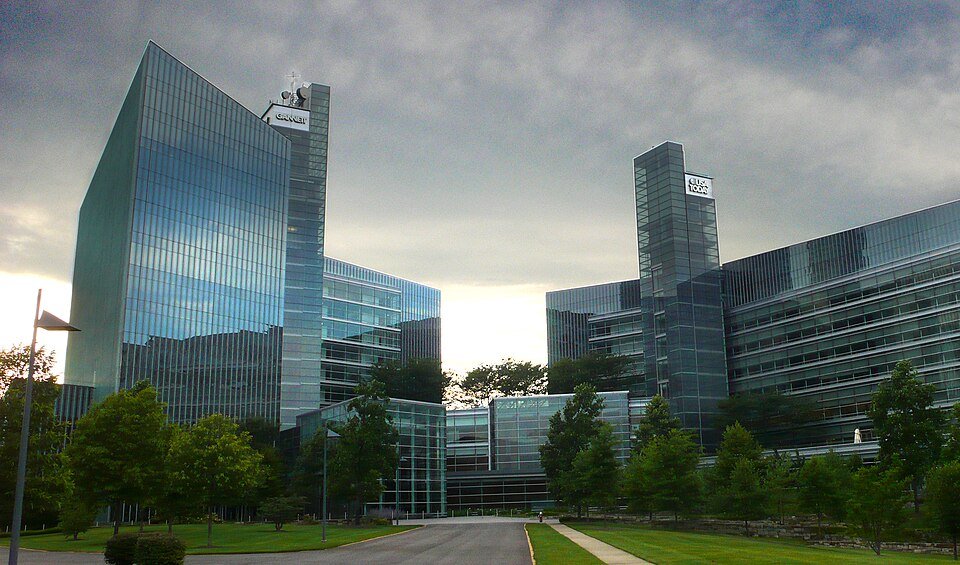
Gannett, the parent company of USA Today, has entered the generative AI era with the launch of DeeperDive, a chatbot designed to help readers interact with the news in new ways. Unlike traditional search bars, DeeperDive invites users to ask conversational questions such as “How does Trump’s Fed policy affect the economy?” or “What’s happening in the U.S. housing market right now?” The chatbot then responds with concise, citation-backed summaries rather than opinion-driven content. A Shift in How Readers Consume News The move underscores a seismic shift in the media industry. As more audiences turn to AI-powered summaries and assistants outside of news sites, publishers are racing to build their own tools to keep readers engaged. Gannett executives describe DeeperDive as a way to “meet readers where they are”—offering context, clarity, and direct answers instead of leaving users to wade through multiple articles. DeeperDive is powered by generative AI models fine-tuned on vetted content from USA Today and other Gannett outlets. This internal sourcing, the company says, ensures the bot remains factual, timely, and in line with editorial standards. What’s at Stake for Journalism The experiment is part of a broader reckoning in journalism: will AI amplify newsrooms or cannibalize them? Advocates see potential to enhance trust and accessibility—especially for younger audiences accustomed to getting information from AI assistants like ChatGPT. Skeptics warn that chatbots may oversimplify, strip nuance, or encourage readers to rely on surface-level answers rather than full reporting. Still, Gannett is betting that DeeperDive will redefine how people engage with its stories. If successful, it could spark a wave of similar rollouts across the U.S. media landscape, ushering in a new era of AI-augmented journalism.
Quick Workouts Pack a Powerful Punch

A growing body of research is confirming what time-starved professionals have long suspected: less really can be more when it comes to fitness. Scientists studying high-intensity interval training (HIIT) found that even brief workouts — some lasting only 10 minutes — can deliver measurable improvements in cardiovascular health, strength, and endurance. The findings mark a shift away from the idea that only long gym sessions drive real results. Instead, researchers say short bursts of intense activity, such as sprint intervals or compact bodyweight circuits, can stimulate the same physiological responses as much longer workouts. For many, that makes the difference between skipping exercise altogether and fitting it into a busy schedule. The trend is catching on with fitness brands and app developers, who are rolling out “micro-workout” programs designed to be completed during coffee breaks or lunch hours. Streaming platforms are also seizing the opportunity, offering quick HIIT sessions and yoga flows that promise maximum benefits in minimum time. Still, experts caution that intensity is key — casual stretching or slow movement won’t provide the same impact. Short workouts only work if they push the body close to its limits, and they should be paired with recovery and proper nutrition for the best outcomes. For consumers, the science is reassuring: fitness doesn’t have to mean hours at the gym. In fact, consistency with short, targeted sessions could be one of the most sustainable paths to long-term health and well-being.
Fantasia Lights Up the Stage this Fall & Winter

Grammy-winning R&B powerhouse Fantasia will bring her signature vocals to key stops this Fall and Winter, including The Theater at MGM National Harbor in Maryland (Oct. 10 & 11) and State Farm Arena in Atlanta (Oct. 17), with tickets already available. Whether you’re planning a date night or treasuring a long-awaited return to live music, Fantasia’s shows are poised to deliver a performance you won’t soon forget. For some concert dates, Fantasia will be co-headlining with Anthony Hamilton, amplifying anticipation for fans across the Southeast. Tickets start around $160 for National Harbor and $112 for Atlanta on platforms like Ticketmaster and SeatGeek. Fantasia live isn’t just a concert—it’s a communal experience, as she embarks on a tour that taps into R&B’s rich soulful tradition. For readers looking to plan or gift a moment of music joy, this feels timely, meaningful, and elegant—exactly the kinds of elevated experiences that define Readovia’s Life Rewired channel. Where to Get Tickets Buy tickets for National Harbor (Ticketmaster) Buy tickets for Atlanta and other Tour Cities (SeatGeek) The Author
Nutritionists Flag Risks in TikTok Gut-Health Hacks

TikTok’s latest wave of wellness trends has given rise to “GutTok,” a booming niche where influencers push protein coffee, collagen smoothies, and DIY concoctions promising gut repair. While the videos rack up millions of views, health experts are sounding the alarm: not every viral hack is safe, effective, or evidence-based. Nutritionists caution that many of these so-called gut-healing routines oversimplify complex digestive health issues. Protein-spiked coffee might disrupt hydration, while excessive fiber supplements or enzyme mixes can cause more problems than they solve. What’s missing, they say, is medical context—and a reminder that gut health isn’t a one-size-fits-all formula. The bigger concern is that TikTok trends often replace proven, sustainable habits with quick-fix fads. A balanced diet, adequate sleep, hydration, and stress management remain the real foundations of digestive wellness. Following influencer hacks without guidance can not only waste money but also risk long-term digestive discomfort or nutrient imbalances. For millions chasing shortcuts on social media, the message is clear: before you sip that “gut detox latte,” ask if the science stacks up—or if it’s just another fleeting trend wrapped in glossy content.
Mass Exodus: Over 1.2 Million Immigrants Exit U.S. Labor Force

New figures show that more than 1.2 million immigrant workers have left the U.S. labor force between January and July 2025. This sweeping departure spans both undocumented and legal immigrants, leaving critical gaps across the economy. Industries heavily reliant on immigrant labor—such as agriculture, construction, and home-health care—are experiencing major disruptions. Crops are going to waste, construction projects are stalling, and health services are struggling to keep up with demand. This marks the first decline in the country’s foreign-born population since the 1960s, a demographic shift that could have long-term consequences for the U.S. workforce and economic growth. Why This Matters Economic shockwaves: Labor shortages are rippling across critical sectors, threatening productivity and stability. Social and demographic shift: The immigration decline signals a potential long-term change in population and labor trends. Labor Day relevance: As Americans observe Labor Day, these trends highlight the growing strain between labor demand and a shrinking workforce. Final Thoughts While the labor shortage is hitting agriculture, construction, and health care the hardest, the ripple effects are wider. For millions of American workers, the sudden absence of immigrant labor could mean a less crowded job market—with new opportunities opening up in industries once dominated by foreign-born workers. But experts warn that what looks like relief today may translate into slower growth, higher prices, and fewer services tomorrow if the gaps aren’t filled.
Southwest Airlines Tightens Plus-Size Refund Policy, Sparks Traveler Backlash
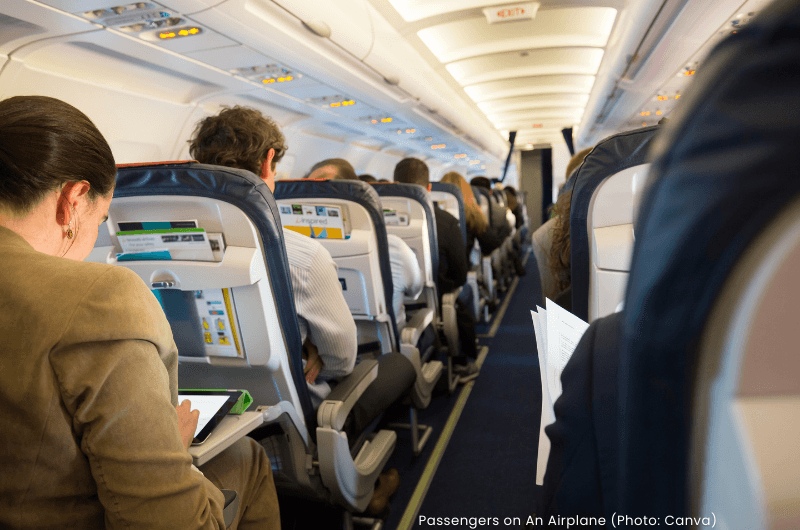
Southwest Airlines will limit refund eligibility for plus-size passengers who purchase a second seat. Starting Jan. 2026, refunds will only be issued if flights have open seats and certain conditions are met—ending the airline’s long-standing goodwill approach. Advocates say the move penalizes larger travelers and erodes accessibility, while industry analysts note it’s part of broader cost-cutting measures ahead of Southwest’s shift to assigned seating. The airline insists the change will improve “fairness” and seating logistics, but critics argue it could discourage travel among customers who already face stigma and higher costs.
Google’s Pixel 10 Ushers In Next-gen AI Mobile Experience, Raising Pressure on Apple

Google’s latest Pixel 10 series brings AI front and center—everything from smarter camera edits to deeper on-device assistance, pushing Apple to step up its iPhone AI game. Google has rolled out the Pixel 10 lineup, and this time the company is making its phones less about specs and more about AI as the star feature. The new flagship devices introduce tools like Magic Cue, a real-time smart suggestion system; Camera Coach, which offers live framing and composition feedback; and automatic content credentials baked into photos to verify authenticity. This suite of capabilities goes beyond incremental upgrades—it signals Google’s determination to fuse everyday phone use with AI-first thinking. While Apple is expected to counter with its own AI-heavy features in the next iPhone release, Google has effectively set a new bar for what “smart” means in a smartphone. With its Pixel 10, Google is betting that consumers are ready to adopt AI as an invisible co-pilot rather than an app you open. That move could tilt expectations across the mobile market—and Apple is now under the gun to deliver. The Author
Behr’s 2026 Color of the Year—a “Hidden Gem”

Behr has unveiled Hidden Gem (N430-6A) as its 2026 Color of the Year. This smoky jade—a seamless blend of blue and green with gray undertones—strikes a poised balance between calm and confidence. It’s being hailed as the “new neutral,” offering both versatility and unexpected depth. Why It Resonates Now Design trends are shifting away from cool minimalism toward richer, nature-infused tones that speak to comfort and authenticity. Hidden Gem embodies this shift: expressive, yet grounded. In consumer surveys, most people associate this color with feelings of peace, serenity, and individuality—and many say that color choices in the home influence their self-confidence. The Stories Behind the Shade Erika Woelfel, Behr’s VP of Color & Creative Services, describes Hidden Gem as capturing nature’s calm while delivering an unexpected, gem-like sophistication. She praises its adaptability—whether used as a bold statement or subtle backdrop. Anna Miller of The Home Depot calls it a “confident choice” that layers easily with everything from jewel tones to warm creams. Designer Manuella Moreira notes its ability to shift mood depending on finish—high-gloss for drama, matte for calm—and recommends starting small, such as a guest bath, before expanding into larger projects. Applications & Pairings: A Color That Transforms Hidden Gem is designed for versatility: Color-drenching: Paint walls, trim, ceiling, and even accessories in various sheens for immersive depth. Accent use: Perfect for kitchen islands, front doors, built-ins, or statement furniture. Complementary palette: From cozy neutrals like Blank Canvas and Wheat Bread, to bold jewel tones like Curtain Call, or mid-tones like Urban Nature, the 2026 Color Trends Palette offers endless pairing possibilities. Final Thoughts Hidden Gem is more than a color trend. It’s a design philosophy. It invites homeowners to create spaces that offer peace, fluidity, and individuality. Whether starting with a bold accent or going all-in with a color-drenched approach, this moody, smoky jade hue delivers a quiet yet confident statement of style. The Author
Pedaling Beyond the Bike: Peloton’s New Push Into Total Wellness
Peloton, once known almost exclusively for its high-intensity cycling classes and signature bikes, is steering into new territory — positioning itself as a holistic wellness brand. The company announced this week that it’s expanding beyond cardio into strength training, meditation, sleep improvement, and nutrition, signaling a broader shift from workout equipment to whole-life health. The move comes as Peloton continues to rebuild after years of turbulence. In its latest quarterly report, the company posted $607 million in revenue and steady subscriber growth, even as it announced another round of cost-cutting measures and its sixth round of layoffs. Leadership says the brand’s future rests on helping members “extend their health span,” focusing on quality of life rather than just physical performance. Peloton’s pivot taps into a growing wellness trend that blends physical fitness with mental health and lifestyle support. By integrating mindfulness practices, recovery tools, and AI-driven coaching into its platform, the company is betting that its community will see Peloton less as a workout subscription — and more as a daily health partner. Whether this rebrand will redefine the competitive fitness market remains to be seen, but one thing is clear: Peloton is riding into a space where exercise is just one piece of the wellness puzzle.
Offline Summer: Why Unplugging Is the New Luxury

In a world where every spare moment seems swallowed by screens, a new counterculture trend is making waves: the “Offline Summer.” From handwritten postcards to long afternoons spent outdoors, more people are trading endless scrolling for intentional, unplugged living — and turning disconnection into the ultimate status symbol. This isn’t just about putting your phone down for a few hours; it’s a conscious decision to reclaim attention, slow the pace, and rediscover the analog joys we’ve been swiping past for years. Designers are debuting clothing inspired by pre-digital decades, while travel companies now market retreats with no Wi-Fi as a feature, not a flaw. Influencers — once defined by their online presence — are embracing “offline diaries” and print zines, framing real-world experiences as the new social currency. The rise of the Offline Summer reflects a deeper shift: people are recognizing that constant connectivity doesn’t always mean deeper connection. For those willing to step away from the ping of notifications, the reward is a quieter mind, richer relationships, and the rare luxury of being fully present. The Author