


More American Men Are Embracing Preventive Health — And Doctors Say That’s a Good Thing

More men across the United States are beginning to take preventive health more seriously, a shift doctors say could help improve long-term health outcomes and encourage earlier detection of potentially serious conditions. For years, healthcare experts have warned that many men are less likely to schedule routine checkups, discuss mental health concerns, or seek medical attention early when symptoms appear. But physicians say attitudes are gradually beginning to change as more men focus on longevity, energy levels, stress management, and overall quality of life rather than waiting until a health issue becomes urgent. The shift comes at an important time. Heart disease remains the leading cause of death among men in the United States, while high blood pressure, diabetes, elevated cholesterol, and certain cancers continue to affect millions of Americans each year. Doctors say regular screenings and preventive care can often identify problems earlier, when treatment options may be more effective. Mental health is also becoming a larger part of the conversation. Physicians and wellness experts say more men are openly discussing stress, burnout, anxiety, sleep problems, and emotional fatigue than in previous generations. While stigma still exists, growing awareness surrounding mental wellness is helping some men become more proactive about their overall health. At the same time, many men are increasingly embracing practical lifestyle changes tied to long-term wellness, including walking, strength training, healthier eating habits, better sleep routines, and regular medical visits. Men over 50 are increasingly displaying active lifestyles directly in their dating app profiles, with many highlighting gym routines, fitness habits, and workout schedules that can reach three to four times per week — a shift that is often visible not only in profile descriptions, but in the photos themselves. The trend reflects how wellness, longevity, and physical health are becoming a growing part of modern male identity later in life. Doctors say prevention does not require perfection — consistency and awareness often matter more than extreme health trends. The Readovia Lens A quiet cultural shift may be underway. For generations, many men were taught to ignore discomfort, avoid vulnerability, and “push through” health concerns. Increasingly, however, more men are beginning to view preventive care not as weakness, but as a form of long-term strength, responsibility, and self-awareness.
14 Americans Quarantined After Returning From Congo as Ebola Precaution

Fourteen Americans have been placed under temporary quarantine at a military facility in New York after returning from the Democratic Republic of the Congo, where officials are responding to a major Ebola outbreak. Health authorities said none of the travelers were showing symptoms of the virus, and there is no known risk to the public at this time. The group arrived in the United States through Canada and was transferred to Fort Drum as part of precautionary health measures. Federal officials said the quarantine is intended to monitor travelers who recently spent time in areas affected by the outbreak, which has led to heightened screening and travel restrictions for people returning from the region. The current outbreak, caused by the Bundibugyo strain of Ebola, has sickened thousands of people in the Democratic Republic of the Congo. While Uganda has reported imported cases, health officials say there has been no sustained community transmission there. Ebola spreads through direct contact with the bodily fluids of an infected person and does not spread through the air like influenza or COVID-19. U.S. health officials continue to emphasize that people infected with Ebola become contagious only after symptoms develop. The Centers for Disease Control and Prevention advises travelers returning from affected areas to monitor their health for 21 days and seek medical care immediately if symptoms such as fever, severe headache, vomiting or unexplained bleeding occur.
Wellness in 2026: Personalized Health, Mental Fitness, and Everyday Rituals Take Center Stage

As we settle into the second half of 2026, wellness has moved well beyond fad diets and sporadic gym visits — it has become a daily, personalized practice rooted in science, measurable outcomes, and holistic wellbeing. Across nutrition, movement, stress management, and recovery, consumers are prioritizing habits and routines that support long-term vitality rather than quick fixes. One of the most significant shifts is personalization. People increasingly seek health strategies tailored to their unique biology, using data from wearables, biomarker tracking, and personalized nutrition plans to guide decisions. Tools that monitor sleep quality, stress levels, heart rate variability, and metabolic markers are becoming commonplace in everyday health routines, helping individuals create custom plans that reflect their goals and lifestyles. Nutrition itself continues to evolve, with an emphasis on foundational health drivers like gut health, balanced metabolism, and functional foods. Experts note that priorities like fiber, protein-rich diets, and whole-food choices are no longer niche interests — they are mainstays of everyday eating habits as consumers seek better digestion, sustained energy, and immune support. The wellness picture in 2026 also embraces mental fitness as a core component of health. Practices that support emotional resilience — from breathwork and micro-meditation to nervous-system regulation techniques — are gaining traction alongside physical fitness routines. Rather than viewing stress management as an afterthought, many people are integrating intentional mental-wellbeing practices into their day. Finally, holistic wellness is increasingly about daily rituals and mindful living. Consumers are carving out time for breathing exercises, intentional rest, nature-based activity, and quality sleep as essential parts of their routines. This trend toward grounding and presence reflects a broader cultural shift: wellbeing is now seen as a balance of body, mind, and lifestyle that must be woven into everyday life.
Popular Weight-Loss Drugs May Slow Biological Aging, New Study Suggests
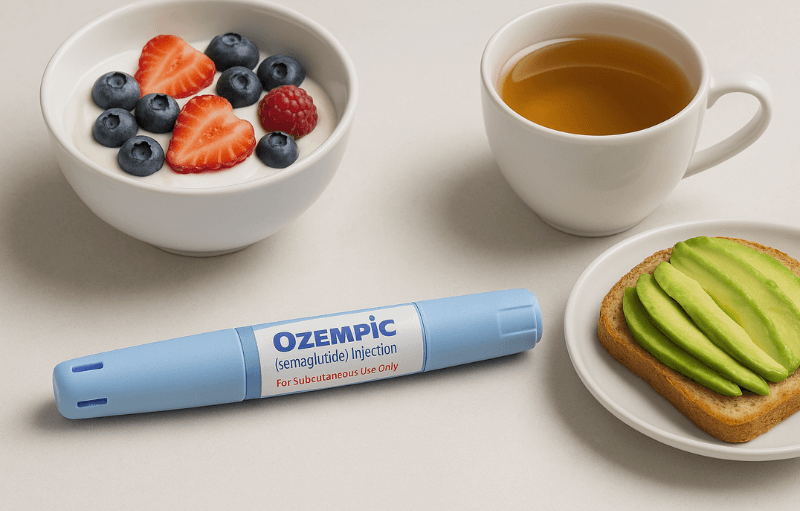
A new clinical study suggests that semaglutide—the active ingredient in popular weight-loss medications such as Ozempic and Wegovy—may help slow biological aging, adding to the growing list of potential health benefits associated with the widely prescribed drugs. Researchers found that participants who received semaglutide showed slower changes in several biological aging markers measured through DNA-based “epigenetic clocks.” The findings come from the first randomized, placebo-controlled clinical trial to provide evidence that the medication may influence biological aging, although the research focused on adults living with HIV and was not designed to determine whether the same effects occur in the general population. Semaglutide is already approved to help treat obesity and type 2 diabetes and has been shown to reduce the risk of certain cardiovascular events. Scientists believe the drug’s ability to reduce inflammation, improve metabolic health and decrease excess body fat may contribute to the observed changes in biological aging markers. Researchers cautioned that the findings are preliminary and that larger studies involving more diverse groups of people will be needed before concluding that semaglutide can slow the aging process more broadly. Still, the results add to growing scientific interest in whether GLP-1 medications may offer health benefits beyond weight loss.
Researchers Say Another Cholesterol Test May Better Predict Heart Disease Risk

Millions of adults know their LDL cholesterol number, but new research suggests another measurement may provide an even better understanding of heart disease risk for some people. Researchers are drawing increased attention to apolipoprotein B (apoB), a blood test that measures the number of cholesterol-carrying particles circulating through the bloodstream. According to the study, apoB may offer a more accurate assessment of cardiovascular risk than LDL cholesterol alone because it focuses on the particles that can contribute to plaque buildup inside the arteries. Advertisement For decades, LDL cholesterol has been one of the most common ways doctors estimate heart disease risk. New research suggests another measurement—known as apolipoprotein B, or apoB—may provide an even clearer picture for some patients. Traditional LDL cholesterol tests measure how much cholesterol is being carried through the bloodstream. ApoB testing takes a different approach by measuring the number of cholesterol-carrying particles themselves. Researchers say that particle count may provide a more accurate picture of heart disease risk because each particle has the potential to contribute to plaque buildup inside the arteries. The findings are particularly noteworthy because some people with normal LDL cholesterol levels still experience heart attacks or develop cardiovascular disease. Researchers believe that in certain cases, an individual may have a normal amount of cholesterol overall while still carrying a higher-than-expected number of cholesterol particles. ApoB testing can help identify that additional risk. The research is expected to contribute to the ongoing discussion about how cardiovascular disease is assessed and prevented. While LDL cholesterol remains an important part of routine screening, many experts believe apoB testing may become an increasingly valuable tool for evaluating overall heart health, particularly for patients with additional risk factors such as diabetes, obesity, or metabolic syndrome. The findings don’t mean LDL cholesterol testing should be ignored or that everyone needs additional testing. Instead, the research suggests apoB may become an increasingly valuable tool for assessing cardiovascular risk in some patients. Anyone with questions about cholesterol testing should discuss the options with their healthcare provider, who can recommend the most appropriate approach based on individual health and risk factors. As researchers continue searching for better ways to predict and prevent heart disease, studies like this may help doctors identify higher-risk patients earlier, allowing for more personalized treatment and prevention strategies. The Readovia Lens Medical research continues to move toward more personalized healthcare. Rather than relying on a single measurement, researchers are increasingly combining multiple indicators to better understand an individual’s overall health and risk. As science advances, the future of preventive care may depend on creating a more complete picture rather than relying on any one number alone.
Bone Loss Often Starts Earlier Than People Realize

Bone loss often begins years before people notice any symptoms, making it easy to overlook until a routine screening or unexpected fracture reveals a problem. Health experts say many adults develop osteopenia—a condition marked by lower-than-normal bone density—before osteoporosis ever occurs. While osteoporosis is widely recognized, osteopenia receives far less attention despite affecting millions of adults. The condition weakens bones gradually and can increase the risk of fractures if bone loss continues over time. Recent research is drawing renewed attention to the importance of identifying bone loss early, when lifestyle changes may have the greatest impact. Advertisement Who Is Most at Risk? Bone density naturally declines with age, but several factors can increase the likelihood of developing osteopenia earlier in life. Women, particularly after menopause, face a higher risk because declining estrogen levels can accelerate bone loss. Older adults, people with a family history of osteoporosis, smokers, and individuals with low calcium or vitamin D intake may also be more vulnerable. Certain medical conditions and medications can further increase the risk, making regular conversations with a healthcare provider an important part of long-term bone health. Small Changes Can Make a Difference Experts say healthy habits can play an important role in supporting bone strength. Weight-bearing activities such as walking, hiking, dancing, and strength training help stimulate bone growth, while adequate calcium, vitamin D, and a balanced diet provide important building blocks for healthy bones. Avoiding tobacco and limiting excessive alcohol consumption may also help protect bone health over time. For people with additional risk factors, a bone density screening may help identify changes before osteoporosis develops. Looking Ahead Bone loss is often described as a silent condition because it typically progresses without obvious symptoms. The good news is that awareness continues to grow, giving more people the opportunity to take action before significant bone loss occurs. Understanding the risk factors, staying physically active, and discussing bone health with a healthcare professional can all play a role in maintaining stronger bones and supporting long-term health.
The Growing Appeal of Strength Training After 40

Strength training has become an important part of many adults’ wellness routines as they look for practical ways to stay active, preserve muscle, and support long-term health. While activities like walking, cycling, and swimming offer excellent cardiovascular benefits, resistance exercises help build and maintain the muscle that supports balance, mobility, and everyday independence. As people get older, muscle mass naturally declines, making strength training an increasingly valuable part of a healthy lifestyle. Advertisement The benefits go well beyond appearance. Regular strength training can improve posture, support bone health, boost metabolism, and make routine tasks—from carrying groceries to climbing stairs—feel easier. It may also help reduce the risk of falls by improving stability and coordination. Another advantage is that getting started doesn’t require an expensive gym membership or heavy equipment. Bodyweight exercises, resistance bands, and light dumbbells can all provide meaningful benefits when used consistently. Even two or three strength-training sessions each week can make a noticeable difference over time. Many adults are also discovering that building strength improves confidence and energy levels. Feeling physically capable can encourage people to stay active, participate in hobbies, travel more comfortably, and maintain an independent lifestyle as they age. The key is to focus on proper technique and gradual progress rather than lifting the heaviest weights possible. Small, consistent improvements often lead to the best long-term results while reducing the risk of injury. For anyone with an existing medical condition or who has been inactive for an extended period, it’s a good idea to speak with a healthcare professional before beginning a new exercise program. The rewards of strength training extend far beyond the gym, supporting mobility, confidence, and a higher quality of life for years to come.
New Heart Health Guidance Focuses on Everyday Eating Habits

For years, Americans have been inundated with diet trends, superfoods, and conflicting nutrition advice. New guidance from the American Heart Association is encouraging a simpler approach: focus less on individual foods and more on building consistent eating habits that support long-term heart health. The updated recommendations emphasize overall dietary patterns rather than chasing the latest nutrition trend. The American Heart Association continues to encourage diets rich in fruits, vegetables, whole grains, legumes, nuts, and lean sources of protein while limiting highly processed foods that often contain excess sodium, added sugars, and unhealthy fats. Advertisement The guidance reflects a growing body of research suggesting that long-term eating habits may play a greater role in heart health than any single food or supplement. Rather than focusing on short-term diets, health professionals increasingly recommend sustainable changes that can be maintained over time. Another notable aspect of the guidance is its position on alcohol. While moderate alcohol consumption was once viewed by some as potentially beneficial for heart health, the American Heart Association says current evidence does not support drinking alcohol for health reasons. Instead, the organization continues to emphasize proven lifestyle factors such as healthy eating, regular physical activity, adequate sleep, and avoiding tobacco use. The recommendations arrive at a time when heart disease remains the leading cause of death in the United States. Health experts say small, consistent improvements in daily habits can help reduce risk factors and support better long-term cardiovascular health. For many people, the takeaway may be reassuring. Building a healthier diet does not necessarily require expensive supplements, complicated meal plans, or restrictive eating programs. Instead, lasting improvements often begin with simple choices made consistently over time. As nutrition advice continues to evolve, one message remains remarkably consistent: healthy eating is less about perfection and more about establishing everyday habits that support long-term wellness.
Why More People Are Tracking Their Stress Like a Vital Sign
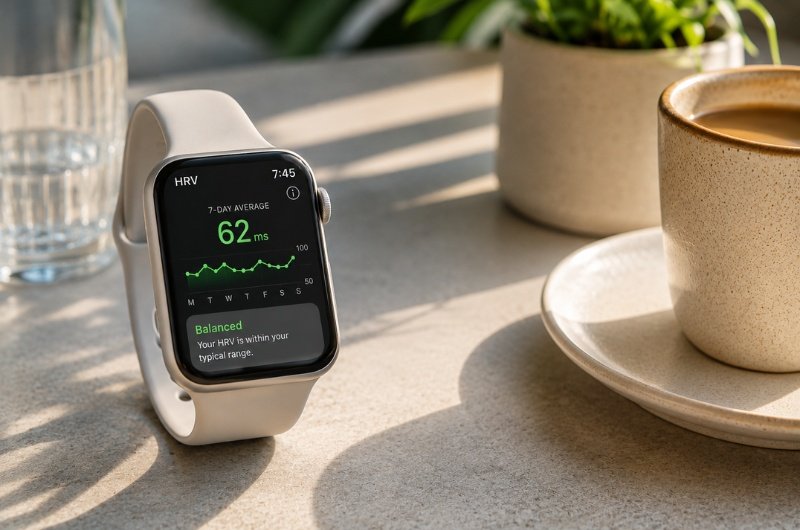
Heart rate variability is becoming one of the wellness world’s most closely watched numbers, as smartwatches, fitness rings, and recovery apps push stress tracking into everyday life. Known as HRV, the metric measures small variations in time between heartbeats. While that may sound technical, researchers have long viewed HRV as a window into the autonomic nervous system, which helps regulate the body’s response to stress, rest, recovery, and physical strain. Research has also explored HRV monitoring as a way to better understand stress patterns tied to burnout and overall recovery. Advertisement The growing interest is being fueled by wearable devices that now place HRV alongside sleep scores, resting heart rate, steps, and recovery data. For many users, the appeal is simple: stress can feel invisible until it shows up as exhaustion, poor sleep, irritability, or illness. HRV gives people a way to observe daily signals that may affect overall wellness. Experts caution, however, that HRV should not be treated like a universal scorecard. A “good” number can vary widely based on age, genetics, fitness level, sleep, illness, medication, alcohol use, and everyday stress. Instead, many wellness professionals say the more useful pattern is personal — whether someone’s HRV is rising, falling, or remaining unusually low compared with their own baseline. That may be one reason HRV is gaining traction beyond athletes and biohackers. In an era shaped by burnout, overstimulation, and always-on work culture, more people are looking for ways to better understand how stress may be affecting the body before it becomes impossible to ignore.
CDC Signals Ongoing Measles Risk as Cases Approach 1,800 Nationwide
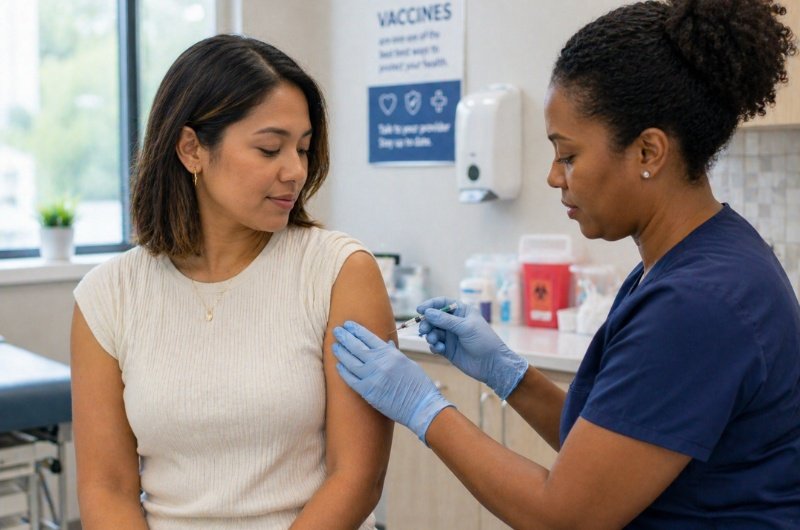
As of April 23, 2026, 1,792 confirmed measles cases have been reported across the United States, according to the Centers for Disease Control and Prevention, as health officials warn that additional infections are likely in the months ahead. The agency says the virus—one of the most contagious in the world—continues to circulate in multiple states, with most cases linked to individuals who are unvaccinated or whose vaccination status is unknown. The CDC is urging state and local health departments to remain vigilant, with a focus on early detection, contact tracing, and outreach to communities with lower vaccination rates. Travelers returning from affected areas are also being advised to monitor for symptoms for up to three weeks and seek medical care if concerns arise. For families, the guidance is straightforward. Vaccination remains the most effective protection, and in some cases, infants traveling to higher-risk areas may be eligible for an early dose ahead of the standard immunization schedule. While most people in the U.S. are protected through routine vaccination, the rise in cases serves as a reminder of how quickly preventable diseases can reemerge when coverage declines. With infections continuing to surface, public health officials say awareness and timely response will be key to limiting further spread.