


The Readovia Aerospace Report Debuts with Its First Quarterly Edition
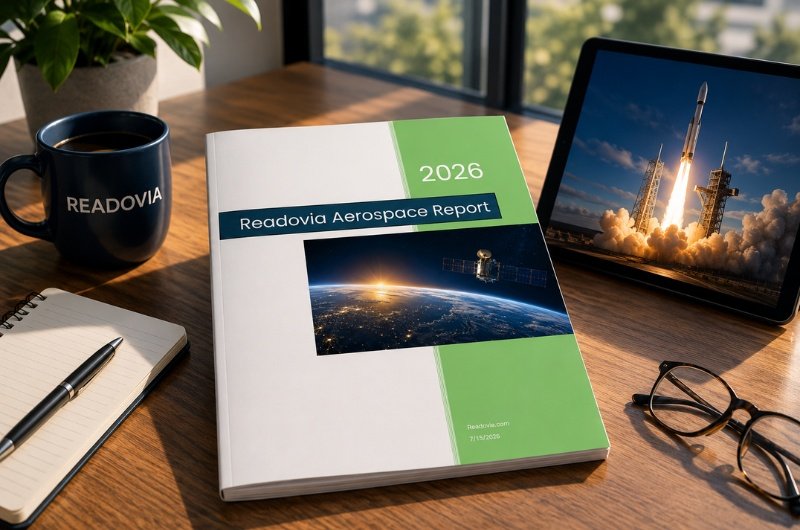
The aerospace industry rarely stands still—and the second quarter of 2026 proved it once again. From major government initiatives and commercial spaceflight milestones to advances in defense aviation and satellite technology, the past three months brought developments that will continue shaping the industry well into the second half of the year. To help readers quickly understand what mattered most, Readovia has released the inaugural edition of The Readovia Aerospace Report, a concise quarterly publication highlighting the biggest stories, key industry developments, and the trends worth watching. Rather than covering every headline, the report focuses on the events and data that provide the clearest picture of where the aerospace sector is headed. It also includes The Readovia Lens, our editorial perspective on the quarter’s most significant themes, along with a look ahead at what to watch during Q3. Whether you follow commercial aviation, defense, satellite technology, or the rapidly evolving space industry, the report is designed to give you a fast, informative overview in just a few minutes. Get The Readovia Aerospace Report here
Iran War Spills Across Borders as Strikes Hit Two Iraq Crossings
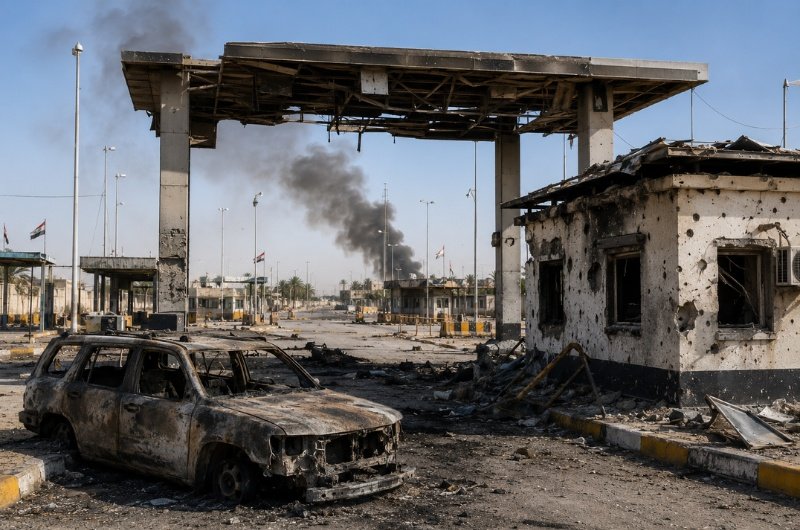
The conflict between the United States and Iran expanded beyond Iranian territory Thursday after two border crossings in Iraq were struck during the latest round of hostilities. Officials and verified video footage indicate that the Shalamcheh border crossing between Iran and Iraq was hit, reportedly damaging a police rest station. Later the same day, the Abdali border crossing between Iraq and Kuwait also came under attack in what appeared to be a retaliatory strike. Iraqi officials had not publicly commented on either incident as of publication. The developments came as the U.S. military completed its 13th consecutive night of strikes against targets inside Iran. According to U.S. Central Command, the latest operation targeted command centers, drone storage sites, communications infrastructure, coastal surveillance systems, and other military facilities. The continuing campaign reflects the longest sustained period of direct U.S. military operations against Iran in the current conflict. As strikes continue and attacks spread beyond Iran’s borders, regional security concerns are mounting across neighboring countries. Military analysts are closely watching whether the latest cross-border attacks signal a broader expansion of the conflict or remain isolated incidents as tensions continue to escalate.
DOJ Backs Away From New York Times Subpoenas in Air Force One Investigation
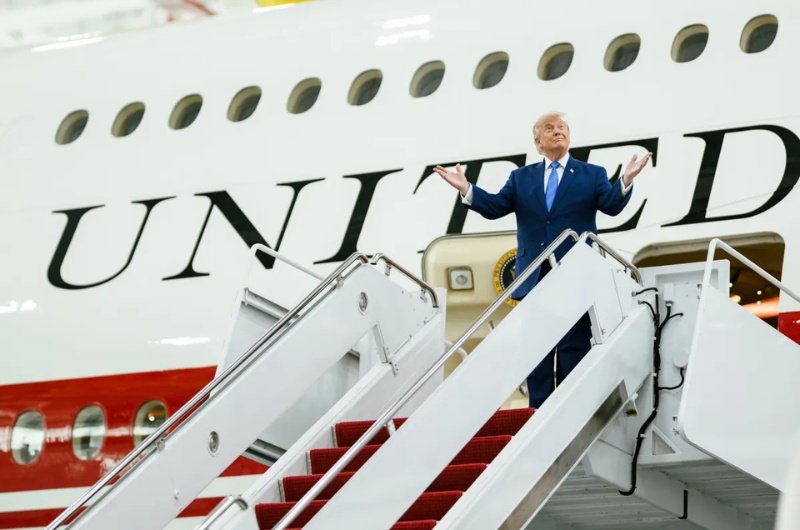
The U.S. Department of Justice has withdrawn subpoenas seeking testimony and phone records from three New York Times reporters in its investigation into leaked information about President Donald Trump’s new Air Force One aircraft, ending a closely watched legal dispute after a federal judge questioned the government’s handling of the case. The subpoenas were issued as part of an investigation into reports that raised security concerns about a Boeing 747 donated by Qatar and intended for presidential use. Prosecutors had sought to identify the sources behind the newspaper’s reporting, arguing the disclosures involved sensitive national security information. During a hearing in federal court in New York, U.S. District Judge Arun Subramanian questioned whether the Justice Department had met the legal standards required before compelling journalists to reveal confidential sources. Government attorneys subsequently agreed to withdraw the subpoenas rather than continue the legal dispute. The case drew national attention because it highlighted the ongoing tension between leak investigations and longstanding First Amendment protections for the press. While the Justice Department has ended its effort to obtain testimony and records from the reporters, officials have indicated that the broader investigation into the disclosure of information about the aircraft remains active.
Supreme Court Rules Trump Administration Can Deny Re-Entry to Some Green Card Holders

The U.S. Supreme Court handed the Trump administration a significant victory on immigration Tuesday, ruling that border officials have the legal authority to deny automatic re-entry to some green card holders facing criminal charges—even if they have not been convicted. The Trump administration argued that existing immigration law gives U.S. Customs and Border Protection officers discretion to treat certain lawful permanent residents as applicants for admission when they return to the United States if they are facing serious criminal allegations. In a 6-3 decision, the Supreme Court agreed. Advertisement The ruling reinforces an important legal distinction between permanent residency and U.S. citizenship. A green card allows someone to live and work permanently in the United States, but it is not the same as a U.S. passport or citizenship. Under federal immigration law, the government retains authority to determine how certain lawful permanent residents are processed when they seek to re-enter the country after traveling abroad. The Court’s decision does not mean green card holders automatically lose their legal status if they are charged with a crime. Instead, it gives immigration officials greater discretion in determining whether certain returning permanent residents should be admitted immediately or placed into immigration proceedings, depending on the circumstances of their case. Supporters of the ruling say it strengthens the federal government’s ability to enforce immigration law and protect the nation’s borders. Critics argue it could reduce procedural protections for some lawful permanent residents and create greater uncertainty for green card holders returning from international travel.
U.S. Issues Worldwide Security Alert as Iran Conflict Escalates
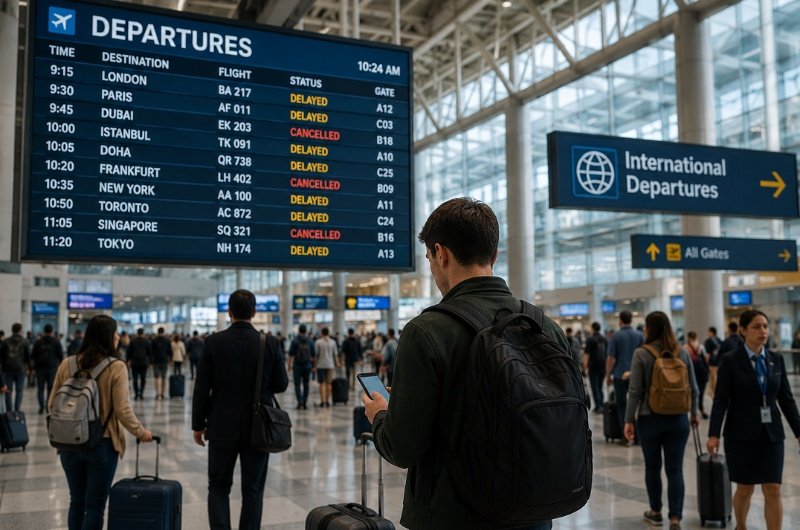
The U.S. State Department has issued a worldwide security alert for American citizens as military operations against Iran continue to intensify, warning that the conflict could increase security risks for Americans traveling or living abroad. The advisory comes after another night of U.S. strikes on Iranian military targets and growing concerns about possible retaliation against U.S. interests overseas. In its latest advisory, the State Department urged Americans worldwide to exercise increased caution, particularly in the Middle East, where airspace closures, flight disruptions, and rapidly changing security conditions remain possible. Officials also warned that U.S. diplomatic facilities and locations associated with the United States could become targets as tensions continue to rise. Advertisement The warning follows another round of overnight U.S. military strikes targeting Iranian command centers, missile launch sites, drone infrastructure, air defense systems, and maritime capabilities. The campaign is part of an ongoing effort to reduce Iran’s ability to threaten commercial shipping and military assets in the region. The conflict has also raised concerns about global energy markets, as fighting around the Strait of Hormuz continues to threaten one of the world’s busiest oil shipping routes. International leaders have continued diplomatic efforts aimed at preventing a broader regional war, but no breakthrough has been announced. For Americans planning international travel, officials recommend closely monitoring updates from the nearest U.S. embassy or consulate, reviewing current travel advisories, and remaining alert for rapidly changing conditions as the crisis unfolds.
Tropical Storm Bertha Strengthens as Gulf Coast Braces for Heavy Rain and Flooding
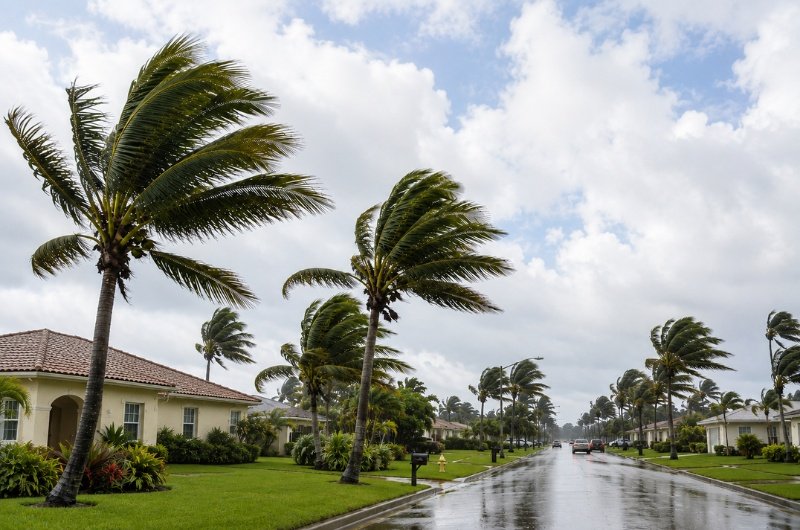
Tropical Storm Bertha strengthened overnight as it drifted across the Gulf of Mexico, prompting warnings for parts of the northern Gulf Coast as forecasters warned of heavy rainfall, coastal flooding, storm surge, and isolated tornadoes over the coming days. As of Tuesday morning, Bertha was producing maximum sustained winds of 50 mph and was located about 125 miles south of Panama City, Florida. The storm was moving slowly to the northwest, a track expected to bring it closer to portions of the Florida Panhandle, Alabama, Mississippi, and Louisiana before turning westward later this week. Advertisement A tropical storm warning is in effect from the Florida-Alabama border westward into southeastern Louisiana, while a storm surge watch remains in effect for vulnerable coastal communities. Forecasters say some locations could see storm surge of up to 4 feet, along with several inches of rainfall capable of triggering flash flooding in low-lying areas. Emergency officials are encouraging residents to monitor the latest forecasts, review evacuation plans if they live in flood-prone areas, and avoid driving through flooded roadways. Although Bertha is not expected to become a major hurricane before landfall, slow-moving tropical systems can still produce significant flooding and dangerous conditions well inland. Forecasters expect Bertha to continue strengthening modestly before approaching the northern Gulf Coast, with weather conditions expected to deteriorate across the region through midweek. Residents are urged to stay informed as the storm’s track and intensity could still change.
U.S. Identifies Two Soldiers Killed in Jordan Attack as Military Response Intensifies
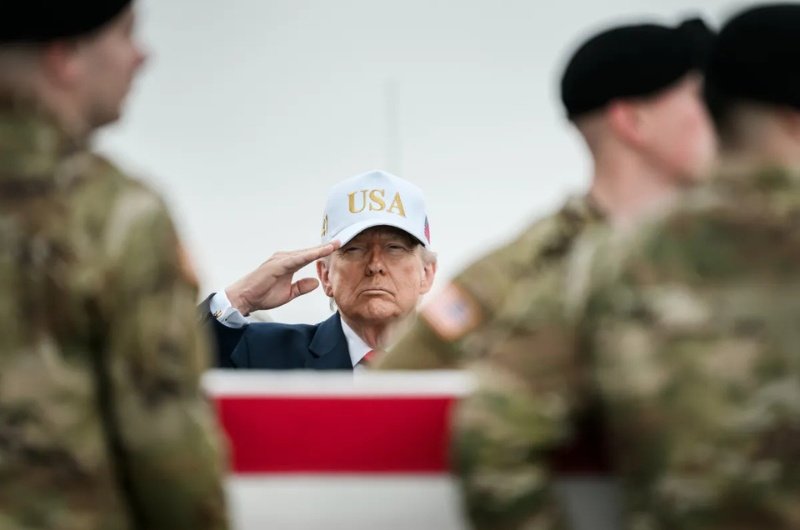
The U.S. military has identified two of the American service members killed in a recent attack on a military base in Jordan as 1st Lt. Tyler James Feehan of Hawaii and Pvt. Isabella Gonzales of Texas. Their deaths came during an attack that U.S. officials have blamed on Iran-backed forces. Defense officials said the soldiers were among the American personnel killed while supporting operations in the Middle East. Their identities were released after their families were notified. The deaths have become a central factor in the Trump administration’s decision to expand military operations against Iran. U.S. forces carried out another round of strikes overnight, marking the ninth consecutive night of attacks targeting Iranian military infrastructure. President Trump said the United States would continue responding to attacks on American personnel, while Defense Department officials said the military remains focused on degrading Iran’s ability to threaten U.S. forces and regional stability.
U.S. Launches Ninth Consecutive Night of Strikes Against Iran After American Troop Deaths
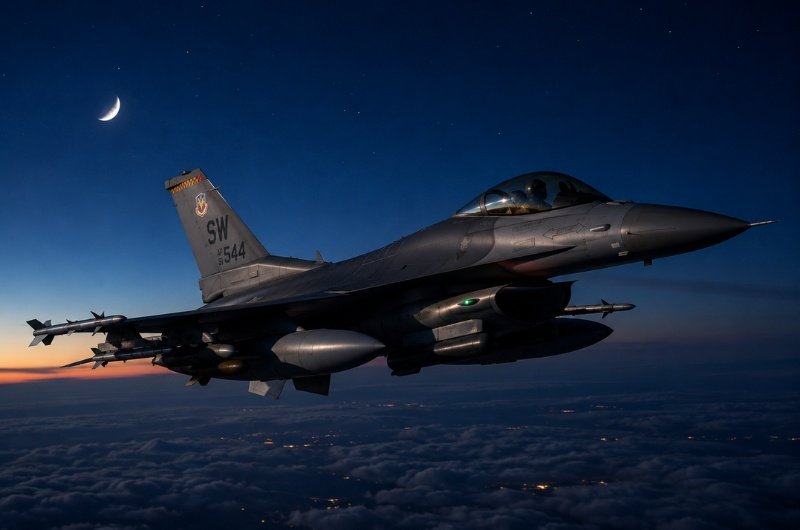
On Sunday night, the United States carried out a ninth consecutive night of military strikes against Iran as the conflict intensified following the deaths of additional American service members. U.S. officials said the latest operations targeted Iranian military capabilities linked to attacks on U.S. forces and commercial shipping in the region. The Defense Department identified two soldiers killed in a recent Iranian attack on a military base in Jordan as 1st Lt. Tyler James Feehan of Hawaii and Pvt. Isabella Gonzales of Texas. Their deaths have become a focal point in the administration’s justification for continuing the military campaign. According to U.S. Central Command, recent strikes have targeted air defense systems, missile and drone facilities, coastal surveillance sites, and other military infrastructure intended to reduce Iran’s ability to threaten U.S. forces and maritime traffic through the Strait of Hormuz. The latest military action comes as diplomatic efforts remain uncertain and tensions across the Middle East continue to rise. Oil markets and global shipping have remained on edge as both sides exchange attacks, raising concerns that the conflict could broaden further if negotiations fail.
Deadly Flooding Returns to Texas Hill Country as Hundreds Are Rescued
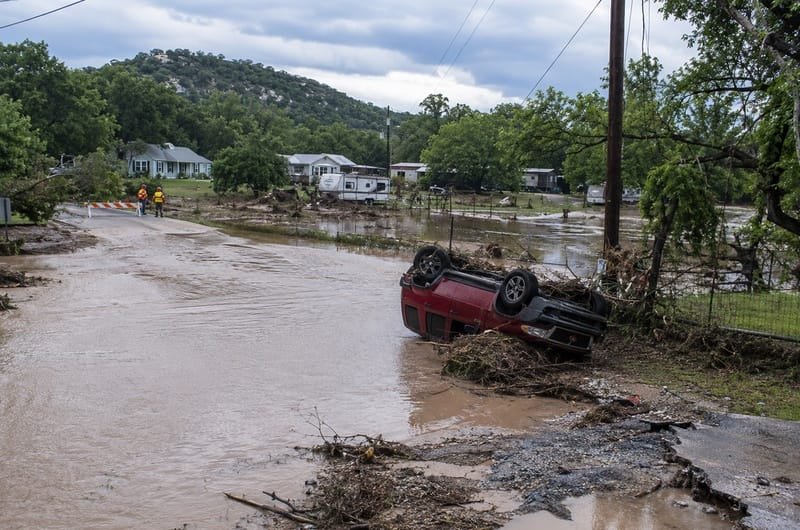
At least two people have died and hundreds have been rescued Thursday as torrential rain sent rivers surging across Central Texas, including communities still recovering from last year’s catastrophic flooding. Parts of the Texas Hill Country received more than two feet of rain—approximately a year’s worth—in just a few days. The extreme rainfall produced fast-moving flood waves along multiple rivers, overwhelming roads, homes and low-lying areas. Officials reported more than 230 water rescues across the state. More than 2,300 emergency personnel and 1,400 pieces of equipment have been deployed, including helicopters, rescue boats and high-water vehicles. The National Weather Service said moderate to major flooding was occurring or expected across several river basins, including the Guadalupe, Pedernales, Frio, Medina, San Antonio and Nueces. Although conditions were expected to improve in parts of the region Friday, river flooding could continue after the heaviest rain ends. The disaster comes just over a year after flash flooding killed more than 130 people in the Texas Hill Country, including children and counselors at Camp Mystic. This time, officials and residents credited expanded sirens, river warning towers and more urgent forecast messaging with helping communities respond sooner and potentially limiting an even greater loss of life.
Canadian Wildfire Smoke Drifts Across Parts of the U.S.
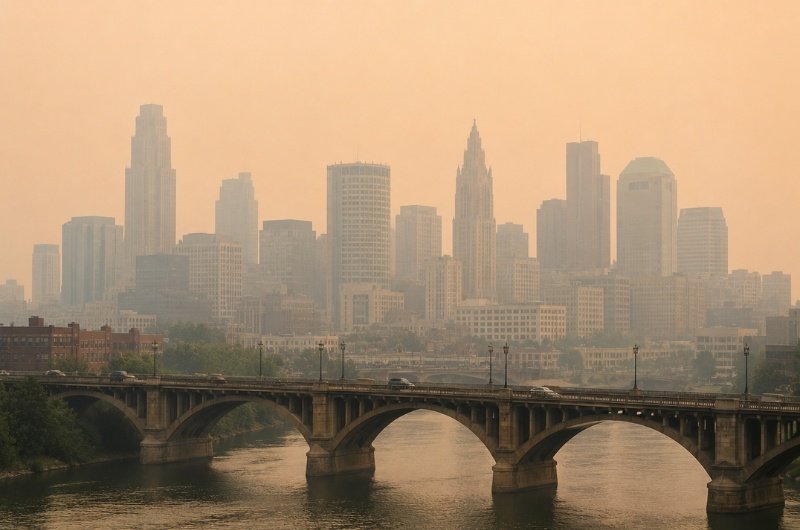
Smoke from hundreds of wildfires burning across Canada this week drifted into large portions of the United States on Friday, creating hazy skies and unhealthy air quality from the Midwest to the Northeast and Mid-Atlantic. Some of the poorest air quality was reported around the Great Lakes, where Detroit, Chicago and other cities experienced elevated pollution levels. The smoke also spread into communities farther east, including Washington, Philadelphia and New York City, prompting air quality alerts across more than 20 states. The smoky conditions also disrupted sporting events. A Major League Baseball game between the Pittsburgh Pirates and Cleveland Guardians was postponed after air quality in Cleveland reached a level considered “very unhealthy.” Another game in Philadelphia had already been rescheduled because of the smoke. Wildfire smoke contains tiny particles that can travel deep into the lungs and bloodstream. Health officials advised children, older adults, pregnant women and people with heart or lung conditions to limit strenuous outdoor activity, keep windows closed when possible and consider wearing a well-fitting N95 mask if spending extended time outdoors. Forecasters said weather conditions could bring temporary improvements to some areas over the weekend, but shifting winds may continue carrying smoke into different parts of the country. Residents are encouraged to check local air quality forecasts before making outdoor plans.