


Micron’s Latest Results Point to a More Predictable Future for AI Investing
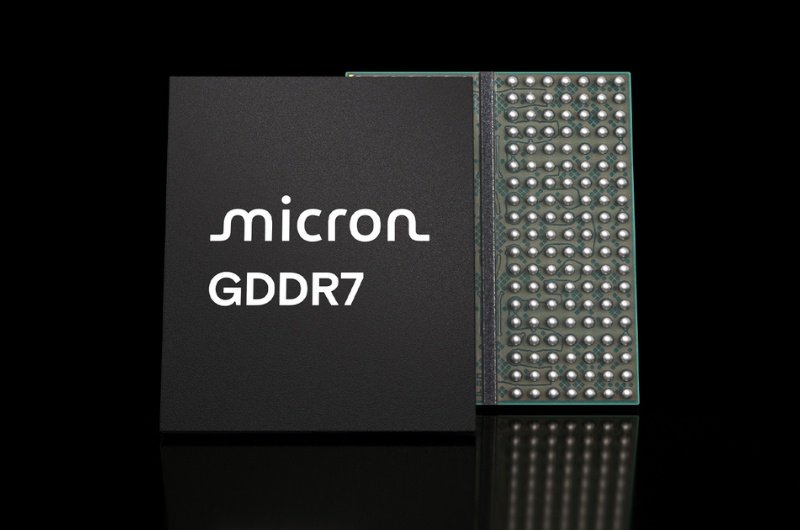
Micron’s latest earnings report did more than exceed Wall Street’s expectations—it suggested that one of the technology industry’s most unpredictable businesses may be entering a more stable era as demand for artificial intelligence infrastructure continues to grow. The memory-chip maker reported record quarterly results while revealing that customers have committed approximately $22 billion through long-term strategic agreements designed to secure future supplies of its memory products. The agreements include pricing floors, cash deposits, and “take-or-pay” commitments that give Micron greater visibility into future demand than the industry has traditionally enjoyed. A Shift Beyond Quarterly Earnings For decades, memory-chip companies have been known for dramatic boom-and-bust cycles. Periods of strong demand often encouraged manufacturers to expand production, only to face falling prices when supply eventually caught up. Artificial intelligence is beginning to change that dynamic. As technology companies continue investing billions of dollars in AI infrastructure, demand for high-performance memory has remained exceptionally strong. Rather than relying primarily on short-term orders, Micron is increasingly securing multi-year customer commitments that provide a clearer picture of future revenue. Why Investors Are Paying Attention The company’s latest results suggest investors are looking beyond one strong quarter. Long-term customer agreements can help reduce some of the uncertainty that has historically characterized the memory-chip business. While no technology sector is immune to changing economic conditions, contracts that lock in future purchases may provide a more predictable foundation than investors have seen in previous industry cycles. Micron said it expects strong demand for AI-related memory products to continue as data center expansion accelerates, reinforcing the view that AI infrastructure spending remains a long-term investment theme rather than a short-lived trend. The Investor Takeaway The AI boom has often centered on the companies building advanced processors and software. Micron’s latest results highlight another part of the story: the companies supplying the memory and infrastructure that make artificial intelligence possible. For investors, the significance extends beyond another earnings beat. If long-term customer agreements continue gaining traction, they could help make one of the semiconductor industry’s most cyclical businesses increasingly predictable—a shift that may reshape how Wall Street evaluates AI infrastructure companies in the years ahead.
AI Stock Sell-Off Sends Shockwaves Through Markets as Investors Reassess Spending Boom

Artificial intelligence-related stocks fell sharply Tuesday, as investors took profits following a powerful rally that has driven many technology companies to record highs over the past year. The sell-off affected a range of companies tied to the AI boom, including chipmakers, data center operators, and technology firms that have benefited from growing demand for artificial intelligence infrastructure. The decline also weighed on broader market indexes as investors moved money out of some of the market’s biggest winners. While concerns about valuations and future spending levels contributed to the pullback, many analysts pointed to profit-taking as a major factor behind the decline. After months of strong gains, some investors appeared eager to lock in profits while reassessing the pace of future growth. The recent AI boom has fueled massive investments in data centers, advanced semiconductors, cloud computing infrastructure, and energy resources needed to support increasingly sophisticated artificial intelligence systems. Those investments have helped drive significant gains across the technology sector, but they have also raised questions about costs and how quickly companies will generate returns on those expenditures. Despite the market decline, many analysts continue to view artificial intelligence as one of the most important long-term technology trends. Supporters argue that demand for AI infrastructure remains strong and that periodic market pullbacks are a normal part of any sustained rally. For investors, the latest downturn serves as a reminder that even the market’s strongest sectors can experience periods of volatility as traders adjust expectations and take profits after significant gains. The Readovia Lens Market pullbacks often attract attention, especially after periods of rapid growth. While AI-related stocks faced selling pressure this week, a broader view suggests the pullback may have more to do with investors taking profits after a remarkable rally than with any fundamental shift in the long-term outlook for artificial intelligence. Long-term trends are rarely defined by a single trading session. Even so, the sell-off highlights how quickly market sentiment can shift when expectations and valuations rise faster than investors are willing to support.
Why More Americans Are Waiting Longer to Buy a Home

For many Americans, the dream of homeownership is still alive—but the timeline has changed. Higher mortgage rates, elevated home prices, and affordability concerns are causing many prospective buyers to spend more time saving, comparing options, and waiting for the right opportunity before making one of the biggest financial decisions of their lives. That doesn’t necessarily mean the housing market has come to a standstill. Buyers are still actively searching for homes, but many are taking a more measured approach as they weigh monthly payments, long-term costs, and their overall financial readiness. For those choosing to wait, the reasons are often practical rather than pessimistic. Some hope borrowing costs will ease in the months ahead, while others are focused on building larger down payments, improving their credit scores, or reducing existing debt before purchasing a home. Rising insurance costs, property taxes, and maintenance expenses are also prompting buyers to take a closer look at the true cost of home ownership. Financial professionals often caution against trying to perfectly time the market. Mortgage rates and home prices can be influenced by a wide range of economic factors, making short-term predictions difficult. Instead, many experts encourage buyers to focus on personal affordability and long-term financial stability rather than chasing the lowest possible rate. The good news is that taking time to prepare can pay off. Strengthening credit, paying down debt, and creating a realistic budget can improve purchasing power and provide greater confidence when the right home becomes available. For many households, the question is when to buy. In today’s market, patience and preparation may be just as important as finding the perfect property.
Intel Shares Rise After Trump Says Apple Will Partner on U.S. Chip Production

Intel shares climbed Thursday after President Donald Trump announced that Apple plans to work with the U.S. chipmaker on semiconductor production, fueling investor optimism about domestic manufacturing and the future of the American technology industry. In a post on Truth Social, Trump said Apple had agreed to collaborate with Intel to design and manufacture chips in the United States. The announcement quickly drew attention on Wall Street, where investors viewed the reported partnership as a potentially significant boost for Intel’s long-term growth prospects. While additional details about the arrangement have not yet been released, the news arrives as the United States continues efforts to strengthen domestic semiconductor production and reduce reliance on overseas manufacturing. The semiconductor industry plays a critical role in powering everything from smartphones and personal computers to artificial intelligence systems and data centers. For Intel, a partnership with one of the world’s largest technology companies could reinforce its strategy of expanding advanced chip manufacturing capabilities in the United States. The company has invested heavily in modernizing its fabrication facilities and positioning itself as a leading contract manufacturer for other chip designers. Apple has not publicly outlined the scope or timeline of the reported collaboration, and further information is expected as the project develops. Investors will be watching closely for additional announcements that could clarify how the partnership may affect production plans, supply chains, and the broader semiconductor market.
Investors Cheer Iran Peace Deal as Stocks Rise and Oil Prices Fall

Investors reacted enthusiastically Monday after President Donald Trump announced a peace agreement with Iran, sending major stock indexes higher and pushing oil prices lower as markets bet that reduced tensions in the Middle East could support economic growth and ease inflation pressures. The agreement, which includes plans to reopen the Strait of Hormuz, removes a major source of uncertainty that has weighed on global energy markets in recent months. The strategically important waterway serves as one of the world’s most critical routes for oil shipments, making stability in the region important to businesses, consumers, and investors around the world. As news of the agreement spread, investors moved back into stocks while oil prices declined, reflecting expectations that energy supplies could become more stable and less vulnerable to disruption. Markets generally favor certainty, and the prospect of a calmer Middle East was welcomed by traders looking for signs of reduced geopolitical risk. Lower energy costs can have a ripple effect throughout the economy. Fuel prices influence transportation expenses, shipping costs, manufacturing operations, and ultimately the prices consumers pay for goods and services. When energy prices move lower, inflation pressures often ease as well. For consumers, any meaningful decline in oil prices could eventually translate into lower gasoline prices and reduced costs across a range of products and services. While changes at the pump rarely happen overnight, markets are clearly signaling optimism that a more stable energy environment could benefit households and businesses alike. Investors are also watching for broader economic effects. Reduced geopolitical tensions can encourage business investment, strengthen consumer confidence, and create a more favorable environment for economic growth. The stock market’s positive reaction suggests many investors believe the agreement could help remove one of the major uncertainties facing the global economy. While many details of the agreement are still emerging, economists and market analysts will be closely monitoring energy prices, inflation data, and market performance in the weeks ahead. The long-term impact will depend on how successfully the agreement is implemented and whether stability in the region holds. The Readovia Lens Investors are often quick to look beyond the headline and focus on what comes next. In this case, markets appear to be betting that a more stable Middle East could lead to lower energy costs, easing inflation pressures and creating a friendlier environment for economic growth. While the long-term success of the agreement remains to be seen, Wall Street’s initial reaction suggests investors view the development as a meaningful step toward greater global stability. For consumers, that could eventually translate into benefits that extend well beyond the stock market.
The Readovia Stock Stack: Eight Skyrocketing Stocks and the Trends Driving Them

Over the past year, a select group of companies has delivered extraordinary stock market returns ranging from approximately 289% to more than 1,500%. These companies have positioned themselves at the center of some of today’s most powerful growth trends, capturing investor attention along the way. While each company operates in a different sector, many are benefiting from trends tied to artificial intelligence, cloud computing, data infrastructure, digital communications, and the emerging space economy. That observation inspired the creation of The Readovia Stock Stack. The new digital report highlights eight companies that have delivered remarkable market performance while participating in some of today’s most significant economic and technological trends. Inside, readers will find company profiles, performance data, and insights into the themes helping drive growth across multiple industries. The goal is not to predict the future or identify the next stock market winner. Instead, the report highlights companies that have already demonstrated extraordinary growth while offering readers a deeper understanding of the trends that helped fuel their rise. For investors, business leaders, technology enthusiasts, and anyone interested in the forces shaping tomorrow’s economy, understanding the trends behind today’s market leaders can be just as important as understanding the companies themselves. Get The Readovia Stock Stack – available now as an instant digital download
Americans Are Still Spending — But Savings Are Shrinking

Americans continue to spend despite ongoing concerns about inflation, affordability, and the broader economy, but new data suggests many households are saving less in the process. The U.S. personal saving rate fell to 2.6% in April, down from 4.3% in January and one of the lowest levels recorded in recent years. At the same time, consumer spending continued to rise even as disposable income softened, highlighting the financial balancing act many households are facing. Consumer spending remains one of the primary engines of the U.S. economy. Americans are still traveling, dining out, shopping, and spending on experiences, helping support businesses and economic growth despite a more challenging financial environment. Yet the financial picture beneath the surface is becoming more complicated. Higher costs for housing, insurance, healthcare, groceries, and energy have increased pressure on household budgets. Recent inflation data showed consumer prices rising at the fastest annual pace in three years, driven in part by higher energy costs. As everyday expenses consume a larger share of income, many families are finding it more difficult to set money aside. For some households, savings accumulated during the pandemic have largely disappeared. Others continue to save, but at a slower pace than they did just a few years ago. The trend helps explain a seeming contradiction in today’s economy. Consumer spending remains relatively resilient, while surveys show many Americans continue to express concerns about their financial future and the rising cost of living. Employment levels remain stable, and many consumers continue to prioritize travel, entertainment, and discretionary purchases. However, the decline in savings suggests that maintaining those spending habits may be requiring greater tradeoffs than before. The American consumer has repeatedly defied predictions of a major pullback over the past several years. What appears increasingly clear, however, is that many households are working harder to maintain the same lifestyle amid higher costs. A healthy economy depends not only on spending, but also on financial resilience. As consumers continue supporting economic growth, the ability to rebuild savings may become an important measure of household financial health in the months ahead.
AI Stock Selloff Shakes Wall Street as Investors Reassess the Next Phase of the Boom

After one of the most powerful rallies in modern market history, investors began taking profits in some of Wall Street’s hottest AI-linked stocks last week, triggering a sharp pullback across the technology sector and reminding traders that even the market’s biggest winners rarely move higher forever. Semiconductor stocks, data center companies, and other AI-related firms led a broad market decline as investors sold shares in some of the market’s strongest performers. Several closely watched companies — including Nvidia, Micron, AMD, and Broadcom — experienced significant declines as traders locked in gains following months of extraordinary growth. While economic data and interest-rate expectations may have contributed to market volatility, many investors viewed the pullback as a natural pause following an exceptional rally. Over the past year, numerous AI-related companies delivered returns that far outpaced the broader market, creating conditions where some traders chose to secure profits and reduce risk. Yet despite the sharp decline, many analysts do not view the pullback as the end of the AI boom. Instead, market observers describe the move as a reset following an extraordinary run that pushed many AI-linked companies to historic valuations. Even after the recent selloff, the semiconductor sector remains one of the strongest-performing areas of the market over the past year. Early Monday trading suggested investors may already be returning to some of the sector’s biggest names. Several technology stocks showed signs of stabilization as traders looked for opportunities following Friday’s losses. The Bigger Picture The recent pullback highlights an important reality of investing: markets rarely move in a straight line. Even during powerful long-term trends, periods of profit-taking and investor caution are common. Companies tied to artificial intelligence have attracted enormous amounts of capital over the past two years, helping drive one of the strongest technology rallies in decades. At the same time, investors are becoming increasingly selective about where they place their bets. As the AI economy matures, Wall Street is beginning to place greater emphasis on earnings, execution, and long-term business fundamentals rather than excitement alone. The shift does not necessarily signal the end of the AI era. Instead, it may represent the beginning of a new phase in which investors demand stronger performance and clearer paths to sustained growth. The Readovia Lens The most important takeaway from last week’s selloff may be that the underlying AI story remains largely unchanged. Data centers are still being built. Semiconductor demand remains strong. Technology companies continue investing billions of dollars into artificial intelligence infrastructure, cloud computing, networking systems, and the computing power required to support the next generation of AI applications. What changed last week was not the technology — it was investor behavior. After an historic rally, many investors simply decided to take some money off the table. Whether the recent pullback proves temporary or marks the beginning of a broader correction remains to be seen, but the long-term forces driving AI investment continue to shape the market. For investors, the recent volatility may serve as a reminder that transformative technologies often experience periods of turbulence along the way. The AI revolution may still be moving forward, even if the stocks powering it occasionally take a step back.
SpaceX Is Coming to Wall Street—and Could Become the Largest IPO in History

For years, SpaceX has occupied a unique place in the business world: one of the most influential companies on Earth that ordinary investors could not buy. That may soon change. SpaceX is reportedly preparing for a blockbuster initial public offering that could value the company at approximately $1.75 trillion, potentially making it the largest IPO in Wall Street history. The company is expected to list on Nasdaq under the ticker symbol SPCX as early as June 12, though final timing, valuation, and offering terms could still change before shares begin trading. The company has transformed the global launch industry, dramatically reducing the cost of sending payloads into space while building a growing portfolio of businesses that includes Starlink, one of the world’s largest satellite internet networks. Together, those operations have helped position SpaceX at the center of several powerful trends, including commercial spaceflight, global communications, national security, and next-generation infrastructure. But the most interesting story may not be SpaceX itself. A company approaching a $1.75 trillion valuation has the potential to influence the broader market long before its first day of trading. Institutional investors, pension funds, mutual funds, and eventually major index funds could face pressure to allocate capital toward one of the world’s largest newly public companies. Billions of dollars could be repositioned across portfolios as investors make room for a company of unprecedented scale. The timing is also notable. Artificial intelligence has dominated business and technology headlines for much of the past two years, capturing investor attention and driving conversations about the future of innovation. A successful SpaceX debut could help elevate another emerging theme: the rapidly expanding space economy. Not everyone agrees on the company’s reported valuation. While SpaceX is reportedly targeting a valuation near $1.75 trillion, some analysts have assigned substantially lower estimates, highlighting the challenge of valuing one of the world’s largest private companies. As with any IPO, the market will ultimately decide what investors are willing to pay. The Readovia Lens For decades, investors have heard that space represented the next great economic frontier. The challenge was finding companies with the scale, technology, and financial resources to turn that vision into reality. If SpaceX reaches public markets at anything close to its reported valuation, investors may finally gain access to a company that has already proven it can build rockets, launch satellites, create communications networks, and generate meaningful revenue at scale. The biggest question is whether investors are willing to pay one of the highest valuations ever attached to a newly public stock. If they are, Wall Street may be entering a new era where the space economy becomes a mainstream investment theme rather than a speculative niche.
Virgin Galactic Stock Soars 36% as Investors Double Down on the Space Economy

——————– UPDATE (June 2, 2026 — 10:15 a.m. ET): Shares of Virgin Galactic fell sharply Tuesday morning after soaring more than 36% during the previous trading session. The stock was down more than 30% in early trading as investors appeared to take profits following one of the company’s strongest single-day rallies in recent years. While the pullback surprised some traders, rapid reversals are not uncommon among highly speculative stocks that experience sudden price spikes. ——————– Last week, Readovia examined the renewed interest in commercial space companies. Just days later, Virgin Galactic is providing one of the clearest examples yet that investor enthusiasm for the sector may be accelerating. Shares of Virgin Galactic surged 36.42% Friday after climbing more than 43% during afternoon trading before pulling back slightly into the close. The momentum carried into Monday morning, with the stock jumping another 26% shortly after the opening bell. Combined, the gains pushed the stock dramatically higher in less than two trading sessions and placed the company firmly back on Wall Street’s radar. The rally comes as investors increasingly focus on what many view as the next frontier of long-term growth. Renewed attention surrounding commercial launch systems, satellite networks, private spaceflight, and next-generation spacecraft has helped bring the space economy back into the spotlight. Excitement surrounding SpaceX’s ongoing Starship development program and broader commercial space ambitions has also contributed to growing interest across the sector. For Virgin Galactic, the rally represents a dramatic shift in sentiment. The company has spent years working to advance its commercial space tourism business while navigating delays, funding concerns, and investor skepticism. At times, the stock seemed to spend more time falling back to Earth than reaching for the stars. Today, investors appear increasingly willing to revisit companies positioned to benefit from future growth in the commercial space industry. Whether the latest surge continues remains to be seen. What appears increasingly clear, however, is that investors are paying attention to the commercial space sector again. After years of turbulence, companies tied to the emerging space economy are once again attracting significant interest from Wall Street. The commercial space industry may still be years away from reaching its full potential, but investors do not appear interested in waiting for the launch countdown to hit zero. ——————– Related: Space Stocks Are Surging Again as Investors Chase the Next Big Boom