The U.S. government has officially withdrawn a proposed rule that would have required airlines to pay passengers cash compensation for long flight delays, leaving millions of travelers with fewer consumer rights than those in much of the world. The move ends efforts to create financial accountability for airlines when delays are caused by issues within their control — such as staffing shortages, mechanical problems or operational breakdowns.
Under the abandoned rule, passengers would have received automatic payments for significant delays that disrupted travel plans, vacations and work schedules. Similar systems already exist in the European Union and Canada, where compensation — sometimes hundreds of dollars — is standard when airlines cause major delays outside of extreme weather or air-traffic emergencies. In the United States, however, there is still no federal requirement that airlines compensate travelers for delays of any length.
Airlines strongly opposed the proposed rule, arguing that mandatory payouts would raise costs and could ultimately increase fares. Industry groups also claimed the policy would be difficult to manage because determining which delays are controllable versus uncontrollable could lead to legal challenges. With the rule now ended, carriers avoid what they viewed as a significant financial burden.
For travelers, the decision means that planning around delays remains a personal responsibility — not a guaranteed right supported by law. In a year where flight disruptions have surged across major airports, consumer advocates say passengers are once again left navigating long waits, missed connections and unexpected expenses without meaningful recourse. Outside of refunds for canceled flights and rebooking when seats are available, there are no federal protections when a flight is delayed.
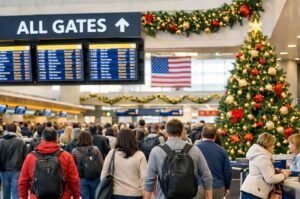
As the holiday travel season approaches, passengers may need to rethink how they prepare — allowing extra buffer time, purchasing travel insurance, monitoring real-time flight status and developing backup plans. Without mandated compensation, the burden — and the cost — continues to fall on the traveler. For many flyers, today’s decision may feel less like regulatory clarity and more like another reminder that the skies are not always friendly.