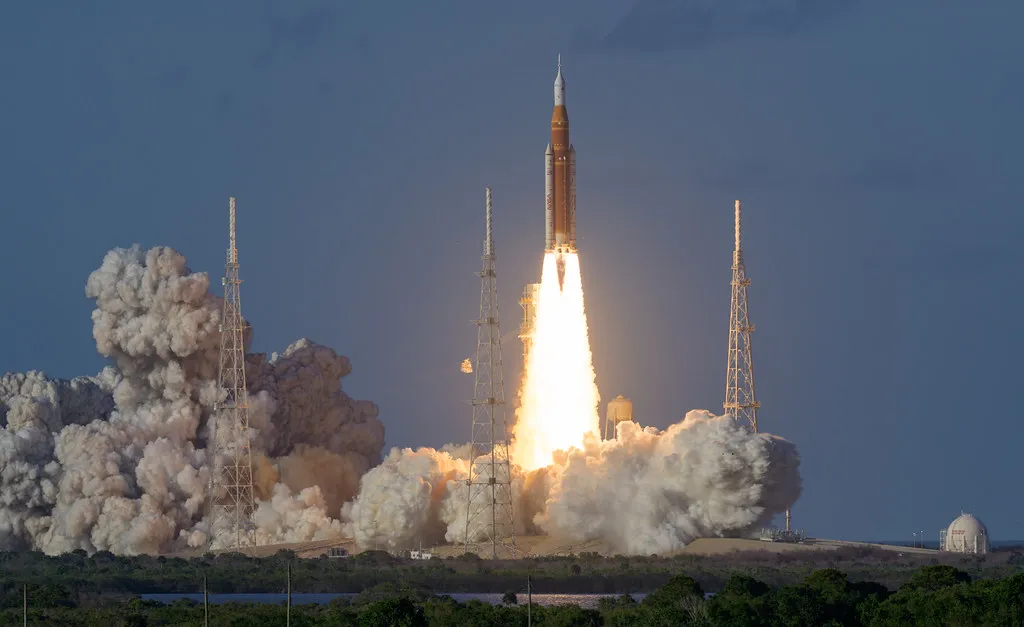
For the first time in more than 50 years, humans are heading back beyond Earth’s orbit—and this time, it’s not just about planting a flag. NASA’s Artemis II mission has officially launched, sending four astronauts on a journey around the Moon that signals a new phase of space exploration, one focused on staying power rather than symbolic return. NASA’s Artemis II mission has officially launched, sending four astronauts on a journey around the Moon and back aboard the Orion spacecraft.
The roughly 10-day mission will carry Reid Wiseman, Victor Glover, Christina Koch, and Canadian astronaut Jeremy Hansen thousands of miles past the Moon before looping back to Earth, testing every critical system needed for deep space travel. From life support to navigation and communication, the mission is designed to answer one central question: are we truly ready to operate beyond Earth for longer, more complex missions?
What makes this mission different isn’t just the destination—it’s the intent. Artemis II is not a standalone achievement. It is a proving ground for what comes next: human landings, lunar infrastructure, and eventually, missions that push even farther into the solar system. NASA is treating this flight as a systems check for an entirely new era of exploration.
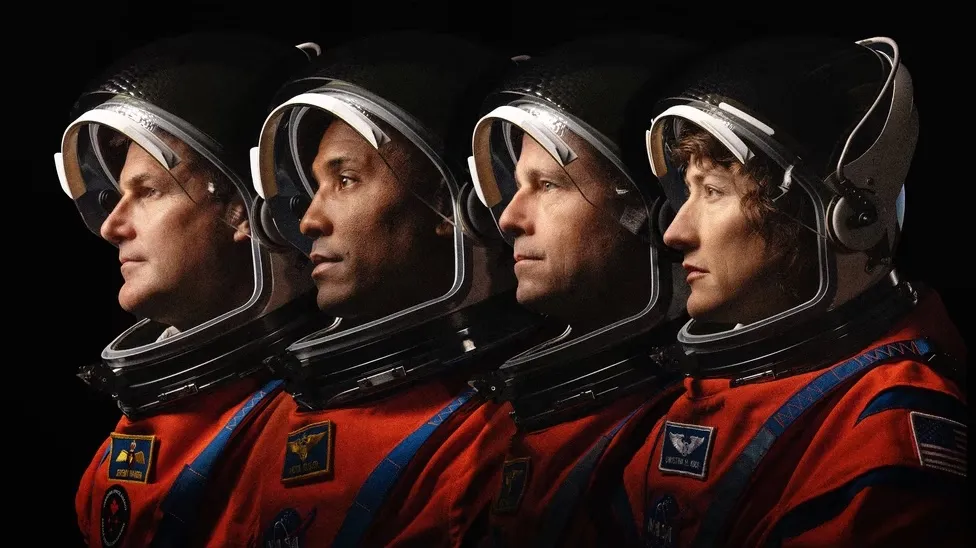
There is also a quiet but meaningful shift in who gets to go. This crew reflects a broader vision of space travel—one that includes international collaboration and a more representative group of astronauts stepping into deep space for the first time. It’s a signal that the future of exploration will look different from the past.
The bigger story, though, is what Artemis represents on Earth. Governments and private companies are already positioning themselves for what many see as the next economic frontier—resources, technology, and strategic presence beyond our planet. This mission isn’t just about reaching the Moon again. It’s about laying the groundwork for humanity’s next chapter beyond Earth.