


Tesla Smashes Q2 Delivery Records With Over 466,000 Vehicles Shipped
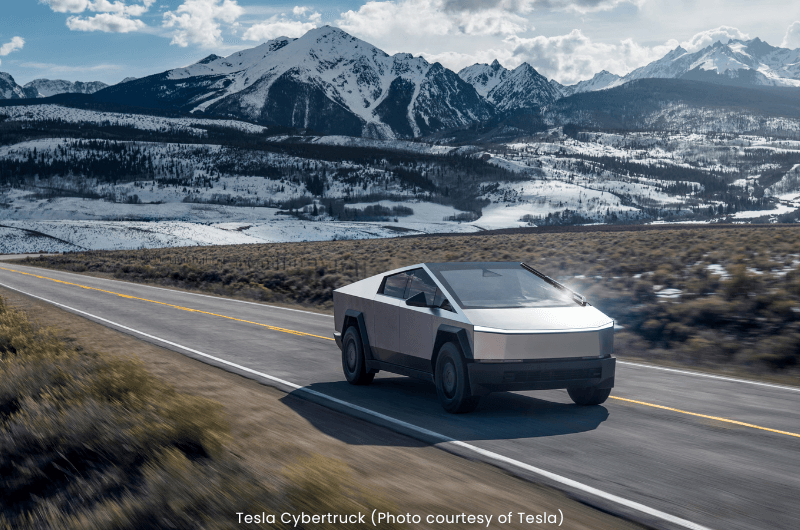
Tesla just blew past Wall Street’s expectations, posting its strongest delivery numbers to date. In a performance that signals renewed momentum for the EV giant, the company reported 466,140 vehicles delivered in Q2, setting an all-time quarterly record. But that’s not all. Tesla’s production also hit new highs, with 479,700 vehicles rolling off assembly lines — a figure that reaffirms the brand’s supply chain strength and global demand. Here’s how the numbers break down: Model 3 and Model Y dominated, as expected, accounting for 446,915 of the deliveries. The Model S and Model X pulled in a combined 19,225 units — a modest but steady showing in the luxury tier. Tesla credits a portion of this growth to recent strategic price cuts, which have made their EVs more accessible — and more attractive — in an increasingly competitive market. This Q2 surge comes at a time when rivals are ramping up their own electric ambitions, making Tesla’s record even more significant. With rising production, aggressive pricing, and continued consumer interest, all eyes are now on how Q3 will shape up — and whether Tesla can sustain this electric momentum. The Author
How China Quietly Took the Lead in the Global Electric Vehicle Race
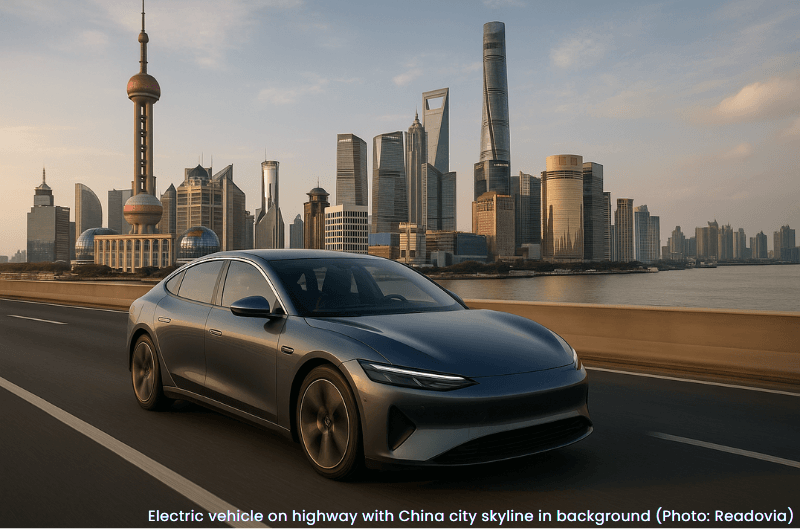
If you still think Tesla is the only name worth knowing in the electric vehicle (EV) game, you haven’t been watching China. Led by tech-forward companies like BYD, NIO, and XPeng, China’s EV market isn’t just booming — it’s shifting the global center of gravity for next-generation transportation. These homegrown manufacturers are rolling out sleek, high-performance electric vehicles with price tags and innovation pipelines that are making Western automakers nervous. Really nervous. More Than a Trend — It’s a Strategy China’s dominance in the EV space isn’t accidental. It’s the result of a strategic, long-term play: generous government subsidies, fast-tracked infrastructure development, and mastery of the battery supply chain. Together, these moves have fueled an EV ecosystem that’s nimble, competitive, and increasingly export-ready. And while countries like the U.S. are still building charging stations, Chinese EV companies are out here perfecting battery-swapping technology — where you change your battery faster than you can fill a tank of gas. The Numbers Tell the Story BYD alone sold over three million electric vehicles in 2023, surpassing Tesla in Q4 global deliveries. And NIO’s recent rollout of its ET7 — a luxury electric sedan with autonomous driving capabilities and up to 620 miles of range — signals that innovation, not imitation, is driving this market forward. It’s not just about cars, either. It’s about national influence. China’s EV rise coincides with geopolitical shifts in trade, manufacturing, and climate commitments. The West’s answer? Tariffs, subsidies of its own, and a scramble to keep up. What This Means for the Rest of the World For American, Japanese, and European automakers — it’s a wake-up call. Legacy players now face competition from Chinese startups that move faster, iterate quicker, and are no longer content staying inside their borders. For consumers, it means the future of electric mobility may be shaped by companies whose names you haven’t even learned to pronounce yet — but whose vehicles you’ll probably be driving (or riding in) soon enough. And for everyone else? It’s a sign of where innovation is heading: eastward. The Author
Trump Threatens 25% Tariff on iPhones Made Outside the U.S.
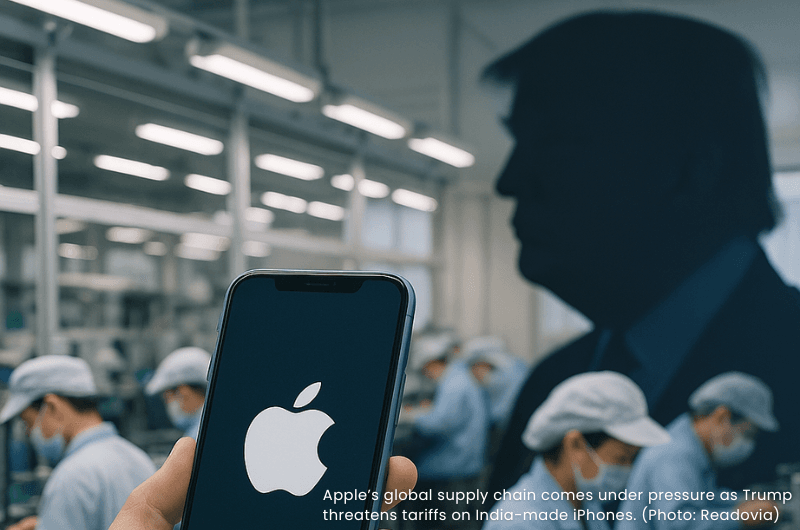
Apple’s India Expansion Draws Trump’s Wrath Over U.S. Jobs and Manufacturing President Donald Trump is once again targeting Apple — and this time, he’s threatening a 25% tariff on all iPhones not made in the United States. At the center of the clash is Apple’s growing production shift to India, where CEO Tim Cook recently confirmed that most U.S.-bound iPhones this fiscal quarter will be manufactured. The move is part of Apple’s broader effort to diversify away from Chinese factories — and it’s landed the company squarely in the middle of Trump’s escalating trade offensive. From China to India — But Not to America For years, Apple has depended on China’s massive industrial infrastructure to produce its most iconic product. That partnership allowed the company to scale quickly, maintain competitive pricing, and manage global supply chains with precision. But as U.S.–China tensions rise, Apple has accelerated its pivot toward Indian assembly lines. It’s a strategy driven not just by geopolitics, but economics: labor costs, supplier availability, and manufacturing speed. Still, bringing production to the U.S. remains unlikely. The American manufacturing base simply doesn’t offer the same scale — and the cost would be staggering. The Price of a “Made in America” iPhone According to multiple bank analysts, if Apple were forced to make its iPhones entirely in the U.S., the cost could skyrocket.A $1,200 iPhone today might retail for anywhere from $1,500 to $3,500 if built domestically, depending on tariffs, labor, and parts sourcing. That kind of price shock could ripple through the tech sector — and consumer wallets. Politics Meets Product Design Trump’s threat is the latest in a wave of policy pressure designed to bring tech manufacturing home. Supporters argue it’s time U.S. companies reinvest in domestic jobs. Critics warn that such moves could harm consumers and destabilize supply chains. So far, Apple hasn’t responded directly to Trump’s Friday comments. But in recent months, Cook has reiterated Apple’s commitment to “responsible global production” — and has signaled no plans to return large-scale iPhone production to American soil. Why U.S. iPhone Manufacturing Is Still a Long Shot Despite the political pressure, building iPhones in the U.S. remains highly unlikely — and prohibitively expensive. Apple’s supply chain, carefully built in China since the 1990s, is vast, deeply specialized, and not easily replicated. Analysts say that shifting this infrastructure to the U.S. would take years and billions of dollars, requiring new plants, trained labor, and entirely new logistics. Even in the best-case scenario, production might not begin before 2028 — if at all. “The concept of making iPhones in the U.S. is a nonstarter,” said Dan Ives, a veteran Apple analyst at Wedbush Securities. He estimates that a $1,000 iPhone made in China or India would balloon to $3,000 or more if manufactured in the U.S. “Price points would move so dramatically, it’s hard to comprehend.” Can Apple Absorb the Impact? For Now — Yes Apple did not immediately respond to Trump’s tariff threat, but on its most recent earnings call, CEO Tim Cook said the company was able to “optimize its supply chain” in the March quarter, limiting the damage from earlier tariffs. But he cautioned that it’s “very difficult” to predict beyond June, suggesting that further tariffs could disrupt even Apple’s fine-tuned global network. At some point, analysts say, the company may have to raise prices — especially if overseas suppliers continue to bear the brunt of the trade war. But for now, Apple has wiggle room, thanks to a secret weapon: services. Services Keep Apple’s Margins Strong Apple’s booming services division — which includes App Store revenue, iCloud subscriptions, and Apple Music — generated $96 billion last year. That revenue is untouched by tariffs and gives the company some breathing room. “Apple can absorb some of the tariff-induced cost increases without significant financial impact — at least in the short term,” said Forrester Research analyst Dipanjan Chatterjee. That buffer may allow Apple to hold the line on iPhone prices for now, but the question remains: For how long? Jobs, Not iPhones: Apple’s U.S. Investment Strategy To placate Trump earlier this year, Apple announced plans to invest $500 billion in the U.S. and add 20,000 new jobs by 2028. But the money won’t be going toward building iPhones. Instead, Apple is funding data centers and expanding its footprint in artificial intelligence infrastructure — a booming area of competition. U.S. Commerce Secretary Howard Lutnick, however, predicted a manufacturing shift was inevitable. “The army of millions and millions of human beings screwing in little screws to make iPhones — that kind of thing is going to come to America,” Lutnick said on CBS in April. But not everyone agrees. Skilled Labor Gap Still a Barrier In a 2017 appearance at a conference in China, Tim Cook questioned whether the U.S. had the vocational workforce to handle the precise and repetitive tasks needed on Apple’s assembly lines. The kind of fine motor work done in Chinese and Indian factories is difficult to scale in the U.S., both culturally and economically. Even when Apple tried domestic assembly — like at a Mac plant in Texas — it was more of a symbolic gesture. That plant opened in 2013, during the Obama administration, and was later toured by Trump in 2019. After the visit, Trump claimed credit “Today I opened a major Apple Manufacturing plant in Texas that will bring high paying jobs back to America,” he posted on Nov. 19, 2019. The Takeaway Trump’s threat to impose tariffs on foreign-made iPhones is about more than trade — it’s about optics, leverage, and long-standing pressure on American companies to “bring jobs home.” But the reality is clear: Apple isn’t building iPhones in America anytime soon — and if forced to, the price tag could be out of reach for millions of consumers. The question now is not whether Apple can make iPhones in the U.S. — but whether the cost of resisting Trump’s pressure will be higher than the cost of compliance. The Author
Trump Pushes Apple to Keep iPhone Production in the U.S.
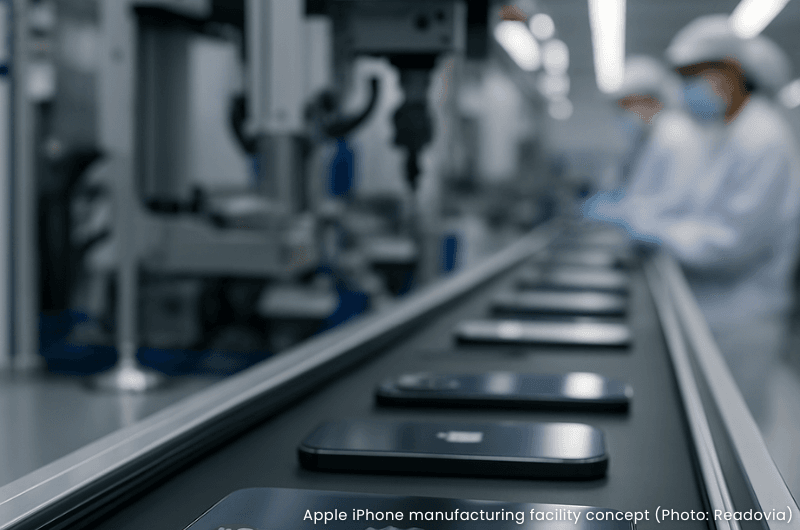
Donald Trump has a message for Apple: stop building iPhones in India. At a recent business summit, Trump told CEO Tim Cook he wants more of the company’s production to stay in the U.S. — not move overseas. Trump expressed his concerns directly to Cook, stating, “I had a little problem with Tim Cook yesterday. He is building all over India. I don’t want you building in India.” Apple’s Strategic Shift Apple has been progressively shifting its manufacturing operations to India, aiming to reduce dependence on Chinese factories amid escalating U.S.-China trade tensions. Reports indicate that Apple plans to move the assembly of all iPhones sold in the U.S. to India by the end of 2026. Economic Implications Trump’s remarks come at a time when India is emerging as a significant player in the global tech manufacturing sector. In 2024, iPhone exports from India reached a record $12.8 billion, marking a 42% year-on-year rise. Potential Impact on Apple’s Operations If Apple heeds Trump’s request, it could face challenges in meeting production targets and managing costs. The company’s diversification strategy aims to mitigate risks associated with geopolitical tensions and supply chain disruptions. Looking Ahead As Apple navigates this pressure from Washington, the tech world is watching closely. The company’s next move could influence how U.S. tech giants balance global operations with domestic expectations. The Author
From Smart to Scrap: Popular Gadgets Losing Updates and Support in 2025

If your smart home or phone setup feels just right, brace yourself — 2025 is turning into a graveyard for once-popular tech. From thermostats to game controllers, a long list of devices is hitting end-of-life status this year, leaving users with broken functionality, no updates, or total system lockouts. Here’s what’s headed for retirement: Nest Thermostats (certain models): Will lose smart home integration by fall, turning once-connected devices into expensive temperature dials. Stadia Controllers: The Bluetooth conversion tool is ending support this December, leaving unused gear stranded in drawers. Windows 10: Microsoft officially ends support this October — meaning no more security updates and rising vulnerability risks for millions of users. LG Smartphones: No more updates as of June. If you’re still hanging on to one, your Android version might already be past its prime. Skype: After decades of dial tones and chat pings, it’s done. Microsoft is migrating users to Teams. iPhone 6S: Added to Apple’s “vintage” list, which limits repairs and future iOS compatibility. Why does this matter? For everyday users, the implications go beyond inconvenience. Devices losing updates become potential security risks. Smart tech that no longer connects can interrupt routines and force unexpected upgrades. It’s also a reminder of the disposable pace of modern tech Even once-revolutionary products — like LG’s phones or Skype’s video calling — can fade quickly in a market that rewards the next big thing. As cloud services evolve and AI becomes more embedded, hardware must keep up… or be left behind. If you’re holding onto any of these devices, it might be time to consider an upgrade — or at least brace for a few frustrating error messages in the months ahead. The Author
Netflix’s Trillion-Dollar Vision: From Streaming Giant to Global Entertainment Empire
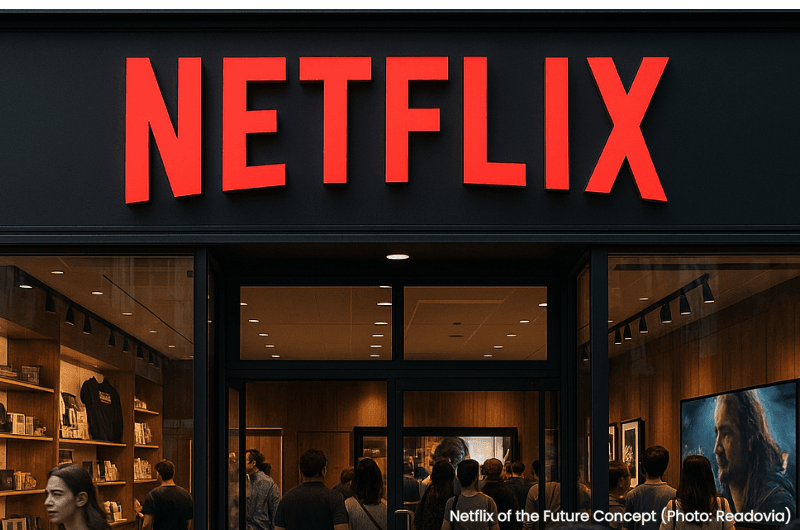
Netflix is stepping into a new era — one that stretches far beyond your living room screen. Co-CEO Ted Sarandos just unveiled an ambitious growth strategy aimed at turning the world’s biggest streaming platform into a trillion-dollar entertainment empire. And investors are all in. The company’s stock surged this week after Sarandos laid out a bold plan to grow Netflix’s reach — not just by adding subscribers, but by turning shows into real-world experiences, expanding into live events, pushing further into advertising, and even exploring new content formats like video podcasts. The Plan: From Streaming to Physical Spaces, Broadway, and Beyond Speaking at the Semafor World Economy Summit, Sarandos revealed that in Netflix’s most mature markets, the company still only captures about 5% of total consumer spending — and just 10% of TV watching time. Translation? There’s still massive room to grow. One of the most talked-about announcements is the upcoming launch of Netflix House, immersive retail and dining venues opening in Dallas and Philadelphia later this year. These locations will bring hit shows like Stranger Things and Bridgerton to life, offering fans a chance to literally step inside the stories they love. Netflix is also making its theatrical debut with Stranger Things: The First Shadow on Broadway, a move that signals just how serious the company is about expanding its creative footprint. Wall Street Reacts: Netflix Stock Surges The company’s vision is already paying off. Netflix shares soared this week as analysts and investors responded positively to the strategy shift. The company expects to bring in between $43.5 and $44.5 billion in revenue this year, with an operating margin of 29%. With that kind of momentum, Wall Street is eyeing the possibility of Netflix becoming a trillion-dollar brand in the not-so-distant future. Big Goals: More Subscribers, More Ads, and New Content Formats Netflix currently boasts over 300 million global subscribers, but Sarandos and Co-CEO Greg Peters have their sights set on 410 million by 2030. A big part of that growth will come from international markets where broadband access is expanding rapidly. They’re also betting big on advertising, aiming to generate up to $9 billion annually from ads by 2030. And they’re not stopping there — the company is exploring video podcasts, a move that could pull in more creators and expand its content universe. What It All Means Netflix isn’t just doubling down on streaming — it’s transforming into something bigger: a global entertainment ecosystem. From Broadway to interactive fan spaces and advertising to podcasts, the company is rewriting what a modern media powerhouse looks like. And judging by the latest stock spike, investors are ready to go along for the ride. The Author
Apple in the Hot Seat: DOJ Sues Tech Giant Over Alleged Monopolistic Moves

Apple, long admired for its sleek tech and loyal customer base, is now facing serious heat from the U.S. Department of Justice (DOJ). In a lawsuit filed earlier this spring, the DOJ accused the iPhone maker of unfairly blocking competition and locking consumers into its products in ways that go far beyond the usual brand loyalty. According to the suit, Apple has carefully crafted a “walled garden” that makes it difficult — and sometimes impossible — for rivals to compete. Whether it’s the green bubbles of non-iMessage users, limited smartwatch compatibility, or hurdles faced by third-party digital wallet services, the government says Apple is using its dominance not just to innovate, but to isolate. What’s at Stake At the heart of the lawsuit is a question: Has Apple crossed the line from innovation to domination? The DOJ argues that Apple’s control over iPhone software and hardware gives it the power to stifle competition, limit consumer choice, and ultimately keep prices high. They cite issues such as: iMessage exclusivity, which makes communication between iPhone and Android users less seamless. Limited access for third-party smartwatches, nudging consumers toward Apple Watches. Restrictions on digital wallets, which favor Apple Pay over others. If successful, the lawsuit could reshape how Apple designs and shares its tech — and even how its ecosystem works. It might also set a precedent for how other Big Tech companies operate. Apple’s Response? It’s Business as Usual – For Now Apple has pushed back, saying its ecosystem is built for privacy, security, and user experience — not control. The company warns that changes could weaken those protections and harm the very customers the DOJ says it’s trying to help. As of now, Apple continues to develop new devices and roll out software updates as usual, staying quiet about how this case might change the future.
Musk Built the Future — Now He’s Driving It Off a Cliff

Elon Musk has never been one to shy away from controversy. For years, his brash persona, unapologetic tweets, and larger-than-life ambitions made him a darling of Silicon Valley and a disruptor to watch. But as 2025 unfolds, America seems to be asking a new question: What happens when the showman starts to lose the audience? According to Tesla’s most recent earnings report, sales have slumped significantly in Q1 — down nearly 9% globally, with the U.S. market showing the sharpest drop. While rising competition and softening EV demand play a part, there’s a growing conversation that Musk’s personal actions may be dimming the once-blinding glow of Tesla’s star. And some are wondering — is this just about business, or is Musk’s influence eroding something deeper in the American landscape? A Billionaire’s Shadow Over Public Service In recent months, Musk has been in the spotlight not for innovation, but for what critics are calling a war against public institutions. From mocking regulators to willy-nilly efforts to shrink or undermind the IRS and other government agencies — Musk’s behavior has painted a picture of a billionaire increasingly at odds with the systems that hold society together. Some reports have even suggested that cost-cutting moves at the IRS, including a 38% loss in staff in a key audit unit, may have disproportionately benefited ultra-wealthy figures like Musk, who are known for complex tax strategies and wealth shielding. Public trust is fickle. And when people start connecting dots between billionaire favoritism, weakened government protections, and rising income inequality, it’s hard not to see a pattern — or a problem. Tesla’s Drop May Be More Than Market Forces Sure, the EV market is changing. Cheaper alternatives from overseas are flooding the market. Charging infrastructure debates rage on. But let’s not ignore the cultural side of the equation: people don’t just buy products, they buy into people. And for many Americans, Elon Musk is becoming a harder sell. Critics argue that Tesla is no longer seen as the underdog challenger to Big Auto — it is Big Auto now. And Musk’s detachment from everyday struggles, his flirtation with political extremism, and his tendency to dismiss criticism with a meme or a jab? That’s starting to wear thin. Tesla sales aren’t just down — they’re down in the U.S., among the very demographic that once championed sustainability, technology, and rebellion against fossil fuel giants. Could this be a signal that Musk’s personal brand is hurting the company he helped build? The Bigger Picture: What Does This Say About Us? Whether you love him or loathe him, Elon Musk has always been a mirror. He reflects where we are as a culture — our fascination with wealth, power, disruption, and ego. But as 2025 moves forward, that reflection is getting harder to look at without flinching. So here’s the real question: Are Americans finally drawing the line between admiration and accountability? What do you think? The Author
The No-Click Search Result and Its Implications for Users and Marketers

As you have probably noticed, Google’s search engine has evolved to provide users with immediate answers directly on the search results page, minimizing the need to click through to external websites. This phenomenon, known as “zero-click searches,” has significant implications for both users and digital marketers. Let’s dive into this trending topic, shall we? What Are Zero-Click Searches? A zero-click search occurs when a user receives the information they seek directly from Google’s search results without visiting any websites. This happens when Google displays answers at the top of the page, such as featured snippets, direct answer boxes, or knowledge panels. For example, searching “how many kilometers in 1 mile” yields an immediate answer without the need to click on a link. The Rise of Zero-Click Searches Recent studies highlight the growing prevalence of zero-click searches. In 2024, approximately 58.5% of searches in the United States and 59.7% in the European Union ended without a click to other content. This trend indicates that more than half of searches result in users obtaining the desired information directly from Google’s search page. Types of Zero-Click Search Results Zero-click search results come in various forms: Featured Snippets: Highlighted excerpts that provide concise answers to user queries. Direct Answer Boxes: Boxes displaying straightforward answers without additional links. Knowledge Panels: Information boxes summarizing key details about a topic, such as images, descriptions, and related links. Implications for Users For users, zero-click searches offer convenience by delivering quick answers without the need to navigate multiple pages. However, this convenience can also limit exposure to diverse perspectives and in-depth information available on external websites. Implications for Marketers For digital marketers and website owners, the rise of zero-click searches presents challenges: Reduced Website Traffic: As users find answers directly on the search page, fewer click through to external websites, potentially decreasing website traffic. SEO Strategies: Traditional SEO tactics may need adjustment to account for the prominence of zero-click results. Focusing on optimizing content for featured snippets and other direct-answer formats can increase visibility. Content Optimization: Creating concise, informative content that aligns with Google’s zero-click formats can enhance the likelihood of being featured directly in search results. Google’s implementation of zero-click searches reflects its commitment to enhancing user experience by providing immediate answers. However, this shift necessitates adaptation from both users and marketers to navigate the evolving search landscape effectively. Users benefit from quick information access, while marketers must innovate to maintain visibility and engagement in an environment where clicks are not always the end goal.
Social Media in 2025: What’s Next for TikTok, Instagram, and Facebook?

As we move further into 2025, social media continues to evolve at lightning speed, and platforms like TikTok, Instagram, and Facebook are adapting to the changing digital landscape. If you’re a social media enthusiast or brand, it’s important to stay ahead of the curve. Here’s a look at the key trends expected to shape social media in 2025. 1. Short-Form Video Dominates Even More TikTok’s short-form videos have redefined the way we consume content, and other platforms are following suit. In 2025, expect even more emphasis on short, engaging videos—whether it’s Instagram Reels, YouTube Shorts, or Facebook Stories. These videos are fast, easy to digest, and perfect for the busy, attention-scarce audience of today. Brands are getting creative with this format, utilizing catchy challenges, product demos, or funny moments to grab attention. 2. The Rise of Social Commerce Social commerce, where users can shop directly within social media apps, continues to grow. Instagram and Facebook’s shopping features are already allowing brands to sell products directly on their platforms, and in 2025, these features will become even more integrated. Look for augmented reality (AR) shopping experiences, where users can try on clothes virtually or see how furniture looks in their living rooms before purchasing. TikTok is also expected to enhance its commerce features, making it easier to shop while scrolling through the latest trends. 3. Authenticity and Relatability People are craving authenticity in their social media feeds. In 2025, influencers and brands will focus on raw, relatable content—think behind-the-scenes moments, real-life struggles, and transparent product reviews. Perfectly curated Instagram feeds are starting to feel a little outdated, with many users preferring content that feels more genuine and unpolished. 4. Audio-Based Platforms Continue to Grow Platforms like Clubhouse made waves a few years ago, and audio-based social media is still on the rise. Expect to see more platforms embracing the audio-only format in 2025, from live chats to podcasts and even social listening rooms where people gather to discuss topics in real-time. 5. AI and Augmented Reality (AR) Integration AI is already reshaping social media, from personalized algorithms to face filters. In 2025, AI will help users discover content tailored specifically to their tastes, and AR will be more deeply integrated into platforms like Instagram and TikTok. You could be seeing everything from virtual try-ons to interactive ads that allow you to “experience” a brand before you buy.