

Apple Foldable iPhones: Mass Production in India by 2026

Apple’s foldable iPhone has moved from rumor to roadmap. According to reports, the company has begun preparing a pilot production line in Taiwan, with plans to shift mass manufacturing to India in time for an expected 2026 launch. The strategy marks Apple’s boldest supply-chain shift in years—one that could redefine how and where the company builds its most advanced devices. From Taiwan Pilot to Indian Production The pilot line in Taiwan will allow Apple to iron out technical challenges unique to foldables: hinge durability, crease-resistant displays, and production yield issues that can derail mass rollout. Once the kinks are solved, Apple plans to transition manufacturing to India, signaling both confidence in India’s capabilities and a determination to diversify away from China. Why India? India is emerging as Apple’s fastest-growing production hub. Government incentives, a growing skilled workforce, and Apple’s desire to avoid over-reliance on Chinese factories are converging to make India a manufacturing centerpiece. If successful, the move would place India at the center of one of Apple’s most ambitious product launches in years—solidifying its role beyond assembly lines to high-end, next-generation devices. Technical & Supply Chain Hurdles Foldable smartphones are far more complex than standard devices. Dual or triple hinges, flexible OLED panels, and unique battery designs raise costs and complicate mass production. Pilot runs in Taiwan give Apple a controlled environment to troubleshoot before scaling in India. At the same time, balancing suppliers across borders—Taiwan for R&D, India for production—adds logistical complexity. But for Apple, the upside is clear: less dependency on China, and more geographic diversity in its supply chain. A Global Manufacturing Shift Apple isn’t alone in betting big on India. Competitors like Samsung have already expanded their Indian production footprint, but Apple’s decision to entrust a flagship category launch to India sends a different signal. This isn’t just about volume—it’s about credibility. For India, the payoff could be enormous: jobs, technology transfer, and a new status as a global hub for premium device manufacturing. For Apple, it’s a way to show investors and consumers that its supply chain strategy is future-proof. Between the Lines — The Readovia Cut Apple’s foldable iPhone represents a turning point. By anchoring production in India after years of reliance on China, the company is reshaping both its product strategy and its global footprint. The device will test Apple’s ability to innovate while also proving whether India can deliver at the scale the world’s most valuable company demands. ______________ Related Story: The Smartphone Showdown: Samsung’s Tri-Fold vs Apple’s Next Move The Author
U.S. threatens to ban TikTok if China ties deal to tariffs
As of September 15, 2025, U.S. officials say they are prepared to ban TikTok if China does not drop demands that link the app’s potential sale to unrelated concessions on trade and technology. Treasury Secretary Scott Bessent and Trade Representative Jamieson Greer confirmed that while progress has been made on the technical aspects of a TikTok sale, Beijing continues to push for tariff relief and looser export controls as part of the deal. The White House has drawn a hard line, insisting it will not sacrifice national security to preserve a social media platform. For Chinese negotiators, however, TikTok represents leverage in wider trade talks, and officials see the divestment as an opportunity to reset terms on tariffs and technology restrictions. Analysts caution that without direct involvement from President Trump and President Xi, a breakthrough in Madrid is unlikely. Instead, the September 17 divestment deadline may be pushed back once again. Still, the outcome could reshape future negotiations over technology, trade, and global digital regulation well beyond TikTok itself. The Author
Have You Updated Your iPhone With the Urgent Apple iOS Patch?
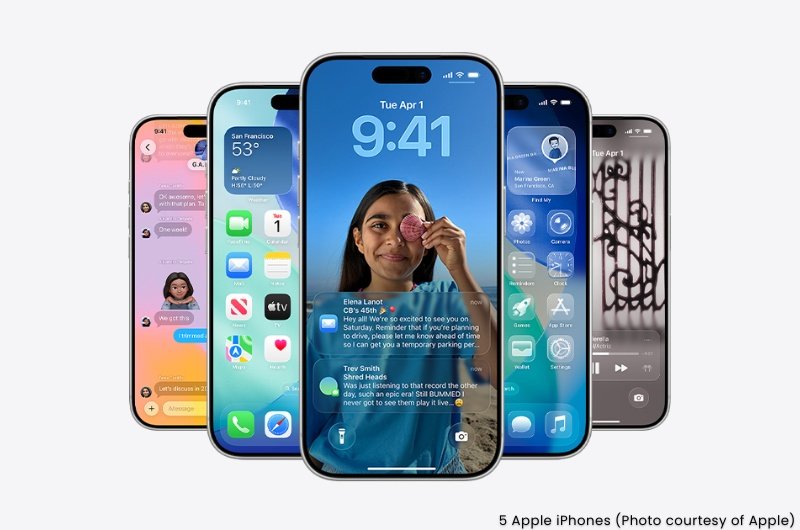
Apple recently released iOS 18.6.2 and iPadOS 18.6.2, along with macOS updates, to fix a serious zero-day vulnerability tracked as CVE-2025-43300. The flaw involved malicious image files that could trigger memory corruption, opening the door to remote code execution. Apple confirmed the bug had already been exploited in “extremely sophisticated” attacks against targeted individuals, prompting an unscheduled security update. If you own a supported device, experts urge installing the update immediately. Older iPhones and iPads no longer supported—such as models predating iPhone XS—remain at risk because they can’t receive the patch. The Author
Authors Sue Apple Over AI Book Training

A group of authors has filed a lawsuit against Apple, alleging the tech giant’s artificial intelligence models were trained using copyrighted literary works without permission. The case echoes ongoing legal challenges against other AI developers accused of exploiting protected content. The complaint argues Apple’s use of entire books in training datasets amounts to large-scale copyright infringement. “Writers should not have to compete with AI built on their own work,” one attorney representing the group stated. Apple has not yet issued a formal response, but industry observers say the case could become a bellwether for how courts view AI training practices. If successful, the lawsuit could reshape both licensing rules and the economics of AI development. The Author
Musk Sues Apple and OpenAI, Claims AI Antitrust Collusion
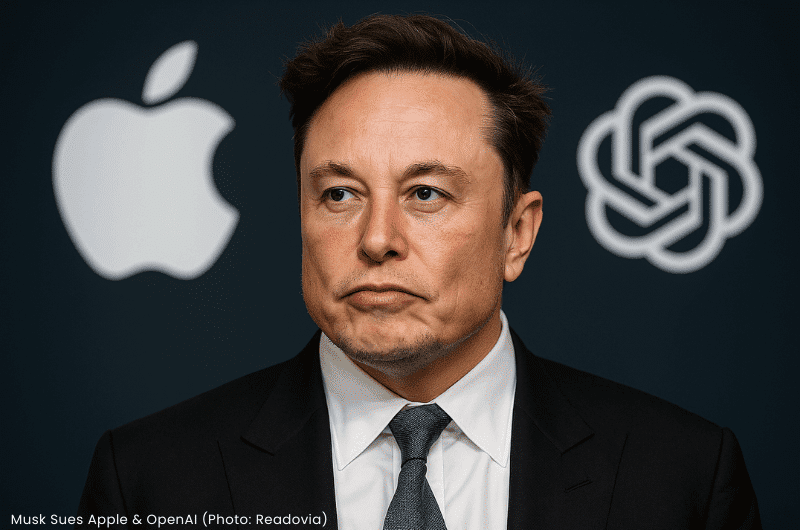
Elon Musk has opened a new front in his war on Big Tech, filing a lawsuit in Texas that accuses Apple and OpenAI of colluding to stifle competition in artificial intelligence. The case alleges Apple’s deepening ties with OpenAI—including reported exclusivity around advanced models—are shutting out rivals such as Musk’s own Grok platform. The suit escalates long-running tensions between Musk and OpenAI, the company he co-founded in 2015 before splitting with its leadership. Musk has argued that OpenAI strayed from its nonprofit mission and has since locked its most powerful AI tools behind paywalls and closed partnerships. By targeting Apple, Musk is also taking on one of the world’s most valuable companies, accusing it of tilting the playing field by bundling OpenAI features into its devices. Legal experts say the case could break open rarely seen details about how AI partnerships are negotiated, raising questions about whether exclusivity deals amount to antitrust violations. Apple and OpenAI, for their part, have so far declined to comment—but both are expected to mount vigorous defenses that frame their cooperation as consumer benefit, not collusion. The lawsuit lands as regulators in Washington, Brussels, and Asia are already sharpening their scrutiny of AI’s winners and gatekeepers. A ruling in Musk’s favor could ripple globally, forcing more open access to frontier AI systems. But even if the case stalls, it injects fresh political and market pressure into a sector already teetering between hype and hard questions about power. Between the Lines Musk’s lawsuit pushes a critical question into the open: who controls access to the most powerful AI systems? If the courts side with him, exclusivity deals could be reined in and transparency forced on partnerships that have quietly shaped the industry. If not, Apple and OpenAI may solidify their role as gatekeepers—tightening the funnel of innovation and leaving rivals scrambling on the outside. The Author
Microsoft Workers Arrested in Defense Contract Showdown

Tensions at Microsoft’s Redmond headquarters erupted into arrests after employees and outside activists staged a sit-in against the company’s contracts with Israel’s defense sector. Eighteen protesters—some of them current and former staff—were taken into custody after blocking entrances and refusing to disperse. The demonstrators accused Microsoft of ignoring employee concerns about its role in global conflicts, pointing to technologies that critics say could be weaponized. For the company, it’s the latest in a growing pattern of workforce activism, where engineers and staff push back against management’s choices on ethical grounds. This moment underscores a larger fault line in Big Tech: companies may chase lucrative government deals, but increasingly, their own employees are willing to risk their jobs and freedom to challenge where those deals cross ethical lines. The Author
Apple Under Fire: DOJ Antitrust Case Targets the App Store

Apple’s iron grip on its App Store is officially on trial. The U.S. Department of Justice is pressing forward with an antitrust case, alleging the company’s policies stifle competition and lock developers—and consumers—into a tightly controlled ecosystem. The stakes extend far beyond iPhone users. A ruling against Apple could reshape the economics of the mobile app market, potentially opening doors for rival app stores, alternative payment systems, and a new era of competition. Tech giants from Google to Meta are watching closely, knowing the ripple effects could hit their own platforms. For consumers, the fight is less about legal nuance and more about money and choice. Will this case lower app prices? Will it loosen Apple’s gatekeeping on what makes it into your phone? Those are the questions Washington is betting the courts will help answer. This is Apple’s most consequential courtroom battle since the iTunes era—and it comes at a moment when regulators worldwide are increasingly willing to take on Big Tech’s biggest players. The Author
That New Button on Your Laptop—Here’s What It Does

If you’re buying a new PC this year, don’t be surprised if it shows up with a brand-new key you’ve never seen before—labeled “Copilot” or “AI.” It’s part of a sweeping hardware shift that’s reshaping everything from keyboards to chipsets. But here’s the real question: what does it actually do—and do you really need it? What’s Changing (and Why It Matters) Microsoft and top PC makers like HP, Dell, and Lenovo are rolling out “Copilot Keys” across their latest laptops and desktops. The idea? Give users one-tap access to Microsoft’s AI assistant and productivity features baked into Windows 11. You’ll usually find it where the right Control key used to be—because apparently, no one used that one anyway. So What Happens When You Press It? Right now, it launches Microsoft Copilot—a sidebar-style assistant in Windows that can do everything from summarize text and search files to generate emails and pull up settings. It’s less like Siri and more like a smarter Clippy… with a college degree. But as more apps (like Word, Outlook, and Teams) integrate with it, that button could become your shortcut to automation, formatting, scheduling—and yes, even fluffing up your emails. Should You Actually Care? Maybe. Maybe not. If you’re deep in the Microsoft ecosystem, the button could save you clicks and time—especially in Office apps. If you’re not using Copilot or you’re on a work device with AI disabled, it’s just… a fancy extra key. And if you’re a Mac user? Apple hasn’t added an AI key—yet. Hardware Trends to Watch This isn’t just about keyboards. New PCs are being built with dedicated neural processing units (NPUs) that offload AI workloads, making your device faster, cooler, and better at things like real-time captioning or background blur in video calls. So even if you ignore the AI button, your computer might be doing more than you think under the hood. Final Word The AI button is a sign of where consumer tech is headed: more shortcuts, more automation, and more baked-in intelligence. Whether you press it or not, it’s already reshaping your next device. The Author
Build an AI App for iOS? Not Without Apple’s Blessing

Building AI apps for iOS just got trickier. Apple’s infamous walled garden just got a little taller — especially if you’re building with AI. In a move catching developers off guard, Apple has begun cracking down on AI-powered apps that mimic native iOS features. Several app makers have reported rejections during the App Store review process, citing vague rules about “confusing user experience” and “duplicating iOS functionality.” What does that mean in plain English? If your app looks or behaves too much like Siri, Spotlight search, or even Apple’s own Notes or Calendar tools — and it’s powered by AI — it’s likely getting the boot. This pushback comes just weeks after Apple unveiled its own AI platform, Apple Intelligence, powered in part by OpenAI. The company is clearly tightening control over how third-party AI tools appear and behave inside its ecosystem — especially as it prepares for a fall launch of AI features in iOS 18. Developers say the new enforcement feels sudden and inconsistent. Some were told to “revise core functionality” without clear guidance. Others point out that Apple’s own upcoming features borrow heavily from existing third-party ideas — including AI writing assistants and summarizers. This isn’t the first time Apple has flexed its muscles against innovation that threatens to blur the line between its software and others’. But the timing — right as Apple stakes its claim in the generative AI space — is raising eyebrows. The Author
Cybersecurity Jobs Surge as AI Threats and Talent Gaps Collide

The cybersecurity industry is in hiring overdrive. With global threats mounting and AI-driven attacks on the rise, U.S. companies posted over 514,000 cybersecurity job openings in the past year alone—a 12% increase compared to the year prior. From Silicon Valley startups to federal contractors, organizations are urgently hunting for talent that can defend the digital frontier. This spike is especially visible in the IT channel, where companies like Abnormal, GoTo, Verkada, Infosys, SEI, and MGT are all recruiting for a range of roles—from cloud security engineers to threat intelligence analysts and AI-focused penetration testers. Cybersecurity is no longer a niche IT specialty—it’s one of the hottest areas of tech hiring. The demand is being driven by three key trends: 1. The talent gap isn’t going away.While vacancy growth has slowed slightly from its pandemic-era peak, there are still millions of unfilled cybersecurity roles worldwide. In the U.S., there simply aren’t enough qualified professionals to meet the volume and complexity of today’s digital threats. 2. AI is reshaping the threat landscape.Cybercrime is getting faster and more automated. Companies are now seeking cybersecurity experts who understand AI—not just how to defend against it, but how to use it in offense and defense. Think red team AI engineers, SOC automation analysts, and even “AI evangelists” for internal security teams. 3. The degree barrier is finally cracking.According to a recent report from ISC², more than half of entry-level cybersecurity roles are now being filled through internships and apprenticeships, not four-year degrees. Employers are prioritizing certifications, hands-on experience, and soft skills like adaptability and curiosity over diplomas. This isn’t just a temporary hiring spree—it’s a structural shift. With cybercrime estimated to cost the global economy over $10 trillion annually by 2025, companies are doubling down on defense. The smartest firms are widening their hiring pipelines and rethinking what a cybersecurity hire looks like—casting a much broader net for talent. For anyone with tech experience—or even curiosity—this may be the best time in a generation to break into the field of cybersecurity. The Author