

With Musk Out, Republicans Lose a Big Voice and a Bigger Wallet
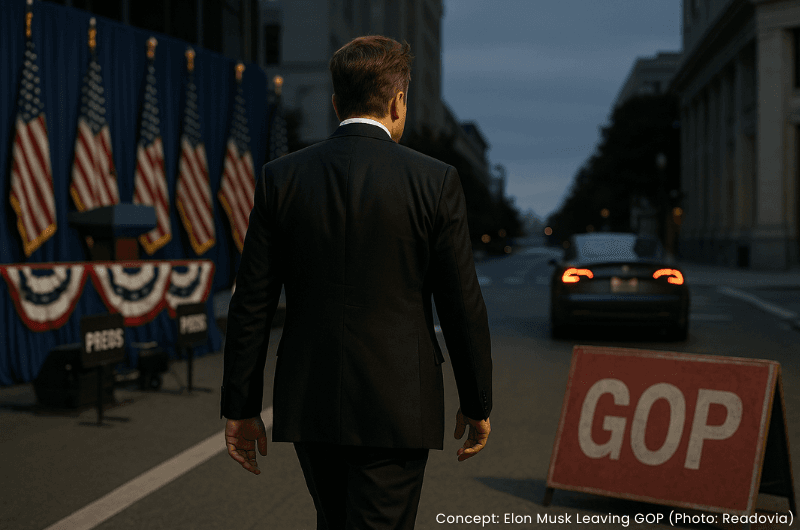
After pumping millions into Republican politics, the tech titan is tapping out — and the party is feeling it. The Republican Party just lost one of its biggest benefactors — and, arguably, its quirkiest — as Elon Musk signals a dramatic retreat from political spending. After pouring nearly $300 million into conservative causes during the 2024 election cycle, the Tesla CEO is now telling the GOP: Thanks, but I’m done. His reasoning? According to Musk himself, he’s already “done enough” in the political arena — and considering the financial firehose he turned on last year, it’s hard to argue. But not everyone is popping champagne. Republicans are privately scrambling over the loss of Musk’s mega-donations. His cash fueled everything from campaign ads to think tank strategy sessions (and possibly a few overpriced consultants who now need new clients). Most recently, he backed a conservative candidate in Wisconsin’s high-stakes Supreme Court race — a race that Democrat Susan Crawford won handily, despite Musk’s money machine. That loss may have sealed his decision to power down. Still, don’t assume Musk is vanishing from the political scene entirely. He remains involved in the Trump-aligned Department of Government Efficiency (known as DOGE) and maintains close ties to some within the president’s inner circle. Translation: he might be pulling the plug on donations, but he’s not logging off just yet. The GOP, meanwhile, finds itself in a tricky position: recalibrating without one of its most high-profile backers — who also happens to be known for tweeting before thinking and investing before blinking. Some political observers note that Musk’s departure removes both a major funding stream and a headline-generating personality. His unique blend of tech-world bravado and political disruption won’t be easily replaced — especially by a party still defining its post-Trump identity. Whether Musk’s departure helps the GOP clean up its image — or leaves it cash-starved and confused — remains to be seen. But for now, Republicans are staring down a post-Elon future… and wondering if there’s a new billionaire on deck. The Author
Trump Signs ‘Take It Down Act’ into Law, Targeting Deepfakes and Revenge Porn
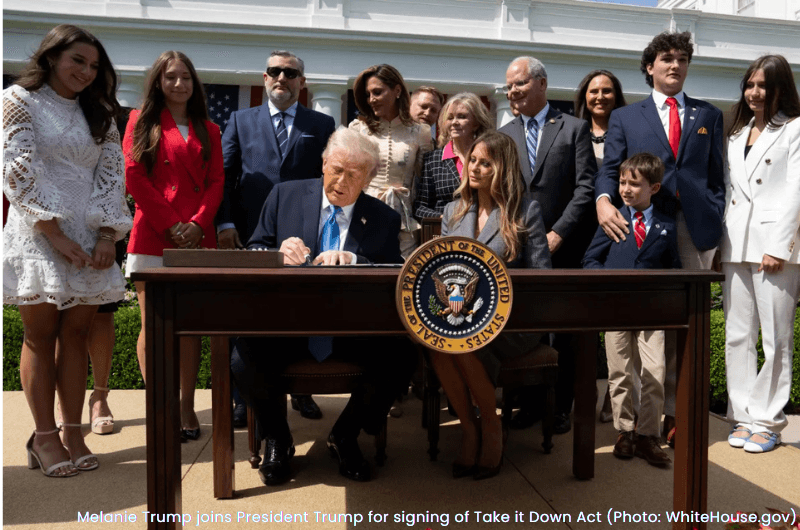
On May 19, 2025, President Donald Trump signed the “Take It Down Act” into law, marking a significant federal step against the distribution of non-consensual intimate imagery, including AI-generated deepfakes and revenge porn. The legislation, championed by First Lady Melania Trump as part of her revitalized Be Best campaign, received overwhelming bipartisan support—passing the House 409-2 after unanimous Senate approval. Key Provisions of the Law Criminalization of Non-Consensual Intimate Imagery: The law makes it a federal crime to knowingly publish or threaten to publish intimate images without a person’s consent, encompassing both real and AI-generated content. Mandatory Removal by Online Platforms: Social media companies and websites are required to remove such content within 48 hours of notification by the victim and take steps to prevent its reappearance. Enforcement by the Federal Trade Commission: The FTC is empowered to enforce compliance, ensuring that platforms adhere to the new regulations. Voices Behind the Legislation Senators Ted Cruz (R-Texas) and Amy Klobuchar (D-Minn.) co-sponsored the bill, highlighting its bipartisan nature. The act was inspired in part by the story of Elliston Berry, a teenager whose AI-generated explicit images circulated online, leading to a prolonged struggle to have them removed. First Lady Melania Trump emphasized the emotional toll on young victims, stating, “It is heartbreaking to see what teenagers, especially girls, go through after they are victimized by people who spread such content.” Support and Criticism While the law has been lauded by victim advocacy groups and industry stakeholders as a landmark protection against online abuse, some digital rights organizations have expressed concerns. Critics argue that the legislation’s broad language could lead to censorship and infringe upon free speech rights. A Step Forward in Digital Safety The Take It Down Act represents a significant move by the federal government to address the challenges posed by emerging technologies like AI in the realm of personal privacy and online exploitation. As the digital landscape continues to evolve, this legislation sets a precedent for how such issues might be tackled in the future. The Author
Readovia Recap April 2025: Trump’s Second Term Hits Its Stride — and Strikes Nerves
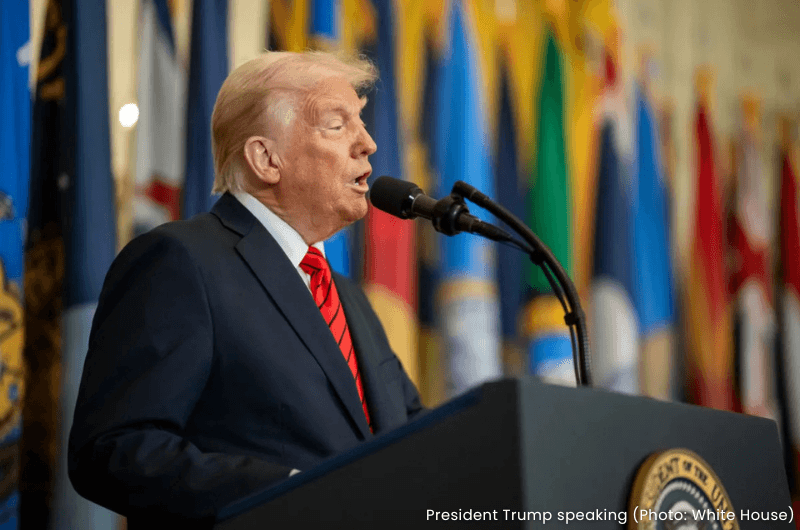
Power Moves with Global Consequences If March was about reclaiming power, April proved that President Donald Trump has no intention of easing into his second term. From global tariffs to sweeping immigration crackdowns, April 2025 was a month of bold, top-down directives with ripple effects across trade, education, and the border. Key Moves & Headlines A Trade War ReignitedTrump declared a national economic emergency, citing U.S. trade deficits as a threat to national security. He imposed a 10% tariff on all imports, with steeper penalties for countries with trade surpluses.The White House also floated a “reciprocal tariff” policy, initially pitched as a 10% blanket tax — then paused for 90 days after backlash from allies and markets. China Takes the HeatIn a targeted strike, the administration slapped a 145% tariff on Chinese imports, sparking outcry from U.S. retailers and tech manufacturers already navigating post-COVID supply chain instability. Tariff Chaos, RevisitedInterestingly, some tariffs from Trump’s first term were reversed or adjusted, suggesting internal tension between ideology and economic realities. Officials cited “policy refinement,” but critics called it “policy whiplash.” Immigration Crackdown DeepensTrump’s DHS expanded its targeting of sanctuary cities, ramped up deportations, and renewed agreements to detain migrants in El Salvador prisons — a controversial move echoing foreign outsourcing of incarceration. Border Wall Construction ResumesNew contracts were awarded in Arizona and Texas for continued construction of the U.S.-Mexico border wall, with an emphasis on “sealing gaps” and enhancing surveillance capabilities. Higher Ed Under the MicroscopeA new executive order directed the Department of Education to revise university accreditation standards and boost transparency on foreign funding, especially from China and Qatar. Critics say the move is less about reform and more about ideological purging. “Common Sense” Discipline in SchoolsAnother executive order focused on school discipline, instructing the Education Secretary to enforce Title VI rules with “clarity and consistency.” The language strongly hints at rolling back Obama-era protections related to race and student punishment. The Big Picture April made one thing clear: Trump’s second term is not coasting on campaign slogans — it’s rewriting the federal rulebook. With sweeping trade moves, intensified immigration enforcement, and a bullhorn aimed at higher education, the White House is betting on executive power to fast-track its vision. Some see strength. Others see overreach. But no one can say it’s subtle. Trump’s second term is no longer warming up. It’s fully unleashed. The Author
NYC Mayor Eric Adams Meets with Trump Following Corruption Case Dismissal
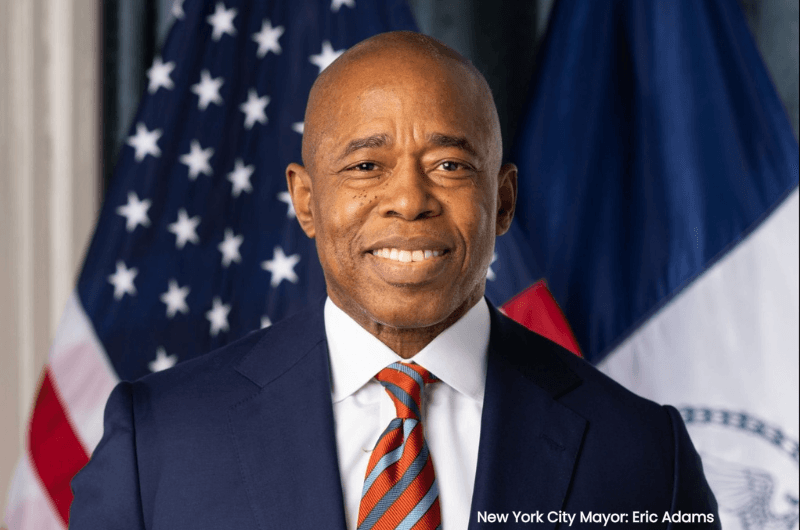
New York City Mayor Eric Adams met with President Donald Trump in Washington on Friday, marking a high-profile return to the national stage just weeks after a federal judge formally dismissed a corruption case against him. The two leaders met behind closed doors to discuss what Adams described as “city priorities,” including federal funding for infrastructure, public housing, and transportation upgrades. Details of the meeting were sparse, but Adams characterized the conversation as “productive.” The timing of the meeting has raised eyebrows. Just a month ago, a federal judge approved the Justice Department’s request to dismiss a criminal case that had accused Adams of accepting illicit campaign contributions and gifts from Turkish officials. The charges, which Adams denied, included allegations that he helped fast-track the opening of a Turkish diplomatic building that failed to meet fire code inspections. The DOJ’s decision to drop the case prompted resignations from two prosecutors and renewed concerns about political interference in high-level investigations. Critics have accused the Biden administration of cutting a backroom deal to protect Adams — an accusation both the White House and the mayor’s office deny. Adams’ political transformation has also drawn attention. Once a centrist Democrat, Adams has shifted right in recent months, embracing stricter immigration enforcement and public safety crackdowns. He’s even floated the idea of running for reelection as an independent — a move that would make him one of the most visible bipartisan figures in American politics. For now, Adams appears focused on rebuilding his image — and his influence — through proximity to power. Whether this marks the start of a strategic alliance with Trump or just a brief detente remains to be seen.
Trump and Starmer Sign US-UK Trade Deal — But Call It ‘Just the Beginning’

A new trade chapter may be opening — but no one’s calling it a final draft. Today, President Donald Trump and UK Prime Minister Keir Starmer signed a preliminary US-UK trade agreement that both sides hailed as a step toward stronger economic ties. The deal, unveiled in a joint press conference, includes tariff reductions on key goods such as steel, aluminum, and automobiles — a notable development amid years of fluctuating post-Brexit trade relations. While the White House framed the deal as a “historic milestone,” other U.S. officials were quick to temper expectations, calling the agreement “the end of the beginning” rather than a sweeping resolution. Key details — including future negotiations on digital trade, agriculture, and financial services — remain unresolved. What’s in the deal? Tariffs on U.S.-made steel and cars entering the UK will be eased British-made aluminum and EV components will receive expanded access to U.S. markets A commitment to further negotiations aimed at reducing red tape for small and mid-sized exporters What’s not in the deal? No movement yet on contentious agricultural standards No clarity on data privacy or tech-sector regulation No full free-trade agreement — at least not yet Why now? Both leaders face intense domestic pressure: Trump is seeking to boost his economic credentials ahead of a likely re-election bid, while Starmer is aiming to stabilize the UK’s trade posture post-Brexit and amid sluggish growth. Critics on both sides say the deal is heavy on symbolism and light on substance. Still, it marks a rare moment of international cooperation in a polarized political year. What comes next? A second round of talks is expected in the fall, with negotiators hoping to broaden the agreement into a more comprehensive economic partnership. For now, though, Trump and Starmer are content to call it progress — and signal that the “special relationship” still has room to grow.
Governor Josh Shapiro and Family Flee Mansion After Suspected Arson Attack — Suspect Arrested

In a shocking breach of security at the heart of Pennsylvania’s leadership, Governor Josh Shapiro and his family were forced to flee the Governor’s Residence in Harrisburg after a fire — now believed to be arson — broke out early Monday morning. Authorities have arrested a 42-year-old man in connection with the blaze. The suspect, identified as Brandon Breon, was apprehended shortly after the fire was extinguished. While no one was harmed, the incident raises urgent questions about safety, intent, and the thin line between protest and violence. Smoke, Flames, and a Quick Evacuation The fire ignited just before 2 a.m. near the perimeter of the state-owned mansion where Shapiro lives with his wife and children. Sources say smoke was visible from several blocks away. Thanks to quick-thinking security officers and a fast emergency response, the Shapiro family was evacuated without injury. Officials later confirmed that the suspect was already under investigation for unrelated offenses when he allegedly set the fire using a gasoline-based accelerant. A Wake-Up Call for Political Security “This wasn’t just a fire,” one state official said under condition of anonymity. “It was an attack — plain and simple. Someone tried to send a message, and we need to understand exactly what that message was.” Governor Shapiro, who has built a reputation as a hands-on leader unafraid to take political heat, briefly addressed the public hours after the incident. While he didn’t name the suspect, he made it clear that Pennsylvania won’t be bullied or rattled. “You can’t scare us into silence. We’re focused on doing our jobs and serving the people — and that’s exactly what we’ll keep doing,” Shapiro said. What Motivated the Attack? The motive behind the alleged arson remains unclear, though investigators are digging into Breon’s background and digital footprint. Some early reports suggest he may have had previous run-ins with law enforcement and had voiced anti-government sentiments online. For now, state police are treating the incident as a targeted attack, but not part of a broader conspiracy. Officials have stepped up patrols around the mansion and other government buildings as a precaution. Political Climate Adds Fuel to the Fire This attempted arson comes at a time when public officials across the country are facing increased threats. From school board meetings to state capitals, tensions are high — and social media often turns grievances into gasoline. While Pennsylvania recovers from the physical damage, the emotional impact lingers. If a sitting governor’s home can be targeted, many ask — what’s next?
IRS Job Cuts Hit Billionaire Audit Unit Hard — And That Might Be the Real Story

In a move that’s raised more than a few eyebrows, the IRS has slashed nearly 40% of the staff in its elite audit unit — the very team responsible for scrutinizing billionaires and large corporations. Since January, dozens of employees from the Global High Wealth group have been let go, and that timing is raising serious questions. At the center of this shake-up? Elon Musk — not just the world’s richest man, but now also the face of federal cost-cutting as head of the Department of Government Efficiency (DOGE), a new agency born under the Trump administration. Lose the Auditors, and We’ll Be OK The Global High Wealth unit exists for one reason: to audit the ultra-rich. These are complex cases involving offshore accounts, trusts, and corporate shells — exactly the kind of financial maneuvering that allows billionaires to pay shockingly low tax rates. Cutting this team nearly in half doesn’t just weaken oversight — it guts it. According to multiple reports, critical cases have stalled or disappeared altogether. Former IRS insiders are warning: This benefits one group and one group only — the ultra-wealthy. A Musk Mission? Musk’s DOGE has been behind massive federal layoffs, with the IRS taking the hardest hit. Roughly 20,000 workers — about a quarter of the agency — have been laid off, including 75% of the IRS Office of Civil Rights and Compliance. The official line is “efficiency,” but let’s be real: fewer auditors mean fewer audits. And who gains most when the tax cops are off the beat? Not everyday workers. Not small business owners. The winners here are billionaires and megacorporations. A Plan to Centralize (and Monetize?) Tax Data As if mass layoffs weren’t enough, DOGE is pushing a controversial plan to centralize IRS data through a new “mega API.” A federal hackathon is in the works to open up access to taxpayer records — a move that critics say could risk data privacy and open the door to tech contractors like Palantir. Imagine a world where your tax information is more accessible to private firms than it is to watchdogs. That’s the world we’re stepping into. Legal Backlash & Bipartisan Warnings These moves haven’t gone unchallenged. A federal judge has already ordered some fired employees to be reinstated. And former IRS commissioners — both Democratic and Republican — are sounding the alarm: Gutting the IRS’s investigative power risks shifting the tax burden onto working Americans while letting the ultra-rich off the hook. So What’s the Real Story? While it’s easy to frame this as a battle over bureaucracy, the truth might be simpler: Firing the IRS staff best equipped to go after billionaires makes life easier for billionaires. And it’s happening under the leadership of one of the richest men alive. That’s not just a cost-cutting measure. That’s a power shift.
FEATURE: Analyzing Elon Musk’s Strategic Firings at the CFPB: Benefit or Risk?

The Consumer Financial Protection Bureau (CFPB) is a pivotal regulatory agency established in response to the financial crisis of 2008, with the primary goal of protecting consumers from unfair, deceptive, or abusive practices in the financial sector. Its functions extend to overseeing financial institutions, enforcing consumer laws, and fostering transparency and fairness in financial transactions. Given the crucial role the CFPB plays in ensuring accountability within the financial sphere, any significant changes in its leadership or operational methodologies are likely to have wide-ranging implications for both consumers and financial entities alike. Recently, Elon Musk gained attention for his strategic firings at the CFPB, a move that has stirred considerable debate among both business and regulatory circles. These actions are particularly notable given Musk’s influential persona within the tech and automotive industries, leading to questions regarding the intersection of his entrepreneurial ambitions and regulatory governance. His motivations may be rooted in a desire to reshape regulatory frameworks that may hinder innovation or market competition, particularly in sectors where Musk has vested interests, such as finance and technologies associated with electric vehicles and space exploration. This intersection between Musk’s business interests and the regulatory environment of the CFPB demands careful examination. The repercussions of such strategic firings are not confined to organizational dynamics; they are emblematic of broader trends in how entrepreneurial leaders engage with regulatory bodies. As we delve deeper into Musk’s motivations for these actions, it will become imperative to consider both the immediate and long-term effects these changes may have on the regulatory landscape and consumer protections that the CFPB is designed to uphold. Understanding this nuance will be key to analyzing whether Musk’s approach serves as a benefit or a risk to the financial sector and its consumers. Overview of the CFPB: Mission and Functions The Consumer Financial Protection Bureau (CFPB) was established in response to the 2008 financial crisis, with the primary mission of protecting consumers in the financial sector. Created by the Dodd-Frank Wall Street Reform and Consumer Protection Act of 2010, the CFPB aims to ensure that consumers have access to fair and transparent financial products and services. It is tasked with regulating and overseeing a wide array of financial organizations, including banks, credit unions, mortgage servicers, and payday lenders, ensuring that they adhere to federal laws regarding consumer protection. One of the CFPB’s central objectives is to provide consumers with the necessary tools and information to make informed financial decisions. This includes implementing regulations that promote transparency in financial transactions, developing educational resources, and offering recourse mechanisms for consumers to address grievances against financial institutions. The bureau also performs critical functions such as rulemaking, enforcement, and supervision in order to mitigate unfair, deceptive, or abusive practices in the financial services industry. By prioritizing consumer rights, the CFPB seeks to create a more equitable marketplace. In addition to its protective functions, the CFPB also serves as a watchdog within the financial industry. It collects and analyzes data on consumer financial practices, which helps in identifying trends and emerging risks. This empirical knowledge informs the bureau’s regulatory decisions and helps guide legislative initiatives aimed at improving financial consumer protections. For corporations, including those associated with figures like Elon Musk, the implications of CFPB regulations can be profound. Businesses must navigate the complexities of compliance to avoid penalties and to uphold their reputation as responsible entities in the eyes of consumers. Understanding the mission and functions of the CFPB is essential for analyzing Musk’s strategic firings within the context of potential regulatory conflicts and corporate governance. A Closer Look at Elon Musk: Business Ventures and Influence Elon Musk is a prominent entrepreneur whose ventures span multiple industries including automotive, aerospace, and technology. His most notable companies, Tesla and SpaceX, have revolutionized their respective fields but also intersect with complex regulatory frameworks, such as those enforced by the Consumer Financial Protection Bureau (CFPB). At the helm of Tesla, Musk has led the company to become a global leader in electric vehicles, pushing the boundaries of sustainable transportation while navigating various financial regulations. These regulations are crucial as they govern consumer protection laws that impact the automotive financing ecosystem. SpaceX, founded by Musk in 2002, has redefined the aerospace industry with a focus on reducing space travel costs and enhancing accessibility to space. The intersection of SpaceX with regulatory oversight becomes evident when considering its involvement in federal contracts and partnerships. A clear understanding of the implications of financial regulations is essential, as failure to comply could jeopardize lucrative contracts or funding opportunities, ultimately influencing the company’s growth trajectory. Furthermore, Musk’s influence extends beyond these companies, impacting the tech industry at large. His ventures often inspire innovation, prompting competitors to adapt and thrive under the evolving landscape shaped by new technologies and changing consumer expectations. However, as the leader of such influential enterprises, Musk also faces potential vulnerabilities linked to the CFPB’s regulations. Any strategic decision made by him or the companies under his guidance may bear scrutiny, especially concerning consumer financial services. Musk’s approach to managing these regulatory challenges is critical in determining how his businesses navigate risks while seizing growth opportunities in a climate that emphasizes consumer protection. The Rationale Behind Musk’s Firings at the CFPB Elon Musk’s decision to implement strategic firings at the Consumer Financial Protection Bureau (CFPB) has garnered significant attention and raised various questions regarding the underlying motivations. At the core of these actions lies Musk’s goal to reshape the organization to better align with his vision for the financial regulatory landscape. One of the primary justifications Musk employed for these firings is the belief that a streamlined workforce within the CFPB would allow for a more agile and responsive regulatory body, capable of adapting to the rapidly evolving financial technology sector. An interpretation of Musk’s approach suggests that he views the firings as a necessary step toward reducing the existing regulatory scrutiny that his businesses may face. By replacing key personnel with individuals who are more aligned with his business philosophy,
Trump’s First 30 Days A Whirlwind – White House Says He’s Just Getting Started
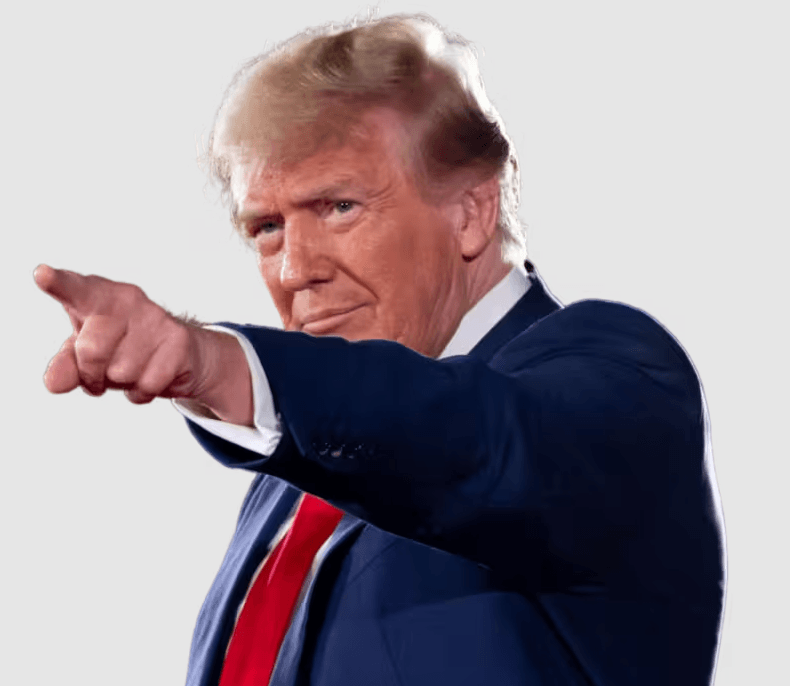
Second Term Begins with A Bang President Donald J. Trump has wasted no time in making sweeping changes during the first month of his second term. From securing the nation’s borders to reshaping trade policies and foreign relations, his administration has implemented aggressive measures aimed at fulfilling his campaign promises and restoring what he calls “America First” policies. Here’s a deep dive into the key actions taken so far. Here’s a recap of Trump’s work during his first 30 days in office – according to the White House. Securing America’s Borders One of President Trump’s most urgent priorities has been tackling illegal immigration. He declared a national emergency at the southern border, leading to an immediate deployment of military personnel, including the elite 10th Mountain Division. This decision has already yielded a dramatic 85% reduction in illegal border crossings within just ten days. His administration has doubled down on enforcement measures: Laken Riley Act Signed: This new law mandates the detention of illegal immigrants arrested or charged with theft or violent crimes. End of “Catch and Release”: The policy that allowed illegal immigrants to remain in the country while awaiting hearings has been scrapped. Termination of CBP One App: Previously, this app facilitated the entry of over a million illegal immigrants, but it is now discontinued. No More Taxpayer-Funded Benefits for Illegal Immigrants: Federal resources will no longer be allocated to providing welfare, healthcare, or housing assistance for those who entered illegally. Accelerated Deportation Flights: Criminal illegal immigrants are being swiftly removed from the country. To further address security concerns, the administration designated gangs like MS-13 and Tren de Aragua as Foreign Terrorist Organizations, enabling law enforcement to take a more aggressive stance against them. Additionally, a new agreement with New York City Mayor Eric Adams allows federal immigration officers to operate at Rikers Island, expediting the deportation of illegal alien criminals. Economic and Trade Policy Overhaul President Trump has revived his hardline stance on trade, implementing new tariffs to protect American industries and workers. 25% Tariff on Goods from Mexico and Canada: Designed to push these countries to take stronger action on border security and drug trafficking. 10% Tariff on Chinese Imports: A continuation of Trump’s efforts to reduce reliance on China and bring manufacturing jobs back to the U.S. Following initial resistance, Mexico and Canada agreed to reinforce their border security efforts, leading to a temporary pause on the new tariffs. The administration is also addressing birthright citizenship, ordering an end to the practice that grants automatic U.S. citizenship to children of non-citizens born in the country. Additionally, the U.S. Refugee Admissions Program has been suspended to reassess national security concerns. Reasserting American Strength in Foreign Policy On the international stage, President Trump has reversed several policies of the previous administration: Cuba is Once Again Labeled a State Sponsor of Terrorism: This designation reinstates strict economic sanctions. Support for Israel’s Settlements Restored: Sanctions imposed on Israeli settlers have been lifted. Withdrawal from the Paris Climate Agreement and WHO: In a move to focus on national interests, Trump has once again exited global agreements he believes undermine U.S. sovereignty. Mexico City Policy Reinstated: Federal funding for international organizations that provide abortion-related services has been revoked. Legal and Administrative Crackdown Trump’s Department of Justice is cracking down on cities and states that refuse to enforce immigration laws: Lawsuits Filed Against Sanctuary Cities: These jurisdictions are being sued for failing to comply with federal law. Funding Revoked for Non-Compliant States: Federal funds are being pulled from any city or state that does not enforce immigration laws. The Whole Matter President Trump has started his second term with a forceful approach to governance, emphasizing border security, economic protectionism, and a reassertion of American power on the world stage. His policies are already having measurable impacts, from drastically reducing illegal crossings to strengthening America’s economic position. With these sweeping changes, it’s clear that Trump is just getting started in his mission to reshape the country according to his “America First” vision.
Trump Enforces Major Changes, Job Cuts – Americans Protest
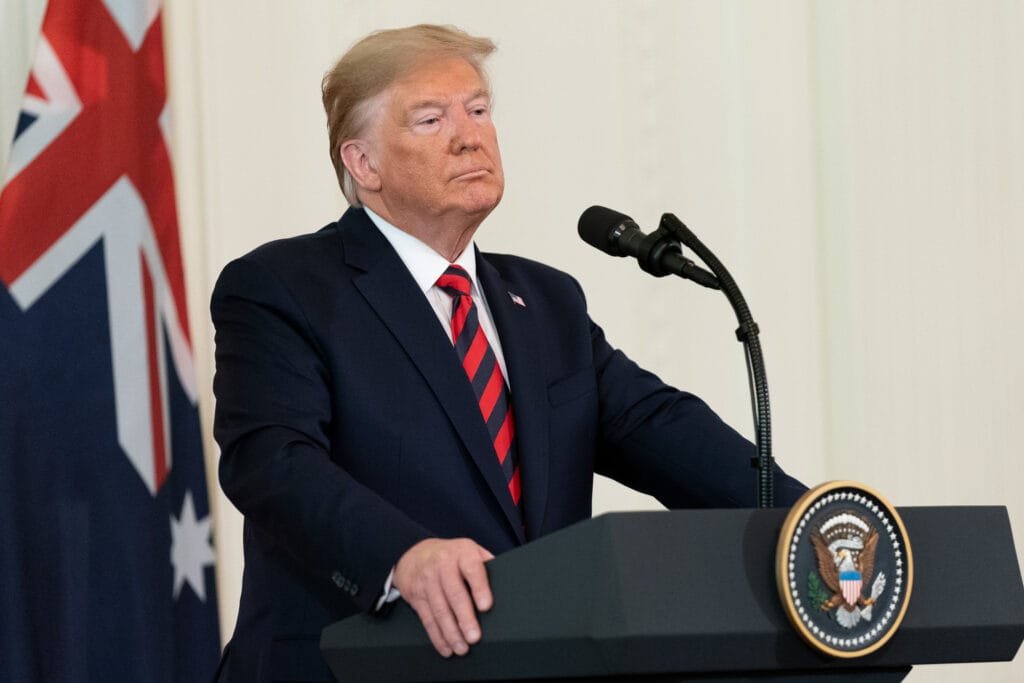
In his first month back in office, President Donald Trump has made swift and dramatic changes to the federal government. His administration has implemented new policies, sparked national protests, and removed thousands of federal workers from their positions. Here’s a look at the major developments so far. Government Restructuring and Policy Shifts One of President Trump’s first moves was placing a hiring freeze on federal agencies, preventing most new hires unless deemed essential. His administration has also focused on reducing government size, cutting budgets, and eliminating positions considered unnecessary. A controversial decision was the appointment of Elon Musk to lead a newly created agency, the Department of Government Efficiency (DOGE). Musk, known for his business ventures, has taken an aggressive approach to downsizing, particularly targeting agencies like the Department of Energy and USAID. However, the legality of his appointment has been challenged, and lawsuits are already in motion. Nationwide Protests Erupt The rapid pace of these changes has led to widespread public outrage. Across the country, protests have erupted, with many government workers voicing concerns over job security and the impact of mass layoffs. San Francisco saw a particularly large demonstration, where people gathered to criticize cuts they fear will weaken essential services. A growing movement among federal workers, operating under the slogan “Hold the line, don’t resign,” encourages employees to stay in their roles to prevent further dismantling of government institutions. Activists argue that privatization and deep budget cuts could result in inefficiency and a decline in the quality of public services. Federal Workforce Reductions The Trump administration’s effort to streamline government operations has already resulted in thousands of job losses. The Department of Veterans Affairs has let go over 1,000 employees, leading to concerns about how it will continue to provide services to former military personnel. The Department of Education has also seen major cuts, with at least 60 employees dismissed, particularly in areas related to civil rights and student financial aid. Meanwhile, the Small Business Administration has reduced its workforce by nearly 20%, terminating around 720 employees. What Comes Next? With just under 30 days in office, Trump’s policies are already reshaping the federal government. His administration promises that these changes will create a more efficient system, while critics argue they threaten essential services and public sector stability. As protests continue and legal battles unfold, the next few months will determine the long-term effects of these actions.