

Trump Reshapes Intelligence Leadership as Administration Refocuses National Security Team
The Trump administration is making changes at the highest levels of the U.S. intelligence community as it works to shape the team responsible for advising the president on some of the nation’s most sensitive security issues. The leadership adjustments reflect the White House’s broader effort to ensure that key agencies are aligned with its priorities on global threats, intelligence gathering, and national defense. While changes in senior positions are common during a presidential term, they often attract attention because of the important role intelligence officials play behind the scenes. The U.S. intelligence community is made up of multiple agencies that collect information, assess risks, and provide decision-makers with analysis on developments around the world. Those responsibilities can range from monitoring military activity and cyber threats to tracking terrorism and geopolitical tensions. The latest moves come as the administration navigates a rapidly changing international landscape, including ongoing developments in the Middle East and other regions where U.S. interests are closely tied to diplomatic and security decisions. Supporters say a leadership refresh can bring new ideas and help ensure agencies are working toward a common strategy. Others argue that experience and continuity are especially valuable in positions that require long-term planning and coordination. Regardless of perspective, the appointments underscore how much influence senior intelligence leaders have in shaping the information that reaches policymakers and informs decisions affecting national security both at home and abroad.
Key Primary Elections Underway in Georgia, Oklahoma, and Washington, D.C.
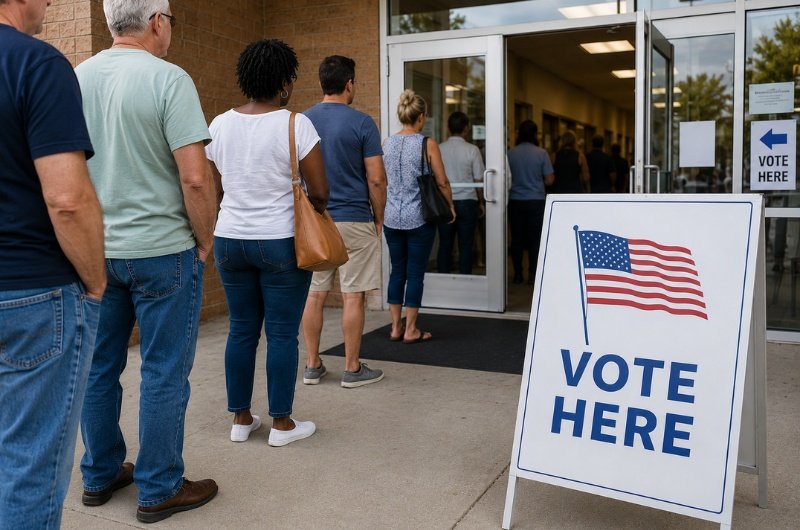
Voters across Georgia, Oklahoma, and Washington, D.C., are heading to the polls Tuesday in a series of closely watched primary elections and runoff contests that could help shape the political landscape leading into the November general election. One of the day’s highest-profile races is Georgia’s Republican U.S. Senate runoff, where voters are choosing a nominee to challenge Democratic Senator Jon Ossoff later this year. The contest gained additional national attention after President Donald Trump endorsed U.S. Representative Mike Collins in the closing days of the campaign, setting up a closely watched test of the president’s influence in a competitive Republican primary. Georgia’s runoff is one of several races expected to draw interest from political observers as both parties prepare for a busy midterm season. Republicans view the seat as a key opportunity to expand their Senate majority, while Democrats are working to defend one of their most competitive incumbents. In Oklahoma, voters are participating in statewide primary elections for offices including governor and the U.S. Senate. The ballot also includes a proposed increase to the state’s minimum wage, giving voters an opportunity to weigh in on an issue with significant economic implications. Meanwhile, Washington, D.C., is holding primary elections for mayor and other local offices. The contests mark the beginning of a leadership transition in the nation’s capital and feature the city’s first use of ranked-choice voting in a mayoral primary, an election reform that will be closely watched by officials and election experts around the country. While each jurisdiction faces its own local issues and candidates, the elections collectively offer an early snapshot of voter priorities ahead of November. Turnout, campaign messaging, and the performance of high-profile endorsements are all expected to be closely analyzed as results begin to emerge after polls close. Election officials are expected to release vote totals throughout the evening, although final outcomes in some races may take additional time depending on local counting procedures and the closeness of the contests.
Primary Night 2026: Iowa Delivers a Surprise as California Awaits a Winner
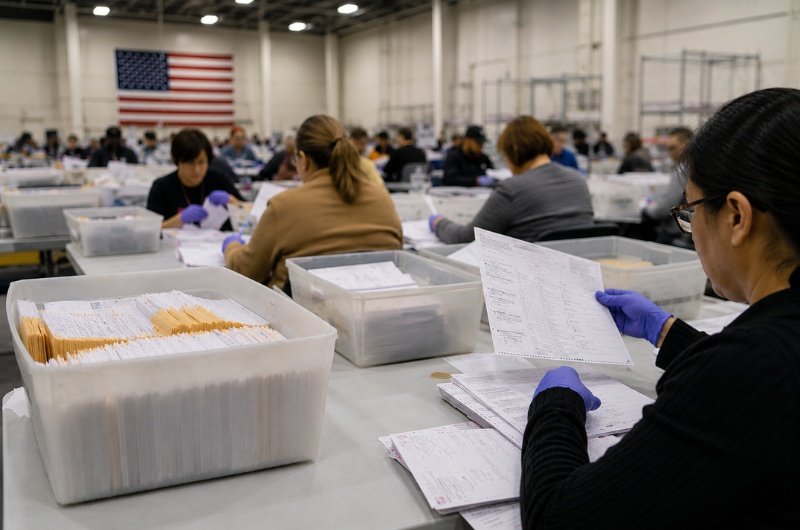
Voters in Iowa and California delivered two very different political stories Tuesday night, producing both a surprise result and an unresolved contest that could shape the months ahead. In Iowa, Republican voters handed President Donald Trump one of the rare primary setbacks of the 2026 election cycle by rejecting his endorsed candidate for governor. Businessman Zach Lahn defeated U.S. Representative Randy Feenstra in the Republican primary, setting up a general election contest against Democratic State Auditor Rob Sand. Meanwhile, California voters left one of the nation’s most closely watched races without a clear conclusion. Early returns showed Republican Steve Hilton and Democrat Xavier Becerra among the leading candidates in the state’s open gubernatorial primary, but ballot counting continued Wednesday morning with final results still pending. The contrasting outcomes highlighted the complexity of the 2026 political landscape. In Iowa, voters demonstrated a willingness to break from expectations and chart their own course despite a late endorsement from Trump. In California, voters delivered a fragmented result in a crowded field, leaving questions about the shape of the November contest unanswered. Both races carry significance beyond state borders. Iowa’s governor’s race will test competing visions for the future of a state that has become increasingly important in national politics, while California’s contest will determine who succeeds term-limited Governor Gavin Newsom and leads the nation’s largest state economy. The Readovia Lens Primary elections often reveal less about who will ultimately win and more about where voters stand at a particular moment in time. Tuesday’s results offered a reminder that endorsements, fundraising, and polling remain influential, but they are not always decisive. Iowa voters delivered an unexpected result, while California voters left one of the country’s most important races unresolved. Together, the outcomes suggest that many of the biggest political questions of 2026 may take longer to answer than either party anticipated. ——————– Related: Primary Day 2026: California and Iowa Voters Offer Early Clues to America’s Political Mood
Primary Day 2026: California and Iowa Voters Offer Early Clues to America’s Political Mood
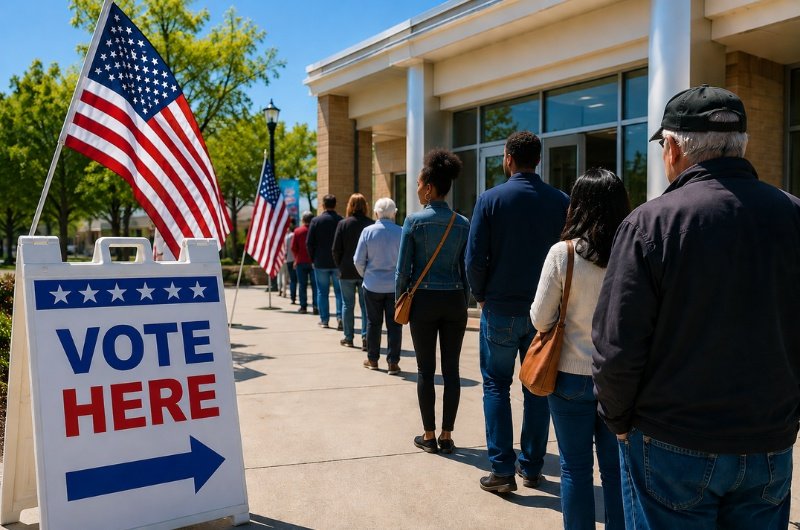
Voters across California, Iowa, and several other states head to the polls Tuesday in one of the most consequential primary election days of the year, as candidates compete in races that could offer important clues about voter priorities ahead of the 2026 midterm elections. While primary elections typically attract less attention than November contests, political strategists, candidates, and party leaders will be studying the results closely. From California’s race to succeed Gov. Gavin Newsom to competitive congressional contests in multiple states, today’s outcomes may provide important signals about where voters stand as the 2026 midterm elections draw closer. In California, voters are helping narrow the field in the race to become the state’s next governor, while several congressional races are drawing national attention because of their potential impact on the balance of power in Washington. Economic concerns, housing affordability, public safety, immigration, and the cost of living have emerged as recurring themes throughout the campaign season. Iowa’s contests offer a different but equally important snapshot of the political environment. Long regarded as a key political bellwether, the state’s races are expected to provide additional insight into voter sentiment across the Midwest and help both parties gauge enthusiasm among their core supporters. The results may not dramatically alter the political landscape overnight, but they could reveal important trends that carry into November. Strong turnout, unexpected victories, or signs of voter dissatisfaction often become early indicators of larger movements that emerge later in the election cycle.
Federal Judge Rejects Challenge to Boston Sanctuary City Law
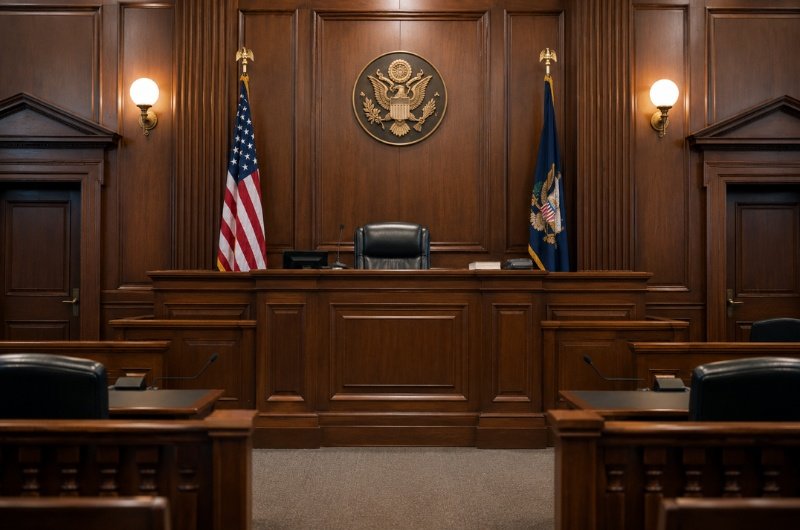
A federal judge has dismissed the Trump administration’s lawsuit challenging Boston’s sanctuary city policy, allowing the city’s immigration-related law enforcement practices to remain in place. The ruling marks the latest setback in the administration’s broader effort to challenge local policies that limit cooperation with federal immigration authorities. The case centered on the Boston Trust Act, a city law first adopted in 2014 that restricts how local officials may participate in civil immigration enforcement. The policy bars Boston police and other city officials from assisting federal authorities with certain immigration-related activities, including holding individuals solely for potential deportation proceedings. The Justice Department argued that the law interfered with federal immigration enforcement and violated the Constitution. However, U.S. District Judge Leo Sorokin concluded that the federal government lacked sufficient legal grounds to pursue the case. In his ruling, Sorokin noted that Massachusetts law already limits the ability of local law enforcement agencies to detain individuals based solely on federal civil immigration detainer requests. The decision leaves Boston’s policy intact and highlights the continuing legal battles surrounding so-called sanctuary jurisdictions across the country. Similar lawsuits filed against other states and cities have also faced setbacks in federal court as judges weigh the balance between federal immigration authority and local control. Immigration remains one of the most closely watched issues in American politics, and disputes over sanctuary policies continue to be a source of legal and political debate. While the ruling does not settle that broader national conversation, it represents another important court decision in the ongoing struggle over how immigration enforcement responsibilities should be shared between federal and local governments.
China Agrees to Major Boeing Purchase During Trump-Xi Diplomatic Push
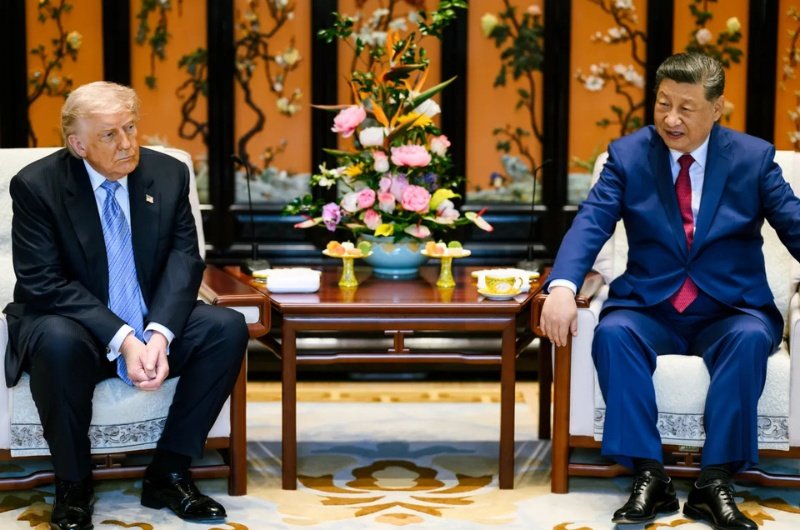
President Trump’s high-level summit with Chinese President Xi Jinping produced a series of major economic and geopolitical developments this week, including a massive Boeing aircraft agreement that could become one of the largest aviation deals in modern history. According to the White House, China agreed to purchase 200 Boeing aircraft, with discussions underway that could eventually expand the order to as many as 750 jets — a move expected to deliver a significant boost to American manufacturing and aerospace jobs. The summit also produced broader diplomatic signals beyond aviation. Treasury Secretary Scott Bessent said the United States and China are now discussing the creation of a joint Board of Investment, a proposal that could open the door to deeper economic coordination between the world’s two largest economies after years of trade friction and strategic distrust. At the same time, both nations reportedly agreed that Iran must not control the Strait of Hormuz, one of the world’s most important energy shipping corridors. The agreement reflects growing concern over global energy stability as tensions continue to simmer across the Middle East. The summit concluded with President Trump inviting President Xi to visit the White House later this year, signaling what could become a broader effort to stabilize one of the most consequential relationships in global politics.
Kash Patel Faces Explosive Senate Questioning Over Conduct Allegations
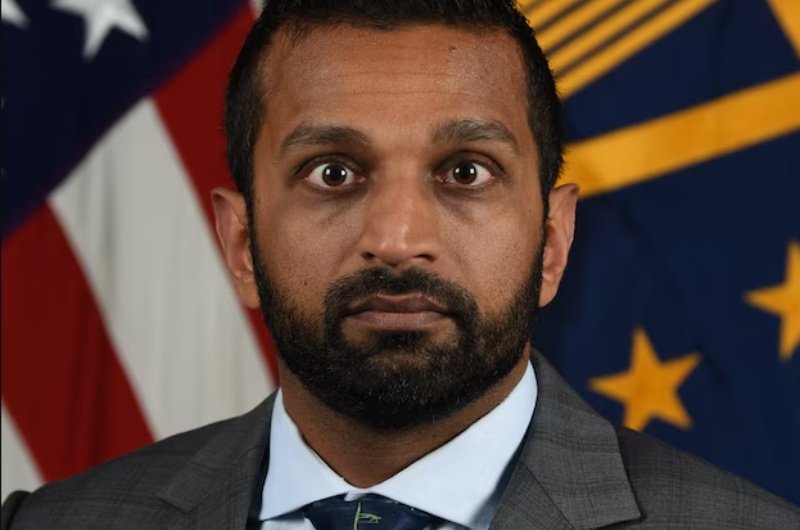
FBI Director Kash Patel faced intense questioning on Capitol Hill Tuesday as Senate Democrats pressed him over allegations involving excessive drinking, unexplained absences, and concerns about his conduct while leading the nation’s top federal law enforcement agency. The heated exchange unfolded during a Senate budget hearing in which Patel appeared before lawmakers to defend the FBI’s funding request. Instead, much of the hearing quickly shifted toward recent allegations published in media reports claiming Patel’s behavior had raised concern among officials inside the FBI and Justice Department. Patel forcefully denied the accusations, calling them “unequivocally” false and accusing critics of attempting to damage his reputation for political reasons. The FBI director has already filed a major defamation lawsuit connected to the allegations and repeatedly pushed back against lawmakers during several tense moments throughout the hearing. One of the sharpest exchanges came when Democratic Sen. Chris Van Hollen questioned Patel about reports alleging excessive drinking and concerns about his availability while serving as FBI director. Patel responded aggressively, accusing the senator of hypocrisy and firing back with allegations of his own, turning the hearing into a combative political confrontation. The hearing highlighted the increasingly volatile political environment surrounding federal law enforcement leadership in Washington. While supporters view Patel as a disruptor willing to challenge entrenched institutions, critics argue the controversy surrounding his leadership risks undermining public trust in the FBI during a period of growing political division across the country. Despite the controversy, Patel defended his leadership of the bureau and pointed to recent FBI enforcement statistics and violent crime reductions as evidence that the agency remains focused on its mission. But Tuesday’s hearing also underscored a larger reality in Washington: in today’s political climate, even congressional budget hearings are increasingly becoming high-stakes public battles over credibility, perception, and institutional trust.
Trump Administration Pursues New Import Taxes After Supreme Court Tariff Defeat
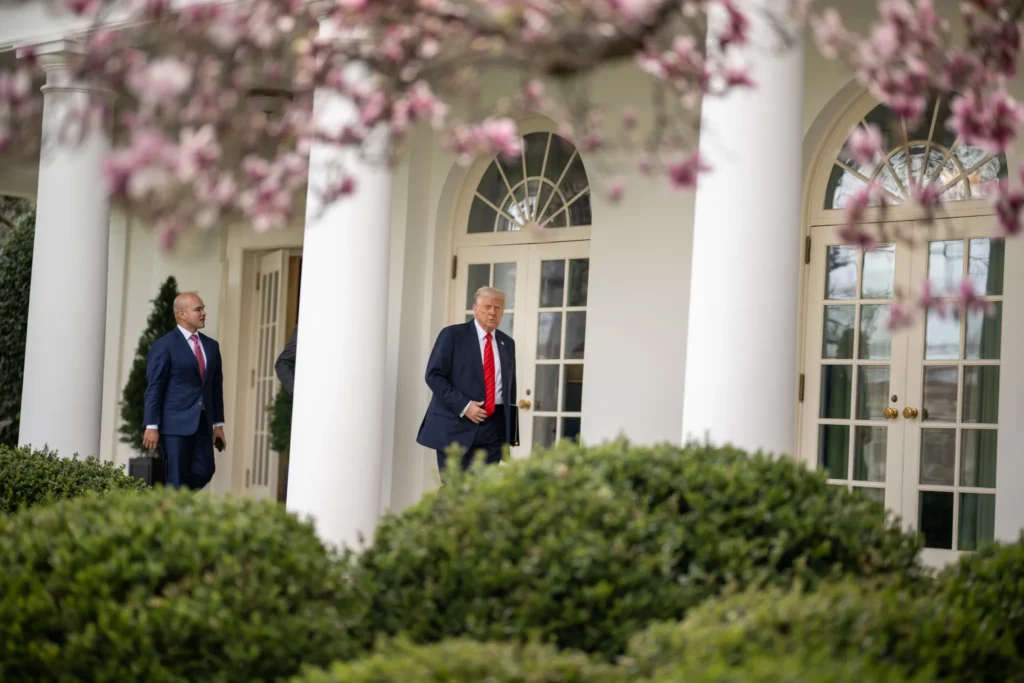
The Trump administration is exploring new ways to impose import taxes on foreign goods after the Supreme Court dealt a major blow to its earlier tariff strategy, reopening a high-stakes battle over trade, executive power, and the future cost of imported products in the United States. The renewed push comes months after the Supreme Court ruled that the administration could not use broad emergency powers to justify sweeping global tariffs under the legal framework originally cited by the White House. The decision forced officials to reconsider how future trade penalties could be implemented while preserving the administration’s aggressive America-first economic agenda. Now, administration officials are reportedly examining alternative legal pathways that could allow new import taxes or targeted trade penalties to move forward under different statutes. The effort is already drawing sharp reactions from business groups, legal analysts, and lawmakers concerned about how another wave of tariffs could affect consumer prices, supply chains, and market stability. For many American companies, the uncertainty surrounding tariffs has become nearly as disruptive as the tariffs themselves. Businesses that rely on imported materials or overseas manufacturing continue to face questions about future pricing, sourcing, and long-term planning. Some importers are also preparing for possible refund distributions tied to earlier tariff collections that were challenged in court. The broader fight is shaping into more than a trade dispute. It has become a test of presidential authority and how far future administrations can go in reshaping global commerce without direct approval from Congress. With the 2026 election cycle accelerating, trade policy is once again emerging as one of Washington’s most politically charged battlegrounds.
King Charles III Visits White House as Washington Showcases U.S.-UK Alliance
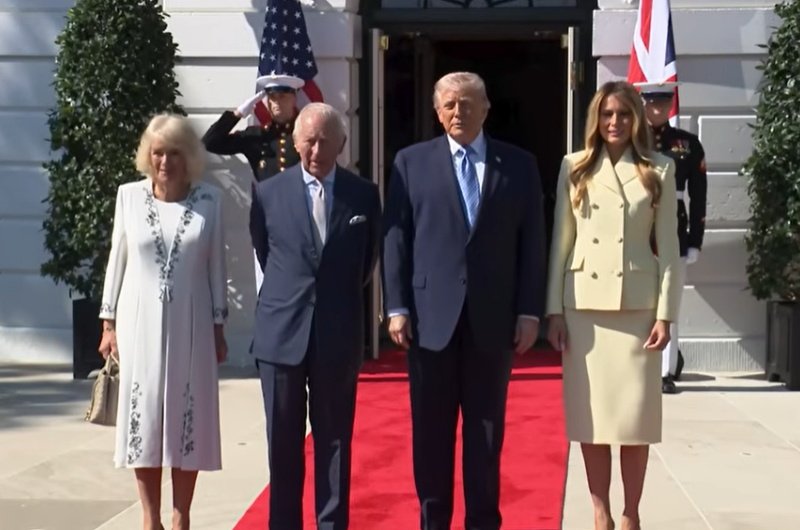
King Charles III arrived at the White House on Monday for a high-profile meeting with President Donald Trump, marking one of the most symbolic diplomatic visits to Washington this year. Joined by Queen Camilla, the British monarch was welcomed with formal ceremony as both nations sought to highlight the enduring alliance between the United States and the United Kingdom. The visit comes at a moment of global uncertainty, with conflicts abroad, economic pressures, and shifting geopolitical alliances placing renewed value on long-standing partnerships. Public displays of unity between Washington and London often carry significance far beyond the ceremonial setting. While royal visits are steeped in tradition, they also serve practical purposes. Meetings between heads of state can help reinforce cooperation on trade, defense, intelligence sharing, and broader strategic priorities that affect both countries. For Washington, the moment offered a pause from the usual pace of domestic political battles and campaign headlines. For Britain, it was an opportunity to project stability and diplomatic relevance on one of the world’s most visible stages. Though much of the day centered on pageantry, the larger message was clear: in an increasingly unsettled world, trusted alliances still matter.
Overnight Senate Vote Moves $70 Billion ICE Funding Plan Forward
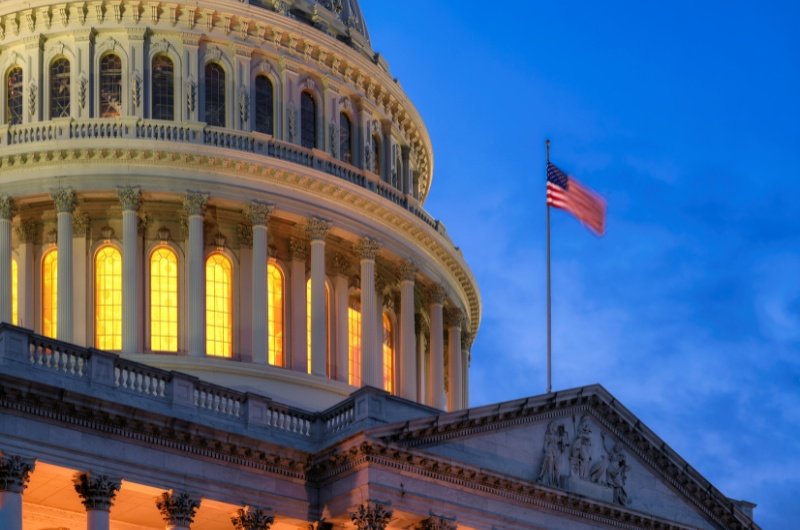
The Senate voted early Thursday to advance a budget framework that would direct roughly $70 billion toward Immigration and Customs Enforcement and Border Patrol over the next three years, pushing one of Washington’s most contentious funding fights into a new phase. The move followed an overnight “vote-a-rama,” where senators considered a rapid series of amendments before the final vote. Republicans used the budget reconciliation process to move the measure forward with a simple majority, avoiding the 60-vote threshold that often stalls major legislation in the Senate. The strategy gives GOP lawmakers a clearer path to pursue immigration enforcement priorities without needing Democratic support. The proposal arrives during a broader dispute over homeland security funding, with immigration policy again emerging as a central dividing line between the two parties. Supporters argue stronger enforcement resources are urgently needed, while critics warn the plan could expand spending without resolving deeper policy disagreements. The measure now shifts to the House, where lawmakers must decide whether to adopt the Senate framework or reshape it before any final package can move closer to becoming law. For now, the overnight vote underscores how border security remains one of the most politically powerful issues in the country.