


Labor Secretary Resigns Amid Misconduct Allegations and Internal Probe
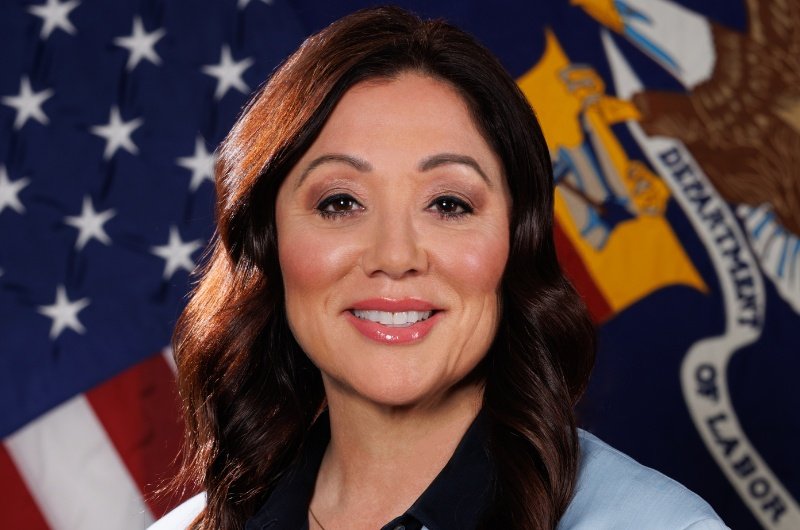
U.S. Labor Secretary Lori Chavez-DeRemer has resigned after allegations of inappropriate workplace conduct and misuse of authority. This role is one of the 15 executive department heads that form the Cabinet, and advises the president on labor-related issues. Chavez-DeRemer was sworn in on March 11, 2025, and her sudden exit shifts attention from policy to accountability inside one of the government’s most important agencies. Reports say a review examined claims that included an inappropriate relationship with a subordinate, alcohol use during work hours, and possible misuse of government resources. Deputy Labor Secretary Keith Sonderling is expected to step in on an acting basis while the administration weighs next steps. The Labor Department oversees issues that affect millions of Americans, including wage protections, workplace safety, union relations, and job training programs. A leadership shake-up at the top can create uncertainty as officials transition responsibilities and reassess priorities. Beyond the personal controversy, the resignation adds to the broader pattern of turnover in Washington. When senior officials leave suddenly, agencies often face a period of internal disruption before a new direction is established.
House Rejects Long-Term Spy Powers Deal, Setting Up April Showdown
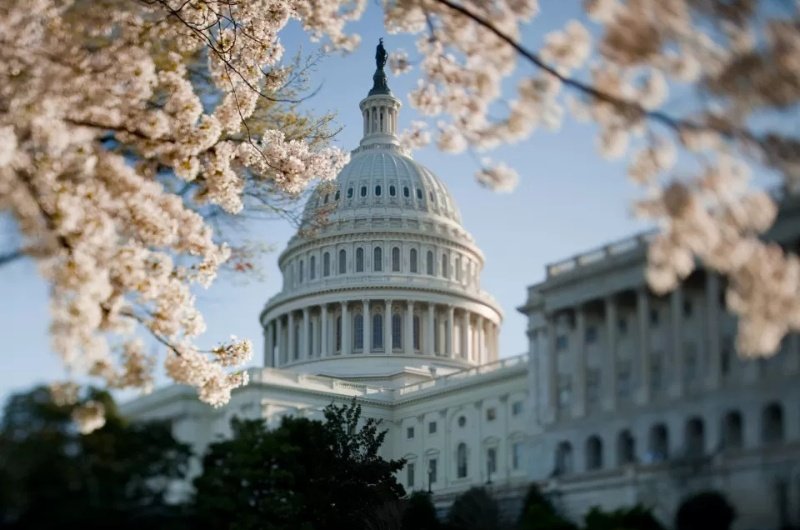
The U.S. House voted late Thursday to approve a short-term extension of Section 702 of the Foreign Intelligence Surveillance Act in Washington after lawmakers failed to agree on a longer renewal, keeping the surveillance authority in place through April 30 and setting up another high-stakes fight in Congress within days. Section 702 allows U.S. intelligence agencies to monitor foreign targets overseas using communications data that moves through U.S.-based digital infrastructure. Supporters say the tool is vital for counterterrorism, espionage prevention, and national security operations. Critics argue Americans can be swept into that data collection process, raising long-running concerns about privacy and government overreach. Republican leaders had pushed for a longer extension, but resistance from privacy-focused conservatives and Democrats blocked those efforts during a dramatic late-night session. The breakdown exposed rare bipartisan alignment from lawmakers who want stronger safeguards before granting a longer reauthorization. The result now shifts pressure to the Senate and back to House negotiators, who must decide whether to tighten privacy protections, pass another temporary patch, or risk a lapse in one of the government’s most controversial intelligence programs. With the clock reset to April 30, the debate is far from over.
Trump Ultimatum to Federal Reserve Chair Powell: Step Down or Be Removed
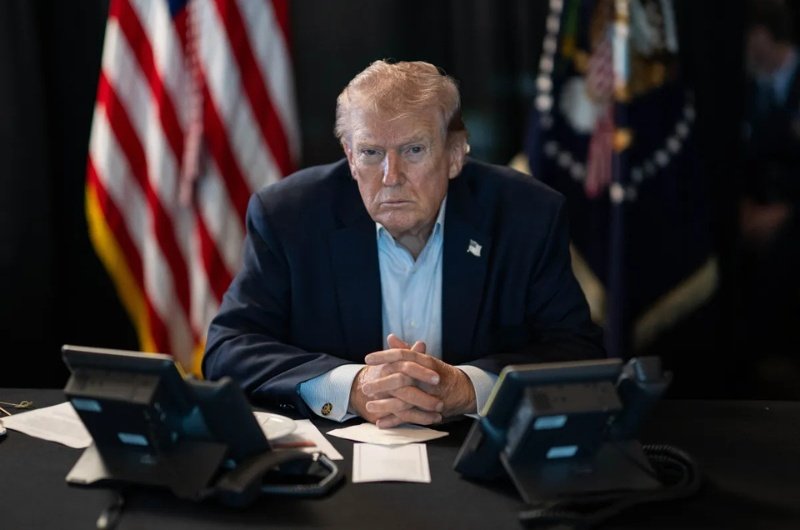
President Donald Trump intensified pressure on Federal Reserve Chair Jerome Powell on Wednesday, saying Powell should leave when his current term as chair ends next month or risk being removed. The remarks quickly pushed the future leadership of the central bank back into focus. Trump has selected former Fed governor Kevin Warsh as his preferred replacement, but the nomination must still move through the Senate. If confirmation takes longer than expected, investors could be left watching a leadership transition unfold during a sensitive moment for the economy. The Federal Reserve plays a major role in financial life across the country. Its decisions influence borrowing costs for mortgages, credit cards, auto loans, and business financing. That is why any uncertainty surrounding the Federal Reserve often reaches far beyond Washington. For households and companies alike, financial stability matters. Markets tend to respond best when leadership changes are orderly and policy decisions appear grounded in economic data rather than political pressure. The next chapter now shifts to Capitol Hill, where lawmakers will weigh Warsh’s nomination. Until then, Wall Street may be watching the Federal Reserve storyline almost as closely as the next inflation report.
LIVE: Trump Addresses Escalating U.S.–Iran Conflict in Press Conference
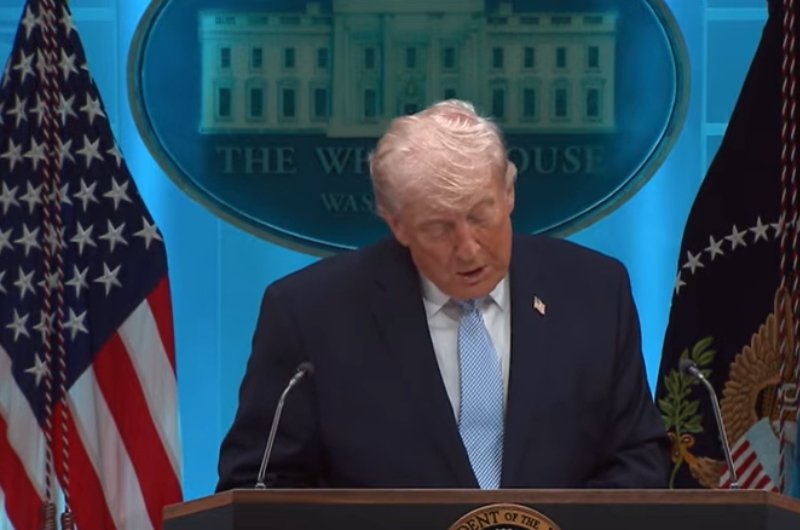
President Donald Trump is speaking now in a closely watched afternoon address as attention intensifies around the U.S.–Iran conflict. The remarks come at a pivotal moment, with policymakers, markets, and the public all watching for signals on what may come next. Watch the full press conference below. This is a developing story, and key points are emerging in real time. We are monitoring the speech as it unfolds and will continue updating this story with confirmed details, direct statements, and analysis.
Trump Declares Operation Epic Fury Nearing Completion in Primetime Address
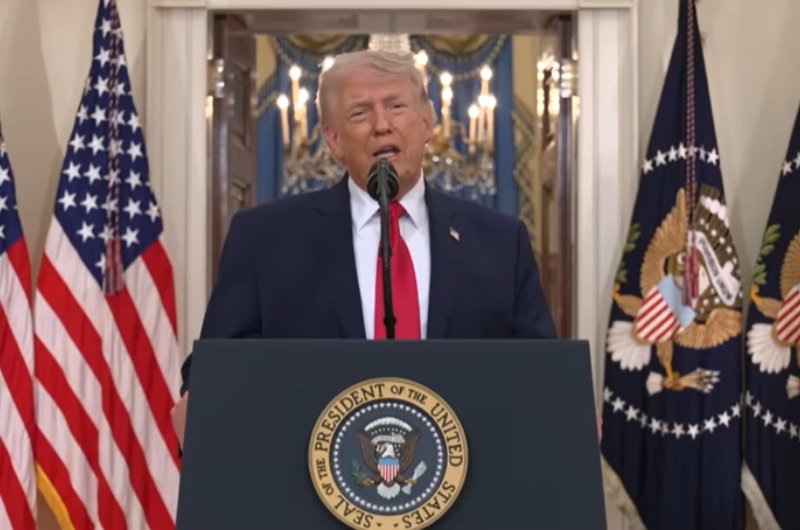
In a primetime address to the nation Wednesday night, President Donald J. Trump said the U.S. military campaign known as Operation Epic Fury is entering its final phase, describing the operation’s core objectives as “nearing completion” after weeks of intense fighting in Iran. Speaking from the White House, Trump outlined what he called significant battlefield gains, including widespread damage to Iran’s military infrastructure, missile systems, and leadership structure. He framed the operation as a decisive move to eliminate long-standing threats, particularly Iran’s nuclear ambitions, which he described as a central justification for the campaign. The president signaled that the most aggressive phase of the operation may continue for another two to three weeks, with additional strikes expected before any potential drawdown. While suggesting the conflict is winding down, he did not provide a clear timeline or strategy for a full U.S. exit from the region. Trump also indicated that Iran may be seeking a ceasefire, though no formal agreement has been confirmed. At the same time, tensions remain high, with warnings of possible retaliation and continued instability across the region. The address comes amid growing global scrutiny and mixed reactions at home, as the administration attempts to define both the outcome of the operation and what comes next in a rapidly evolving geopolitical landscape.
Democrats Flip Seat in Trump’s Backyard, Signaling Potential Shift Ahead of Midterms
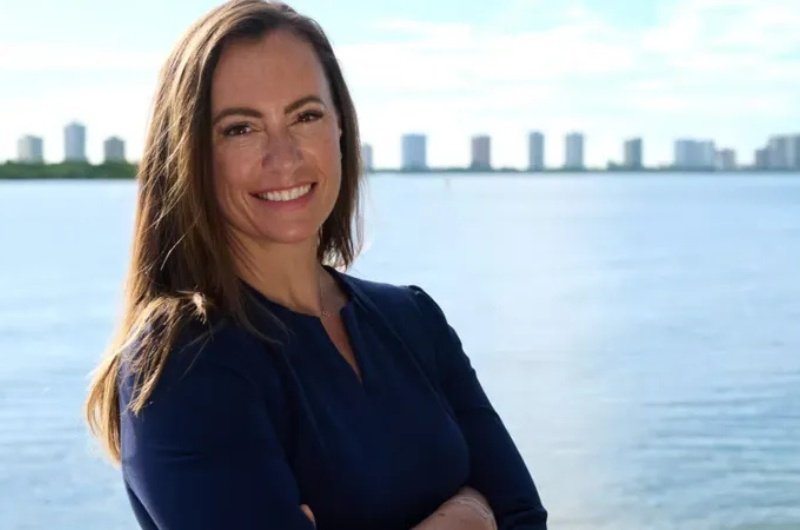
A closely watched special election in Florida is drawing national attention after Democrats flipped a state House seat in a district that includes former President Donald Trump’s Mar-a-Lago residence. Democratic candidate Emily Gregory, a first-time contender and small business owner, defeated Republican Jon Maples, who had been endorsed by Trump. The result marks a notable shift in a district that had previously been considered reliably Republican, with the GOP winning the seat by a wide margin just two years ago. While the outcome does not change the balance of power in Florida’s legislature, it carries symbolic weight. The district’s connection to Trump — both politically and geographically — has made the result a focal point for early signals ahead of the 2026 midterm elections. The race also highlights a broader trend. Democrats have now flipped multiple seats in special elections since Trump returned to office, suggesting that local races may be becoming more competitive in areas once viewed as politically settled. At the same time, Republicans have downplayed the significance of the result, pointing to the state’s overall political landscape, where the party still maintains strong control. The Readovia Lens Special elections rarely change power overnight — but they often reveal where momentum is building. A shift in a high-profile district signals that voter sentiment may be more fluid than expected, even in areas closely associated with national political figures. As the midterms approach, results like this are likely to be watched closely because they hint at where the political ground may be moving next.
Trump Issues Iran Ultimatum, Then Delays Strikes as Conflict Nears Breaking Point
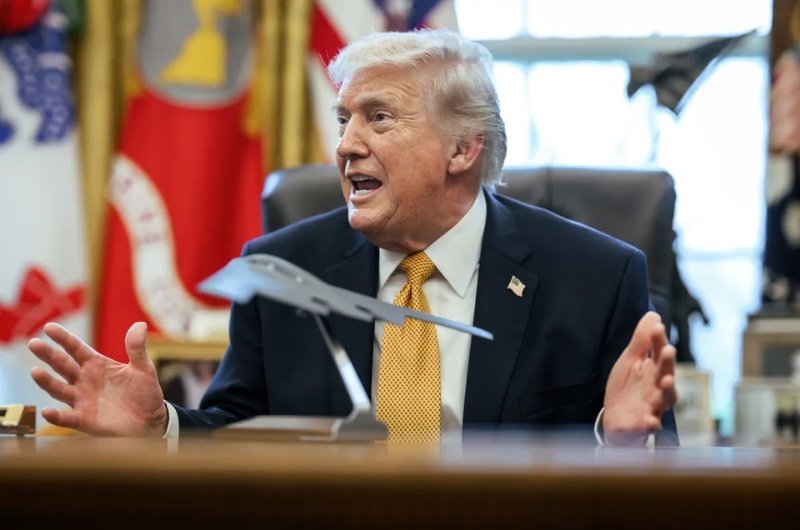
The United States and Iran have moved to the brink of a major escalation, as a 48-hour U.S. ultimatum quickly gave way to a sudden and unexpected pause in military action. President Donald Trump had warned Iran to reopen the Strait of Hormuz or face strikes targeting its power and energy infrastructure. Instead, just hours before the deadline, the White House announced a five-day delay, citing what Trump described as “very good and productive” conversations aimed at de-escalation. The reversal follows days of intensifying threats on both sides. Iran had responded to the ultimatum with warnings that any attack on its infrastructure would trigger widespread retaliation across the Middle East, including strikes on energy facilities and critical systems in neighboring countries. The Strait of Hormuz, one of the world’s most vital oil corridors, remains heavily restricted, amplifying global economic concerns and raising the stakes of the standoff. Despite the announcement of “productive” discussions, Iranian officials have publicly denied that any direct talks with the United States have taken place. Instead, Tehran has suggested the delay reflects the seriousness of its counter-threats rather than any diplomatic breakthrough. Regional tensions remain high, with ongoing military activity and continued warnings of broader conflict. The conflict, now entering its fourth week, has already resulted in significant casualties and widespread instability across the region. Israeli air operations have continued, while Iran has signaled its willingness to expand retaliation, including potential disruptions to water and energy systems across Gulf nations. For now, the five-day pause offers a narrow window for diplomacy — but with both sides holding firm and the global economy already feeling the impact, the situation remains volatile. What happens next may determine whether this conflict moves toward resolution or escalates into a broader regional crisis.
Trump Threatens to Bomb Iran’s Largest Gas Field if Qatar Is Attacked Again
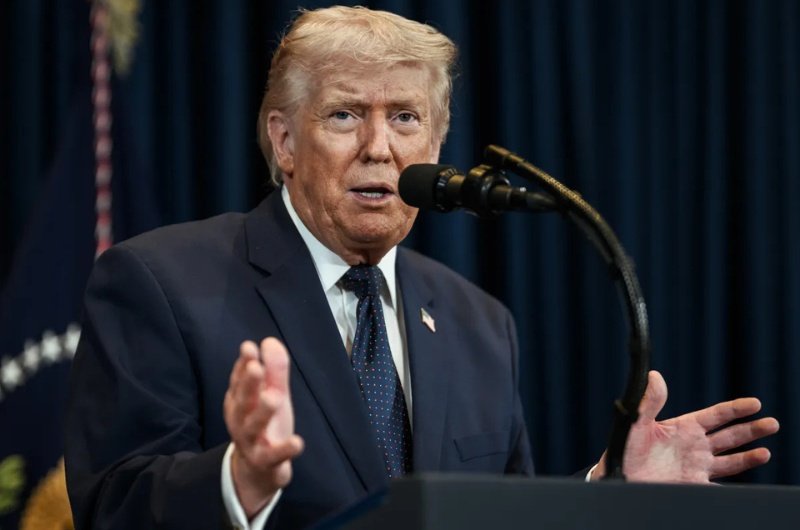
As tensions in the Middle East continue to escalate, President Donald Trump has issued a stark warning to Iran: any further attacks on Qatar could trigger a direct and devastating U.S. response targeting one of Iran’s most critical energy assets. The warning centers on Iran’s South Pars gas field, the largest natural gas reserve in the world and a cornerstone of the country’s energy supply. Trump stated that the United States would “massively blow up” the entire field if Iran launches additional strikes against Qatar’s energy infrastructure. The threat comes amid a rapid escalation in the region. Recent strikes targeting energy infrastructure have intensified fears of a broader conflict, with key Gulf nations now facing increased risk. Qatar, home to one of the world’s largest liquefied natural gas hubs, has already seen damage to critical facilities, raising concerns about global supply disruptions. Trump has also sought to distance the United States from earlier strikes in the region, emphasizing that Washington was not directly involved. However, his latest warning signals a clear red line: further escalation involving Qatar could draw the U.S. deeper into the conflict. The implications extend far beyond the region. Any direct strike on Iran’s primary gas infrastructure would not only deal a severe economic blow to Tehran but could also send shockwaves through global energy markets, impacting prices and supply chains worldwide.
Who Decides War? Congress Prepares Vote as Iran Conflict Widens
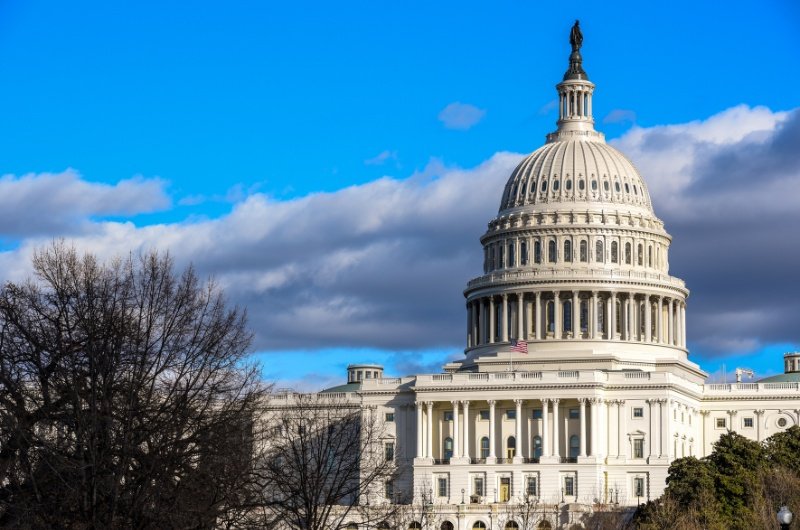
As the military conflict between the United States, Israel, and Iran intensifies, Congress is preparing for a pivotal vote that could redefine who controls America’s path to war. The U.S. Senate is set to vote Wednesday on a bipartisan war powers resolution requiring congressional approval for continued military action against Iran, with the House expected to follow Thursday. The measure, led by Senator Tim Kaine and supported by several Democrats and a small group of Republicans, is designed to reassert Congress’s constitutional authority over decisions of war and peace. Critics argue the recent air campaign against Iran, launched without explicit congressional authorization, raises fundamental questions about the balance of power between the White House and Capitol Hill. Supporters of the resolution say the United States risks sliding into a broader Middle East conflict without a clear debate or vote by the nation’s elected representatives. Opponents, including many Republican leaders, warn that restricting presidential authority during an active military confrontation could weaken U.S. strategy and signal division to adversaries. Even if the resolution passes Congress, its future remains uncertain. President Donald Trump is expected to veto any measure that limits his authority to continue military operations, meaning lawmakers would need a two-thirds majority to override the veto — a difficult political hurdle. The vote revives a long-running constitutional debate over war powers in Washington. As tensions with Iran continue to escalate, lawmakers are once again confronting a central question: who ultimately decides when America goes to war.
State of the Union Tonight: Trump Faces High-Stakes Moment in Divided America
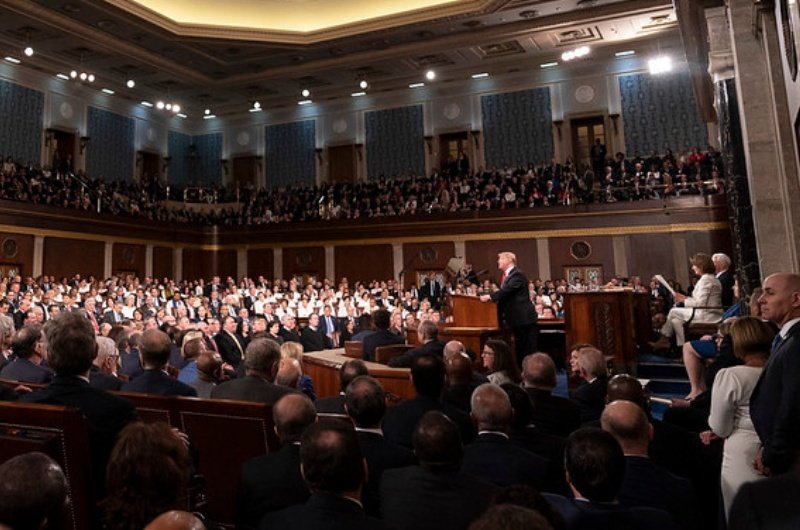
President Donald Trump will deliver the first State of the Union address of his second term tonight at 9 p.m. ET, stepping into a chamber — and a country — sharply divided over the direction of the economy, immigration policy, and America’s global posture. The speech arrives at a politically sensitive time, with midterm elections looming and approval ratings under pressure. The White House has signaled that Trump will emphasize economic performance, including job growth and broader market strength, while defending his trade strategy and tariff policies. Yet public sentiment remains mixed. Many Americans continue to express frustration over cost-of-living concerns, even as headline economic data shows resilience. How the president reconciles those competing realities may define the tone of the address. Immigration is also expected to feature prominently. Ongoing disputes over border enforcement and Department of Homeland Security funding have sharpened partisan tensions in Washington. Trump is likely to frame his administration’s approach as a matter of national security and sovereignty, while critics argue the policies have fueled division and legal battles. Foreign policy could round out the evening’s major themes. Trade negotiations, tariff disputes, and geopolitical tensions abroad provide a complicated backdrop. Allies and adversaries alike will be listening closely for signals about the administration’s next moves, particularly as global markets remain sensitive to U.S. policy shifts. The Democratic response will follow the president’s speech, offering a contrasting vision ahead of the 2026 midterms. For Trump, the address represents more than a constitutional obligation. It is a defining political moment — a chance to reset the narrative, rally supporters, and shape the national conversation for the year ahead.