


Why Sweet Potatoes Deserve a Place at the Table

Sweet potatoes have earned their reputation as one of the most nutrient-dense foods you can add to your diet — and for good reason. Packed with vitamins, minerals, fiber, and antioxidants, they deliver powerful health benefits in every serving. Whether baked, roasted, or blended into soups, this vibrant root vegetable offers far more than sweetness and comfort. One of the biggest advantages of sweet potatoes is their support for healthy blood pressure. They’re naturally rich in potassium — a mineral that helps the body counteract sodium, relax blood vessel walls, and stabilize blood pressure levels. Combined with magnesium and fiber, sweet potatoes create a nutritional trio that supports healthy circulation and overall cardiovascular function. For individuals monitoring hypertension, adding them to meals can be a simple, delicious way to stay on track. At only 100–114 calories, sweet potatoes deliver impressive nutritional power without weighing you down. They’re packed with vitamins A and C, potassium, fiber, and slow-digesting carbohydrates — a combination that supports steady energy, digestive health, and immune function. Their naturally high potassium content also plays a key role in helping maintain healthy blood pressure. Gut health gets a boost as well. The high fiber content — especially soluble fiber — helps balance digestion, feed beneficial gut bacteria, and promote healthy cholesterol levels. Because sweet potatoes are naturally gluten-free and gentle on the digestive system, they’re ideal for people with sensitivities or those looking to improve overall digestive wellness. Best of all, sweet potatoes fit effortlessly into everyday meals. Toss roasted cubes into salads, blend them into smoothies, pair them with lean proteins, or enjoy them simply baked with a drizzle of olive oil. Adding a sprinkle of cinnamon and a touch of honey can also help satisfy late-night sweet cravings. With their versatility and impressive nutritional profile, sweet potatoes offer one of the easiest — and tastiest — ways to nourish your body from the inside out.
Zepbound Price Cut: A Turning Point for Obesity Treatment in America

The U.S. weight-loss drug market shifted in a major way today. Eli Lilly announced lower prices for its obesity medication Zepbound, reducing monthly costs for self-pay patients under its direct-to-consumer program. The 2.5 mg dose now costs $299 per month, the 5 mg dose drops to $399, and higher-strength options are available for $449 per month. The move aims to expand access to medical obesity treatment at a time when cost has been one of the biggest barriers for millions of Americans. For many, the price of these medications has put them far out of reach — especially those without comprehensive insurance coverage. By lowering prices, Lilly opens the door to a broader group of patients who may now consider medical treatment as a realistic option. It also reinforces a growing shift in U.S. healthcare: recognizing obesity as a chronic disease requiring medical intervention, rather than a personal failure or purely lifestyle challenge. The implications extend beyond individuals. Widespread access to effective weight-loss medication has the potential to reshape long-term public-health outcomes. Obesity drives billions in healthcare spending annually through diabetes, heart disease, and other related conditions. Expanded access to treatment could relieve long-term strain on the health system — and redefine the economics of care. Still, important questions remain. Even with reduced pricing, treatment is a significant recurring cost that requires long-term commitment. Many patients start weight-loss therapy but discontinue due to side effects, affordability, or difficulty maintaining lifestyle changes that support medical treatment. And as demand grows, pressure will mount on insurers and public-health programs to expand coverage — reigniting debate over how the U.S. defines medical necessity and healthcare equity. Today’s announcement marks more than a price change. It signals a cultural turning point in how America approaches weight and metabolic health. As medical obesity treatment becomes more accessible and normalized, the coming months may reveal whether this is the beginning of a healthier nation — or a new era of complicated trade-offs in the healthcare system.
Beyond the Pill: Natural Ways to Keep Blood Pressure Down as You Age

For millions of adults, the annual check-up comes with a familiar warning: your blood pressure is creeping up. What used to be dismissed as a normal part of aging is now a growing concern — and one that doesn’t always have to lead to a lifetime of medication. According to recent data from the Centers for Disease Control and Prevention (CDC), approximately 48% — or about 120 million — U.S. adults have high blood pressure, also known as hypertension. It’s generally defined as a systolic pressure of 130 mm Hg or higher, a diastolic pressure of 80 mm Hg or higher, or taking medication for hypertension. The U.S. Food and Drug Administration (FDA) classifies normal blood pressure as 120/80 mm Hg or lower. Readings between 130–139 mm Hg systolic or 80–89 mm Hg diastolic fall into Stage 1 hypertension, while Stage 2 high blood pressure is 140/90 mm Hg or higher. A new generation of wellness research shows that managing blood pressure naturally is not only possible but often more effective when combined with small, consistent lifestyle changes. From diet and movement to digital monitoring and stress control, modern prevention is moving beyond the prescription pad. The Pressure Problem Many American adults living with elevated blood pressure don’t realize it until it’s dangerously high. While medication remains essential for some, doctors are increasingly recommending non-pharmacologic interventions — a combination of lifestyle strategies proven to lower blood pressure and protect heart health before drugs are required. “Lifestyle modification is still the cornerstone of hypertension management,” says Dr. Suzanne Oparil of the American Heart Association. “Even when medication is necessary, these changes enhance effectiveness and reduce long-term risks.” Eat Smarter, Not Stricter The science is clear: a balanced diet is one of the most powerful tools for managing blood pressure naturally. The DASH (Dietary Approaches to Stop Hypertension) plan — emphasizing fruits, vegetables, lean proteins, and whole grains — remains the gold standard. But researchers say newer approaches like the Mediterranean diet and low-sodium, high-potassium meal plans may be even more sustainable. A 2024 meta-analysis published in The Lancet found that reducing sodium intake by just 1 gram per day lowered systolic blood pressure by an average of 5 points. Substituting standard table salt with potassium-based salt blends achieved even greater improvements. Good sources of potassium include bananas, spinach, sweet potatoes, lentils, and avocados — all staples of a modern heart-healthy kitchen. Move with Purpose Exercise remains the closest thing to a daily prescription for vascular health. You don’t have to run marathons; research from the American Journal of Preventive Medicine shows that 150 minutes of brisk walking per week — roughly 20 minutes a day — can reduce systolic pressure by up to 10 points. Even short “movement snacks” count: stretching between Zoom calls, light resistance training, or yoga sequences that encourage blood flow and relaxation. Consistency, not intensity, is what keeps pressure down. Breathe, Rest, and Recenter Modern medicine is rediscovering what mindfulness has always known: calm lowers pressure. Practices like deep breathing, meditation, and guided relaxation can reduce stress-related spikes in blood pressure almost immediately. A study from Johns Hopkins Medicine found that controlled breathing exercises — as little as six deep breaths per minute for 10 minutes daily — significantly improved vascular flexibility in older adults. Sleep also plays a critical role; chronic sleep deprivation can raise blood pressure by activating stress hormones like cortisol. The Tech Advantage Today’s wellness landscape offers digital support that previous generations never had. Smartwatches and blood pressure wearables can track heart rate variability, stress, and recovery in real time — giving users early warnings before readings escalate. Devices like Omron’s HeartGuide and Withings’ BPM Connect sync directly with smartphone apps, offering trends that can guide both daily choices and doctor discussions. Telehealth has also expanded access to remote monitoring programs where patients share readings directly with care teams, allowing interventions before conditions worsen. Rethink the Routine For many, lifestyle change starts with unlearning the quiet habits that feed hypertension. That includes cutting back on alcohol, quitting smoking, and reducing ultra-processed foods that hide high sodium levels. Even something as simple as hydration can make a difference. Dehydration thickens blood and forces the heart to work harder. Experts recommend drinking water consistently throughout the day rather than “catching up” at night. When Medication Still Matters Natural management doesn’t mean rejecting medical care. For those with stage 2 hypertension or underlying health conditions, medication remains crucial — but these same lifestyle habits can enhance effectiveness and sometimes allow lower dosages. The real goal, experts emphasize, is balance: understanding that prevention is an active, lifelong process rather than a pill-by-pill solution. From The Readovia Lens Preventing high blood pressure in today’s world is about intentional living. From technology that keeps you informed to daily habits that keep you calm, modern wellness is reshaping how we think about heart health. Medication saves lives. But for millions standing at the edge of “borderline,” a few daily adjustments — and a little consistency — might keep the doctor from writing that first prescription.
The Global Mind Crisis: Over One Billion People Now Living With Mental Health Conditions

The World Health Organization (WHO) reported in September that more than one billion people worldwide are now living with a mental health condition — a record high that underscores what experts describe as a “silent global emergency.” The organization’s findings revealed that the majority of those affected receive little to no treatment, especially in lower-income countries where mental health care remains chronically underfunded. In some regions, fewer than one in five people suffering from depression, anxiety, or other disorders have consistent access to care. The WHO warns that without urgent investment, the social and economic impact could reach trillions in lost productivity over the next decade. The report links the surge in mental strain to a convergence of modern pressures — lingering pandemic effects, financial instability, and the digital overload of 24/7 connectivity. Experts say the numbers highlight not just a healthcare crisis, but a cultural one: a world where economic stress, isolation, and constant comparison have become defining features of daily life. Governments and organizations are beginning to respond. According to WHO, more than 80% of countries now include mental health and psychosocial support in national emergency responses, up from just 39% in 2020. The organization also released new global guidance earlier this year urging nations to reform outdated mental health systems, emphasize prevention, and expand access to community-based care. From the European Union’s investment in mental health strategies to Africa’s growing network of mental wellness programs, the message is the same — this is not just a health issue, but a human one. Globally, the WHO continues to call for mental wellness to be treated as a cornerstone of national development. “No country can afford to ignore this crisis,” the report concludes — a reminder that mental well-being is as essential to global stability as any other measure of public health.
How Resistance Training Activates the “Youth” Protein CLCF1 to Slow Muscle & Bone Aging

A newly identified molecule may explain why strength training helps to protect your body from the inside out. We’ve long known that regular exercise keeps muscles firm, bones strong, and minds sharp. But scientists have now pinpointed a fascinating molecular reason why. A protein called cardiotrophin-like cytokine factor 1 (CLCF1) appears to play a critical role in the body’s anti-aging response to exercise. Released by skeletal muscles during physical activity, CLCF1 declines naturally as we age. When activated through consistent training — particularly resistance or strength-based workouts — it helps repair tissue, preserve bone density, and even improve energy metabolism. The Science Behind the “Youth Molecule” Researchers found that as people get older, circulating levels of CLCF1 drop significantly. This decline corresponds with weaker muscles and more fragile bones. Exercise, however, reverses that trend. When we move, muscle cells release this protective molecule, setting off a chain reaction that strengthens bone-building activity and keeps muscle fibers healthy. Blocking CLCF1 in animal studies removed many of exercise’s positive effects — confirming that it isn’t just a byproduct of working out, but one of the key reasons our bodies stay strong with consistent movement. The Bigger Picture This discovery bridges the gap between what we see in the mirror and what happens inside the body. Exercise doesn’t just tone muscle; it sends biochemical messages that slow cellular aging. For older adults, this means there may be ways to preserve muscle and bone health even later in life. For fitness professionals, it gives scientific backing to the age-old advice: move it or lose it. Most importantly, it reminds us that muscle is medicine — and resistance training is one of the most powerful anti-aging prescriptions we have. How to Activate Your CLCF1 Naturally Prioritize resistance training. Strength-based workouts such as lifting weights, using resistance bands, or doing body-weight exercises seem to be the most effective at stimulating CLCF1. Be consistent. The benefits accumulate over time; sporadic exercise won’t sustain protein levels. Combine strength with mobility. Exercises that load the bones — squats, lunges, or jumping drills (if safe) — amplify the bone-protective effects. Focus on progression. Gradually increase resistance to keep the body challenged. Recover smartly. Adequate protein intake and rest allow the muscles to rebuild and continue signaling CLCF1 release. The Takeaway CLCF1 may soon become a familiar name in the health and longevity world — but you don’t need a lab to benefit from it. It’s already within you, waiting to be awakened through movement. So the next time you pick up a dumbbell, walk uphill, or stretch into a deeper pose, remember: you’re not just exercising your muscles. You’re sending a molecular message that says — stay young a little longer.
Amazon Pharmacy Brings Prescription Kiosks to One Medical
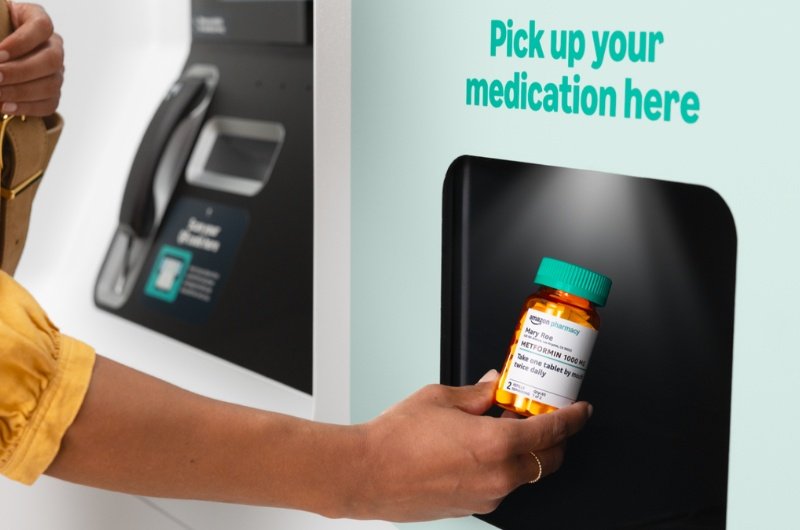
Amazon will begin filling select prescriptions at electronic kiosks inside One Medical primary-care clinics, starting in Los Angeles this December. The pilot focuses on common, non-refrigerated medications—think antibiotics, asthma inhalers, and blood-pressure treatments—and includes a virtual pharmacist consult at the kiosk. It’s the company’s first in-person pickup option for pharmacy, which until now has leaned on delivery. By placing inventory closer to patients, Amazon aims to cut shipping costs and speed up urgent fills, while keeping the footprint small enough to slot into existing clinics. Access isn’t limited to members: while One Medical runs a membership model, non-members can still book appointments and use the kiosk. Amazon says it plans to expand outside California in 2026, and is also talking with external health systems about partnerships. The kiosks won’t handle refrigerated drugs—such as popular GLP-1 weight-loss medications—or tightly controlled pain medicines. Inventory will be tailored to each clinic. Why it matters If the pilot works, expect these pharmacy kiosks to show up wherever Amazon already sees patients—tightening the loop between clinic visit → prescription → pickup and giving the company a new lever on convenience and cost in healthcare.
AI in Healthcare Is Accelerating — but Oversight Remains Critical

Hospitals and research institutions are embracing AI-driven tools to improve patient care and streamline operations — but experts warn that oversight must evolve just as quickly. Across the healthcare landscape, artificial intelligence is no longer a side experiment — it’s becoming standard practice. From diagnostics and clinical trials to hospital logistics, the industry’s embrace of AI is accelerating, driven by the promise of faster decision-making and improved patient outcomes. Hospitals are deploying AI systems to assist with early disease detection, radiology scans, and triage prioritization. At the same time, healthcare networks are exploring predictive algorithms to manage staffing, supply chains, and resource allocation. The goal is efficiency without compromise — and a shift toward proactive care instead of reactive treatment. Industry leaders caution, however, that AI’s rapid integration carries inherent risks. Concerns range from data privacy and model transparency to the ethical implications of machine-led diagnostics. Regulators and medical boards are under increasing pressure to establish guardrails that can balance innovation with accountability. One company drawing attention is Ryght AI, which is showcasing its AI-powered clinical research platform at HLTH 2025. The system is designed to automate trial workflows and improve accuracy in patient recruitment — potentially shortening the path from discovery to approval for life-saving treatments. Despite the challenges, healthcare executives view AI as indispensable to the sector’s future. With aging populations, rising costs, and staff shortages, the technology’s ability to analyze vast datasets and reveal patterns invisible to humans is reshaping how modern medicine defines “care.” Final Word AI’s presence in healthcare is expanding fast — but success will depend on whether innovation can keep pace with regulation, and whether the human touch remains at the center of it all.
Lighten Up — Enjoy Ranch Dressing Again

For many people, ranch dressing is a guilty pleasure. Creamy, tangy, and addictive — but also a calorie bomb. A traditional homemade batch made with ranch salad dressing seasoning, mayonnaise, and buttermilk can add up to nearly 890 calories in total. That’s more than some full meals. But a new, healthier version of ranch is trending on social media — and this one lets you enjoy the flavor without the calorie overload. The Traditional Recipe Hidden Valley’s iconic recipe calls for: 1 cup mayonnaise 1 cup buttermilk or milk 1 seasoning packet Calories add up quickly. The mayo alone brings in about 800 calories, the buttermilk around 60–70, and the seasoning about 30. Delicious, yes — but diet-friendly, not quite. The Lighter Ranch: A Trending Alternative The healthier recipe swaps heavy ingredients for high-protein, low-fat options: 1 tbsp Hidden Valley Ranch seasoning ¾ cup nonfat or light Greek yogurt 2 tbsp fat-free mayo 1½ tbsp skim milk 1 tbsp fresh dill Juice of ½ lemon The entire batch clocks in at just 150 calories — with 20 grams of protein, 15 grams of carbs, and only 1 gram of fat. That’s fewer calories in the whole batch than in a single serving of traditional ranch. Why It Works Greek yogurt provides creaminess and protein, the lemon juice adds brightness, and dill brings fresh flavor. Together, they deliver the ranch taste people love — without the calorie baggage. Stored in a squeeze bottle, this lighter ranch keeps in the fridge for up to 7 days, making it easy to drizzle on salads, veggies, or even grilled chicken. Final Words Food swaps like this show how small changes add up. By tweaking one of America’s favorite dressings, you can cut calories, boost protein, and still enjoy what you crave. It’s not about giving up flavor — it’s about upgrading it.
Mind After Midnight: Why Late Nights Can Hurt Your Mental Health
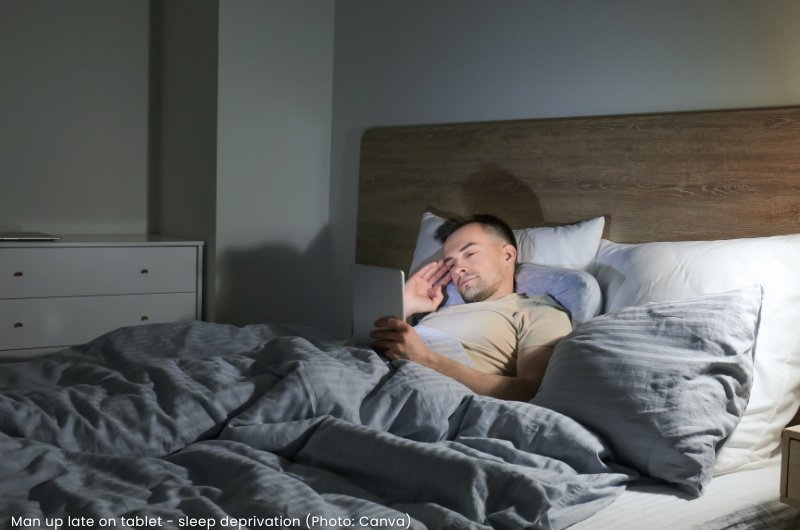
Sleepless Nights Could Be Sabotaging Your Mental Health. A new Stanford Medicine analysis, published in August 2025, explores the complex, bidirectional relationship between sleep and mental health. The takeaway: poor sleep can deepen mental health issues, and those same issues can further disrupt sleep — forming a feedback loop that may entrench both conditions. Key findings from the report include: Insomnia and sleep apnea carry strong ties to depression and anxiety. People with insomnia are about 10× more likely to experience depression and 17× more likely to have anxiety, while those with sleep apnea face roughly a threefold increase. It’s not just how much you sleep — timing matters, too. Going to bed earlier and waking earlier was linked to better mental health, even for “night owls.” Research suggests that late bedtimes are associated with higher risks of depression and anxiety, regardless of one’s natural chronotype. “Mind after midnight” may amplify poor decisions and stress. After midnight—when social constraints drop and sleep drive weakens—the brain is more prone to rash decision-making and negative emotional loops, which may contribute to mental health strain. Which came first — sleep trouble or mood disorder? In some cases, underlying brain disruptions could manifest first as insomnia and then later as mood disorder—or both may stem from the same root cause. Cognitive Behavioral Therapy for Insomnia (CBT-I) shows promise. Interventions aimed at improving sleep—especially CBT-I—have been associated with better mental health outcomes, including reduced depressive symptoms. Improvements in sleep quality often precede mood improvements in these interventions. Why it matters With more than one in three U.S. adults and nearly 80% of teens failing to get enough sleep, alongside rising mental health concerns, Stanford researchers argue that tackling sleep issues could be a powerful, yet underused, lever for improving overall well-being. The Takeaway Sleep is an active player in mental health. If your sleep is regularly disturbed, it could be contributing more than just daytime fatigue. It might be amplifying anxiety, depression, or other mood disorders. And once mood problems set in, they can make sleep even harder, creating a loop that’s tough to break. Routines that emphasize consistent bedtimes, sleep-focused behavioral therapy, and careful attention to mental health can help “reset” this feedback cycle. How’s your sleep hygiene? Does it need an adjustment?
Quick Workouts Pack a Powerful Punch

A growing body of research is confirming what time-starved professionals have long suspected: less really can be more when it comes to fitness. Scientists studying high-intensity interval training (HIIT) found that even brief workouts — some lasting only 10 minutes — can deliver measurable improvements in cardiovascular health, strength, and endurance. The findings mark a shift away from the idea that only long gym sessions drive real results. Instead, researchers say short bursts of intense activity, such as sprint intervals or compact bodyweight circuits, can stimulate the same physiological responses as much longer workouts. For many, that makes the difference between skipping exercise altogether and fitting it into a busy schedule. The trend is catching on with fitness brands and app developers, who are rolling out “micro-workout” programs designed to be completed during coffee breaks or lunch hours. Streaming platforms are also seizing the opportunity, offering quick HIIT sessions and yoga flows that promise maximum benefits in minimum time. Still, experts caution that intensity is key — casual stretching or slow movement won’t provide the same impact. Short workouts only work if they push the body close to its limits, and they should be paired with recovery and proper nutrition for the best outcomes. For consumers, the science is reassuring: fitness doesn’t have to mean hours at the gym. In fact, consistency with short, targeted sessions could be one of the most sustainable paths to long-term health and well-being.