

A Simple Blood Test Could Detect Alzheimer’s Years Earlier — And It’s Getting Closer to Reality

Detecting Alzheimer’s disease has long required expensive brain scans or invasive procedures, often after symptoms have already begun to appear. But new research suggests that may soon change, with scientists developing blood tests capable of identifying early signs of the disease years in advance. These tests focus on specific biomarkers in the blood, including proteins linked to the buildup of amyloid plaques and tau tangles in the brain — hallmarks of Alzheimer’s. In recent studies, some of these tests have shown promising accuracy, raising the possibility of earlier and more accessible diagnosis. The potential impact is significant. Earlier detection could allow patients to begin treatments sooner, participate in clinical trials, and make more informed decisions about their long-term care. It may also give researchers a better opportunity to study the disease before it progresses. While the science is advancing quickly, experts caution that these tests are still being refined and are not yet widely available for routine use. Questions remain around standardization, accessibility, and how results should be interpreted in clinical settings. Even so, momentum is building. As research continues, a simple blood test could become one of the most important tools in the fight against Alzheimer’s — shifting the focus from late-stage diagnosis to early detection and prevention.
Could a Shingles Shot Lower Dementia Risk?
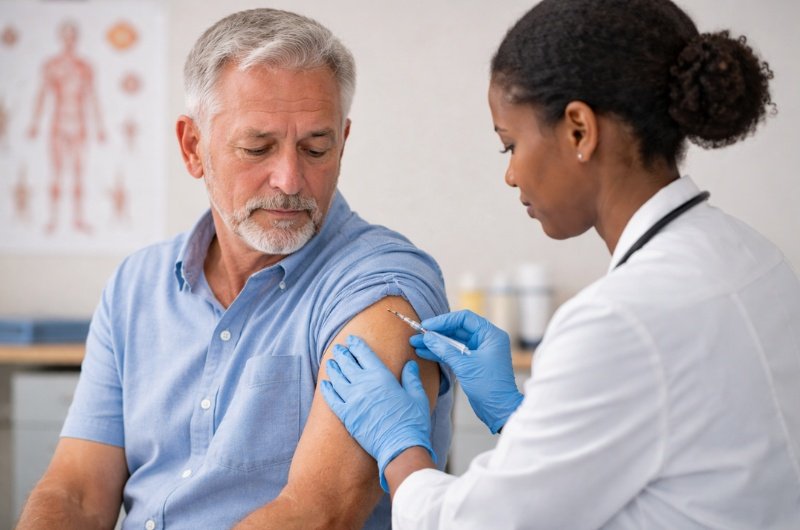
Can a routine vaccine do more than prevent illness—and actually help protect the brain? Emerging research suggests that the shingles vaccine may be linked to a significantly lower risk of dementia, adding to a growing body of evidence connecting immune health to long-term cognitive function. In one recent study, individuals who received the latest Shingrix vaccine showed a notably lower risk of developing dementia compared to those who were not vaccinated. The findings held even after accounting for differences in lifestyle, income, and overall health, pointing to a potentially meaningful connection between vaccination and brain health. Researchers believe there are a couple of possible explanations. One theory is that certain viruses, including the one responsible for shingles, may quietly contribute to long-term inflammation in the body—a process that has been linked to cognitive decline. By preventing reactivation of the virus, the vaccine may reduce that underlying stress on the immune system. Another possibility is that vaccines may have broader effects beyond their primary purpose, helping the immune system function more efficiently in ways that extend to other areas of health, including the brain. While scientists caution that more research is needed to fully understand the relationship, the implications are notable. At a time when effective strategies for preventing dementia remain limited, even the possibility that a widely available vaccine could play a role is drawing increased attention.
Wellness in 2026: Personalized Health, Mental Fitness, and Everyday Rituals Take Center Stage

As we settle into 2026, wellness has moved well beyond fad diets and sporadic gym visits — it has become a daily, personalized practice rooted in science, measurable outcomes, and holistic wellbeing. Across nutrition, movement, stress management, and recovery, consumers are prioritizing habits and routines that support long-term vitality rather than quick fixes. One of the most significant shifts is personalization. People increasingly seek health strategies tailored to their unique biology, using data from wearables, biomarker tracking, and personalized nutrition plans to guide decisions. Tools that monitor sleep quality, stress levels, heart rate variability, and metabolic markers are becoming commonplace in everyday health routines, helping individuals create custom plans that reflect their goals and lifestyles. Nutrition itself continues to evolve, with an emphasis on foundational health drivers like gut health, balanced metabolism, and functional foods. Experts note that priorities like fiber, protein-rich diets, and whole-food choices are no longer niche interests — they are mainstays of everyday eating habits as consumers seek better digestion, sustained energy, and immune support. The wellness picture in 2026 also embraces mental fitness as a core component of health. Practices that support emotional resilience — from breathwork and micro-meditation to nervous-system regulation techniques — are gaining traction alongside physical fitness routines. Rather than viewing stress management as an afterthought, many people are integrating intentional mental-wellbeing practices into their day. Finally, holistic wellness is increasingly about daily rituals and mindful living. Consumers are carving out time for breathing exercises, intentional rest, nature-based activity, and quality sleep as essential parts of their routines. This trend toward grounding and presence reflects a broader cultural shift: wellbeing is now seen as a balance of body, mind, and lifestyle that must be woven into everyday life.
More Families Are Choosing Home Births — and Rethinking How Care Should Feel

A growing number of American families are choosing home births, signaling a broader shift in how people think about healthcare, autonomy, and trust in medical systems. While hospital births remain the standard for most families, the quiet rise in home deliveries reflects changing expectations around comfort, control, and personalized care. For many parents, the decision is not about rejecting modern medicine but about seeking an experience that feels less clinical and more personal. Advocates of home birth often point to continuity of care, fewer medical interventions, and a calmer environment during labor and delivery. Certified midwives and home-birth providers emphasize close monitoring, individualized birth plans, and long-term relationships built throughout prenatal care. The trend also mirrors wider dissatisfaction with parts of the healthcare system. Rising costs, rushed appointments, and concerns about unnecessary procedures have led some families to explore alternatives that offer greater involvement in decision-making. In this context, home birth is increasingly viewed not as a fringe option, but as part of a broader move toward patient-directed care. Medical professionals remain divided. Many obstetricians stress that hospitals provide essential resources during emergencies, while others acknowledge that properly screened, low-risk pregnancies can result in safe outcomes outside traditional settings. The discussion highlights a larger tension in modern healthcare — balancing safety, cost, and patient choice. The Readovia Lens The growing interest in home births reflects more than changing preferences around childbirth. It points to a wider desire for care that feels personal, respectful, and aligned with individual values. As families rethink where and how they receive care, conversations about choice, comfort, and trust are shaping healthcare decisions well beyond the delivery room.
How Prolonged Stress Is Quietly Affecting Physical Health

Doctors across a range of specialties say more patients are showing up with physical symptoms that trace back to prolonged stress — even when anxiety is not the primary complaint. From disrupted sleep to digestive problems and rising blood pressure, clinicians describe a pattern that reflects how sustained strain on the body is increasingly showing up in everyday medical visits. Sleep issues are among the most common concerns. Many patients report difficulty falling asleep, staying asleep, or feeling rested, even without obvious lifestyle changes. Physicians note that chronic stress can interfere with the body’s ability to fully power down, keeping stress hormones elevated well into the night and disrupting natural sleep cycles. Cardiovascular and digestive symptoms are also frequently reported. Elevated blood pressure, persistent fatigue, acid reflux, and inflammation-related discomfort are often discussed in connection with ongoing stress rather than a single underlying illness. In many cases, patients are surprised to learn how strongly stress can affect systems far beyond mood or mental health. Doctors say what makes these cases challenging is that symptoms often appear gradually. Rather than a sudden health event, patients experience a slow accumulation of physical strain — shaped by work pressures, financial uncertainty, environmental stressors, and constant digital engagement. Over time, the body adapts in ways that can quietly undermine overall well-being. Clinicians emphasize that recognizing stress as a contributing factor is not about assigning blame or oversimplifying health concerns. Instead, it reflects a broader understanding of how interconnected physical and mental health truly are. As doctors continue to observe these patterns in 2026, many say awareness — both among patients and providers — is becoming an essential first step toward prevention and care.
What Doctors Are Noticing About Patients in 2026

Doctors across the U.S. say many patients are arriving at appointments more informed and more thoughtful about their health than in the past, prompting a growing conversation about whether patients are, in fact, becoming smarter in how they approach care. Rather than focusing solely on symptoms or prescriptions, patients are increasingly asking deeper questions about prevention, long-term outcomes, and lifestyle choices. Many reference insights from wearable devices, health apps, or prior research, using that information to guide more meaningful conversations with their providers. Health professionals say this shift reflects broader changes in access to information and personal accountability. For many clinicians, the result has been more collaborative visits, with clearer expectations and shared decision-making around treatment plans. At the same time, doctors emphasize the importance of context. While better questions can lead to better care, not all health information found online is accurate or relevant. Providers increasingly see part of their role as helping patients interpret data and separate helpful insights from misinformation. The Readovia Lens The evolving dynamic between doctors and patients points to a broader shift toward proactive wellness rather than reactive care. As health tools and information become more accessible, the patient-provider relationship is increasingly built on partnership, trust, and informed dialogue.
Wegovy Releases Oral Weight Loss Pill, Expanding Access Through Amazon and Weight Watchers
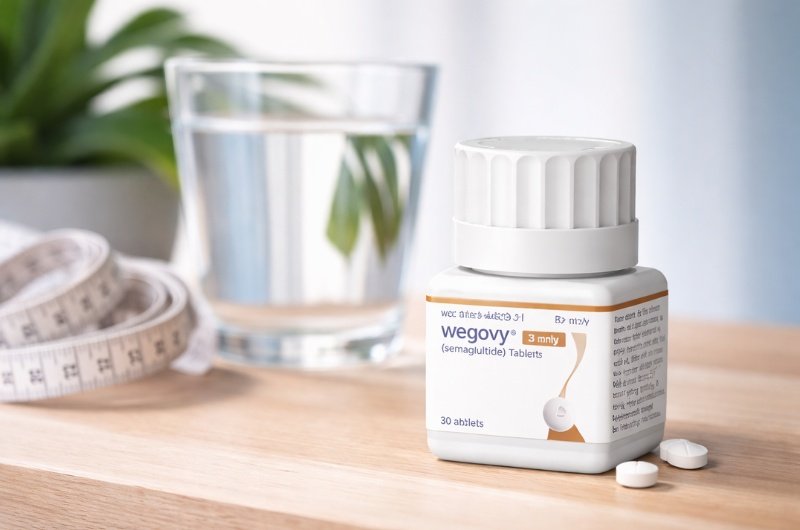
The company behind Wegovy has officially launched a new oral weight loss pill, marking a major shift in how prescription weight management treatments are delivered — and who can access them. The tablet form of Wegovy was approved by the U.S. Food and Drug Administration on December 22, 2025, and became broadly available in U.S. pharmacies on January 5, 2026. The pill is now offered through several online platforms, including Amazon Pharmacy and Weight Watchers, allowing patients to obtain treatment without injections. Pricing varies depending on coverage. With insurance, some patients may pay as little as $25 per month, while cash-paying options reportedly begin around $149 per month, according to Amazon. The expanded access is expected to appeal to patients who previously faced cost, convenience, or delivery barriers. Until now, Wegovy had only been available as a once-weekly self-injection, first approved for weight management in 2021. The new oral version offers a daily pill alternative for patients who prefer tablets over injections and is reported to have a similar efficacy profile to the injectable form. Health experts caution that prescription weight loss medications are not intended as quick fixes. Proper medical screening, ongoing supervision, and lifestyle changes remain essential components of safe and effective treatment. As access expands through digital platforms, questions around long-term use, affordability, and responsible prescribing are likely to remain in focus. The launch also underscores a broader shift toward digital-first healthcare, as major retailers and wellness brands play a growing role in prescription delivery. With demand for medical weight management continuing to rise, the oral option may significantly widen adoption — while reshaping how patients engage with care.
The Quiet Mental Health Shift Changing How Americans Approach Fitness

A growing shift is becoming clear: movement does something medication and motivation alone often can’t — it steadies the mind. For much of the modern era, fitness in America has been framed around discipline, performance, and visible results. But something quieter has been unfolding. Increasingly, people are moving their bodies not to change how they look, but to reduce mental noise, sharpen focus, and regain clarity. What many are discovering is that movement does more than strengthen the body. It plays a direct role in mental steadiness. Physical activity helps regulate stress, improve sleep, and create cognitive relief — effects that support clearer thinking and sustained focus. Importantly, these benefits don’t require punishing routines. Consistent, moderate movement often provides the same mental clarity without the burnout. That realization is reshaping how people approach fitness. Walking, stretching, low-impact strength training, and gentle cardio are no longer seen as “not enough.” For many, they are exactly enough. The goal has shifted from pushing limits to creating mental stability — choosing movement that supports clarity rather than adding another source of pressure. Mental clarity has become a valid reason to exercise. People are moving to reset after long days, think more clearly, and steady their thoughts during stressful moments. Just as important is knowing how to respond to those signals — when to slow down, when to move, and when to rest — as part of maintaining a clearer, more resilient mind. What’s emerging is a more supportive definition of health — one that treats movement as a tool for mental clarity rather than punishment. It’s a quieter approach, but one that’s resonating. And for many people, it’s finally making fitness feel sustainable.
U.S. Faces Early, Severe Flu Surge as ‘Super Flu’ Strains Hit Multiple States

The United States is facing an unusually early and aggressive flu season, with what health officials are calling a “super flu” strain driving sharp increases in cases and hospitalizations. Several states are reporting influenza activity far above normal levels for December, raising concerns as holiday travel accelerates. Hospital admissions for influenza have climbed rapidly in recent weeks, prompting heightened alerts at medical centers nationwide. States in the Mountain West, South, and Northeast — including Colorado, Louisiana, and New Jersey — are seeing some of the fastest growth in flu-like illness. Early analysis suggests the dominant H3N2 strain may be spreading more easily this season, contributing to the nationwide surge. Millions Already Affected Nearly 3 million Americans are believed to have fallen ill so far, with the overall burden continuing to rise ahead of the typical January–February peak. Hospitals in several regions report increased admissions among older adults and young children, who remain most vulnerable to severe illness and complications. Symptoms and What to Watch For Symptoms of the circulating strain mirror classic influenza signs — fever, persistent cough, body aches, headaches, congestion, and fatigue — but clinicians note that some patients are experiencing more severe respiratory symptoms than usual. Health professionals are urging people to seek early testing and treatment, especially those at higher risk. Health Officials Urge Prevention Public health officials continue to emphasize vaccination for anyone six months or older who hasn’t yet received a flu shot. Even when the circulating strain evolves, vaccination remains one of the most effective defenses, reducing the risk of severe illness and hospitalization. They also encourage simple preventive measures: washing hands regularly, staying home when sick, covering coughs and sneezes, and wearing a mask in crowded indoor settings if symptoms appear. A Potentially Difficult Holiday Season With millions of Americans traveling and gathering for the holidays, health experts warn the flu wave could intensify in the coming weeks. Hospitals nationwide are preparing for higher patient volumes as flu, RSV, and other respiratory viruses circulate concurrently.
New National Men’s Health Initiative Under Consideration

Federal health officials are weighing the creation of a national men’s health initiative, a move that could mark a significant shift in how the U.S. addresses longstanding health disparities affecting men across age groups. The proposal, currently under discussion within the Department of Health and Human Services, would aim to improve outcomes in areas where men consistently lag behind, including preventive care usage, chronic disease management, mental health support, and life expectancy. Men are statistically less likely than women to seek routine medical care, a pattern that health experts say contributes to higher rates of preventable illness and early death. Supporters of the initiative point to persistent gaps in screenings, vaccination rates, and early intervention, particularly among working-age men. Mental health has also emerged as a central concern, with men accounting for a disproportionate share of suicide deaths nationwide, despite being less likely to access counseling or treatment. If launched, the initiative could involve targeted public health campaigns, expanded research funding, and partnerships aimed at reducing stigma around men’s health and encouraging earlier engagement with healthcare providers. Officials have emphasized that the effort would complement existing public health programs rather than replace them. While still in the exploratory phase, the proposal reflects a growing recognition that one-size-fits-all health strategies may fail to address gender-specific risks and behaviors. Any formal rollout would require further review and coordination, but the discussion itself signals a broader shift toward more tailored approaches to public health in the U.S.