

The Growing Appeal of Strength Training After 40

Strength training has become an important part of many adults’ wellness routines as they look for practical ways to stay active, preserve muscle, and support long-term health. While activities like walking, cycling, and swimming offer excellent cardiovascular benefits, resistance exercises help build and maintain the muscle that supports balance, mobility, and everyday independence. As people get older, muscle mass naturally declines, making strength training an increasingly valuable part of a healthy lifestyle. The benefits go well beyond appearance. Regular strength training can improve posture, support bone health, boost metabolism, and make routine tasks—from carrying groceries to climbing stairs—feel easier. It may also help reduce the risk of falls by improving stability and coordination. Another advantage is that getting started doesn’t require an expensive gym membership or heavy equipment. Bodyweight exercises, resistance bands, and light dumbbells can all provide meaningful benefits when used consistently. Even two or three strength-training sessions each week can make a noticeable difference over time. Many adults are also discovering that building strength improves confidence and energy levels. Feeling physically capable can encourage people to stay active, participate in hobbies, travel more comfortably, and maintain an independent lifestyle as they age. The key is to focus on proper technique and gradual progress rather than lifting the heaviest weights possible. Small, consistent improvements often lead to the best long-term results while reducing the risk of injury. For anyone with an existing medical condition or who has been inactive for an extended period, it’s a good idea to speak with a healthcare professional before beginning a new exercise program. The rewards of strength training extend far beyond the gym, supporting mobility, confidence, and a higher quality of life for years to come.
New Heart Health Guidance Focuses on Everyday Eating Habits

For years, Americans have been inundated with diet trends, superfoods, and conflicting nutrition advice. New guidance from the American Heart Association is encouraging a simpler approach: focus less on individual foods and more on building consistent eating habits that support long-term heart health. The updated recommendations emphasize overall dietary patterns rather than chasing the latest nutrition trend. The American Heart Association continues to encourage diets rich in fruits, vegetables, whole grains, legumes, nuts, and lean sources of protein while limiting highly processed foods that often contain excess sodium, added sugars, and unhealthy fats. The guidance reflects a growing body of research suggesting that long-term eating habits may play a greater role in heart health than any single food or supplement. Rather than focusing on short-term diets, health professionals increasingly recommend sustainable changes that can be maintained over time. Another notable aspect of the guidance is its position on alcohol. While moderate alcohol consumption was once viewed by some as potentially beneficial for heart health, the American Heart Association says current evidence does not support drinking alcohol for health reasons. Instead, the organization continues to emphasize proven lifestyle factors such as healthy eating, regular physical activity, adequate sleep, and avoiding tobacco use. The recommendations arrive at a time when heart disease remains the leading cause of death in the United States. Health experts say small, consistent improvements in daily habits can help reduce risk factors and support better long-term cardiovascular health. For many people, the takeaway may be reassuring. Building a healthier diet does not necessarily require expensive supplements, complicated meal plans, or restrictive eating programs. Instead, lasting improvements often begin with simple choices made consistently over time. As nutrition advice continues to evolve, one message remains remarkably consistent: healthy eating is less about perfection and more about establishing everyday habits that support long-term wellness.
More American Men Are Embracing Preventive Health — And Doctors Say That’s a Good Thing

More men across the United States are beginning to take preventive health more seriously, a shift doctors say could help improve long-term health outcomes and encourage earlier detection of potentially serious conditions. For years, healthcare experts have warned that many men are less likely to schedule routine checkups, discuss mental health concerns, or seek medical attention early when symptoms appear. But physicians say attitudes are gradually beginning to change as more men focus on longevity, energy levels, stress management, and overall quality of life rather than waiting until a health issue becomes urgent. The shift comes at an important time. Heart disease remains the leading cause of death among men in the United States, while high blood pressure, diabetes, elevated cholesterol, and certain cancers continue to affect millions of Americans each year. Doctors say regular screenings and preventive care can often identify problems earlier, when treatment options may be more effective. Mental health is also becoming a larger part of the conversation. Physicians and wellness experts say more men are openly discussing stress, burnout, anxiety, sleep problems, and emotional fatigue than in previous generations. While stigma still exists, growing awareness surrounding mental wellness is helping some men become more proactive about their overall health. At the same time, many men are increasingly embracing practical lifestyle changes tied to long-term wellness, including walking, strength training, healthier eating habits, better sleep routines, and regular medical visits. Men over 50 are increasingly displaying active lifestyles directly in their dating app profiles, with many highlighting gym routines, fitness habits, and workout schedules that can reach three to four times per week — a shift that is often visible not only in profile descriptions, but in the photos themselves. The trend reflects how wellness, longevity, and physical health are becoming a growing part of modern male identity later in life. Doctors say prevention does not require perfection — consistency and awareness often matter more than extreme health trends. The Readovia Lens A quiet cultural shift may be underway. For generations, many men were taught to ignore discomfort, avoid vulnerability, and “push through” health concerns. Increasingly, however, more men are beginning to view preventive care not as weakness, but as a form of long-term strength, responsibility, and self-awareness.
Why More People Are Tracking Their Stress Like a Vital Sign
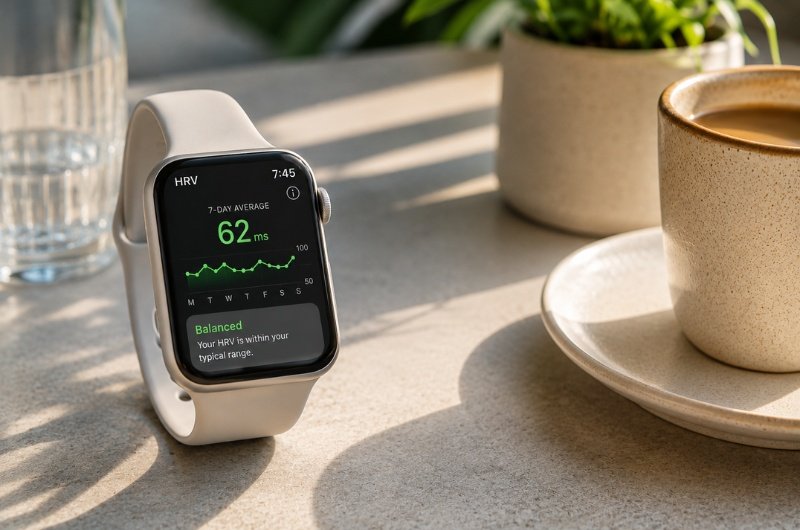
Heart rate variability is becoming one of the wellness world’s most closely watched numbers, as smartwatches, fitness rings, and recovery apps push stress tracking into everyday life. Known as HRV, the metric measures small variations in time between heartbeats. While that may sound technical, researchers have long viewed HRV as a window into the autonomic nervous system, which helps regulate the body’s response to stress, rest, recovery, and physical strain. Research has also explored HRV monitoring as a way to better understand stress patterns tied to burnout and overall recovery. The growing interest is being fueled by wearable devices that now place HRV alongside sleep scores, resting heart rate, steps, and recovery data. For many users, the appeal is simple: stress can feel invisible until it shows up as exhaustion, poor sleep, irritability, or illness. HRV gives people a way to observe daily signals that may affect overall wellness. Experts caution, however, that HRV should not be treated like a universal scorecard. A “good” number can vary widely based on age, genetics, fitness level, sleep, illness, medication, alcohol use, and everyday stress. Instead, many wellness professionals say the more useful pattern is personal — whether someone’s HRV is rising, falling, or remaining unusually low compared with their own baseline. That may be one reason HRV is gaining traction beyond athletes and biohackers. In an era shaped by burnout, overstimulation, and always-on work culture, more people are looking for ways to better understand how stress may be affecting the body before it becomes impossible to ignore.
CDC Signals Ongoing Measles Risk as Cases Approach 1,800 Nationwide
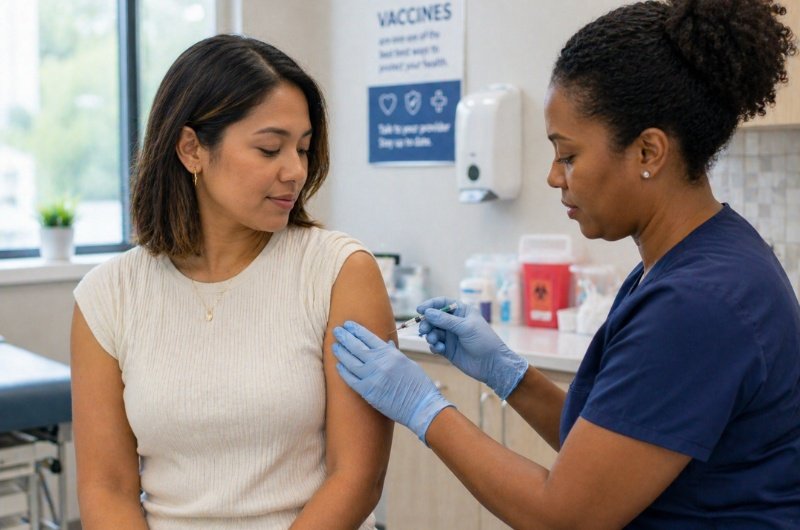
As of April 23, 2026, 1,792 confirmed measles cases have been reported across the United States, according to the Centers for Disease Control and Prevention, as health officials warn that additional infections are likely in the months ahead. The agency says the virus—one of the most contagious in the world—continues to circulate in multiple states, with most cases linked to individuals who are unvaccinated or whose vaccination status is unknown. The CDC is urging state and local health departments to remain vigilant, with a focus on early detection, contact tracing, and outreach to communities with lower vaccination rates. Travelers returning from affected areas are also being advised to monitor for symptoms for up to three weeks and seek medical care if concerns arise. For families, the guidance is straightforward. Vaccination remains the most effective protection, and in some cases, infants traveling to higher-risk areas may be eligible for an early dose ahead of the standard immunization schedule. While most people in the U.S. are protected through routine vaccination, the rise in cases serves as a reminder of how quickly preventable diseases can reemerge when coverage declines. With infections continuing to surface, public health officials say awareness and timely response will be key to limiting further spread.
Nervous System Wellness Is Trending as Stress and Burnout Reshape Health Habits

A growing number of people are focusing on “neurowellness” in 2026 as stress, burnout, and digital overload continue to shape daily life. What was once a niche wellness concept is moving into the mainstream, with more attention on habits designed to help the body shift out of constant fight-or-flight mode, including naps, breathwork, walking, and calmer daily routines. The trend includes both simple routines and higher-tech tools. Breathwork, walking, yoga, better sleep habits, and mindfulness practices remain popular, while interest is also rising in wearables and recovery devices aimed at relaxation and resilience. Health experts increasingly point to chronic stress as more than a mental burden. It can affect sleep, focus, mood, energy, and long-term physical health. That has helped make nervous system regulation one of the more practical wellness conversations of the moment. The Takeaway For readers, the takeaway may be refreshingly simple: wellness does not always have to mean extreme routines or expensive upgrades. Sometimes it starts with calmer mornings, less screen time, deeper breathing, and giving the body a chance to decompress and recover.
Millions on Medicaid Could Face New Work Rules as States Await Federal Guidance

A major Medicaid policy shift is moving closer to reality, with states across the country waiting for federal instructions on how to implement new work requirements that could affect millions of Americans who rely on the program for health coverage. The changes are scheduled to begin in 2027, but many of the most important details are still unresolved. Under the new framework, some adults may need to document a set number of monthly hours through employment, job training, volunteer service, or other qualifying activities in order to remain eligible. Exemptions are expected for certain groups, but states and insurers say they still need clearer rules on who qualifies and how verification should work. The challenge may go beyond policy. State agencies are expected to update computer systems, train staff, launch outreach campaigns, and process additional paperwork on tight timelines. Health policy experts warn that when systems become more complex, eligible people can lose coverage over reporting errors, missed notices, or confusion rather than true ineligibility. For families, the biggest question may be simple: what happens next? Because Medicaid is administered jointly by states and the federal government, the experience could look different depending on where someone lives. Some states may move quickly, while others may seek delays or phased rollouts. The Readovia Lens When healthcare rules change, uncertainty often arrives before the policy itself. For millions of households, the real issue may be whether they can keep the coverage they already depend on.
Sleep: The Overlooked Health Risk Hiding in Plain Sight
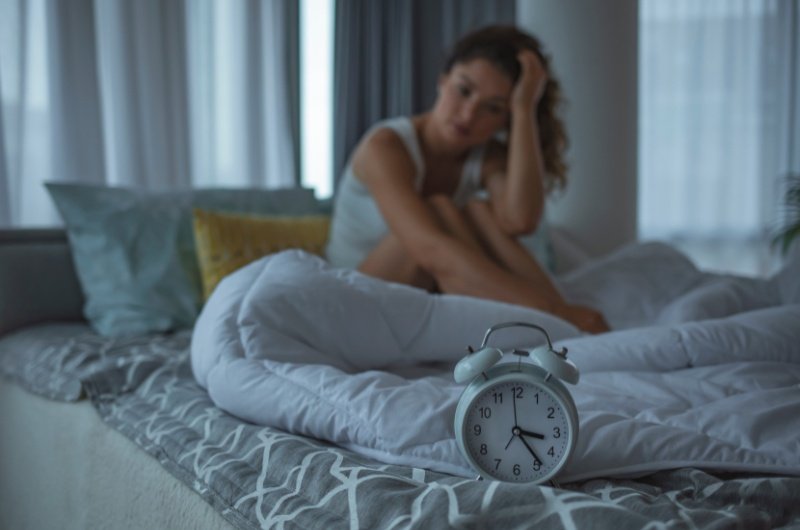
Sleep has always been a pillar of good health—but in today’s always-on environment, it’s becoming one of the most overlooked. Irregular sleep patterns and inconsistent routines are quietly affecting how people think, feel, and function throughout the day. While many focus on diet and exercise, sleep often gets pushed aside, treated as flexible rather than foundational. The effects add up quickly. Poor sleep can impact focus, mood, and energy levels, making even simple tasks feel more demanding. Health experts generally recommend around 7 to 9 hours of sleep per night for adults, yet many people consistently fall short of that range. Over time, inconsistent sleep can also influence broader health outcomes, including stress levels and overall well-being. What’s changing is awareness. More people are beginning to treat sleep as something to manage intentionally—setting consistent bedtimes, limiting screen exposure at night, and creating environments that support rest. It’s a shift that reflects a broader understanding of health. Performance during the day often starts the night before, and small changes to sleep habits can have a measurable impact on how people move through their routines. The Readovia Lens Sleep is one of the few health factors that affects everything else. When it’s consistent, it supports focus, decision-making, and energy. When it’s not, the effects tend to show up across multiple areas at once. As more people look for ways to improve how they feel day to day, sleep is becoming less of an afterthought and more of a priority.
Colon Cancer Is Rising in Younger Americans — And Doctors Don’t Fully Know Why

A growing number of younger Americans are being diagnosed with colorectal cancer, a disease once largely associated with older adults — and the shift is raising new concerns across the medical community. In recent years, doctors have reported a noticeable increase in cases among people in their 20s, 30s, and 40s. While colorectal cancer remains more common in older populations, the rise among younger adults has been steady enough to change how the disease is being understood. What makes the trend more concerning is how often it goes undetected early. Many younger patients don’t expect to be at risk, and early symptoms — such as persistent stomach pain, changes in bowel habits, or rectal bleeding — are sometimes overlooked or dismissed. That delay can allow the disease to progress before it is caught. At the same time, the underlying cause is still not fully clear. Researchers are examining possible links to modern lifestyle factors, including diet, processed foods, and environmental exposures. But so far, no single explanation has emerged, leaving doctors to track a pattern they don’t yet fully understand. Screening guidelines have begun to adjust in response, with recommendations now starting earlier than in the past. Still, awareness remains a critical gap, particularly among younger adults who may not see themselves as at risk. The rise in cases is a shift that challenges long-held assumptions about age and health. And as the data continues to evolve, one thing is becoming clear: early attention to symptoms and increased awareness may be just as important as advances in treatment.
Walking vs. Running: Which One Is Actually Better for Your Health?

If you’re trying to get in shape, one of the most common questions is also one of the simplest: should you walk or run? The answer depends on your goals — but research makes one thing clear: both can improve your health in meaningful ways. The difference comes down to time, intensity, and impact on the body. Running is the more time-efficient option. Studies show it can burn roughly 43% more calories per minute than walking, making it a stronger choice for weight loss and cardiovascular improvement. In fact, a short run can deliver similar benefits to a much longer walk — meaning if your schedule is tight, running gives you more return in less time. Long-term research also shows that runners tend to see greater reductions in body mass index (BMI) and waist circumference, along with a lower risk of conditions like high blood pressure, high cholesterol, and diabetes. In simple terms, running pushes the body harder — and often produces faster results. But walking holds its own, especially when it comes to accessibility and sustainability. As a low-impact exercise, it’s easier on the joints and better suited for beginners, older adults, or anyone recovering from injury. And while it may take longer to achieve the same calorie burn as running, walking still delivers strong, evidence-based benefits for heart health, blood pressure, and blood sugar control. The trade-off is time. A brisk walk may need to last longer to match the effects of a shorter run — but for many people, that trade-off is worth it if it means staying consistent and avoiding injury. That’s really the deciding factor. The best workout isn’t just about intensity — it’s about what you can maintain. A daily walk you stick with will outperform an ambitious running plan that fades after a few weeks. For those who want the best of both worlds, combining the two can be highly effective. Walking on recovery days and running on others allows you to build endurance while reducing strain on the body.