


Nutritionists Flag Risks in TikTok Gut-Health Hacks

TikTok’s latest wave of wellness trends has given rise to “GutTok,” a booming niche where influencers push protein coffee, collagen smoothies, and DIY concoctions promising gut repair. While the videos rack up millions of views, health experts are sounding the alarm: not every viral hack is safe, effective, or evidence-based. Nutritionists caution that many of these so-called gut-healing routines oversimplify complex digestive health issues. Protein-spiked coffee might disrupt hydration, while excessive fiber supplements or enzyme mixes can cause more problems than they solve. What’s missing, they say, is medical context—and a reminder that gut health isn’t a one-size-fits-all formula. The bigger concern is that TikTok trends often replace proven, sustainable habits with quick-fix fads. A balanced diet, adequate sleep, hydration, and stress management remain the real foundations of digestive wellness. Following influencer hacks without guidance can not only waste money but also risk long-term digestive discomfort or nutrient imbalances. For millions chasing shortcuts on social media, the message is clear: before you sip that “gut detox latte,” ask if the science stacks up—or if it’s just another fleeting trend wrapped in glossy content.
Health Insurance Premiums Likely to Rise in 2026

Analysts warn U.S. health insurance premiums are set to increase again in 2026, driven by higher care utilization, new drug costs, and broader system inflation. Employers may respond with narrower networks and higher deductibles, putting more strain on households already squeezed by everyday expenses. The rising costs are also expected to complicate negotiations during open enrollment season, with many families weighing whether employer-sponsored coverage still feels affordable. Between the Lines Even with headline inflation easing, the real cost of health care is heading up. GLP-1 drugs and pent-up demand are reshaping risk pools, meaning families could see slimmer coverage even if wages inch higher.
Pedaling Beyond the Bike: Peloton’s New Push Into Total Wellness

Peloton, once known almost exclusively for its high-intensity cycling classes and signature bikes, is steering into new territory — positioning itself as a holistic wellness brand. The company announced this week that it’s expanding beyond cardio into strength training, meditation, sleep improvement, and nutrition, signaling a broader shift from workout equipment to whole-life health. The move comes as Peloton continues to rebuild after years of turbulence. In its latest quarterly report, the company posted $607 million in revenue and steady subscriber growth, even as it announced another round of cost-cutting measures and its sixth round of layoffs. Leadership says the brand’s future rests on helping members “extend their health span,” focusing on quality of life rather than just physical performance. Peloton’s pivot taps into a growing wellness trend that blends physical fitness with mental health and lifestyle support. By integrating mindfulness practices, recovery tools, and AI-driven coaching into its platform, the company is betting that its community will see Peloton less as a workout subscription — and more as a daily health partner. Whether this rebrand will redefine the competitive fitness market remains to be seen, but one thing is clear: Peloton is riding into a space where exercise is just one piece of the wellness puzzle.
Ozempic for the Gut? New Research Points to a Surprising Benefit
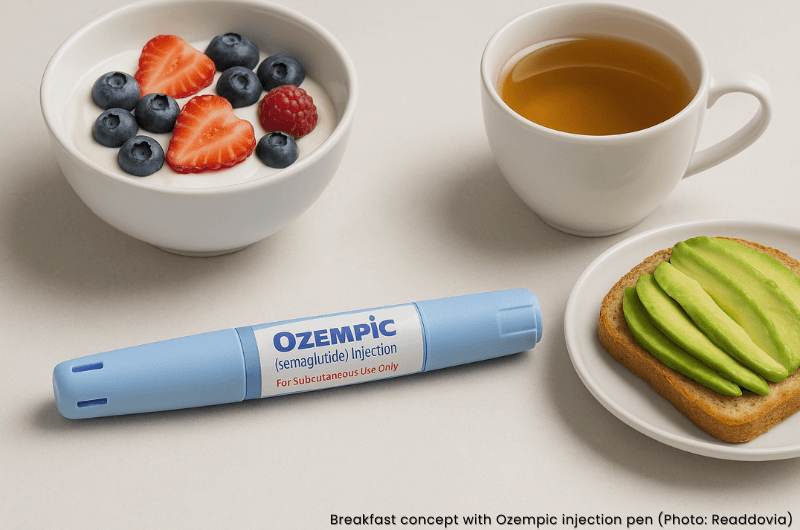
Most people know Ozempic and Wegovy as headline-grabbing weight-loss drugs. But emerging studies suggest these GLP‑1 medications might also impact the gut microbiome—not just waistlines. What the Research Actually Shows GLP‑1 receptor agonists—which mimic the hormone released by intestinal cells after meals—are well-known for slowing digestion, suppressing appetite, and helping with blood sugar control. Now, clinical data and lab research suggest these drugs may also alter gut bacteria, increase microbial diversity, and support an environment that reduces inflammation. In some cases, that means improved digestion, lower gut permeability, and better metabolic function overall. Some experts believe the drugs’ anti-inflammatory and microbiome effects may play a more central role in their overall benefits than previously thought. What Doctors Are Saying Many patients on GLP‑1 medications report less bloating, smoother digestion, and more energy stability—especially when paired with higher-fiber meals. While these benefits are still being researched, the early signs point to positive gut responses in some users. That said, more data is needed. What works for one microbiome might not work for another. Should You Try GLP‑1 Drugs for Your Gut? Only if you’re medically prescribed one. These are powerful prescription medications designed for diabetes and obesity—not probiotics in disguise. Side effects like nausea and constipation are common, and the long-term impact on the gut is still being studied. Some wellness brands are trying to sell GLP‑1–adjacent supplements, but don’t be fooled—none of them match the effect of the real thing. Readovia Rundown Claim What We Know Ozempic may reshape the gut microbiome Early signs show beneficial shifts in gut bacteria Reduces inflammation Shown to calm markers of gut-related inflammation Helps with digestion Many patients report less bloating, more regularity Not a gut health cure-all Still a prescription drug with serious medical use Supplements ≠ Ozempic Over-the-counter alternatives aren’t clinically comparable Bottom Line Ozempic and its cousins are changing more than just the number on the scale. While they’re not gut health treatments per se, they may offer unexpected digestive perks to those already prescribed the drugs. It’s a new frontier—but for now, still a side benefit, not the main event.
Weighted Walks: The Rise of “Rucking” Among Health-Conscious Americans

A trend once reserved for military training is now gaining mainstream appeal—and it’s walking with weight. Known as rucking, the practice involves strapping on a weighted vest or loaded backpack for everyday walks. It’s becoming especially popular among women aiming to improve muscle strength and bone health. Recent data shows sales of weighted vests have jumped over 50%, reaching $27 million in the year ending May 2025. Fitness experts highlight rucking’s ability to enhance posture and increase calorie burn while remaining low-impact and accessible. Emily McCarthy, co-founder of GORUCK, encourages beginners to start simply: “Fill it with household items—books, water bottles—and keep it by the door to wear while doing everyday tasks.” Doctors like Dr. Mary Claire Haver describe the trend as more than a fad, noting its long-term health benefits, especially for bone density. But caution is needed. Physical therapist Anna Hammond emphasizes that rucking isn’t a shortcut—it requires proper form and gradual progression to avoid injury. If you’ve been looking for a way to supercharge your walks without stepping into a gym, rucking may be the perfect next move—just be smart about weight, posture, and technique.
Hate Ozempic Injections? This New Weight-Loss Pill Might Be Your Game-Changer
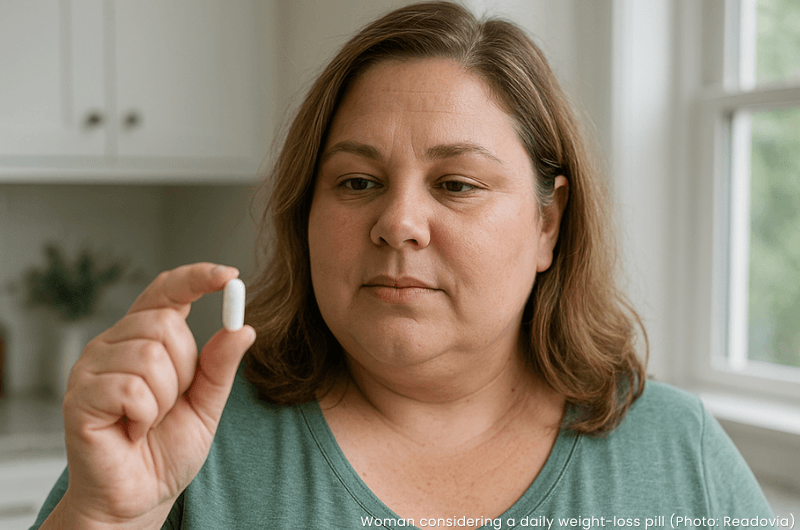
A new weight-loss pill from Eli Lilly could soon rival today’s most popular injectable drugs—without the needles. In a major Phase 3 study just unveiled, the pharmaceutical giant’s new oral drug, orforglipron, matched the performance of injectable heavyweights like Ozempic and Mounjaro for both weight loss and blood sugar control. And unlike those blockbusters, this one doesn’t require a needle—or a refrigerator. Participants taking the highest dose of orforglipron lost an average of 7.9% of their body weight over 40 weeks, edging out similar injectable treatments. A1C blood sugar levels dropped significantly, and side effects were on par with what’s already seen in the market: mostly nausea and occasional GI discomfort. Oral Convenience Disrupts the Needle Barrier This is where orforglipron could really change the game: it’s a pill. That alone could upend access, adoption, and equity in obesity care. No weekly injections. No refrigeration. No special storage. Just one tablet a day. It’s also easier to manufacture and distribute globally—making it far more viable in low-resource regions. For patients who are needle-averse (which, let’s be honest, is a lot of us), this format could be the deciding factor in starting and sticking with treatment. What This Means for the Market Fewer barriers = wider adoption. A pill could draw in patients who’ve resisted GLP-1s so far. Regulatory filings are coming. Lilly plans to seek approval for weight-loss use by late 2025. Other pharma players are on notice. Expect competitors to speed up their oral R&D pipelines—or scramble to catch up. The Takeaway Eli Lilly’s oral GLP-1 might not just compete with Ozempic and Mounjaro—it might redefine the space entirely. And while it’s not yet on shelves, the signal is clear: the future of obesity and diabetes care may soon come in a bottle, not a syringe.
Protein Overload? What Your Body Actually Needs vs. What the Hype Sells

From protein chips and high-protein yogurt to shakes, bars, and powders, America is deep in a protein boom. It’s being marketed as the ultimate health hack — promising to build muscle, boost metabolism, and keep you full longer. But with protein-packed versions of everything lining grocery shelves, a question emerges: how much is too much? The Protein Push There’s no denying protein is essential. It supports muscle repair, hormone production, immune function, and energy. Fitness culture, especially, has pushed high-protein diets as the gold standard — and brands have responded, turning nearly every snack into a muscle-friendly option. But the average adult in the U.S. already gets more than enough protein through regular meals. For most sedentary adults, the Recommended Dietary Allowance (RDA) is about 0.8 grams per kilogram of body weight — that’s roughly 46 grams a day for women and 56 grams for men. Even active individuals don’t need to double those numbers unless they’re training heavily or bodybuilding. Is There Such a Thing as Too Much? Yes. While your body can handle moderate surpluses, excessive protein intake over time may strain the kidneys, especially in people with underlying health issues. High-protein diets can also crowd out other important nutrients — especially fiber — if they rely heavily on animal sources and supplements. For example, chasing 100+ grams of protein a day through shakes and bars might seem “fitfluencer-approved,” but it’s not necessary for most people. And if it comes at the expense of balanced nutrition, the long-term benefits start to shrink. Final Thought Protein is important — but it’s not a miracle macronutrient. Most people meet their daily needs with regular meals that include a mix of meat, dairy, legumes, eggs, grains, and vegetables. Instead of aiming for “as much as possible,” aim for enough — consistently, and from a variety of sources.
Ultra-Processed Foods Tied to Higher Risk of Depression, Study Finds
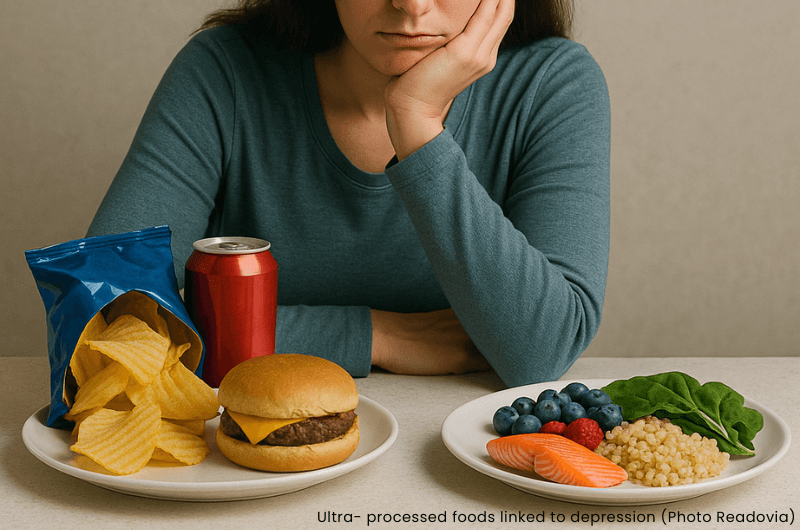
A recent study conducted by researchers from Harvard Medical School and Massachusetts General Hospital has found a significant link between high consumption of ultra-processed foods and an increased risk of depression among women. The study analyzed data from over 31,000 participants in the Nurses’ Health Study II, tracking dietary habits and mental health outcomes over a 14-year period. Participants who consumed the most ultra-processed foods—such as packaged snacks, sugary cereals, and processed meats—were found to have a higher incidence of depression compared to those who consumed the least. Notably, the study highlighted that artificial sweeteners and artificially sweetened beverages were particularly associated with increased depression risk. Researchers suggest that these foods may contribute to inflammation, disrupt the gut microbiome, and affect neurotransmitter function, all of which are factors implicated in depression. The findings underscore the importance of dietary choices in mental health and suggest that reducing intake of ultra-processed foods could be a modifiable risk factor for depression.
Strength Training Linked to Healthy Aging and Sharper Minds

It’s not just about fitness — it’s about staying sharp. A new wave of research is turning heads in the longevity space — and it’s not about pills, powders, or secret genes. It’s about strength training. A recent study led by Dr. Eric Topol at the Scripps Research Translational Institute examined over 1,400 adults in their 80s and beyond who exhibited remarkable cognitive and physical health. Dubbed “super agers,” these individuals shared one major commonality: a consistent routine of physical activity, particularly strength-based movement. The takeaway? It wasn’t superior genetics or lifelong luck — it was habit. Dr. Topol emphasized that regular strength training appeared to be the single most powerful intervention for preserving both mind and body well into later life. Unlike the grueling gym sessions often associated with the term, this kind of training doesn’t require heavy lifting or advanced equipment. In fact, many experts recommend simple movements using resistance bands, bodyweight, or light dumbbells a few times a week to build and maintain strength. The benefits are wide-ranging. Strength training supports bone density, stabilizes blood sugar, improves balance, reduces fall risk, and may even help ease symptoms of depression. The cognitive boost is equally impressive — research shows those who regularly engage in resistance exercises often report better focus, memory, and mental agility. As the science becomes clearer, the cultural shift is already underway. Strength isn’t just a fitness goal anymore — it’s a long-term health strategy. The Author
Beyond the Scale: Why Ozempic-Style Drugs May Reshape Modern Medicine
From Weight Loss to Whole-Body Health Originally created for diabetes, drugs like Ozempic, Wegovy, and Mounjaro have taken the health world by storm for their ability to help patients lose weight. But in 2025, scientists are discovering these medications could do far more than shrink waistlines. Doctors are now studying their effects on heart health, addiction, fertility, and even Alzheimer’s — signaling what may be the dawn of a new era in metabolic medicine. The Science Behind the Shift These medications belong to a class known as GLP-1 receptor agonists. They work by mimicking a hormone that helps regulate appetite, blood sugar, and digestion. The result? Less hunger More stable blood sugar Slower digestion, which leads to fewer cravings One woman who spoke to Readovia said she was prescribed Ozempic for her type 2 diabetes back in 2018. She wasn’t trying to lose weight — but year after year, the pounds fell off. “I just wasn’t very hungry,” she said. “I used to eat two or three slices of pizza. Now I’m lucky to finish one.” Treating More Than Obesity Clinical trials are now underway to explore these medications in treating: Heart disease and stroke prevention Polycystic ovary syndrome (PCOS) Alcohol and nicotine addiction Cognitive decline Sleep apnea and hormonal imbalances Some researchers are calling it a “metabolic reset button” — a way to address the root causes of multiple chronic conditions, not just the symptoms. But There’s a Catch These drugs are expensive, and insurance coverage remains uneven. One woman told Readovia she requested Ozempic — or a similar option — specifically for weight loss. While her doctor was supportive, the pharmacy later informed her that her insurance denied coverage for the prescription. Her experience isn’t uncommon, especially for patients seeking off-label use. There are reported side effects. Some users report nausea, fatigue, or muscle loss. And debate continues over who truly needs the medication — and who might be seeking a shortcut in a wellness-obsessed world. Still, the momentum is clear: Ozempic-style medications are no longer just about losing weight — they’re becoming a cornerstone of modern preventive medicine.