


When What Americans See Conflicts With What They’re Told

The killing of Alex Petti during a federal immigration operation in Minnesota over the weekend has ignited a familiar and deeply unsettling national debate: what happens when official statements do not appear to align with what the public can plainly see. In a press briefing following the incident, the Department of Homeland Security described a confrontation that, according to authorities, justified the use of deadly force. But video footage circulating online has prompted many Americans to question whether the events involving Petti unfolded as described. According to federal officials, Petti posed a threat during the operation and resisted law enforcement. Video recorded at the scene, however, appears to show a markedly different sequence of events, one that has fueled public skepticism and intensified scrutiny. The footage, widely shared and closely examined, has become central to how the public understands the incident, raising questions that extend beyond a single encounter. At the heart of the controversy is not only what happened in Minnesota, but how Americans are being asked to reconcile competing versions of reality. In an era where video evidence is often immediate and unavoidable, public trust increasingly depends on whether official narratives can withstand direct visual comparison. When there appears to be a gap between what authorities assert and what citizens believe they are seeing, confidence in institutions erodes quickly. Calls for transparency have grown in the days since the shooting. Civil rights advocates, community leaders, and several lawmakers are urging an independent investigation to establish a clear and verifiable account of the events. They argue that credibility cannot be restored through statements alone, but through an open process that allows evidence, including video, to be reviewed impartially. The incident also unfolds amid heightened national tensions surrounding immigration enforcement and the role of federal agents in local communities. For Immigration and Customs Enforcement, the moment underscores a broader challenge: maintaining public trust while operating in environments where nearly every interaction may be recorded, replayed, and questioned in real time. Ultimately, this case is not just about one operation or one life lost — it is about whether truth is established through evidence or dictated through statements, and whether public trust can survive when Americans are asked to doubt what they have already seen with their own eyes.
Credit Scores Explained: What Really Affects Your Score — and What Doesn’t

Credit scores play a central role in many financial decisions, from qualifying for a mortgage to securing favorable interest rates on loans and credit cards. Yet despite their importance, many consumers still misunderstand what actually influences their score — and what doesn’t. Here’s a clear breakdown of what truly matters when it comes to your credit score, and where common myths often lead people astray. What Really Impacts Your Credit Score Payment history remains the single most important factor in determining a credit score. Paying bills on time, every time, carries more weight than almost any other behavior. Even one missed payment can have a noticeable impact, especially if it becomes delinquent. Credit utilization is another major driver. This refers to how much of your available credit you’re using. High balances relative to your credit limits can signal risk to lenders, even if payments are made on time. As a general rule, using 30% or less of your available credit is often considered healthy, and keeping balances low relative to limits generally supports a stronger score. The length of your credit history also matters. Older accounts help demonstrate stability, which is why closing long-standing credit cards can sometimes do more harm than good. What Has Less Impact Than People Think Checking your own credit score does not hurt it. Soft inquiries, including those made when you review your own credit or receive pre-approval offers, have no impact on your score. Income level is also not a factor in credit scoring. While income may be considered by lenders during an application, it does not directly affect your credit score itself. Carrying a balance month to month is another common misconception. You do not need to pay interest to build credit. Paying your statement balance in full can still demonstrate responsible usage without incurring extra costs. Why Credit Scores Matter for Big Financial Decisions Credit scores influence the interest rates you’re offered, which directly affects long-term costs. A higher score can mean lower monthly payments and significant savings over time, especially for major loans like mortgages. Even modest improvements can make a meaningful difference. Understanding how scores work — and focusing on the factors that truly matter — is often more effective than chasing quick fixes. How to Strengthen Your Credit Over Time Improving a credit score is typically about consistency rather than speed. Paying bills on time, keeping balances manageable, avoiding unnecessary new credit, and maintaining older accounts can steadily strengthen your profile. It’s also important to remember that credit scores change over time. Short-term fluctuations are normal, and long-term habits matter far more than any single action. The Bottom Line Credit scores aren’t mysterious, but they are often misunderstood. Focusing on payment history, responsible credit usage, and long-term consistency can do far more for your score than reacting to myths or short-term swings. For consumers planning major financial moves — such as buying a home or refinancing debt — understanding how credit really works is one of the most practical financial tools available.
No Work, No School, No Shopping: Minnesota Residents Shut Down Daily Life in ICE Protest Blackout
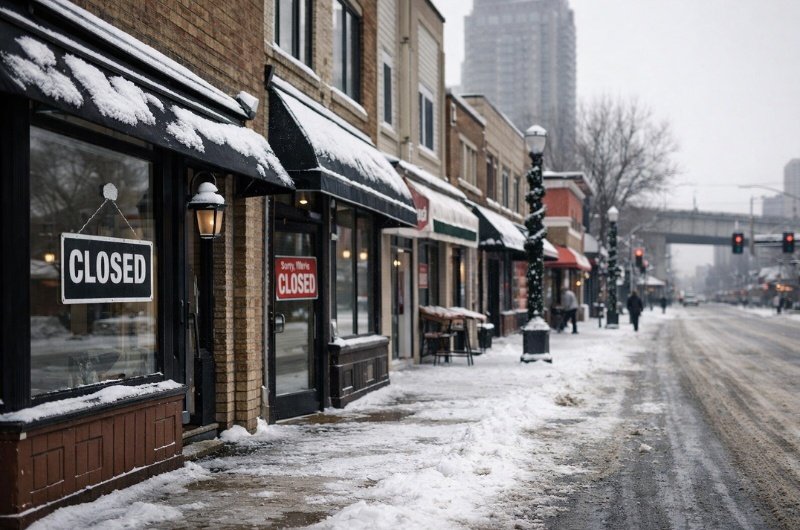
Parts of Minnesota slowed noticeably today as residents across the state participated in an “economic blackout,” a coordinated protest urging people not to work, shop, or attend school in response to increased federal immigration enforcement. The action, centered in the Minneapolis–St. Paul area but extending statewide, led to business closures, reduced foot traffic, and canceled activities. Some small businesses closed in solidarity, while others reported fewer customers as residents stayed home or joined demonstrations. Organizers say the goal is to show how closely immigrant communities are tied to Minnesota’s economy and daily life. Rather than focusing on marches alone, the blackout aims to apply economic pressure by pausing normal routines and highlighting the broader impact of immigration enforcement on local communities. Schools, transit schedules, and public services were affected in some areas as officials urged residents to remain cautious, especially with extreme winter weather conditions. Law enforcement agencies remained present, though most of the disruption has been economic rather than confrontational. Organizers say similar actions could spread to other states. As the day continues, the scale of participation may influence how businesses and policymakers respond to the growing debate over immigration enforcement and its economic consequences. ——————– Related: ICE Memo Sparks Uproar: Immigration Officers Authorized to Enter Homes Without Judicial Warrants Minnesota Sues Trump Administration Over Immigration Operations in Twin Cities Minnesota Seeks Answers After Fatal ICE Shooting in Minneapolis
U.S. Army Secretary Returns to Role as Russia-Ukraine Negotiator

The Trump administration has once again turned to the U.S. Army secretary, Dan Driscol, to play a central role in diplomatic efforts aimed at ending the war between Russia and Ukraine. The move places a senior military official back at the negotiating table as talks continue over the future of the nearly four-year conflict. President Donald Trump has increasingly relied on a small circle of trusted officials to represent U.S. interests in discussions involving Moscow and Kyiv. The Army secretary’s renewed involvement signals an approach that blends military perspective with diplomatic engagement as negotiations remain complex and unresolved. An Unconventional Diplomatic Role The position of Army secretary is traditionally focused on overseeing the administration, readiness, and operations of the U.S. Army. Direct participation in international peace negotiations is rare, making the role notable as talks continue to address some of the most difficult issues surrounding the war. The secretary has previously participated in negotiations related to the conflict, and this latest involvement suggests continuity in the administration’s strategy as discussions move forward. The talks are expected to focus on long-standing points of contention, including territorial control, security guarantees, and conditions for a potential ceasefire. High-Level Talks Continue Current negotiations are taking place alongside other senior U.S. envoys, as well as Russian and Ukrainian representatives. While details of the discussions have been closely held, the renewed participation of the Army secretary underscores the administration’s effort to maintain pressure for progress while keeping military considerations closely aligned with diplomatic objectives. Officials familiar with the talks have indicated that the discussions remain challenging, with both sides holding firm positions on key issues. Any potential breakthrough is expected to require further negotiation and sustained engagement. What Comes Next Despite continued dialogue, a comprehensive agreement has yet to emerge. Observers note that the path forward will likely involve incremental steps rather than a single sweeping resolution, as negotiators work to narrow gaps on security, sovereignty, and enforcement mechanisms. For now, the Army secretary’s return to the negotiating role reflects the administration’s ongoing attempt to balance diplomacy and defense expertise as the war enters another critical phase.
Trump Hosts Board of Peace Signing in Switzerland Amid Mixed Global Reactions
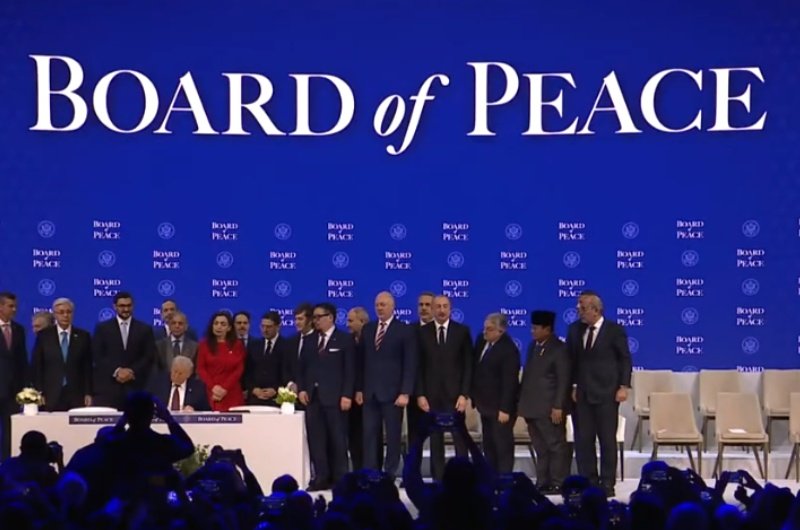
Davos, Switzerland — President Donald Trump today formally launched his new foreign-policy initiative, the Board of Peace, hosting a high-profile signing ceremony aimed at overseeing the reconstruction of Gaza and promoting long-term stability in conflict-affected regions. The ceremony, held during the World Economic Forum in Davos, marked the official debut of the Board, which the White House describes as a framework to restore dependable governance, promote peace, and coordinate post-conflict rebuilding efforts. Trump said the initiative is initially focused on Gaza but emphasized that its mandate could expand to address broader global challenges. Speaking after the signing, Trump reiterated his view that existing international institutions have failed to fully realize their potential. He said the Board of Peace could complement the work of the United Nations, adding that he has long believed the U.N. has “tremendous potential” that has not been effectively used. According to Trump, roughly 30 of the 50 countries invited to participate have signed onto the policy so far. Support has been strongest among nations in the Middle East and parts of the Global South, while several major allies have chosen not to sign at this stage. Notably, the United Kingdom, France, and Italy have declined to join the initiative, citing concerns about the Board’s structure, scope, and long-term implications. Their absence underscores lingering skepticism among traditional U.S. allies about how the Board of Peace would operate alongside established international bodies. Trump acknowledged the mixed response but framed the launch as an opening step rather than a finished project. “This can spread to other things,” he said, signaling that the Board’s role could evolve beyond Gaza as additional nations assess whether to participate. As questions remain about governance, enforcement authority, and coordination with existing institutions, today’s signing nevertheless marks a significant new chapter in U.S. foreign policy — one that could reshape how post-conflict reconstruction and peacekeeping efforts are approached in the years ahead.
ICE Memo Sparks Uproar: Immigration Officers Authorized to Enter Homes Without Judicial Warrants

A newly disclosed internal memo has authorized U.S. Immigration and Customs Enforcement (ICE) officers to enter private homes to arrest individuals with final orders of removal without a judge-signed warrant, triggering swift concern among legal experts and civil-rights advocates. The guidance instructs officers that an administrative warrant approved internally by the agency is sufficient to enter a residence and carry out an arrest. Officers are directed to knock and announce their presence and may use what the memo describes as “necessary and reasonable” force if entry is refused. For decades, constitutional practice has generally required judicial warrants for law enforcement to enter homes, reflecting Fourth Amendment protections against unreasonable searches and seizures. Legal scholars note that administrative warrants, unlike those issued by a judge, do not involve independent judicial review. Civil-rights groups warn the policy weakens longstanding safeguards and could significantly expand federal enforcement authority inside private residences. Critics argue the change increases the risk of wrongful entry, escalates tensions during enforcement operations, and may invite legal challenges over constitutional limits. Federal officials have defended the memo as a lawful tool for carrying out immigration enforcement, but questions remain about oversight, safeguards, and how broadly the policy will be applied. As scrutiny intensifies, the memo is already fueling debate over the balance between immigration enforcement and civil liberties.
What Doctors Are Noticing About Patients in 2026

Doctors across the U.S. say many patients are arriving at appointments more informed and more thoughtful about their health than in the past, prompting a growing conversation about whether patients are, in fact, becoming smarter in how they approach care. Rather than focusing solely on symptoms or prescriptions, patients are increasingly asking deeper questions about prevention, long-term outcomes, and lifestyle choices. Many reference insights from wearable devices, health apps, or prior research, using that information to guide more meaningful conversations with their providers. Health professionals say this shift reflects broader changes in access to information and personal accountability. For many clinicians, the result has been more collaborative visits, with clearer expectations and shared decision-making around treatment plans. At the same time, doctors emphasize the importance of context. While better questions can lead to better care, not all health information found online is accurate or relevant. Providers increasingly see part of their role as helping patients interpret data and separate helpful insights from misinformation. The Readovia Lens The evolving dynamic between doctors and patients points to a broader shift toward proactive wellness rather than reactive care. As health tools and information become more accessible, the patient-provider relationship is increasingly built on partnership, trust, and informed dialogue.
UPDATED: Potentially Historic Winter Storm to Slam Southern Plains Through Mid-Atlantic This Weekend
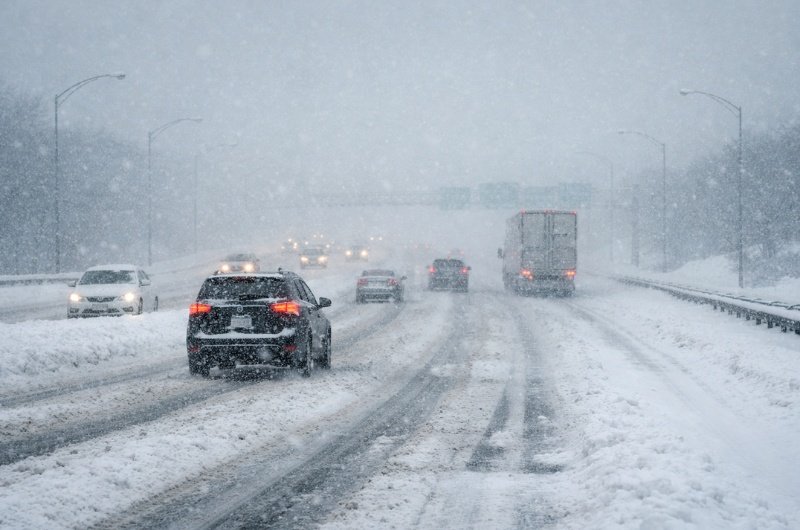
UPDATE: FRIDAY AFTERNOON (23 JAN 2026) The winter storm system continues to expand, with additional states now under advisories as snowfall totals increase across parts of the Midwest and Northeast. Forecasts show heavier accumulations in some areas than initially expected, prompting widespread school closures, government office delays, and disruptions to local services as the storm moves through the region. A potentially historic winter storm is forecast to bring heavy snow, sleet, freezing rain, and dangerously cold conditions across a wide stretch of the United States this weekend, raising concerns about travel disruptions, power outages, and public safety from Friday through Sunday. Forecasters warn that significant snow accumulation is possible across large portions of the storm’s path. In parts of the Southern Plains and Lower Mid-South, snowfall totals could reach 12 inches or more, with some areas potentially seeing 10 to 16 inches if the heaviest bands persist. Localized higher totals are not out of the question where conditions align. Across the Mid-Atlantic, widespread snowfall is expected, with some areas facing accumulations exceeding one foot by the time the storm exits. In locations where snow continues over multiple phases, totals could climb rapidly, making travel increasingly dangerous through the weekend. Farther south, freezing rain and sleet remain major concerns. Ice accumulation could weigh down trees and power lines, increasing the risk of power outages, particularly in regions that are less accustomed to severe winter weather and prolonged freezing conditions. Behind the storm, an Arctic air mass is expected to surge south, ushering in some of the coldest temperatures of the season. Sub-freezing conditions could linger for days, keeping snow and ice in place and slowing recovery efforts. Bottom Line From Texas to the East Coast, residents should prepare for significant winter impacts, including heavy snow that may exceed a foot in some areas, dangerous ice accumulation, and hazardous travel. Officials are urging the public to monitor local forecasts closely and limit travel where possible as conditions evolve. ——————– Recommended: Surviving the Next Blackout: How to Prepare for Power Outages Before They Strike
LIVE: Trump Addresses World Leaders at Davos, Says Europe Is “Not Heading in the Right Direction”
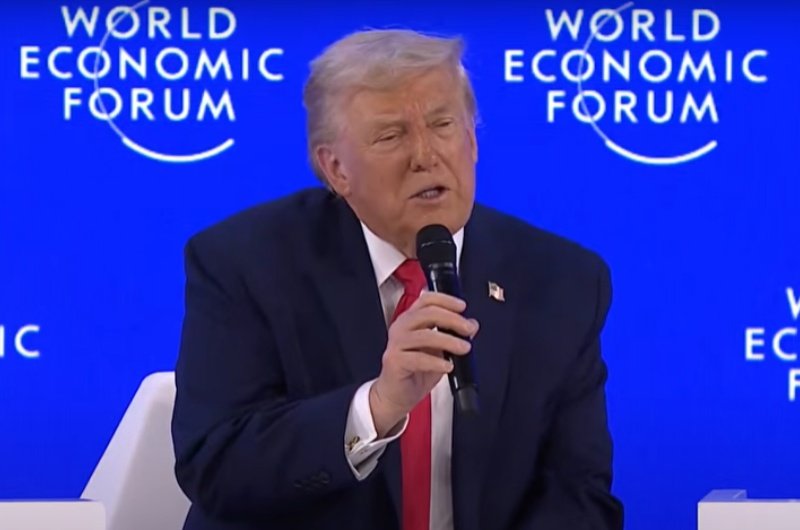
President Donald Trump told global leaders gathered at the World Economic Forum on Wednesday that Europe is “not heading in the right direction,” offering a frank assessment of economic conditions as he outlined his administration’s priorities on trade, energy, and global competitiveness. Speaking in Davos, Trump pointed to challenges facing European economies, including growth concerns, regulatory pressures, and energy policy, while contrasting them with the U.S. approach to domestic manufacturing and energy production. He framed his remarks within a broader discussion about economic direction and long-term competitiveness in a changing global landscape. Trump’s comments came as world leaders and investors closely monitor policy signals amid ongoing geopolitical and economic uncertainty. His remarks suggested the United States will continue emphasizing trade negotiations and economic leverage as key tools of foreign policy during his second term. The address also highlighted differing perspectives between Washington and European capitals on globalization, climate policy, and regulation — areas that continue to shape transatlantic discussions. Davos is traditionally a forum for global dialogue and coordination. Trump’s remarks underscored how divergent economic views and national priorities are increasingly influencing global policy conversations in 2026.
Markets Steady as Investors Weigh Global Signals From Davos

U.S. markets showed cautious stability as investors digested a wave of global economic signals emerging from the World Economic Forum in Davos, Switzerland, with attention focused on trade policy, geopolitical tensions, and the direction of major economies in 2026. Stocks moved modestly as traders balanced optimism around U.S. economic resilience against uncertainty tied to international relations and global growth. Safe-haven assets, including gold, continued to draw interest, reflecting a measured level of investor caution as world leaders outlined competing economic visions. Comments from global officials reinforced concerns about uneven growth across key regions, particularly in Europe, while U.S. policy signals emphasized domestic production, energy independence, and trade leverage as central pillars of economic strategy. Market analysts say investors are entering a period of recalibration, watching closely for signs that rhetoric from Davos will translate into concrete policy actions in the weeks ahead. Volatility remains possible as governments, central banks, and corporations respond to shifting global priorities. The Readovia Lens Early reactions from markets underscore how sensitive investor sentiment remains to political and economic signals. As leaders outline competing paths forward, markets are signaling a desire for clarity, stability, and follow-through — themes likely to define the economic narrative of 2026.