


Gut Health 101: What You Need to Know to Feel Your Best

Gut health has become one of the biggest topics in wellness, but taking care of your digestive system doesn’t require an elaborate cleanse or a cabinet full of supplements. Much of the conversation centers on the gut microbiome — the enormous community of bacteria and other microorganisms living in the digestive tract that helps break down food, supports immune function and interacts with other systems throughout the body. One of the simplest ways to support a healthy gut is to eat a varied diet rich in fiber. Fruits, vegetables, beans, lentils, whole grains, nuts and seeds provide different types of fiber that help support beneficial gut microbes. Rather than focusing on one supposed “superfood,” regularly eating a variety of plant foods can help provide the microbiome with a broader range of nutrients. Fermented foods can also be part of a gut-friendly diet. Foods such as yogurt with live cultures, kefir, kimchi and sauerkraut contain microorganisms or compounds produced during fermentation. Probiotic supplements, however, are more complicated. Different probiotic strains can have different effects, and a supplement that is useful for one digestive problem may do little for another. For most healthy adults, probiotics shouldn’t automatically be considered necessary simply because they’re marketed for gut health. Everyday habits matter as well. Regular physical activity, adequate sleep, sufficient fluids and managing chronic stress can all support digestive health. Antibiotics can disrupt the gut microbiome, but they are also essential medicines when appropriately prescribed; they should be taken as directed rather than avoided because of concerns about gut bacteria. Highly restrictive diets and “gut detoxes,” meanwhile, can eliminate nutritious foods without addressing the actual cause of digestive symptoms. Occasional bloating or digestive discomfort can happen to anyone, but persistent abdominal pain, significant changes in bowel habits, unexplained weight loss, blood in the stool or symptoms that interfere with everyday life deserve medical attention. Gut health is an evolving area of research, and scientists are still learning how the microbiome affects different aspects of human health. For most people, the best starting point remains remarkably straightforward: eat a varied, fiber-rich diet, stay active, get enough sleep and pay attention when your body tells you something isn’t right.
Trump Says Iran Talks Are Underway — Tehran Says There Are No Talks

President Donald Trump says negotiations with Iran are underway as his administration pushes for an agreement that could avert another major round of U.S. strikes. Iran, however, is publicly disputing that account, saying it is not currently negotiating with Washington. The conflicting statements come as the United States and Iran remain locked in a dangerous standoff over the Strait of Hormuz. Iranian officials say their current discussions are with Oman and center on arrangements that could allow ships to move more safely through the critical waterway. Trump has described the diplomatic effort more broadly, saying talks with Iran are taking place and warning that Tehran faces a final opportunity to reach an agreement. The uncertainty took on new urgency Tuesday after a cargo vessel reported being struck by an unidentified projectile near the Strait of Hormuz. The incident did not immediately establish who was responsible, but it underscored the continuing risks to commercial shipping in a waterway that normally carries roughly one-fifth (about 20 million barrels per day) of the world’s oil supplies. Shipping through the strait remains severely disrupted. Reuters reported that only six tankers and bulk carriers were recorded passing through on Monday, compared with more than 100 vessels during normal peacetime conditions. Oil prices also climbed more than 2% Tuesday after falling sharply a day earlier, as traders reconsidered expectations that a diplomatic agreement could quickly ease the conflict. For now, regional governments continue trying to bridge the gap between Washington and Tehran while the United States holds off on another major attack. But with the two governments publicly offering different accounts of whether direct negotiations are even happening, the path toward an agreement — and a return to normal shipping through one of the world’s most important energy corridors — remains uncertain.
What Is Emotional Intelligence? Understanding One of Life’s Most Important Skills

You’ve probably heard the term **emotional intelligence** in conversations about leadership, relationships, parenting, or career success. But what does it actually mean—and what makes it such an important skill today? Emotional intelligence has become one of the most valuable human skills. It influences how we respond to challenges, connect with others, make decisions, and navigate everyday life. The good news? It’s a skill that almost anyone can develop. What Is Emotional Intelligence? **Emotional intelligence is the ability to recognize, understand, manage, and respond to emotions—both your own and the emotions of others.** It affects how people communicate, handle stress, resolve conflict, build relationships, and make thoughtful decisions. Unlike IQ, which measures cognitive ability, emotional intelligence focuses on how we understand ourselves and interact with the people around us. Many researchers believe emotional intelligence plays an important role in personal well-being, effective leadership, and long-term success. It isn’t about ignoring emotions or always staying calm. Instead, it’s about recognizing emotions, understanding their influence, and responding in healthy and productive ways. Perhaps most encouraging of all, emotional intelligence is not something you’re simply born with. Like communication, fitness, or learning a new language, it can improve with practice. The Five Building Blocks of Emotional Intelligence While experts describe emotional intelligence in different ways, most agree it includes five core abilities. Self-awareness means recognizing your own emotions and understanding how they influence your thoughts, decisions, and behavior. Self-control is the ability to manage emotions without allowing frustration, anger, or stress to dictate your actions. Motivation involves staying focused on meaningful goals, even when setbacks occur. Empathy is the ability to understand how other people feel and appreciate perspectives different from your own. Social skills help people communicate effectively, build trust, resolve disagreements, and create stronger personal and professional relationships. Together, these skills shape how we interact with the world every day. Why Emotional Intelligence Has Become One of Today’s Most Valuable Skills Modern life moves quickly. Many workplaces depend on teamwork, communication, and adaptability, while digital technology has changed how people interact both professionally and personally. In this environment, technical knowledge alone isn’t always enough. People with strong emotional intelligence are often better equipped to communicate clearly, adapt to change, manage stress, work effectively with others, and lead with confidence. These abilities can strengthen friendships, marriages, families, workplaces, and communities. Signs of Strong Emotional Intelligence Emotionally intelligent people don’t have perfect lives or perfect relationships. They simply tend to respond thoughtfully rather than react impulsively. Some common signs include: Listening without interrupting. Remaining calm during stressful situations. Accepting constructive feedback without becoming defensive. Recognizing when emotions are influencing decisions. Showing genuine curiosity about other people’s perspectives. Admitting mistakes and learning from them. Knowing when to speak—and when to simply listen. Can Emotional Intelligence Be Learned? Absolutely. Research suggests emotional intelligence develops throughout life through experience, self-reflection, and intentional practice. Small daily habits can make a meaningful difference. Taking a moment before responding in frustration, asking thoughtful questions, practicing active listening, or reflecting on your own reactions are all ways to strengthen emotional intelligence over time. Like physical fitness, meaningful progress usually comes through consistency rather than dramatic overnight change. The Bottom Line Emotional intelligence may not appear on a résumé or test score, but it shapes many of the moments that matter most in life. It influences how we communicate, solve problems, support others, and respond when life becomes challenging. While knowledge and technical skills remain important, our ability to understand ourselves, connect with other people, and navigate life’s challenges successfully continues to set us apart. Developing emotional intelligence isn’t about becoming perfect. It’s about becoming more aware, more thoughtful, and more intentional in the way we live, communicate, and build relationships. Those are qualities that can improve nearly every area of life—at home, at work, and in the communities we share.
Trump Holds Off on Major Iran Strikes as Talks to End War Begin
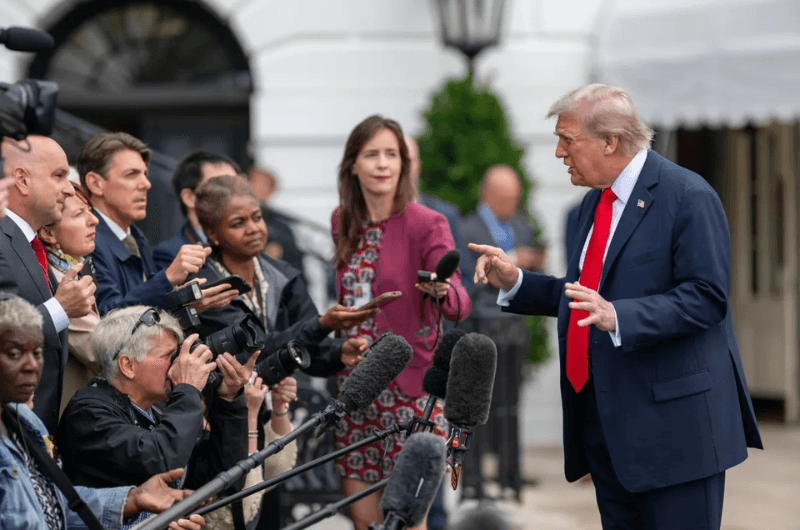
President Donald Trump has held off on another major U.S. attack on Iran as diplomatic efforts intensify to bring the escalating conflict to an end. Trump said talks aimed at ending the war would begin Monday after discussions with leaders in the Middle East helped persuade him not to order what he had described as a potentially “massive” new round of strikes. Gulf nations have been pushing for de-escalation as fighting threatens regional security, energy markets, and shipping through the Strait of Hormuz. But there is already disagreement over exactly what those negotiations involve. Iranian officials said Monday that no direct talks with the United States were underway or planned, while indicating discussions with Oman were focused on navigation and security in the region. The diplomatic push marks a significant shift after weeks of U.S. strikes on Iran and Iranian retaliation across the Middle East. The Strait of Hormuz remains a central concern because a substantial share of the world’s oil moves through the narrow waterway, making continued instability there a risk far beyond the region. Markets responded quickly to the possibility of de-escalation. Oil prices fell sharply Monday after Trump backed away from a planned attack, reflecting hopes that diplomacy could reduce the threat to Gulf energy supplies and shipping. Whether the effort produces a broader agreement remains uncertain. But for now, Washington has moved away from another immediate military escalation while regional governments push both sides toward a negotiated end to the conflict.
SpaceX Lands $1.6 Billion Space Force Deal for 18 National Security Launches

SpaceX has won a $1.6 billion U.S. Space Force contract for 18 Falcon 9 launches, a major sign of how deeply commercial space companies are becoming embedded in America’s national defense strategy. The missions are planned through 2027 and will deploy Pentagon satellites designed to help detect and track airborne threats. The award adds to a growing portfolio of government work for SpaceX and underscores the company’s expanding role not just in commercial launch and satellite internet, but in the infrastructure supporting U.S. military operations. The deal also highlights a broader shift in how the United States is building its defense capabilities in orbit. Once known primarily as a commercial launch provider, SpaceX is increasingly serving as a critical national security partner, providing the rockets needed to deploy systems tied to surveillance, communications, missile warning, and defense. The modern defense race is extending beyond land, sea, and air into space. Rockets, satellite networks, and other orbital technologies are becoming increasingly important parts of military readiness. The new contract further strengthens SpaceX’s position at the center of that transformation, as Washington leans more heavily on private-sector launch companies to support some of the nation’s most sensitive defense missions.
What Is Quantum Computing — and Why America Is Spending $1 Billion to Build a Quantum Foundry

The U.S. government is preparing to spend up to $1 billion helping IBM build something America has never had before: a factory designed specifically to make critical components for quantum computers. That sounds highly technical, but the reason behind it is fairly simple. Quantum computing could become one of the most important technologies of the next several decades, potentially helping scientists develop new medicines, discover new materials, solve enormously complicated logistical problems and perform certain calculations that overwhelm today’s most powerful computers. And the United States wants to make sure it can build that technology here. IBM and the U.S. Department of Commerce announced the proposed $1 billion federal investment in May. IBM plans to contribute another $1 billion in cash, along with technology, facilities and expertise, to establish a new operation called Anderon in Albany, New York. First, What Is a Quantum Computer? A regular computer — whether it’s your laptop or one of the world’s most powerful supercomputers — processes information using tiny units called bits. Those bits essentially work as switches that are either on or off: 1 or 0. Quantum computers work differently. They use quantum bits, called qubits, which can handle information in ways ordinary computer bits cannot. That gives quantum computers the potential to work through certain extremely complicated problems differently than today’s machines. It doesn’t mean your next laptop will be a quantum computer. You don’t need one to check email, browse the internet, stream Netflix or write a document. Traditional computers are already very good at those things. Quantum computers are being developed for problems that become almost unimaginably complex. What Could We Actually Do with One? Imagine a pharmaceutical company trying to predict how countless combinations of molecules might behave while developing a new drug. Or a scientist searching through huge numbers of possible materials to find one that could produce a better battery. A transportation company might use advanced computing to search for the most efficient way to move thousands of vehicles, packages and people through an enormous network. Researchers also see potential applications in financial modeling, chemistry and other fields where the number of possible outcomes can become overwhelming. There is another possibility that has governments paying especially close attention: encryption. Powerful future quantum computers could potentially break some of the encryption methods used today to protect sensitive information, making quantum computing not just a technology race, but increasingly a national-security race. So What’s a Quantum Foundry? Think of a foundry as a highly advanced factory. Today’s computer chips are manufactured in semiconductor fabrication plants — enormous, highly sophisticated facilities capable of producing the tiny components inside phones, computers, cars and data centers. Quantum computers need their own specialized components. IBM’s planned Anderon facility would manufacture wafers used to build quantum processors. The operation is intended to produce them not only for IBM, but potentially for other American companies developing quantum technology. That matters because inventing a technology is only part of winning a technology race. You also have to be able to manufacture it. The United States learned that lesson with conventional computer chips. Much of the world’s advanced semiconductor manufacturing became concentrated overseas, prompting Washington to spend billions of dollars rebuilding domestic chip production. With quantum computing, the government appears determined to get ahead of the next technology race. Why Is the Government Spending So Much? No one knows exactly how important quantum computing will eventually become, but the potential is too large for governments to ignore. The U.S. is not alone in pursuing it; China and other countries are also investing heavily in quantum research and infrastructure. That creates a familiar competition over who develops the best systems, owns the important discoveries, attracts the skilled workers and, crucially, can manufacture the technology at scale. IBM itself is making a much larger bet. The company announced in June that it plans to invest more than $10 billion in quantum computing over the next five years, with a long-term goal of building increasingly capable systems while overcoming one of the technology’s biggest problems: errors. Are Quantum Computers Ready Now? No — and that’s an important part of the story. Today’s quantum computers are still experimental machines. They are extremely difficult to build and operate, their quantum bits are fragile, and errors remain a major obstacle. Many of the revolutionary applications associated with quantum computing have not happened yet. Some may take years. Some may take decades. And some predictions about what quantum computers will eventually accomplish may prove overly optimistic. IBM’s timelines and projections should therefore be viewed as ambitious goals rather than guarantees. But governments and technology companies are not waiting for every technical problem to be solved before investing. They are building the infrastructure now. The Next Technology Race May Already Be Underway Artificial intelligence is today’s dominant technology story, with companies spending hundreds of billions of dollars on chips, data centers and power systems to support it. Quantum computing is nowhere near that stage yet. But America’s proposed $1 billion investment in IBM’s quantum foundry offers an important glimpse of what could come next. The U.S. is not simply funding another experimental computer; it is helping build the manufacturing base for an industry that barely exists today. If quantum computing ultimately lives up to even part of its promise, the countries that build the factories, train and attract the scientists and engineers, secure the patents and establish the supply chains now could hold a major advantage later. That’s why a highly specialized factory planned for Albany, New York, could turn out to be far more important than it sounds.
AI Is Reshaping the Tech Job Market — and Entry-Level Workers Are Feeling It First

Artificial intelligence is moving from a workplace experiment to a force that is actively reshaping who companies hire, which jobs they eliminate, and the skills workers increasingly need to stay competitive. Across the technology industry and beyond, companies are investing heavily in AI while simultaneously rethinking staffing. Microsoft has cut thousands of positions this year while acknowledging that AI is changing how work gets done. General Motors eliminated hundreds of IT jobs in May as it shifted hiring toward workers with skills in AI development, data engineering, cloud systems, analytics, and new AI workflows. The pressure is especially visible at the entry level. A 2026 survey of nearly 1,000 U.S. business leaders found that 21% of companies had already frozen entry-level hiring because of AI, while more expected to reduce junior hiring as the technology becomes capable of handling routine research, coding assistance, customer support, scheduling, and administrative work. But the shift does not mean technology jobs are disappearing across the board. Employer demand remains strong for people who can build, operate, secure, and improve AI systems. Hiring data released this summer showed growing demand for AI-related technical roles even as overall hiring remained much weaker than the number of available positions. That is creating a different kind of technology workforce. Companies increasingly need AI engineers, cybersecurity specialists, data engineers, cloud experts, infrastructure workers, and employees who know how to incorporate AI tools into existing jobs. At the same time, some of the routine work once assigned to junior employees can now be completed faster with AI assistance. For younger workers, that could make the traditional first step into a career harder to reach. Entry-level jobs have historically allowed new employees to learn basic tasks before moving into more advanced roles. If AI absorbs more of that work, companies may eventually have to rethink how they train the experienced workers they will need later. The larger change is becoming difficult to dismiss. Artificial intelligence is no longer simply another product technology companies are selling. It is increasingly influencing how work itself is organized — which skills companies value, which positions they create, and how many people they believe they need to get the job done. ——————– Related: We May Be the Last Generation of Traditional Work
Big Tech’s AI Bet Is Beginning to Pay Off
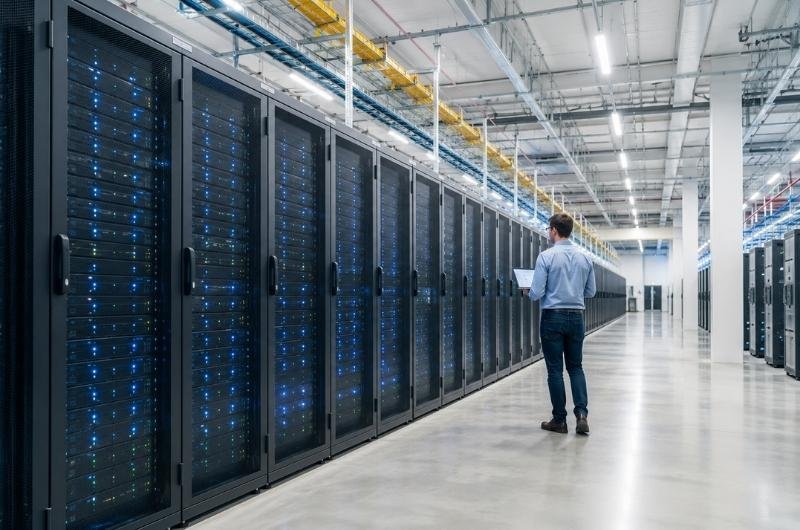
For nearly two years, the world’s largest technology companies have spent hundreds of billions of dollars building artificial intelligence infrastructure—from massive data centers to advanced AI chips. Investors questioned whether the spending would ever produce meaningful returns. This week’s earnings from Microsoft, Amazon and Alphabet suggest the answer is increasingly becoming yes. All three companies reported strong growth in their cloud businesses, where demand for AI services continues to accelerate. Microsoft’s Azure, Amazon Web Services and Google Cloud all benefited from businesses adopting AI tools and expanding their use of cloud computing, giving investors new confidence that AI is becoming a real driver of revenue rather than just a costly investment. The results signal an important shift on Wall Street. For much of the AI boom, investors focused on how much money companies were spending. Now the emphasis is turning to execution—whether those enormous investments can consistently generate stronger sales, profits and long-term growth. The impact extends beyond Big Tech. The AI buildout is increasing demand for semiconductors, networking equipment, power infrastructure, construction and data centers, creating opportunities across multiple industries as companies race to expand the computing capacity needed to support AI. The Readovia Lens The AI spending story just flipped from a bet to a business. Microsoft, Amazon and Alphabet are beginning to show that years of massive AI investment are translating into real revenue growth—not just ambitious promises on earnings calls. That’s the shift worth watching: capital expenditure is starting to produce measurable returns, and the companies that can prove it will pull away from those still asking investors for patience. Watch the smaller players next. Chipmakers, power providers and data center builders are riding the same wave—and they’ll soon face the same test.
Senate Narrowly Rejects Effort to Limit Trump’s Iran War Powers

The U.S. Senate narrowly rejected an effort Thursday to limit President Donald Trump’s authority to continue military operations against Iran. The vote leaves the administration’s war powers unchanged despite growing bipartisan concern over the expanding conflict. The proposal sought to require congressional authorization before U.S. military involvement in Iran could continue, reviving a long-running constitutional debate over the balance of power between Congress and the presidency during armed conflicts. Supporters argued lawmakers should play a larger role in decisions that could deepen U.S. involvement overseas, while opponents said the president must retain flexibility to respond quickly to national security threats. Although the resolution failed, the close vote underscored growing unease on Capitol Hill as the conflict has stretched on for months and military costs have climbed. Several Republican senators broke with party leadership to support the measure, highlighting divisions over the administration’s handling of the war. The vote does not alter current U.S. military operations, but it signals that congressional scrutiny of the conflict is likely to intensify if fighting continues. Additional efforts to revisit presidential war powers could emerge as lawmakers debate future military funding and America’s role in the region. The Readovia Lens The Senate’s vote wasn’t just about Iran—it was about who decides when America goes to war. While presidents have long exercised broad military authority, the narrow margin shows Congress remains deeply divided over where executive power should end and legislative oversight should begin. As the conflict evolves, that constitutional debate may become just as consequential as events on the battlefield. ——————– Related: Iran War Spills Across Borders as Strikes Hit Two Iraq Crossings Pentagon Requests Additional $80 Billion to Cover Iran Conflict Costs U.S. Issues Worldwide Security Alert as Iran Conflict Escalates Trump Reinstates Blockade of Iranian Ports, Imposes 20% Strait of Hormuz Security Fee Iran Strikes Back After Latest U.S. Military Attack
Heat Wave Pushes Power Grid Toward Its Limits Across 17 States
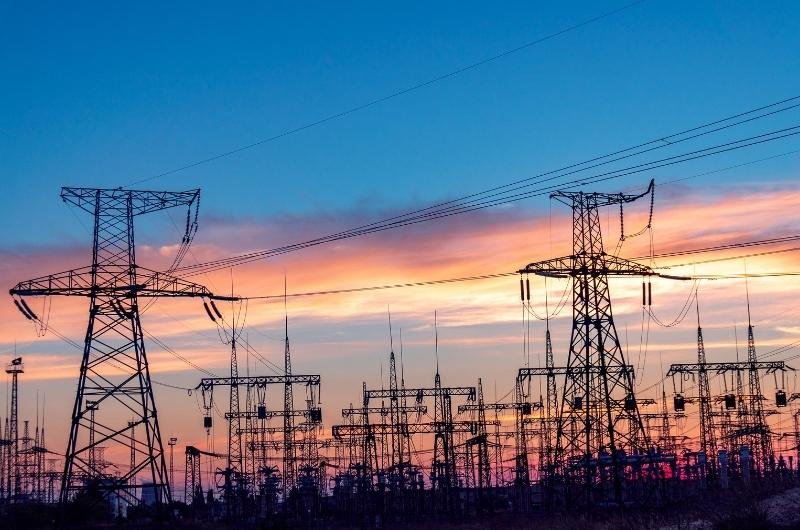
The federal government has taken emergency steps to help protect the nation’s power grid as extreme summer heat drives electricity demand to unusually high levels across parts of the central United States. The temporary order allows grid operators to tap backup power resources in an effort to reduce the risk of blackouts. The emergency action applies to the Southwest Power Pool, a regional transmission organization that manages electricity across all or parts of 17 states. The order gives operators greater flexibility to dispatch reserve generation and other backup resources if demand continues climbing during the heat wave. Officials say the move is intended as a precaution rather than a response to widespread outages. High temperatures increase electricity use as homes and businesses rely more heavily on air conditioning, placing additional strain on generating stations and transmission systems. The emergency order is scheduled to remain in effect through early next week, when forecasters expect temperatures to begin moderating in some affected areas. Until then, grid operators will continue monitoring demand and stand ready to activate additional resources if needed to maintain reliable electric service. The Readovia Lens Extreme weather is becoming a bigger test for America’s electric grid because electricity demand is climbing from multiple directions at once. As air conditioning, data centers, and AI infrastructure consume more power, keeping the lights on increasingly depends on a grid built for a very different era.