


What’s New in Health & Fitness for 2025

The health and fitness world is always changing, and 2025 is no different. Whether you’re looking to improve your workout, eat better, or take better care of yourself, this year brings some exciting trends and new tools. Here’s a look at what’s hot in fitness and well-being right now. 1. AI-Driven Fitness Plans: Your Workout, Tailored Just for You AI is making fitness smarter. Forget the one-size-fits-all workout plans—today’s apps and devices can create fitness routines that are as unique as you are. Fitness Trackers: More than just counting steps, wearables now learn from your workouts and give you personalized suggestions to help you improve. Virtual Coaches: Apps like Peloton and Mirror use AI to adjust your workout based on your progress, ensuring you’re always challenged in the right way. 2. Mind-Body Workouts Are Getting Bigger Fitness isn’t just about lifting weights or running anymore. Mind-body workouts are on the rise, and they’re all about balance, flexibility, and mental wellness. Yoga & Pilates: Expect a boost in virtual and even augmented reality yoga classes that help you stretch and strengthen without leaving home. Holistic Wellness: More people are mixing exercise with mindfulness practices like meditation and deep breathing, making fitness as much about mental health as physical health. 3. Smarter Fitness Tech: Wearables that Do More Than Count Steps Fitness trackers are evolving fast, and in 2025, they’re doing a lot more than just tracking your steps or calories burned. Smart Clothing: Think leggings and shirts that track your heart rate, muscle activity, and even your posture while you move. Biofeedback Devices: These gadgets give you real-time info about your body’s stress levels, hydration, and more, helping you get the most out of your workout. 4. Plant-Based Diets Keep Gaining Popularity Eating plant-based is becoming the norm for more people, and it’s not just about being vegan anymore—it’s about better health and doing something good for the planet. Plant-Based Supplements: You’ll see more supplements made from plants like algae and mushrooms, packed with nutrients that support your fitness goals. Sustainable Eating: People are choosing foods that are not just healthy but also sustainable, like locally grown produce, plant-based proteins, and eco-friendly packaging. 5. Recovery Is a Key Part of Fitness Now Taking care of your body after you work out is just as important as the workout itself. In 2025, there’s more focus on recovery, from new tech to self-care routines. Cryotherapy & Infrared Saunas: these are becoming go-to methods for muscle recovery, reducing inflammation, and boosting circulation. Sleep Tech: gadgets and apps that help you sleep better are gaining traction, with things like smart mattresses and sleep trackers that optimize your rest. 6. Functional Fitness & Mobility Training Rather than just focusing on building muscle, more people are getting into functional fitness—exercises that help you move better in everyday life. Mobility Workouts: Think stretching, yoga, and flexibility exercises that keep you agile and help prevent injury. Resistance Bands: Easy to use at home or the gym, resistance bands are a simple way to build strength and improve mobility. 7. Fitness Communities Go Virtual Fitness isn’t a solo activity anymore—more and more people are finding motivation in social fitness communities. Fitness Challenges: Whether it’s a 30-day yoga challenge or a virtual 5k, apps are bringing people together for group goals and challenges. Group Workouts: Virtual fitness classes are a big deal in 2025, and you’ll find everything from live-streamed HIIT to group yoga sessions that you can join from the comfort of home. In 2025, health and fitness aren’t just about working harder—they’re about working smarter. With new tech, personalized workouts, and a bigger focus on mental health, staying fit is more accessible and fun than ever. Whether you’re into yoga, strength training, or just trying to eat better, this year’s trends have something for everyone.
Top Health & Fitness Trends to Watch in 2025

The world of health and fitness is constantly evolving, and 2025 is bringing new innovations, ideas, and ways to approach well-being. From cutting-edge workout technology to evolving diet trends, here’s what’s shaping the future of fitness and health this year. 1. Personalized Fitness Plans Powered by AI Artificial Intelligence (AI) is making its mark on the fitness industry, offering personalized workout plans that adapt to your needs. Instead of following a generic workout, AI-powered apps can tailor routines based on your goals, fitness level, and even how your body responds to different exercises. Smart Fitness Trackers: Devices like smartwatches and fitness bands now come with built-in AI that learns from your daily activity, giving you real-time feedback and adjusting your plan as you improve. Virtual Coaches: Apps like Peloton and Mirror now use AI to offer personalized coaching, helping you perfect your form, adjust intensity, and track your progress. 2. The Rise of Mind-Body Workouts In 2025, fitness is no longer just about strength or cardio; it’s about balance and wellness for the mind and body. Mind-body exercises like yoga, Pilates, and Tai Chi are becoming essential parts of many people’s routines. Yoga and Pilates Innovations: Expect more virtual and augmented reality (AR) yoga and Pilates experiences that bring the instructor to your living room, offering an immersive and customized workout experience. Holistic Wellness: Fitness is blending with mindfulness practices such as meditation and breathwork, providing a more holistic approach to mental and physical health. 3. Wearable Fitness Tech Gets Smarter Fitness trackers are evolving beyond counting steps and calories. In 2025, wearables are helping users track more advanced metrics like body temperature, stress levels, and even hydration status. Smart Clothing: Clothing embedded with sensors to track muscle activity, heart rate, and even posture correction are becoming popular. Biofeedback Devices: Devices that provide real-time feedback on your physiological state are helping athletes and fitness enthusiasts optimize their workouts and avoid injury. 4. Sustainable and Plant-Based Diets Take Center Stage The growing trend of plant-based eating isn’t just a passing fad—it’s becoming mainstream. As people learn more about the environmental and health benefits of plant-based foods, the demand for plant-based alternatives continues to grow. Plant-Based Supplements: Supplements made from plants like algae, mushrooms, and even seaweed are gaining popularity due to their nutrient-rich benefits. Sustainable Eating: More people are focusing on sustainable food choices—such as locally sourced produce, plant-based protein, and eco-friendly packaging—as part of their commitment to health and the planet. 5. Holistic Recovery and Self-Care Recovery is just as important as exercise itself. In 2025, there’s a stronger emphasis on taking time for rest and recovery, helping to avoid burnout and improve overall health. Cryotherapy and Infrared Saunas: Cryotherapy (cold therapy) and infrared saunas are becoming common recovery tools for athletes and fitness enthusiasts, aiding muscle recovery, reducing inflammation, and improving circulation. Sleep Tech: With recovery heavily tied to sleep, sleep tech gadgets and apps designed to monitor and improve your sleep quality are taking off. Smart mattresses, sleep trackers, and apps like Calm or Sleep Cycle help optimize your rest. 6. Functional Fitness and Mobility Training More fitness routines are focusing on functional movement and mobility, helping people build strength and flexibility for everyday tasks. Mobility Workouts: Yoga, stretching, and mobility-specific exercises are seeing increased popularity as people realize the importance of keeping their bodies flexible and agile. Resistance Bands and Bodyweight Training: With a rise in home workouts, resistance bands and bodyweight exercises are becoming favorites for improving mobility and functional strength. 7. Social Fitness Communities Fitness is becoming more communal, as people look for support, motivation, and accountability. Social media platforms and fitness apps are creating virtual workout communities that offer encouragement, social challenges, and friendly competition. Fitness Challenges: Whether it’s a virtual 5k or a month-long yoga challenge, social fitness apps are encouraging people to set goals and share their progress with others. Group Workouts: Virtual fitness classes continue to thrive, with people coming together for live-streamed yoga sessions, HIIT classes, or even group runs. The fitness landscape in 2025 is all about personalization, recovery, and a holistic approach to health. With technology, smarter workouts, and a stronger focus on mental well-being, staying fit and healthy has never been more accessible or engaging. Whether you’re trying to lose weight, build strength, or simply find a balanced routine, 2025 is shaping up to be a year of fitness transformation.
How AI Is Quietly Powering Your Everyday Life in 2025

Artificial intelligence (AI) used to sound like something out of a sci-fi movie. Fast-forward to 2025, and it’s quietly running in the background of your daily life—from the moment you wake up to the second your head hits the pillow. It’s not just in high-tech labs anymore—it’s in your apps, your home, your car, and even your grocery list. Here’s a peek at how AI is seamlessly woven into your everyday routine. 1. Your Morning Routine Is Smarter Than You Think The moment your alarm goes off, AI is already at work. Smart home systems like Alexa or Google Assistant adjust your lights, set your coffee to brew, and even read you the morning news—tailored to your interests. Some apps now use AI to analyze your sleep patterns and suggest better bedtime routines, optimizing your rest based on real-time feedback. 2. AI Helps You Get Dressed and Out the Door Apps like StyleDNA or Amazon’s “Personal Shopper” use AI to suggest outfits based on the weather, your calendar, and even fashion trends. Meanwhile, AI-powered traffic prediction apps like Waze help plan your best route to work, rerouting around accidents or delays in real time. 3. Your Workplace Runs on AI (Even If You Don’t Notice) Whether you’re answering emails, editing documents, or working in customer service, AI is boosting your productivity. Tools like Grammarly or ChatGPT improve communication. AI scheduling assistants handle meetings. In customer support, chatbots solve problems before a human agent even gets involved. And for business owners, AI is analyzing sales trends, recommending pricing adjustments, and even helping write marketing content. 4. AI Knows What You Want for Lunch Feeling like sushi? AI-driven food delivery apps predict what you’re craving based on your history, the time of day, and local restaurant trends. Grocery apps do the same—suggesting items to add to your cart and generating recipes based on what’s in your fridge. 5. Your Health and Fitness Plans Just Got Smarter Wearables like the Apple Watch or Fitbit use AI to monitor your heart rate, sleep cycles, and activity levels—then recommend ways to improve your health. Virtual fitness coaches provide personalized workouts. Even telehealth platforms now use AI to screen symptoms and guide patients before they talk to a doctor. 6. AI Is Behind the Scenes of Your Streaming Binges Wondering how Netflix or Spotify always seem to “get you”? That’s AI, analyzing what you’ve watched or listened to, and comparing it with millions of other users’ habits. The more you watch, the better it predicts what you’ll like. 7. Security and Smart Homes Get a Boost AI-powered home security systems can detect unusual behavior, recognize familiar faces, and even notify you of package deliveries. And yes—your smart doorbell probably uses facial recognition to know the difference between a neighbor and a stranger. The Takeaway Artificial intelligence in 2025 isn’t just about robots or futuristic tech. It’s the silent assistant making your life easier, safer, healthier, and more efficient. And as it continues to evolve, the real magic might be how effortlessly it blends into your everyday world. Stay with Readovia for more insights into how AI technology is shaping the future of everyday life.
Social Media in 2025: What’s Next for TikTok, Instagram, and Facebook?

As we move further into 2025, social media continues to evolve at lightning speed, and platforms like TikTok, Instagram, and Facebook are adapting to the changing digital landscape. If you’re a social media enthusiast or brand, it’s important to stay ahead of the curve. Here’s a look at the key trends expected to shape social media in 2025. 1. Short-Form Video Dominates Even More TikTok’s short-form videos have redefined the way we consume content, and other platforms are following suit. In 2025, expect even more emphasis on short, engaging videos—whether it’s Instagram Reels, YouTube Shorts, or Facebook Stories. These videos are fast, easy to digest, and perfect for the busy, attention-scarce audience of today. Brands are getting creative with this format, utilizing catchy challenges, product demos, or funny moments to grab attention. 2. The Rise of Social Commerce Social commerce, where users can shop directly within social media apps, continues to grow. Instagram and Facebook’s shopping features are already allowing brands to sell products directly on their platforms, and in 2025, these features will become even more integrated. Look for augmented reality (AR) shopping experiences, where users can try on clothes virtually or see how furniture looks in their living rooms before purchasing. TikTok is also expected to enhance its commerce features, making it easier to shop while scrolling through the latest trends. 3. Authenticity and Relatability People are craving authenticity in their social media feeds. In 2025, influencers and brands will focus on raw, relatable content—think behind-the-scenes moments, real-life struggles, and transparent product reviews. Perfectly curated Instagram feeds are starting to feel a little outdated, with many users preferring content that feels more genuine and unpolished. 4. Audio-Based Platforms Continue to Grow Platforms like Clubhouse made waves a few years ago, and audio-based social media is still on the rise. Expect to see more platforms embracing the audio-only format in 2025, from live chats to podcasts and even social listening rooms where people gather to discuss topics in real-time. 5. AI and Augmented Reality (AR) Integration AI is already reshaping social media, from personalized algorithms to face filters. In 2025, AI will help users discover content tailored specifically to their tastes, and AR will be more deeply integrated into platforms like Instagram and TikTok. You could be seeing everything from virtual try-ons to interactive ads that allow you to “experience” a brand before you buy.
Grape Seed Oil: A Nutritional Powerhouse for Mind & Body

Grape seed oil, derived from the seeds of Vitis vinifera grapes, is a versatile oil celebrated for its numerous health benefits. Rich in antioxidants and essential fatty acids, it has garnered attention for its potential to support overall health, particularly in terms of its antioxidant properties and neuroprotective effects. Antioxidant Properties One of the most notable attributes of grape seed oil is its high concentration of antioxidants. These compounds play a crucial role in neutralizing free radicals—unstable molecules that can cause cellular damage and contribute to chronic diseases. The primary antioxidants found in grape seed oil include: Vitamin E: Grape seed oil contains significant levels of vitamin E, a potent antioxidant that helps protect cells from oxidative stress. This protection is vital in preventing heart disease and certain cancers. Phenolic Compounds: These include flavonoids, resveratrol, and proanthocyanidins, which have been shown to exhibit strong antioxidant activities. These compounds scavenge free radicals, thereby reducing oxidative stress and its associated risks. The combined action of these antioxidants contributes to the reduction of oxidative damage in the body, supporting overall health and potentially slowing the aging process. Neuroprotective Effects Emerging research suggests that the antioxidant properties of grape seed oil may extend to neuroprotection, offering potential benefits for brain health. Oxidative stress is a known contributor to neurodegenerative diseases, and the antioxidants in grape seed oil may help mitigate this risk. Proanthocyanidins: These are a class of polyphenols found abundantly in grape seed oil. Studies have indicated that proanthocyanidins can cross the blood-brain barrier and may reduce oxidative stress in neural tissues, potentially lowering the risk of neurodegenerative conditions. Resveratrol: Another polyphenol present in grape seed oil, resveratrol has been studied for its neuroprotective properties. It may help in modulating inflammation and protecting neurons from damage. While these findings are promising, more clinical research is needed to fully understand the extent of grape seed oil’s neuroprotective effects. Additional Health Benefits Beyond its antioxidant and neuroprotective properties, grape seed oil offers several other health advantages: Cardiovascular Health: The oil is rich in polyunsaturated fatty acids, particularly linoleic acid, which can help reduce LDL cholesterol levels and improve overall heart health. Anti-Inflammatory Effects: The presence of phenolic compounds contributes to the oil’s anti-inflammatory properties, which can aid in reducing chronic inflammation and associated diseases. Skin Health: Grape seed oil is a popular ingredient in skincare products due to its moisturizing properties and high vitamin E content. It helps protect the skin from environmental damage and may improve skin elasticity. The Takeaway Grape seed oil is a nutrient-rich oil with a range of health benefits, particularly its potent antioxidant activity and potential neuroprotective effects. Incorporating grape seed oil into your diet or skincare routine may offer various health advantages. However, it’s essential to consult with a healthcare professional before making significant changes, especially if you have underlying health conditions or are taking medications.
FEATURE: Analyzing Elon Musk’s Strategic Firings at the CFPB: Benefit or Risk?

The Consumer Financial Protection Bureau (CFPB) is a pivotal regulatory agency established in response to the financial crisis of 2008, with the primary goal of protecting consumers from unfair, deceptive, or abusive practices in the financial sector. Its functions extend to overseeing financial institutions, enforcing consumer laws, and fostering transparency and fairness in financial transactions. Given the crucial role the CFPB plays in ensuring accountability within the financial sphere, any significant changes in its leadership or operational methodologies are likely to have wide-ranging implications for both consumers and financial entities alike. Recently, Elon Musk gained attention for his strategic firings at the CFPB, a move that has stirred considerable debate among both business and regulatory circles. These actions are particularly notable given Musk’s influential persona within the tech and automotive industries, leading to questions regarding the intersection of his entrepreneurial ambitions and regulatory governance. His motivations may be rooted in a desire to reshape regulatory frameworks that may hinder innovation or market competition, particularly in sectors where Musk has vested interests, such as finance and technologies associated with electric vehicles and space exploration. This intersection between Musk’s business interests and the regulatory environment of the CFPB demands careful examination. The repercussions of such strategic firings are not confined to organizational dynamics; they are emblematic of broader trends in how entrepreneurial leaders engage with regulatory bodies. As we delve deeper into Musk’s motivations for these actions, it will become imperative to consider both the immediate and long-term effects these changes may have on the regulatory landscape and consumer protections that the CFPB is designed to uphold. Understanding this nuance will be key to analyzing whether Musk’s approach serves as a benefit or a risk to the financial sector and its consumers. Overview of the CFPB: Mission and Functions The Consumer Financial Protection Bureau (CFPB) was established in response to the 2008 financial crisis, with the primary mission of protecting consumers in the financial sector. Created by the Dodd-Frank Wall Street Reform and Consumer Protection Act of 2010, the CFPB aims to ensure that consumers have access to fair and transparent financial products and services. It is tasked with regulating and overseeing a wide array of financial organizations, including banks, credit unions, mortgage servicers, and payday lenders, ensuring that they adhere to federal laws regarding consumer protection. One of the CFPB’s central objectives is to provide consumers with the necessary tools and information to make informed financial decisions. This includes implementing regulations that promote transparency in financial transactions, developing educational resources, and offering recourse mechanisms for consumers to address grievances against financial institutions. The bureau also performs critical functions such as rulemaking, enforcement, and supervision in order to mitigate unfair, deceptive, or abusive practices in the financial services industry. By prioritizing consumer rights, the CFPB seeks to create a more equitable marketplace. In addition to its protective functions, the CFPB also serves as a watchdog within the financial industry. It collects and analyzes data on consumer financial practices, which helps in identifying trends and emerging risks. This empirical knowledge informs the bureau’s regulatory decisions and helps guide legislative initiatives aimed at improving financial consumer protections. For corporations, including those associated with figures like Elon Musk, the implications of CFPB regulations can be profound. Businesses must navigate the complexities of compliance to avoid penalties and to uphold their reputation as responsible entities in the eyes of consumers. Understanding the mission and functions of the CFPB is essential for analyzing Musk’s strategic firings within the context of potential regulatory conflicts and corporate governance. A Closer Look at Elon Musk: Business Ventures and Influence Elon Musk is a prominent entrepreneur whose ventures span multiple industries including automotive, aerospace, and technology. His most notable companies, Tesla and SpaceX, have revolutionized their respective fields but also intersect with complex regulatory frameworks, such as those enforced by the Consumer Financial Protection Bureau (CFPB). At the helm of Tesla, Musk has led the company to become a global leader in electric vehicles, pushing the boundaries of sustainable transportation while navigating various financial regulations. These regulations are crucial as they govern consumer protection laws that impact the automotive financing ecosystem. SpaceX, founded by Musk in 2002, has redefined the aerospace industry with a focus on reducing space travel costs and enhancing accessibility to space. The intersection of SpaceX with regulatory oversight becomes evident when considering its involvement in federal contracts and partnerships. A clear understanding of the implications of financial regulations is essential, as failure to comply could jeopardize lucrative contracts or funding opportunities, ultimately influencing the company’s growth trajectory. Furthermore, Musk’s influence extends beyond these companies, impacting the tech industry at large. His ventures often inspire innovation, prompting competitors to adapt and thrive under the evolving landscape shaped by new technologies and changing consumer expectations. However, as the leader of such influential enterprises, Musk also faces potential vulnerabilities linked to the CFPB’s regulations. Any strategic decision made by him or the companies under his guidance may bear scrutiny, especially concerning consumer financial services. Musk’s approach to managing these regulatory challenges is critical in determining how his businesses navigate risks while seizing growth opportunities in a climate that emphasizes consumer protection. The Rationale Behind Musk’s Firings at the CFPB Elon Musk’s decision to implement strategic firings at the Consumer Financial Protection Bureau (CFPB) has garnered significant attention and raised various questions regarding the underlying motivations. At the core of these actions lies Musk’s goal to reshape the organization to better align with his vision for the financial regulatory landscape. One of the primary justifications Musk employed for these firings is the belief that a streamlined workforce within the CFPB would allow for a more agile and responsive regulatory body, capable of adapting to the rapidly evolving financial technology sector. An interpretation of Musk’s approach suggests that he views the firings as a necessary step toward reducing the existing regulatory scrutiny that his businesses may face. By replacing key personnel with individuals who are more aligned with his business philosophy,
Trump’s First 30 Days A Whirlwind – White House Says He’s Just Getting Started
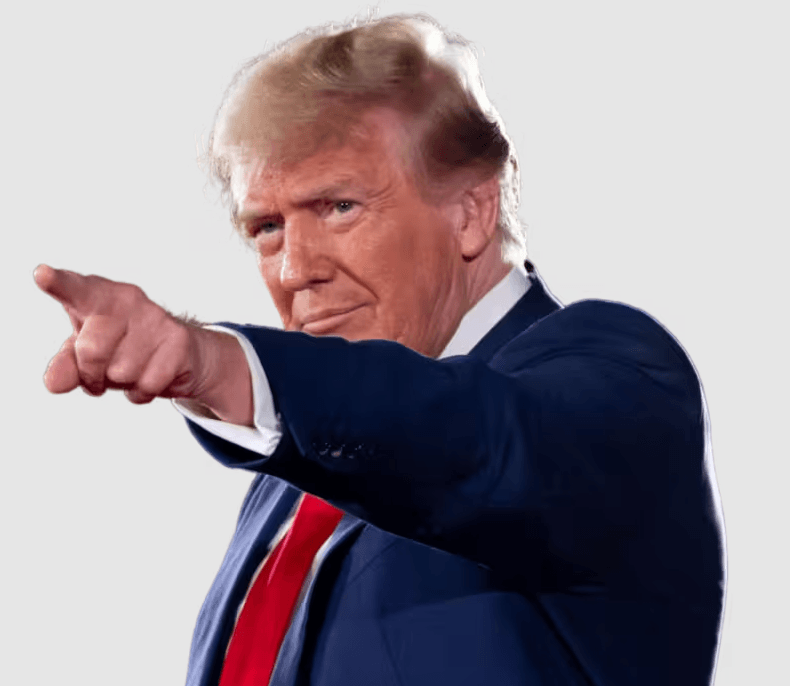
Second Term Begins with A Bang President Donald J. Trump has wasted no time in making sweeping changes during the first month of his second term. From securing the nation’s borders to reshaping trade policies and foreign relations, his administration has implemented aggressive measures aimed at fulfilling his campaign promises and restoring what he calls “America First” policies. Here’s a deep dive into the key actions taken so far. Here’s a recap of Trump’s work during his first 30 days in office – according to the White House. Securing America’s Borders One of President Trump’s most urgent priorities has been tackling illegal immigration. He declared a national emergency at the southern border, leading to an immediate deployment of military personnel, including the elite 10th Mountain Division. This decision has already yielded a dramatic 85% reduction in illegal border crossings within just ten days. His administration has doubled down on enforcement measures: Laken Riley Act Signed: This new law mandates the detention of illegal immigrants arrested or charged with theft or violent crimes. End of “Catch and Release”: The policy that allowed illegal immigrants to remain in the country while awaiting hearings has been scrapped. Termination of CBP One App: Previously, this app facilitated the entry of over a million illegal immigrants, but it is now discontinued. No More Taxpayer-Funded Benefits for Illegal Immigrants: Federal resources will no longer be allocated to providing welfare, healthcare, or housing assistance for those who entered illegally. Accelerated Deportation Flights: Criminal illegal immigrants are being swiftly removed from the country. To further address security concerns, the administration designated gangs like MS-13 and Tren de Aragua as Foreign Terrorist Organizations, enabling law enforcement to take a more aggressive stance against them. Additionally, a new agreement with New York City Mayor Eric Adams allows federal immigration officers to operate at Rikers Island, expediting the deportation of illegal alien criminals. Economic and Trade Policy Overhaul President Trump has revived his hardline stance on trade, implementing new tariffs to protect American industries and workers. 25% Tariff on Goods from Mexico and Canada: Designed to push these countries to take stronger action on border security and drug trafficking. 10% Tariff on Chinese Imports: A continuation of Trump’s efforts to reduce reliance on China and bring manufacturing jobs back to the U.S. Following initial resistance, Mexico and Canada agreed to reinforce their border security efforts, leading to a temporary pause on the new tariffs. The administration is also addressing birthright citizenship, ordering an end to the practice that grants automatic U.S. citizenship to children of non-citizens born in the country. Additionally, the U.S. Refugee Admissions Program has been suspended to reassess national security concerns. Reasserting American Strength in Foreign Policy On the international stage, President Trump has reversed several policies of the previous administration: Cuba is Once Again Labeled a State Sponsor of Terrorism: This designation reinstates strict economic sanctions. Support for Israel’s Settlements Restored: Sanctions imposed on Israeli settlers have been lifted. Withdrawal from the Paris Climate Agreement and WHO: In a move to focus on national interests, Trump has once again exited global agreements he believes undermine U.S. sovereignty. Mexico City Policy Reinstated: Federal funding for international organizations that provide abortion-related services has been revoked. Legal and Administrative Crackdown Trump’s Department of Justice is cracking down on cities and states that refuse to enforce immigration laws: Lawsuits Filed Against Sanctuary Cities: These jurisdictions are being sued for failing to comply with federal law. Funding Revoked for Non-Compliant States: Federal funds are being pulled from any city or state that does not enforce immigration laws. The Whole Matter President Trump has started his second term with a forceful approach to governance, emphasizing border security, economic protectionism, and a reassertion of American power on the world stage. His policies are already having measurable impacts, from drastically reducing illegal crossings to strengthening America’s economic position. With these sweeping changes, it’s clear that Trump is just getting started in his mission to reshape the country according to his “America First” vision.
Trump Enforces Major Changes, Job Cuts – Americans Protest
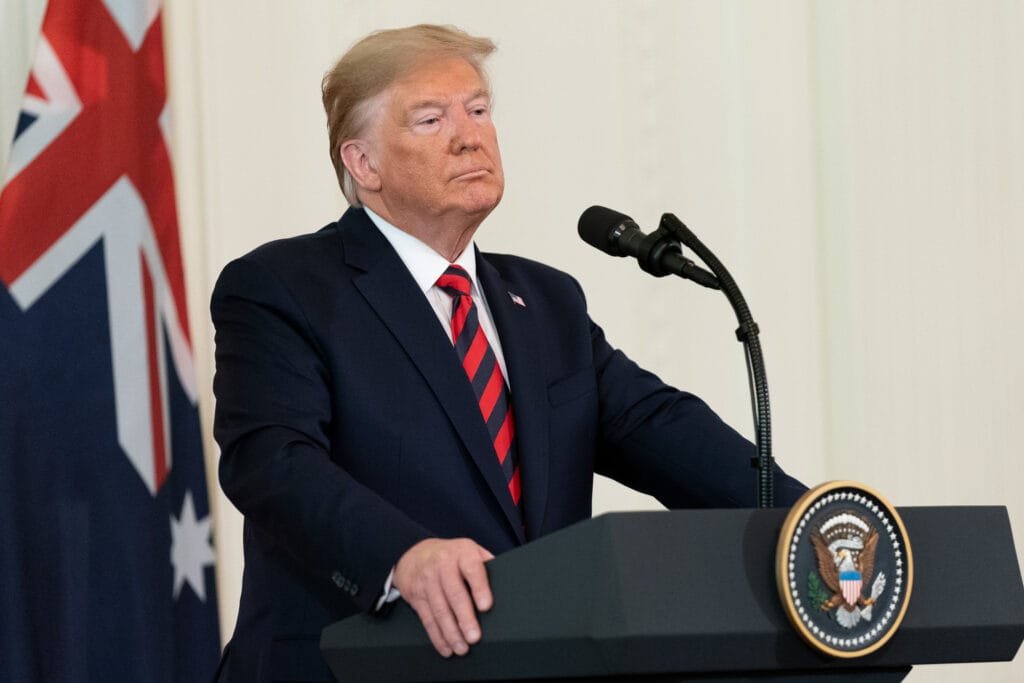
In his first month back in office, President Donald Trump has made swift and dramatic changes to the federal government. His administration has implemented new policies, sparked national protests, and removed thousands of federal workers from their positions. Here’s a look at the major developments so far. Government Restructuring and Policy Shifts One of President Trump’s first moves was placing a hiring freeze on federal agencies, preventing most new hires unless deemed essential. His administration has also focused on reducing government size, cutting budgets, and eliminating positions considered unnecessary. A controversial decision was the appointment of Elon Musk to lead a newly created agency, the Department of Government Efficiency (DOGE). Musk, known for his business ventures, has taken an aggressive approach to downsizing, particularly targeting agencies like the Department of Energy and USAID. However, the legality of his appointment has been challenged, and lawsuits are already in motion. Nationwide Protests Erupt The rapid pace of these changes has led to widespread public outrage. Across the country, protests have erupted, with many government workers voicing concerns over job security and the impact of mass layoffs. San Francisco saw a particularly large demonstration, where people gathered to criticize cuts they fear will weaken essential services. A growing movement among federal workers, operating under the slogan “Hold the line, don’t resign,” encourages employees to stay in their roles to prevent further dismantling of government institutions. Activists argue that privatization and deep budget cuts could result in inefficiency and a decline in the quality of public services. Federal Workforce Reductions The Trump administration’s effort to streamline government operations has already resulted in thousands of job losses. The Department of Veterans Affairs has let go over 1,000 employees, leading to concerns about how it will continue to provide services to former military personnel. The Department of Education has also seen major cuts, with at least 60 employees dismissed, particularly in areas related to civil rights and student financial aid. Meanwhile, the Small Business Administration has reduced its workforce by nearly 20%, terminating around 720 employees. What Comes Next? With just under 30 days in office, Trump’s policies are already reshaping the federal government. His administration promises that these changes will create a more efficient system, while critics argue they threaten essential services and public sector stability. As protests continue and legal battles unfold, the next few months will determine the long-term effects of these actions.
The future of photography: how AI-generated images are redefining portraits
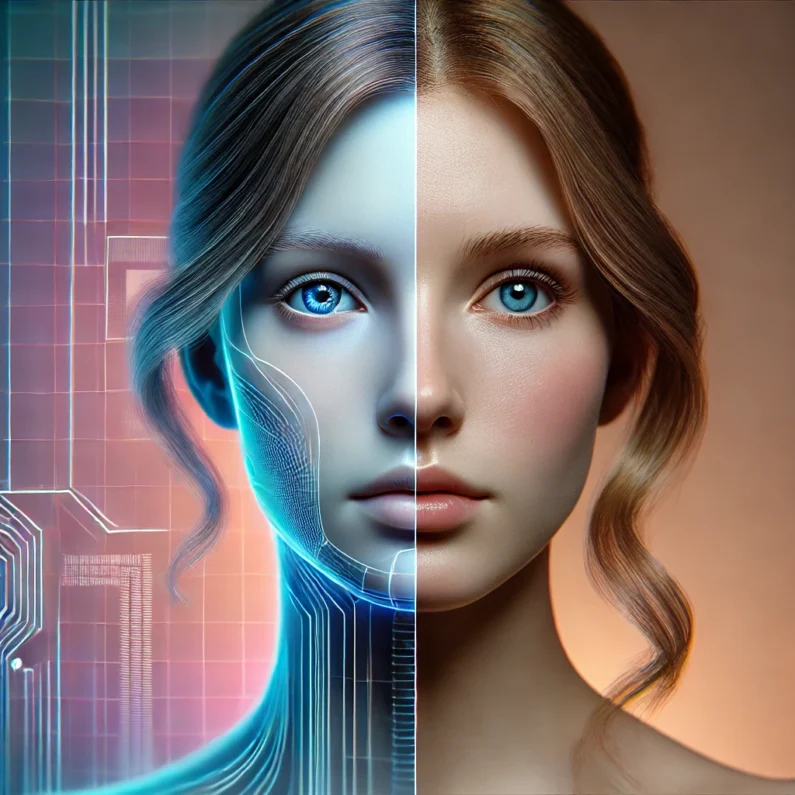
Artificial Intelligence (AI) is transforming the world of photography, pushing the boundaries of realism and creative expression. With AI-generated images now capable of producing hyper-realistic visuals that leave viewers questioning their authenticity, we’re entering a new era where digital creations challenge traditional photography in both artistry and accessibility. From Hyper-Realism to Unconventional Beauty AI-generated images can be designed to mimic real-life features or go beyond them, exploring new aesthetics and expressions. Recently, digital artist Moritz Stellmacher shared an AI-generated human portrait that was so realistic, it had viewers on social media guessing whether it was a photograph of a real person. This uncertainty highlights the advanced realism of AI tools today, which can blur the lines between real and artificial in ways we haven’t seen before. This new flexibility in creating faces and features might soon influence what society deems attractive. Traditionally, the modeling industry has relied on specific beauty standards like symmetry and clear skin, but AI-generated models can now embody striking, unconventional aesthetics that challenge these norms. As viewers grow accustomed to digitally crafted faces, demand for diversity and uniqueness in visual media may rise, leading to a broader representation of beauty. AI vs. Human Models: A Shift in the Modeling Industry The modeling industry is already adapting to the impact of AI. Companies can now create AI models tailored to specific advertising needs without the costs and logistics involved in traditional photography. This shift is significant in industries like e-commerce, where AI-generated images can be modified instantly to fit seasonal or demographic trends. By using AI, brands can generate a wide range of looks quickly and economically, making AI an attractive option for digital campaigns. However, human models continue to bring irreplaceable qualities like authentic emotion, unique expressions, and genuine connection, which AI models struggle to replicate fully. This blend of AI and human photography might encourage a future where both forms coexist, each serving distinct purposes and enhancing the variety of visual media. The Competitive Edge of AI: Mass Production and A/B Testing A standout advantage of AI-generated images is their ability to be mass-produced at almost no cost, a game-changer for e-commerce and online advertising. Traditional photoshoots require considerable time, expense, and coordination, while AI can produce thousands of unique images in minutes. This efficiency allows companies to quickly adapt visuals to consumer preferences, boosting engagement in competitive markets. In addition, AI facilitates large-scale A/B testing—analyzing hundreds of variations of product photos to determine which ones lead to higher conversions. With data-driven design insights, businesses can refine their marketing strategies for maximum impact, an approach that would be costly and time-consuming with conventional photography. AI-Enhanced Artistic Expression Beyond Physical Limits Unlike traditional photography, which is bound by real-world physics and environments, AI-generated images offer unlimited artistic freedom. Artists and brands can create surreal, gravity-defying visuals that defy physical laws and blend various art styles, unlocking new realms of creativity. This capacity to break conventional rules of composition and design allows for imaginative visual storytelling, helping brands and creators engage audiences in exciting new ways. AI’s Role in a Diverse Visual Landscape As AI technology becomes more integrated into the world of photography, we’re likely to see a more diverse visual landscape where AI-generated images complement human photography. While AI offers speed, scalability, and innovation, human models and photographers will continue to bring authenticity, emotion, and a personal touch to images. Together, AI and traditional photography will shape a future where beauty is more inclusive, varied, and captivating than ever before.
Puzzling out climate change
Shreyaa Raghavan’s journey into solving some of the world’s toughest challenges started with a simple love for puzzles. By high school, her knack for problem-solving naturally drew her to computer science. Through her participation in an entrepreneurship and leadership program, she built apps and twice made it to the semifinals of the program’s global competition. Her early successes made a computer science career seem like an obvious choice, but Raghavan says a significant competing interest left her torn. “Computer science sparks that puzzle-, problem-solving part of my brain,” says Raghavan ’24, an Accenture Fellow and a PhD candidate in MIT’s Institute for Data, Systems, and Society. “But while I always felt like building mobile apps was a fun little hobby, it didn’t feel like I was directly solving societal challenges.” Her perspective shifted when, as an MIT undergraduate, Raghavan participated in an Undergraduate Research Opportunity in the Photovoltaic Research Laboratory, now known as the Accelerated Materials Laboratory for Sustainability. There, she discovered how computational techniques like machine learning could optimize materials for solar panels — a direct application of her skills toward mitigating climate change. “This lab had a very diverse group of people, some from a computer science background, some from a chemistry background, some who were hardcore engineers. All of them were communicating effectively and working toward one unified goal — building better renewable energy systems,” Raghavan says. “It opened my eyes to the fact that I could use very technical tools that I enjoy building and find fulfillment in that by helping solve major climate challenges.” With her sights set on applying machine learning and optimization to energy and climate, Raghavan joined Cathy Wu’s lab when she started her PhD in 2023. The lab focuses on building more sustainable transportation systems, a field that resonated with Raghavan due to its universal impact and its outsized role in climate change — transportation accounts for roughly 30 percent of greenhouse gas emissions. “If we were to throw all of the intelligent systems we are exploring into the transportation networks, by how much could we reduce emissions?” she asks, summarizing a core question of her research. Wu, an associate professor in the Department of Civil and Environmental Engineering, stresses the value of Raghavan’s work. “Transportation is a critical element of both the economy and climate change, so potential changes to transportation must be carefully studied,” Wu says. “Shreyaa’s research into smart congestion management is important because it takes a data-driven approach to add rigor to the broader research supporting sustainability.” Raghavan’s contributions have been recognized with the Accenture Fellowship, a cornerstone of the MIT-Accenture Convergence Initiative for Industry and Technology. As an Accenture Fellow, she is exploring the potential impact of technologies for avoiding stop-and-go traffic and its emissions, using systems such as networked autonomous vehicles and digital speed limits that vary according to traffic conditions — solutions that could advance decarbonization in the transportation section at relatively low cost and in the near term. Raghavan says she appreciates the Accenture Fellowship not only for the support it provides, but also because it demonstrates industry involvement in sustainable transportation solutions. “It’s important for the field of transportation, and also energy and climate as a whole, to synergize with all of the different stakeholders,” she says. “I think it’s important for industry to be involved in this issue of incorporating smarter transportation systems to decarbonize transportation.” Raghavan has also received a fellowship supporting her research from the U.S. Department of Transportation. “I think it’s really exciting that there’s interest from the policy side with the Department of Transportation and from the industry side with Accenture,” she says. Raghavan believes that addressing climate change requires collaboration across disciplines. “I think with climate change, no one industry or field is going to solve it on its own. It’s really got to be each field stepping up and trying to make a difference,” she says. “I don’t think there’s any silver-bullet solution to this problem. It’s going to take many different solutions from different people, different angles, different disciplines.” With that in mind, Raghavan has been very active in the MIT Energy and Climate Club since joining about three years ago, which, she says, “was a really cool way to meet lots of people who were working toward the same goal, the same climate goals, the same passions, but from completely different angles.” This year, Raghavan is on the community and education team, which works to build the community at MIT that is working on climate and energy issues. As part of that work, Raghavan is launching a mentorship program for undergraduates, pairing them with graduate students who help the undergrads develop ideas about how they can work on climate using their unique expertise. “I didn’t foresee myself using my computer science skills in energy and climate,” Raghavan says, “so I really want to give other students a clear pathway, or a clear sense of how they can get involved.” Raghavan has embraced her area of study even in terms of where she likes to think. “I love working on trains, on buses, on airplanes,” she says. “It’s really fun to be in transit and working on transportation problems.” Anticipating a trip to New York to visit a cousin, she holds no dread for the long train trip. “I know I’m going to do some of my best work during those hours,” she says. “Four hours there. Four hours back.”