


The Rise of AI Agents Is Forcing Companies to Rethink Trust and Control

Artificial intelligence is entering a new phase — one that moves beyond tools that assist humans and toward systems that act on their behalf. AI agents, designed to carry out multi-step tasks with limited human oversight, are increasingly being tested across enterprise workflows. But as their capabilities grow, so do questions about trust, accountability, and control. According to research published by the Capgemini Research Institute, many organizations are eager to deploy AI agents but remain uneasy about how much autonomy these systems should have. The research highlights a growing tension: companies want the efficiency and scale AI agents promise, yet struggle with concerns over reliability, transparency, and decision ownership once humans are no longer directly in the loop. This tension is becoming more visible in 2026 as AI agents move out of pilot programs and into real operational roles. Unlike earlier AI systems that supported analysis or recommendations, agentic AI can initiate actions, coordinate across systems, and make decisions that have immediate business consequences. That shift forces leaders to confront a difficult question: when an AI agent makes a mistake, who is responsible? Trust has emerged as the central constraint. The Capgemini analysis suggests that while executives recognize the productivity gains AI agents could deliver, many remain cautious about granting them authority over critical processes. Concerns range from data integrity and bias to regulatory exposure and reputational risk. In highly regulated industries, even small errors can carry outsized consequences, making unchecked autonomy a risk few are willing to take. As a result, many organizations are experimenting with hybrid models that keep humans firmly in supervisory roles. Rather than fully autonomous systems, companies are opting for AI agents that operate within defined guardrails, with escalation paths and human approval built into key decision points. This approach reflects a broader realization that governance, not capability, will determine how fast AI agents can scale. The rise of AI agents is no longer a question of if, but how. As businesses weigh efficiency against control, trust is becoming the currency that determines adoption. In 2026, the companies that succeed with AI agents are unlikely to be the fastest adopters, but those that establish clear accountability, transparency, and human oversight from the start.
DHS Shutdown Looms as Democrats Set Conditions for Funding Approval
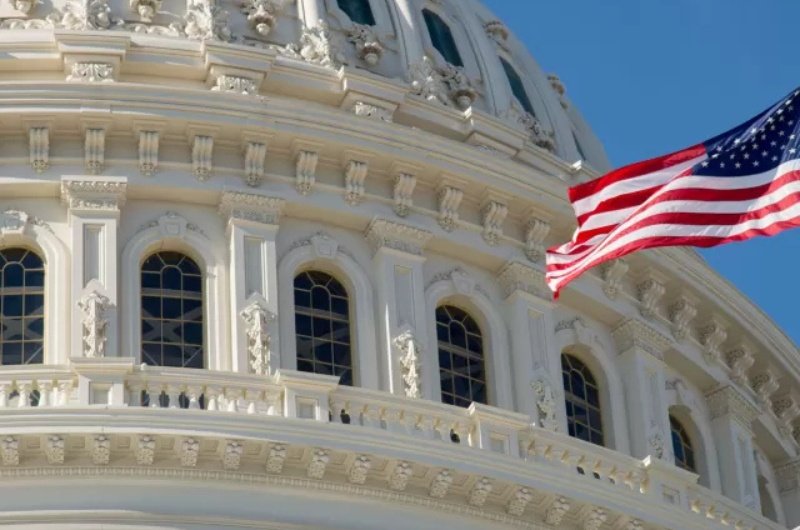
The Department of Homeland Security is just four days away from a potential shutdown, as negotiations over funding stall and Democrats lay out a list of conditions they say must be met before approving a spending bill. If no agreement is reached by the deadline, a shutdown would affect multiple agencies operating under the Department of Homeland Security, including immigration enforcement, border operations, cybersecurity, disaster response, and transportation security. While some essential services would continue, thousands of federal employees could be furloughed, and key programs would face disruptions. Democrats have made clear they will not approve DHS funding without what they describe as concrete legislative safeguards. According to party leaders, their conditions must be enacted directly as part of the DHS spending bill, not addressed through future negotiations or executive actions. The list includes ten demands focused on oversight, accountability, and constitutional protections. Among them are requirements for mandatory body cameras for immigration enforcement officers, stricter limits on when agents may enter private homes, and explicit enforcement of judicial warrant requirements. Democratic lawmakers are also pushing for measures that would prohibit the use of masks during enforcement operations, arguing that visible identification is necessary for accountability. They have emphasized that Fourth Amendment protections must be upheld, particularly during arrests and home entries, and that violations should be subject to independent investigation. Another key demand asserts the authority of state and local governments to conduct their own investigations into alleged violations of state and local laws, even when federal agencies are involved. Democrats argue this provision is essential to maintaining checks on federal power. Republicans have criticized the demands as overreach, warning that tying enforcement restrictions to funding could weaken DHS operations at a critical moment. They argue that immigration enforcement and national security should not be subject to what they describe as last-minute policy concessions. With the deadline approaching, neither side appears ready to back down. If talks fail, DHS would join a growing list of federal agencies caught in the crossfire of broader political disputes, once again raising questions about Congress’s ability to fund the government without crisis-driven deadlines. For now, the clock is ticking — and the outcome could determine not only whether DHS remains operational, but how its authority is defined moving forward.
Federal Judge Temporarily Blocks Trump Administration From Withholding Gateway Tunnel Funds

A federal judge has temporarily blocked the Trump administration from withholding billions of dollars in federal funding for the Gateway tunnel project, stepping into a high-stakes dispute over infrastructure spending and executive authority. The ruling follows lawsuits filed by New York, New Jersey, and the Gateway Development Commission. State officials argue that the funding freeze threatens a critical transportation project and exceeds the administration’s legal authority. At the center of the case is the Gateway tunnel project, a $16 billion effort to construct new rail tunnels beneath the Hudson River. The project is seen as essential to maintaining reliable rail service along the Northeast Corridor, which serves Amtrak and multiple commuter rail systems between Washington and Boston. The Trump administration moved to halt the funds late last year, citing concerns related to oversight and broader policy priorities. State leaders countered that the project had already met federal requirements and warned that delays would drive up costs and risk service disruptions. In issuing the temporary block, the judge pointed to the potential for immediate harm if funding remained frozen. The court noted that delays could lead to job losses, higher construction costs, and long-term transportation problems in one of the nation’s most economically important regions. The ruling does not permanently resolve the dispute. Instead, it preserves the current funding arrangement while the court considers whether the executive branch can suspend previously approved infrastructure funding without congressional approval. Legal experts say the case could have broader implications for future administrations, particularly around how much control the White House can exert over federally funded projects once money has been authorized. For now, the decision offers temporary relief for state officials and project supporters, while setting the stage for a legal battle that could shape the balance of power over infrastructure spending. ——————– Related: Trump Wants Dulles Airport and Penn Station to Bear His Name in Exchange for Release of Gateway Tunnel Funding
Trump Wants Dulles Airport and Penn Station to Bear His Name in Exchange for Release of Gateway Tunnel Funding

President Donald Trump has proposed a highly unconventional deal to Democratic Senate leader Chuck Schumer: support renaming Washington’s Dulles International Airport and New York’s Penn Station after Trump, and the White House would release up to $16 billion in frozen federal funding for the long-delayed Gateway tunnel project. According to multiple reports, the proposal was raised during private discussions surrounding the stalled infrastructure project, which would build new rail tunnels beneath the Hudson River between New Jersey and New York. The Gateway project is widely viewed as critical to the Northeast Corridor, the busiest rail route in the United States. Schumer publicly rejected the idea, calling the suggestion inappropriate and stating that the administration could release the funds without any such conditions. The Gateway tunnel project has long been a political flashpoint, involving years of cost debates, federal-state negotiations, and concerns over aging rail infrastructure. The existing tunnels, which date back more than a century, were heavily damaged during Superstorm Sandy and are considered increasingly unreliable. Transportation officials have warned that a prolonged funding freeze could result in severe service disruptions affecting hundreds of thousands of daily commuters. Trump’s reported proposal immediately sparked controversy on Capitol Hill. Critics framed the offer as an attempt to leverage federal infrastructure dollars for personal branding, an approach they argue undermines longstanding norms surrounding public assets and taxpayer funding. Schumer responded by saying he had no authority to rename federal transportation hubs and accused the president of politicizing a project with major economic and safety implications. Supporters of the president, however, pushed back on that characterization. Some Republicans argued that the administration has the right to reassess federal spending priorities and questioned the management and cost structure of the Gateway project itself. A small group of GOP lawmakers has separately introduced legislation proposing to rename Dulles Airport in Trump’s honor, though the measure faces steep political odds. The White House has not formally outlined the proposal in writing, leaving lingering questions about whether the suggestion was intended as a serious negotiation tactic or a symbolic gesture. Still, the episode has added a new layer of tension to an already fraught infrastructure debate, highlighting how deeply political dynamics now shape major public works decisions. ——————– Related: Federal Judge Temporarily Blocks Trump Administration From Withholding Gateway Tunnel Funds
When Words Are All You Have Left — A Family’s Plea in the Face of the Unthinkable

In moments of deep uncertainty, families often cling to the one thing still within their control: the ability to speak. To reach out. To ask — even when there are no guarantees anyone is listening. That reality came into focus as the family of Savannah Guthrie publicly appealed for contact in the search for a missing loved one. The message was simple and profoundly human — we want to talk. Not to negotiate headlines or satisfy public curiosity, but to bridge a silence that has become unbearable. Experts who study trauma say this kind of plea reflects a universal instinct. When control is stripped away, communication becomes a lifeline. Speaking directly — even into uncertainty — allows families to assert presence, love, and hope in situations that otherwise feel frozen and powerless. For families facing prolonged unknowns, waiting can be more emotionally draining than answers themselves. Days stretch without shape. Normal routines collapse. What remains is the act of holding space — for fear, for hope, and for the possibility that someone, somewhere, will respond. The Readovia Lens Life is often rewired not by sudden endings, but by moments when words become the only remaining tool. A family’s plea to speak reminds us that beneath every public crisis is a deeply personal longing — to connect, to be heard, and to hold onto hope in uncertain moments.
More Families Are Choosing Home Births — and Rethinking How Care Should Feel

A growing number of American families are choosing home births, signaling a broader shift in how people think about healthcare, autonomy, and trust in medical systems. While hospital births remain the standard for most families, the quiet rise in home deliveries reflects changing expectations around comfort, control, and personalized care. For many parents, the decision is not about rejecting modern medicine but about seeking an experience that feels less clinical and more personal. Advocates of home birth often point to continuity of care, fewer medical interventions, and a calmer environment during labor and delivery. Certified midwives and home-birth providers emphasize close monitoring, individualized birth plans, and long-term relationships built throughout prenatal care. The trend also mirrors wider dissatisfaction with parts of the healthcare system. Rising costs, rushed appointments, and concerns about unnecessary procedures have led some families to explore alternatives that offer greater involvement in decision-making. In this context, home birth is increasingly viewed not as a fringe option, but as part of a broader move toward patient-directed care. Medical professionals remain divided. Many obstetricians stress that hospitals provide essential resources during emergencies, while others acknowledge that properly screened, low-risk pregnancies can result in safe outcomes outside traditional settings. The discussion highlights a larger tension in modern healthcare — balancing safety, cost, and patient choice. The Readovia Lens The growing interest in home births reflects more than changing preferences around childbirth. It points to a wider desire for care that feels personal, respectful, and aligned with individual values. As families rethink where and how they receive care, conversations about choice, comfort, and trust are shaping healthcare decisions well beyond the delivery room.
Trump Officially Launches TrumpRx.gov to Lower Prescription Drug Costs

President Donald J. Trump has officially launched TrumpRx.gov, a new federal initiative aimed at reducing prescription drug costs for American patients by offering direct access to discounted medication prices. The platform functions as a pricing and access portal rather than a traditional pharmacy. Patients can search for select medications and either purchase them directly from participating manufacturers or use available discount options at local pharmacies. At launch, the site includes dozens of commonly prescribed drugs, particularly those used to treat chronic conditions such as diabetes, heart disease, respiratory illness, and obesity. Administration officials say the program is designed to benefit uninsured and underinsured Americans, as well as those facing high out-of-pocket costs. Prices listed on TrumpRx.gov are negotiated through agreements that benchmark U.S. drug costs against lower prices paid in other developed countries, an approach the White House says helps eliminate long-standing pricing disparities. The launch positions TrumpRx as a cornerstone of a broader healthcare affordability strategy, emphasizing direct consumer access and price transparency over insurer-driven pricing structures. While the administration promotes the initiative as a meaningful step toward lowering everyday healthcare costs, its long-term impact will depend on patient participation and how the program interacts with existing insurance and pharmacy benefit systems. Why it matters: Prescription drug prices remain one of the most persistent financial pressures on American households. TrumpRx.gov represents a significant shift toward government-facilitated, consumer-direct pricing — an approach that could influence future healthcare policy debates as 2026 unfolds.
What Trump’s “Great Healthcare Plan” Means for Your Money — and Your Care

President Donald J. Trump is pushing a fundamental shift in how Americans pay for healthcare, centered on a simple idea: putting healthcare dollars directly into patients’ hands and letting them choose their own care. At the heart of the proposal is a move away from government subsidies flowing primarily to insurers and large healthcare systems. Instead, the administration envisions depositing healthcare funds directly into individual healthcare savings accounts. Patients would then use that money to purchase coverage, services, or medications that best fit their family’s needs — creating a more consumer-driven healthcare market. The plan’s core promise is choice. By allowing individuals to shop for care with their own allocated funds, supporters argue that competition would drive prices down while improving quality. Patients could compare providers, seek transparent pricing, and avoid paying for coverage or services they don’t use. The administration frames this as a way to reduce waste, eliminate middlemen, and end what it describes as systemic inefficiencies baked into the current system. Critics, however, raise questions about how the plan would work in practice. Key concerns include whether direct funding would be sufficient for patients with complex or chronic conditions, how catastrophic care would be handled, and whether consumers would realistically have the information needed to navigate medical pricing on their own. The proposal would likely reshape insurance markets, potentially reducing the role of traditional plans while increasing reliance on high-deductible coverage paired with savings accounts. The Readovia Lens If implemented, the Great Healthcare Plan would represent one of the most significant structural changes to U.S. healthcare financing in decades. By shifting power — and responsibility — directly to patients, the plan could lower costs for some Americans while fundamentally changing how healthcare is bought, sold, and valued across the system.
AI’s Next Phase Isn’t Louder — It’s Quieter and Everywhere

Artificial intelligence is no longer arriving with splashy product launches or headline-grabbing demos. Instead, its next phase is unfolding quietly, embedded into everyday tools and workflows in ways most users barely notice. From email and calendars to document editing and customer support, AI is becoming less of a destination and more of a background layer. Major technology companies including OpenAI, Google, and Microsoft are increasingly focusing on integration rather than novelty. The emphasis has shifted from standalone AI products to systems that assist continuously, making small decisions, suggestions, and optimizations throughout the day. This quieter evolution reflects a strategic recalibration. As AI capabilities mature, value is moving away from eye-catching outputs and toward reliability, speed, and contextual awareness. The most impactful AI systems are not those users think about often, but those that remove friction without demanding attention. The shift also mirrors broader changes in how people discover and interact with information online. As AI tools become intermediaries across platforms, they are reshaping not just productivity, but the flow of information itself — a theme explored in Readovia’s recent Editor’s Journal on the changing nature of online discovery. Together, these developments suggest a future where AI’s influence is pervasive, but increasingly invisible. For businesses and platforms, the message is clear: competitive advantage will come not from chasing the loudest AI features, but from embedding intelligence so seamlessly that users forget it’s there at all. ——————– The Shift in Online Discovery: AI, Search, and Who Owns the Audience
Paul Weiss Chairman Steps Down After Newly Released Epstein Emails Surface

Brad Karp, the chairman of one of America’s most influential law firms, resigned Wednesday after newly unsealed emails revealed past contact with Jeffrey Epstein, renewing scrutiny of the late financier’s far-reaching personal network. Karp, who has led Paul, Weiss, Rifkind, Wharton & Garrison for nearly two decades, said he decided to step aside following the disclosure of the correspondence. The emails were made public as part of a broader federal document release tied to ongoing investigations into Epstein’s associates and social circle. According to the firm, Karp never represented Epstein in a legal capacity, and the emails did not involve firm business. Still, the revelations prompted internal concern that the attention surrounding the correspondence could distract from client work and the firm’s leadership responsibilities. Karp said remaining in the chairman role was no longer tenable under the circumstances, though he plans to continue practicing law at the firm. Paul Weiss has named senior partner Scott Barshay as the new chairman, signaling an effort to stabilize leadership quickly amid growing public attention. The firm emphasized continuity in its operations and leadership structure, underscoring that no wrongdoing has been alleged against the firm itself. The resignation adds to the expanding ripple effects of the Epstein disclosures, which have once again drawn prominent institutions into uncomfortable public reassessments. As additional records continue to emerge, the episode underscores how associations — even indirect ones — can carry lasting reputational consequences across the legal, political, and financial worlds.