


AI’s Rapid Growth Could Push Smartphone and PC Prices Higher in 2026

Artificial intelligence is reshaping the technology industry in ways that extend far beyond software. As demand for AI computing power accelerates, the hardware required to support it is becoming more expensive — and consumers may begin to feel the effects this year. Much of the pressure stems from the massive infrastructure needed to train and operate advanced AI systems. Data centers built to support AI workloads require large amounts of memory and specialized components, drawing supply away from the consumer electronics market. That shift is creating tighter availability for key parts used in smartphones, laptops, and personal computers. As component costs rise, manufacturers face difficult choices. Some may absorb a portion of the added expense, but others are expected to pass higher costs on to consumers. For shoppers, that could mean higher prices for new devices or fewer discounts compared with previous years. The trend arrives at a time when many consumers are already being selective about technology upgrades. While innovation continues, the pace of must-have device features has slowed, making price increases more noticeable. Buyers may hold onto phones and computers longer, repair existing devices, or delay upgrades altogether. Looking ahead, AI’s impact on hardware pricing highlights an often overlooked side of technological progress. While software capabilities advance rapidly, the physical resources required to power them remain finite. In 2026, the growth of artificial intelligence may not just change what devices can do — it may also influence how much consumers pay to use them.
Readovia Celebrates A Successful First Year & Pauses for Winter Break

As we head into the Christmas and New Year’s holiday week, the Readovia team is stepping away from the newsroom to enjoy time with loved ones, celebrate meaningful traditions, and embrace the rest and reflection this season invites. This pause comes at the close of Readovia’s first full year in publication. After officially launching in December 2024, 2025 marked our inaugural year of consistent reporting, editorial refinement, and audience growth. Over the past twelve months, Readovia established its voice, expanded coverage across the topics shaping modern life, and built a growing community of readers who value clarity, context, and thoughtful journalism. With deep gratitude for you — our loyal readers and supporters from the very beginning — we’re pausing publication from Christmas Eve through New Year’s Day. We’ll return on January 2 with fresh stories, insightful coverage, and a renewed commitment to meaningful reporting in the year ahead. Of course, should a major breaking story arise, we’ll be here to cover it — pajamas and all. Until then, all of us at Readovia wish you peace, warmth, safe travels, and memorable moments that matter most. Happy Holidays, — Jewel Perry, Editor-in-Chief and The Readovia Team
Justice Department Releases New Epstein Files, Drawing Scrutiny Over Redactions
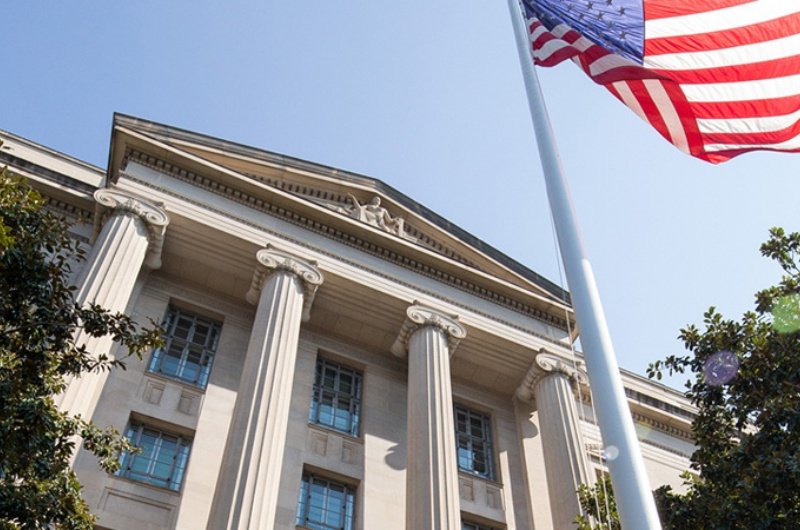
The U.S. Justice Department on Tuesday released a new batch of records connected to the late financier Jeffrey Epstein, unveiling tens of thousands of pages of documents and video files tied to the federal investigation that has long drawn public scrutiny. The release, which includes flight logs, internal communications, and investigative materials, adds new detail to Epstein’s network of high-profile contacts from the 1990s and early 2000s. Among the disclosures is documentation indicating that former President Donald Trump traveled on Epstein’s private jet multiple times during that period, a figure higher than previously acknowledged in public reporting. Despite the volume of material released, the documents are heavily redacted, prompting immediate criticism from lawmakers, victims’ advocates, and transparency groups. Survivors of Epstein’s abuse have expressed frustration that key names, dates, and contextual details remain obscured, arguing that the redactions limit accountability and public understanding of how Epstein was able to operate for years. Members of Congress from both parties questioned whether the Justice Department’s release fulfills the intent of recent transparency legislation aimed at making Epstein-related records public. Several lawmakers signaled that further action, including hearings or legal challenges, could follow if additional information is not disclosed. The Epstein case continues to cast a long shadow over the U.S. justice system, raising unresolved questions about prosecutorial decisions, elite influence, and institutional accountability. While the latest release sheds new light on Epstein’s connections, it has also intensified calls for a more complete accounting of one of the most notorious criminal cases in recent American history.
Powerball Jackpot Soars To $1.7 Billion

The U.S. Powerball jackpot has climbed to an astonishing $1.7 billion, setting the stage for a record-setting Christmas Eve drawing that has captured attention nationwide. The latest round of play produced no jackpot winner, allowing the prize to swell further after Monday night’s drawing. Several tickets matched five numbers to secure million-dollar wins, but the grand prize remains unclaimed — and growing. The odds of winning remain extraordinarily slim, roughly 1 in 292 million, yet the holiday timing has fueled ticket sales and renewed enthusiasm. Winners will ultimately face a choice between a long-term annuity paid out over decades or a one-time cash option estimated at just over $780 million, a sum that would instantly reshape any financial reality. The current jackpot ranks among the largest in U.S. lottery history, joining a short list of billion-dollar Powerball runs that have captured the public imagination. In a year marked by economic uncertainty and rising costs, the swelling jackpot has become a shared moment of optimism — a reminder of possibility, however remote. Beyond the headline figure, the extended rollover highlights the unique tension at the heart of lottery culture: the promise of sudden transformation set against the certainty of long odds. With the next drawing scheduled for Christmas Eve, millions of Americans may head into the holiday holding a ticket — and a fleeting sense of what-if — as the year comes to a close.
U.S. Moves to Block New Foreign-Made Drones Over National Security Concerns

U.S. regulators are moving to block approvals for new foreign-made drones, citing growing national security concerns tied to data collection and surveillance risks. The action targets future models produced by several overseas manufacturers, including industry-leading drone maker DJI, and marks a significant escalation in Washington’s scrutiny of consumer and commercial drone technology. Under the new restrictions, federal authorities will no longer grant approvals required for new drone models to enter the U.S. market. While drones already in use will not be affected, the move effectively freezes future sales and imports unless manufacturers meet stricter security standards. Officials have long warned that drones equipped with cameras, sensors, and location tracking capabilities could pose risks if sensitive data is accessed or transmitted outside the United States. The latest step reflects broader efforts to reduce reliance on foreign technology in areas deemed critical to national security. The decision could have wide-ranging implications for hobbyists, photographers, construction firms, agriculture operators, and public safety agencies that rely on drones for daily operations. DJI, which dominates the U.S. drone market, has consistently denied allegations that its products pose security threats and says customer data is protected. The drone restrictions arrive amid a larger push to tighten controls on foreign-made technology used in American airspace, communications, and infrastructure. As enforcement expands, consumers and businesses may soon see fewer choices — and higher costs — when it comes to next-generation drone hardware.
U.S. Halts Construction on Five Offshore Wind Projects Over National Security Concerns

The U.S. government has paused construction and leases for five major offshore wind projects along the East Coast, citing national security concerns that turbine blades and large offshore structures could interfere with military radar systems. The move disrupts projects already underway and introduces new uncertainty for one of the nation’s most ambitious renewable energy sectors. Interior Secretary Doug Burgum said the pause will allow federal agencies to work with developers and state partners to evaluate potential radar interference and other risks. Several of the affected wind farms were in active development and had already begun on-site construction. The halted projects include Revolution Wind, Vineyard Wind 1, Sunrise Wind, Empire Wind, and Dominion Energy’s Coastal Virginia Offshore Wind. Combined, they represent billions of dollars in investment and were expected to generate clean energy for hundreds of thousands of homes once operational. Political and Industry Response The decision drew rapid responses from both energy companies and political leaders. Supporters of offshore wind development warn that halting construction could jeopardize job growth, delay clean-energy timelines, and undermine regional commitments to renewable power. Supporters of the pause argue that ensuring military readiness must take priority. They point to concerns that large turbine blades and reflective offshore towers can affect radar performance, which is essential for tracking aircraft, detecting threats, and maintaining coastal defense operations. A New Flashpoint in U.S. Energy Policy The suspension arrives at a time when energy strategy, national security, and regulatory oversight are becoming increasingly intertwined in national politics. With construction halted, developers and state officials are assessing the economic impact and awaiting further federal guidance on whether — and how — the projects can resume. The move sets the stage for a broader debate over how the nation balances clean-energy ambitions with defense and security considerations heading into a pivotal election year.
U.S. Faces Early, Severe Flu Surge as ‘Super Flu’ Strains Hit Multiple States

The United States is facing an unusually early and aggressive flu season, with what health officials are calling a “super flu” strain driving sharp increases in cases and hospitalizations. Several states are reporting influenza activity far above normal levels for December, raising concerns as holiday travel accelerates. Hospital admissions for influenza have climbed rapidly in recent weeks, prompting heightened alerts at medical centers nationwide. States in the Mountain West, South, and Northeast — including Colorado, Louisiana, and New Jersey — are seeing some of the fastest growth in flu-like illness. Early analysis suggests the dominant H3N2 strain may be spreading more easily this season, contributing to the nationwide surge. Millions Already Affected Nearly 3 million Americans are believed to have fallen ill so far, with the overall burden continuing to rise ahead of the typical January–February peak. Hospitals in several regions report increased admissions among older adults and young children, who remain most vulnerable to severe illness and complications. Symptoms and What to Watch For Symptoms of the circulating strain mirror classic influenza signs — fever, persistent cough, body aches, headaches, congestion, and fatigue — but clinicians note that some patients are experiencing more severe respiratory symptoms than usual. Health professionals are urging people to seek early testing and treatment, especially those at higher risk. Health Officials Urge Prevention Public health officials continue to emphasize vaccination for anyone six months or older who hasn’t yet received a flu shot. Even when the circulating strain evolves, vaccination remains one of the most effective defenses, reducing the risk of severe illness and hospitalization. They also encourage simple preventive measures: washing hands regularly, staying home when sick, covering coughs and sneezes, and wearing a mask in crowded indoor settings if symptoms appear. A Potentially Difficult Holiday Season With millions of Americans traveling and gathering for the holidays, health experts warn the flu wave could intensify in the coming weeks. Hospitals nationwide are preparing for higher patient volumes as flu, RSV, and other respiratory viruses circulate concurrently.
Democrats & Republicans Pitch Competing Plans to Tackle America’s Affordability Crisis

As the cost of living continues to stretch household budgets, lawmakers on Capitol Hill are rolling out competing proposals aimed at lowering expenses for millions of Americans. With affordability emerging as one of the dominant political issues heading into 2026, both parties are trying to claim the mantle of economic relief — but with sharply different approaches. Democrats are pushing a plan centered on reducing out-of-pocket costs for everyday essentials, including efforts to lower prescription drug prices, expand housing assistance and boost subsidies for child care. They argue that household budgets have endured years of inflation-driven pressure and need immediate, direct support. Republicans, meanwhile, are prioritizing tax relief and deregulation. Their proposal focuses on easing federal rules they argue drive up prices, while offering targeted tax credits aimed at working families and small businesses. GOP leaders say the fastest way to bring down costs is to reduce the government’s footprint and spur private-sector growth. Households Still Feeling the Strain Despite slowing inflation and brighter economic indicators in some areas, many Americans say their financial stress hasn’t eased. Rising rents, higher insurance premiums, lingering food costs, and elevated interest rates continue to weigh heavily on families — especially lower-income consumers who face the steepest trade-offs. A Political Battle With Real Stakes With both chambers looking ahead to a contentious 2026 election season, lawmakers are racing to present solutions that resonate with voters. While the two plans share the same goal — improving affordability — the divide over how to get there has set the stage for months of negotiations. For now, Americans are watching closely, hoping the gridlock breaks and real relief finally reaches their wallets.
Record Holiday Travel Surge Expected to Pack Airports and Crowd Highways This Week

A record 122 million Americans are expected to travel this Christmas and New Year’s period, marking one of the busiest holiday travel seasons ever recorded. New AAA forecasts show that more than 109 million people will hit the road, while over 8 million are expected to fly — levels that rival and, in some cases, surpass pre-pandemic highs. Airlines are reporting near-full flights throughout the week, and transportation officials warn that airport passenger volumes will place heavy strain on security checkpoints and terminal operations. Families heading home for the holidays are being urged to arrive early and expect longer-than-usual wait times. Airports Prepare for the Rush Carriers have added aircraft on popular routes and reassigned crews to accommodate demand, but the sheer volume of travelers means major airports will remain crowded through Christmas Eve. Any winter weather system — even a minor one — has the potential to create ripple effects nationwide during such a tightly packed travel window. Congested Roads Ahead Drivers will make up the majority of holiday travelers. With 109 million people driving at least 50 miles from home, traffic analysts project heavy congestion on interstates across the Midwest, Northeast, and South. Lower gas prices are helping make road trips more affordable, but major delays are still expected, particularly during late afternoons and early evenings leading into the holiday. A Nation on the Move Despite higher household costs and a busy December news cycle, Americans are not staying home this season. The travel surge reflects a strong drive to reconnect with loved ones — and it’s creating one of the most spirited, high-movement holiday periods in years.
The Rise of “Second Christmas”: Why More Families Are Embracing an Extended Holiday Tradition

While Christmas Day often carries the weight of expectation — family schedules, long drives, crowded homes, and carefully choreographed moments — a quieter holiday tradition is gaining fresh attention in the United States: Second Christmas. Long celebrated across Europe and observed in some American communities, including Amish households, Second Christmas (traditionally December 26th) offers something rare in modern life: a built-in pause. It’s a day meant for slower gatherings, relaxed meals, casual visits, winter walks, and time with extended friends and family who didn’t fit into the intensity of Christmas Day. A Softer Follow-Up to a Busy Holiday Unlike the high-pressure rhythm of December 25th, Second Christmas shifts the focus away from gifts, travel, and time slots — and toward connection. Families who observe it describe it as the “exhale” of the holiday season, a day where no one rushes, the meal is simple, and the goal is to enjoy the moments that didn’t fit into the first celebration. For many, it’s a way to stretch the meaning of Christmas rather than the commercial side of it. Instead of repeating the intensity of the holiday, the day is used for something gentler: leftovers, card games, calling old friends, or hosting another round of family who couldn’t make the main event. A Tradition Rooted in History Second Christmas has deep cultural roots. In countries such as Germany, the Netherlands, and the Nordic region, the “Second Day of Christmas” is a national holiday built into the calendar. In the U.K., it aligns with Boxing Day, and in parts of the Christian world, it coincides with St. Stephen’s Day. While practices differ, the central idea is the same: one day isn’t enough to fully celebrate or fully rest. Why It’s Resonating in America Today Modern family life is more complex than ever — blended households, long-distance relatives, competing schedules, and the rise of remote work have all stretched the traditional holiday calendar. Second Christmas is emerging as a natural solution. Instead of packing every obligation into a single 24-hour window, families are spreading the holiday over two days, making room for: Multiple households Easier travel Reduced stress More meaningful time with loved ones Less pressure on Christmas Day itself For some, it simply means waking up on the 26th with nowhere they have to be — a rare gift in itself. A Tradition Finding New Momentum Whether celebrated formally or improvised out of necessity, Second Christmas offers something undeniably modern: permission to slow down. At a time when the holidays can feel busy, loud, and overstuffed, the idea of an intentional, peaceful follow-up day is resonating with more families each year. In a world that rarely pauses, Second Christmas is becoming a small but meaningful way to reclaim a bit of rest — and a bit of joy — before the year ends.