

Iran Protest Crackdown Nears 2,600 Dead Amid Warnings of Strikes on U.S. Bases

Iran’s internal unrest has reached a grim new milestone as a U.S.-based human rights organization reports that the death toll from nationwide protests is approaching 2,600, marking one of the deadliest crackdowns in the country in years. The escalating violence is now colliding with heightened geopolitical tensions, raising concerns well beyond Iran’s borders. According to the Human Rights Activists News Agency (HRANA), at least 2,571 people have been killed since demonstrations erupted across Iran, with thousands more arrested or injured as security forces intensified their response. The protests, driven by widespread anger over political repression, economic hardship, and social restrictions, have spread to dozens of cities, posing one of the most sustained challenges to Iran’s ruling establishment in years. As the unrest deepens, Iranian officials have issued stark warnings to neighboring countries, saying Tehran could target U.S. military bases in the region if Washington intervenes directly in the crisis. The remarks underscore growing fears that a domestic uprising could spill into a broader regional confrontation, particularly given the heavy U.S. military presence across the Middle East. U.S. officials have condemned Iran’s crackdown and signaled that options remain on the table, while stopping short of confirming any imminent military action. Meanwhile, reports indicate that some American personnel in the region have adjusted their security posture as a precaution, though no large-scale redeployments have been announced. Iranian authorities continue to frame the protests as acts of terrorism orchestrated by foreign powers, including the United States and Israel. Rights groups and international observers, however, describe a rapidly unfolding humanitarian crisis that now sits at the intersection of internal repression and rising global instability — with consequences that could reverberate far beyond Iran’s borders.
Saks Global Files for Bankruptcy Amid Shifting Luxury Shopping Habits
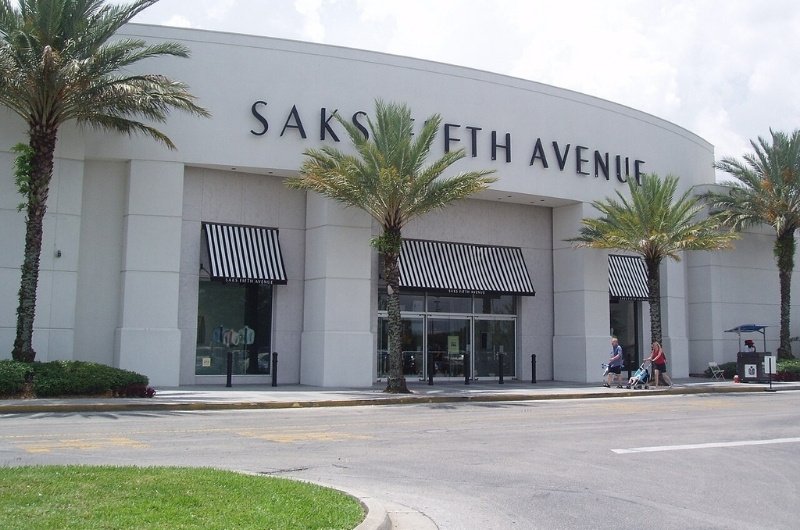
Saks Global filed for Chapter 11 bankruptcy protection on Tuesday, underscoring the growing challenges facing traditional luxury retailers in a post-pandemic economy shaped by higher costs and changing consumer habits. The company, which owns Saks Fifth Avenue, Neiman Marcus, and Bergdorf Goodman, said it plans to keep stores open while restructuring its finances. Customer loyalty programs and normal operations are expected to continue during the bankruptcy process. Saks Global expanded aggressively after the pandemic, using mergers and low-interest borrowing to scale its business. That approach worked briefly during the luxury spending rebound, but rising interest rates and mounting debt quickly narrowed the company’s margin for error. As costs climbed, the balance sheet became increasingly difficult to sustain. At the same time, the company experimented with new distribution strategies. Saks recently launched a storefront on Amazon, signaling an effort to meet luxury shoppers where they already spend time online. While the move reflected changing consumer behavior, it also highlighted how far legacy luxury retailers have been pushed to adapt outside traditional department-store models. Luxury retail itself has been undergoing a broader shift. Shoppers who once relied on department stores are increasingly buying directly from brands, shopping online, or prioritizing experiences over high-end purchases. While some luxury brands have successfully leaned into direct-to-consumer models, department-store-style operators continue to face structural challenges. Industry observers say Saks Global’s restructuring will serve as a key test for whether large luxury retail groups can adapt to today’s environment. The outcome may shape how other legacy retailers approach growth, debt, and long-term sustainability in a sector that no longer operates by pre-pandemic rules.
AI Gives Businesses a Chance to Rethink the Workday in 2026

Editor’s Journal The future of work may be shorter — if businesses are willing to embrace AI and use it wisely. For decades, productivity gains have followed the same frustrating pattern: new tools make work faster, but employees rarely see the benefit. Instead of gaining time, workers are asked to do more. In 2026, artificial intelligence presents an opportunity to finally change that dynamic — not by pushing people harder, but by using technology to make work life genuinely easier. As businesses race to adopt AI, the conversation has focused heavily on efficiency, cost savings, and output. Those goals are understandable. But they are also incomplete. AI is already capable of reducing or eliminating many of the tasks that quietly consume the modern workday — writing, scheduling, data analysis, strategic planning, and more. For a growing number of jobs, the eight-hour workday has become a habit rather than a necessity. This opens the door to a long-overdue question: if AI can significantly reduce the time it takes to complete core responsibilities, why are we still organizing work around rigid, full-day schedules? A four-day workweek, or six-hour workdays at full pay, are no longer radical ideas. They are increasingly practical outcomes of smarter systems doing the repetitive work humans no longer have to spend hours on. There is also a compelling business case for this shift. Burnout has become one of the most expensive hidden costs in the modern workplace, driving turnover, disengagement, and declining creativity. Shorter workweeks and more flexible schedules have already shown improvements in focus, morale, and retention where they’ve been tested. Employees who feel trusted with their time tend to bring more clarity and energy to the hours that truly matter. Not every job can immediately move to a four-day week or six-hour workday. But leadership teams should begin thinking less about hours logged and more about outcomes achieved. AI makes that shift possible by separating productivity from presence — a distinction long overdue in knowledge work. The promise of artificial intelligence was never just about speed. It was about giving people back something they have been steadily losing: time. In 2026, forward-thinking businesses have a chance to prove that progress does not have to come at the expense of well-being. Used wisely, AI could mark the moment work finally begins to fit life — not the other way around.
Household Budgets Tighten as Everyday Costs Continue to Outpace Wage Growth

For many American households, the pressure on monthly budgets is no longer coming from one big expense, but from a steady accumulation of higher everyday costs. Groceries, utilities, insurance, and basic services continue to rise, leaving families with less flexibility even as inflation cools in headline numbers. Consumers report that routine purchases now require more planning, with many cutting back on discretionary spending to absorb higher essentials. Items once considered stable parts of a household budget—such as food staples and home utilities—have become less predictable, forcing families to rework spending priorities month by month. Advertisement While wages have increased in some sectors, they have not kept pace with the cumulative impact of ongoing price increases. Financial planners note that this imbalance is pushing more households to rely on budgeting tools, short-term savings strategies, and stricter spending controls just to maintain stability. Retailers and service providers are also adjusting, offering smaller package sizes, subscription pricing, and targeted discounts as consumers become more price-sensitive. The shift signals a broader change in spending behavior, with value and necessity outweighing convenience and brand loyalty.
Exotic Destinations Gaining Attention as Travelers Look Beyond the Usual Getaways

As international travel continues to rebound, many travelers are looking past familiar vacation hubs and turning toward destinations that offer something rarer: distance from crowds, deeper cultural immersion, and a sense of discovery. The result is renewed interest in places once considered too remote, too complex, or simply overlooked. Across Africa, Southeast Asia, and the South Pacific, travelers are gravitating toward destinations that balance natural beauty with authenticity. Countries such as Namibia, Laos, and Vanuatu are drawing attention for their landscapes, slower pace, and experiences that feel untouched by mass tourism. These locations offer dramatic scenery, rich traditions, and a growing emphasis on sustainable travel. In the Indian Ocean, islands like Madagascar and Mauritius are emerging as alternatives to more commercialized beach destinations. With biodiversity found nowhere else on Earth and a mix of cultural influences, these islands appeal to travelers seeking both relaxation and exploration. Similarly, Central Asia is quietly gaining momentum, with countries like Uzbekistan attracting visitors interested in ancient trade routes, historic cities, and architectural heritage. Travel advisors note that today’s travelers are prioritizing meaning over volume. Rather than packing multiple cities into a single trip, many are choosing longer stays in one destination, allowing time to connect with local communities and environments. Improved flight access and expanded boutique accommodations are making these once-distant locations more approachable. As 2026 approaches, exotic travel is being redefined. It is less about luxury alone and more about rarity, perspective, and experiences that leave a lasting imprint long after the journey ends.
Senior DOJ Leaders Resign After Refusal to Investigate Minnesota ICE Shooting
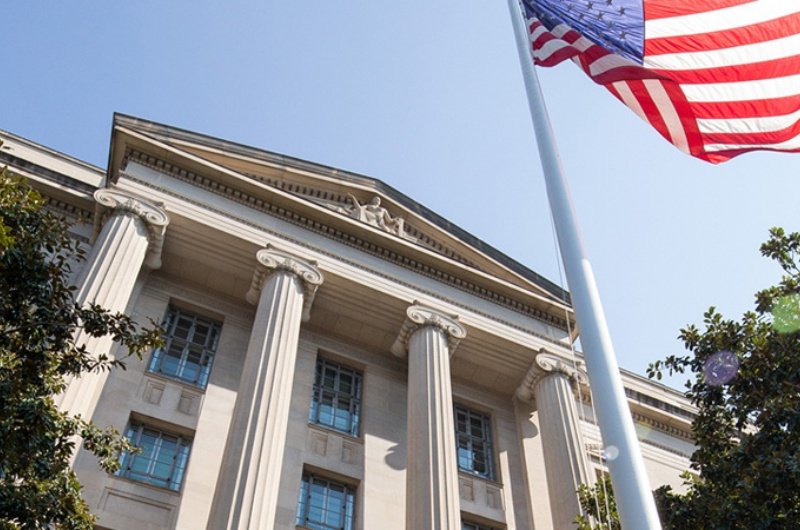
At least four senior leaders within the U.S. Department of Justice have resigned after their division declined to investigate the fatal shooting of a Minnesota woman during a recent U.S. Immigration and Customs Enforcement operation, according to multiple officials familiar with the departures. The resignations came from top officials within the DOJ’s Civil Rights Division, who reportedly concluded they could no longer carry out their mission of impartial public service under the current administration. Internal discussions indicate the officials objected to being sidelined from reviewing the use of force in the Minnesota case, a role the division has traditionally played in incidents involving potential civil rights violations. The shooting occurred during a large-scale ICE enforcement action in Minneapolis, prompting widespread public concern and protests. While the federal government has said the matter is being reviewed by other authorities, the decision not to involve the Civil Rights Division has drawn criticism from current and former Justice Department officials who view the move as a significant departure from long-standing oversight practices. In private conversations, departing officials reportedly expressed alarm over what they described as increasing political influence over enforcement priorities and investigative decisions. The DOJ has not disputed the resignations but has characterized them as unrelated to any single case, a claim questioned by the timing and clustering of the departures. The fallout adds to mounting tension surrounding federal immigration enforcement efforts in Minnesota, where state and local leaders have raised concerns about transparency, accountability, and civil liberties. As protests continue and legal challenges unfold, the resignations mark one of the most visible internal fractures within the Justice Department since the start of the administration. Developing story. Readovia will continue to follow this as more details emerge. ——————– Related: Minnesota Seeks Answers After Fatal ICE Shooting in Minneapolis Vice President Vance Says ICE Agent Has “Absolute Immunity” in Deadly Minneapolis Shooting ICE Officer Shoots Venezuelan Man During Enforcement Action in Minneapolis
Apple Unveils Creator Studio — A Unified Creative Suite With AI Tools

Apple is launching Apple Creator Studio, a new subscription service that brings together its most powerful creative applications under one umbrella and layers in intelligent tools designed to streamline creative workflows. Priced at $12.99 per month or $129 per year, Creator Studio bundles several of Apple’s flagship creative apps — including professional video editing, music production, and graphic design tools — into a single subscription. The package spans both Mac and iPad, highlighting Apple’s strategy of unifying experiences across devices. Among the included apps are tools for video editing, music creation, and image design, all optimized to work seamlessly across Apple’s ecosystem. For the first time, some professional apps previously available only on Mac will also run on iPad, taking full advantage of touch and stylus input. In addition to the core creative applications, the subscription adds premium features and intelligent content to productivity tools, such as presentation, document, and spreadsheet apps, helping users move more quickly from ideas to finished work. Apple said the suite is aimed at creators, students, and professionals who want a more integrated, powerful set of tools — while reinforcing the company’s broader shift toward growing its services business, a priority as hardware sales face increasing competition. Creator Studio will be available on the App Store starting January 28, offering a one-month free trial and special pricing options for students and educators. This move positions Apple more directly against legacy creative software bundles and reinforces its emphasis on subscription services with meaningful enhancements.
Minnesota Sues Trump Administration Over Immigration Operations in Twin Cities

The state of Minnesota, joined by the cities of Minneapolis and St. Paul, has filed a federal lawsuit against the Trump administration, challenging a sweeping immigration enforcement operation underway across the Twin Cities. State officials argue the expanded presence of federal immigration agents exceeds lawful authority and undermines state and local governance. The lawsuit seeks to halt what leaders describe as an aggressive and disruptive operation that has fueled public unrest and raised concerns about civil liberties, due process, and public safety. According to the filing, Minnesota contends the federal action was launched without meaningful coordination with state or municipal authorities and has resulted in heightened fear within immigrant communities. Local leaders say the operation has strained public resources, disrupted daily life, and escalated tensions following a recent fatal shooting involving an immigration officer. The administration has defended the enforcement effort as a lawful exercise of federal power, maintaining that immigration enforcement falls squarely under national jurisdiction. Federal officials argue the operation is necessary to uphold immigration law and ensure public safety, rejecting claims that the actions are politically motivated or unconstitutional. The legal challenge places Minnesota at the center of a growing national conflict over the limits of federal authority, states’ rights, and immigration enforcement tactics. Legal experts note the case could have far-reaching implications for how future federal operations are conducted in states that oppose aggressive immigration crackdowns. As protests continue and court proceedings begin, the lawsuit signals a deepening standoff between Minnesota leaders and the White House—one that is likely to shape immigration policy debates well beyond the Twin Cities. ——————– Related: Minnesota Seeks Answers After Fatal ICE Shooting in Minneapolis Senior DOJ Leaders Resign After Refusal to Investigate Minnesota ICE Shooting Vice President Vance Says ICE Agent Has “Absolute Immunity” in Deadly Minneapolis Shooting
AI Investment Landscape Shifts as Energy, Infrastructure, and Creative Tech Gain Ground

The artificial intelligence boom is entering a new phase, one marked by a notable shift in where money, influence, and innovation are flowing. While major technology companies remain central players, investors and institutions are increasingly looking beyond traditional tech firms to back the systems that power AI behind the scenes. Energy providers and infrastructure companies are emerging as critical beneficiaries of the AI expansion, as data centers and large-scale computing demand vast and reliable power. This shift reflects a growing recognition that the future of AI depends not only on software and models, but on the physical systems required to support them at scale. At the same time, AI development is branching into new creative and commercial territory. Advances in visual and spatial computing are enabling AI systems to work with more complex imagery and environments, opening doors for applications across media, design, retail, and entertainment. These developments signal a move toward AI that interacts more directly with the physical world. Education and workforce preparation are also evolving in response. Universities and training programs are expanding AI-focused initiatives to prepare students and professionals for a job market increasingly shaped by intelligent systems, signaling long-term institutional commitment rather than short-term experimentation. Together, these trends point to a maturing AI ecosystem—one that extends beyond Silicon Valley and software alone. As capital and innovation spread across energy, infrastructure, creativity, and education, AI’s next chapter is being built not just in code, but in the foundations that support modern society.
Real Wages Rising as Inflation Remains in Check, White House Says
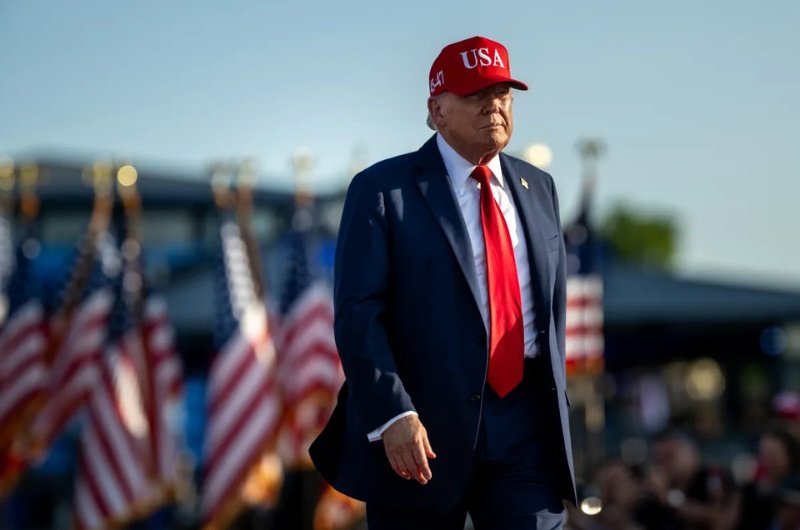
The White House today emphasized that American workers are seeing real wage gains at a time when inflation remains relatively low, painting the latest economic data as a sign of renewed purchasing power for households and blue-collar earners. According to the administration’s economic assessment, inflation has stabilized at levels below those inherited from the prior year, while real private-sector earnings are projected to grow faster than price increases. That dynamic suggests many workers could regain some of the purchasing power lost amid high cost pressures in recent years. The advance in real wages is notable across several sectors of the economy, particularly among goods-producing and construction workers. These gains are being framed as evidence that middle- and working-class Americans are beginning to benefit from broader economic shifts, including changes in pricing dynamics for key goods such as automobiles. Administration officials have tied these developments to a series of fiscal and regulatory actions aimed at easing cost pressures while stimulating private-sector growth. They argue that, with inflation under control, wage growth becomes a more meaningful contributor to household financial health — a contrast to periods when price increases outpaced earnings. At the same time, the broader labor market shows mixed signals. While real earnings are climbing in several industries, overall job growth has been modest and uneven, leaving questions about the durability and inclusiveness of the current recovery. For many Americans, the interplay between stable prices and rising wages could ease budget strains and translate into tangible improvements in day-to-day living costs. However, economists caution that while headline numbers are positive, underlying factors such as labor force participation and sectoral job trends will be key to sustaining broader gains.