


Wegovy Releases Oral Weight Loss Pill, Expanding Access Through Amazon and Weight Watchers

The company behind Wegovy has officially launched a new oral weight loss pill, marking a major shift in how prescription weight management treatments are delivered — and who can access them. The tablet form of Wegovy was approved by the U.S. Food and Drug Administration on December 22, 2025, and became broadly available in U.S. pharmacies on January 5, 2026. The pill is now offered through several online platforms, including Amazon Pharmacy and Weight Watchers, allowing patients to obtain treatment without injections. Pricing varies depending on coverage. With insurance, some patients may pay as little as $25 per month, while cash-paying options reportedly begin around $149 per month, according to Amazon. The expanded access is expected to appeal to patients who previously faced cost, convenience, or delivery barriers. Until now, Wegovy had only been available as a once-weekly self-injection, first approved for weight management in 2021. The new oral version offers a daily pill alternative for patients who prefer tablets over injections and is reported to have a similar efficacy profile to the injectable form. Health experts caution that prescription weight loss medications are not intended as quick fixes. Proper medical screening, ongoing supervision, and lifestyle changes remain essential components of safe and effective treatment. As access expands through digital platforms, questions around long-term use, affordability, and responsible prescribing are likely to remain in focus. The launch also underscores a broader shift toward digital-first healthcare, as major retailers and wellness brands play a growing role in prescription delivery. With demand for medical weight management continuing to rise, the oral option may significantly widen adoption — while reshaping how patients engage with care.
How More Americans Are Quietly Recalibrating Their Lives in 2026

For a growing number of Americans, 2026 isn’t about chasing “the next big thing.” It’s about recalibrating how they live — quietly, intentionally, and on their own terms. Rising living costs, job uncertainty, and burnout from years of instability have pushed many people to reassess priorities. Instead of dramatic career leaps or flashy lifestyle changes, more Americans are opting for smaller resets: simplifying schedules, reevaluating commitments, and creating space for what feels sustainable. Mental health professionals say the shift reflects a deeper cultural recalibration. People are redefining success around stability, flexibility, and peace rather than constant upward momentum. Remote work, side income streams, and intentional downtime are increasingly seen as tools for balance rather than indulgence. This quieter approach doesn’t signal a loss of ambition. Instead, it points to a growing awareness that long-term well-being depends as much on clarity and alignment as it does on progress.
Senate Advances War Powers Resolution to Curb Trump’s Authority on Venezuela
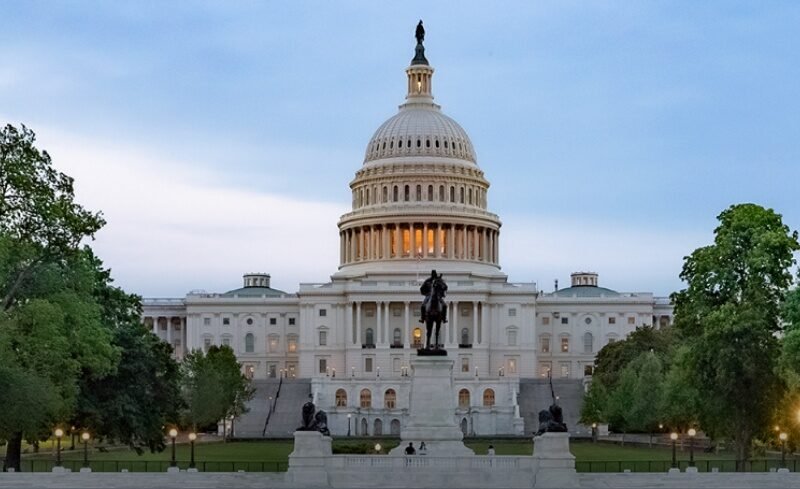
In a rare bipartisan move, the U.S. Senate voted Thursday to advance a war powers resolution aimed at limiting Donald Trump’s ability to take military action against Venezuela without explicit congressional approval. Five Republican senators broke with party leadership to join Democrats in allowing the measure to move forward, signaling growing unease on Capitol Hill over executive authority in matters of war. The resolution would require the president to seek authorization from Congress before engaging U.S. forces in hostilities involving Venezuela, except in cases of imminent threat. Supporters of the measure argue that the Constitution clearly assigns Congress the power to declare war, and that recent actions toward Venezuela risk drawing the United States into a broader conflict without sufficient debate or oversight. They say the vote reflects concern not only about Venezuela specifically, but about preserving the balance of power between the legislative and executive branches. The White House has pushed back forcefully, warning that the resolution could weaken the president’s ability to respond quickly to international threats and undermine U.S. credibility abroad. Administration allies argue that flexibility is essential when dealing with unstable regimes and rapidly evolving security situations. While the resolution faces an uncertain path ahead — including the likelihood of a presidential veto — Thursday’s vote marks a notable moment of bipartisan resistance. It underscores rising tension between Congress and the executive branch as lawmakers reassert their role in shaping U.S. military engagement and foreign policy decisions.
Vice President Vance Says ICE Agent Has “Absolute Immunity” in Deadly Minneapolis Shooting

Vice President JD Vance said Thursday that the federal immigration officer involved in a deadly shooting in Minneapolis is protected by what he described as “absolute immunity,” igniting immediate backlash from civil rights groups, legal scholars, and local officials. The shooting occurred during a federal immigration operation in south Minneapolis, where an agent with U.S. Immigration and Customs Enforcement fatally shot a woman after stopping a vehicle. The incident sparked protests across the city, with demonstrators demanding transparency, accountability, and an independent investigation into the agent’s actions. Speaking to reporters, Vance argued that because the officer was acting in an official federal capacity, he is shielded from criminal or civil liability. The vice president’s use of the term “absolute immunity,” however, has drawn scrutiny, as legal experts note that federal officers typically receive qualified protections that depend on the circumstances surrounding the use of force. Tensions escalated further after state officials confirmed that Minnesota authorities were removed from the investigation, leaving the case solely in federal hands. Local leaders have criticized the move, saying it undermines public trust and limits oversight in a case involving a civilian death. The shooting has intensified a broader national debate over the role of federal immigration enforcement in local communities, the limits of executive authority, and whether existing accountability mechanisms are sufficient when federal agents use deadly force. Protests in Minneapolis continued into the evening as officials called for calm while demanding answers. ——————– Related: Minnesota Seeks Answers After Fatal ICE Shooting in Minneapolis
Minnesota Seeks Answers After Fatal ICE Shooting in Minneapolis

Minneapolis has become the center of national attention after a woman was fatally shot by a federal immigration officer during an enforcement operation, triggering days of protests, political fallout, and growing demands for accountability. The woman, Renee Nicole Good, was killed during a U.S. Immigration and Customs Enforcement action conducted in the city earlier this week. Federal officials say the ICE agent fired in self-defense after Good allegedly attempted to strike officers with her vehicle during the operation. According to the Department of Homeland Security, agents perceived an immediate threat and responded with lethal force. That account has been sharply questioned by local leaders and the community, particularly after video footage circulated online appeared to contradict claims of an imminent danger. The shooting has sparked widespread demonstrations across Minneapolis, with protesters gathering downtown and near government buildings to demand transparency and an independent investigation. Many demonstrators have also called for changes to how federal immigration enforcement is carried out in local communities, arguing that the operation escalated unnecessarily and resulted in the death of a civilian. Tensions between state and federal authorities escalated after Minnesota’s investigative agency disclosed that it has been blocked from taking part in the case, saying the U.S. attorney’s office has asserted control over the investigation. State and local leaders have raised concerns that limiting Minnesota’s role reduces transparency at a moment of intense public scrutiny, emphasizing that any use of deadly force must meet a high threshold and be supported by clear evidence. The incident comes amid a broader federal immigration enforcement push in the Twin Cities region, which had already heightened anxiety in immigrant communities. As protests continue and political pressure mounts, the case is expected to remain under intense scrutiny, with questions lingering over the use of force, federal authority, and the balance between enforcement and public safety.
Major Retailers Slated to Close Hundreds of Locations in 2026 as Consumer Habits Continue to Shift
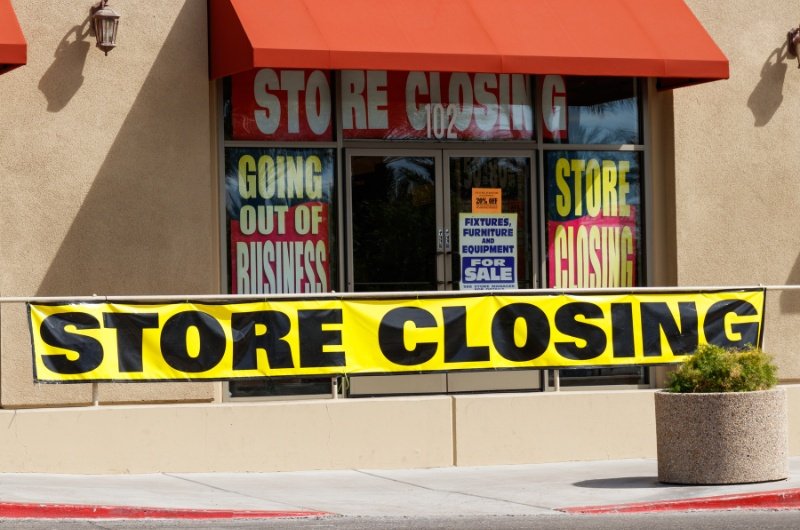
Across the United States, a wave of store and restaurant closures is shaping the early retail landscape of 2026, underscoring enduring changes in consumer habits, economic pressures and corporate strategies. In recent months, a growing number of well-known chains have announced plans to shutter locations, restructure operations or pivot away from traditional brick-and-mortar footprints in favor of digital and experience-driven models. Industry tracking shows that hundreds of stores and restaurants are slated to close their doors this year as companies seek to improve profitability and respond to declining foot traffic. The closures span a wide range of sectors, from clothing and department stores to pharmacies and eateries, reflecting broader shifts in how Americans shop and dine. Some major grocery and drugstore chains have confirmed plans to reduce underperforming locations, a move aligned with long-term efforts to streamline operations and focus resources on stronger markets. Meanwhile, fast-casual and sit-down restaurant brands are also adjusting their portfolios in response to rising costs and changes in consumer spending patterns. Experts say the trend is driven by a confluence of economic forces: continued expansion of e-commerce, tightening consumer budgets, and the increasing importance of omnichannel retail strategies that blend online and physical experiences. For many retailers, this moment is less about retreat and more about rebalancing where and how they connect with customers. As 2026 unfolds, the closures highlight a fundamental transition in the U.S. retail and service sectors. Companies that adapt — by rethinking store formats, enhancing digital offerings or curating unique in-person experiences — are more likely to navigate this period of realignment successfully. Readovia will continue tracking this evolving retail landscape as more companies outline their plans for 2026. ——————– Related: Banner’s Hallmark Files for Bankruptcy
Sara Carter Confirmed as Nation’s Drug Czar, Becoming First Woman to Lead U.S. Drug Policy
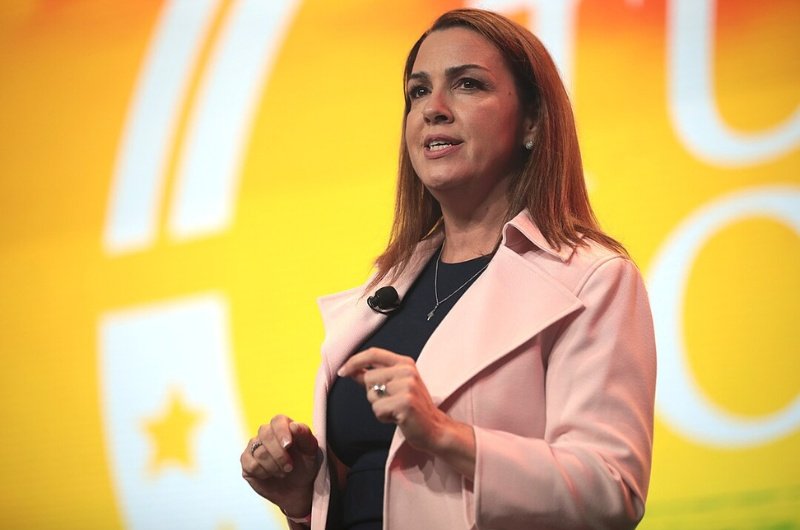
Sara Carter has been confirmed by the U.S. Senate as Director of the Office of National Drug Control Policy, placing her at the helm of the federal government’s efforts to combat drug trafficking, addiction, and overdose nationwide. Her confirmation marks a historic milestone, as Carter becomes the first woman to lead the nation’s drug control policy. The Senate vote was closely divided, underscoring the political sensitivities surrounding drug enforcement, public health strategy, and border security. Carter was nominated by President Trump and now assumes responsibility for coordinating federal drug policy across multiple agencies, including prevention, treatment, law enforcement, and international cooperation. In remarks following her confirmation, Carter emphasized a commitment to protecting American families and communities from the harms of illicit drugs. She signaled a dual focus on holding traffickers accountable while also supporting prevention and recovery efforts aimed at reducing addiction and overdose deaths. Carter brings a nontraditional background to the role, having built her career as an investigative journalist covering cartel activity, drug trafficking routes, and organized crime, particularly along the U.S.–Mexico border. Supporters argue that her field experience provides firsthand insight into the networks driving the drug trade, while critics have questioned how that background will translate into managing a large federal policy operation. The Office of National Drug Control Policy plays a central role in shaping the federal government’s response to drug-related challenges, including coordination between domestic agencies and international partners. The director’s influence can extend across public health initiatives, criminal enforcement priorities, and diplomatic efforts aimed at disrupting trafficking organizations. Carter takes office at a time when the United States continues to grapple with fentanyl-related overdoses, cartel-driven drug flows, and ongoing debates over how best to balance enforcement with treatment. Her leadership will be closely watched as the administration moves to define its approach to one of the country’s most persistent and complex policy challenges.
Trump Promised Historic Tax Savings — What Americans May Really See This Tax Season

As Americans prepare for the 2026 tax filing season, a bold claim made by Donald Trump late last year is drawing renewed attention. In a nationally televised end-of-year address, Trump said the tax cuts passed under his administration would deliver dramatic savings, predicting that many families would be saving between $11,000 and $20,000 more each year and that the upcoming filing season would produce the largest tax refunds in U.S. history. The statement has fueled optimism — and confusion — among taxpayers now beginning to gather documents for this season’s filings. While recent tax changes are expected to increase refunds for many Americans, independent analyses suggest the real-world impact will vary widely, and for most households, the savings are likely to be far more modest than the headline numbers implied. The tax overhaul enacted in 2025 expanded and extended a range of provisions, including lower individual tax rates, higher deductions in certain categories, and new exemptions for specific types of income. Because many of these changes took effect faster than payroll withholding systems could adjust, millions of workers may have paid more in taxes throughout the year than they ultimately owed — setting the stage for larger refunds when returns are filed. That dynamic helps explain why refunds could rise this year. Refunds, however, are not a measure of wealth gained, but of overpayment corrected. A larger refund often reflects timing and withholding mismatches rather than tens of thousands of dollars in new annual savings. Analysts say that for many middle-income households, increases are more likely to fall in the hundreds or low thousands of dollars, depending on income, filing status, and deductions. The most substantial benefits are expected to accrue to specific groups, including higher-income earners who itemize deductions, households in high-tax states affected by changes to state and local tax limits, and workers whose income falls into newly exempt categories. For others — particularly lower-income filers who rely on the standard deduction — the impact may be limited or uneven. That gap between political messaging and tax reality highlights a broader truth about refund season: headline numbers often obscure complexity. Total tax relief across the economy may reach historic levels in aggregate, but that does not translate evenly to individual households. For many Americans, the upcoming filing season may bring welcome relief — just not the windfall suggested by campaign-style projections. As tax season unfolds, the key question for households will not be whether refunds break records nationally, but how the changes apply to their own paychecks, deductions, and financial plans. For millions of filers, the answer is likely to be clearer — and more nuanced — once returns are completed this spring.
How U.S. Oil Companies Are Navigating the Venezuelan Upheaval

The sudden upheaval in Venezuela has forced U.S. oil companies to reassess a country long viewed as both a strategic opportunity and a high-risk investment. While markets reacted quickly, corporate responses have been far more cautious — signaling that any shift in U.S. energy involvement will unfold gradually, not overnight. Energy stocks climbed in the immediate aftermath of the crisis as investors speculated about Venezuela’s vast oil reserves potentially re-entering global markets. With the largest proven reserves in the world, the country represents an enormous long-term prize. But for U.S. producers, enthusiasm in the markets has not translated into public commitments. Most companies are signaling restraint as they evaluate political stability, legal protections, and the condition of Venezuela’s long-neglected infrastructure. Chevron remains the only major U.S. oil company with ongoing operations in Venezuela under existing approvals, and its posture has been notably conservative. Rather than outlining expansion plans, the company has emphasized regulatory compliance and operational safety. Other U.S. oil majors are taking a wait-and-see approach, monitoring developments while avoiding speculation about renewed investments until clearer governance and commercial frameworks emerge. Where interest appears more immediate is among U.S. refiners, particularly along the Gulf Coast. Several facilities are equipped to process Venezuela’s heavy crude, and expanded access could offer a geographically close supply option without requiring direct upstream investment. For refiners, the opportunity lies less in rebuilding Venezuela’s oil fields and more in selectively integrating supply if conditions allow. The broader challenge remains Venezuela’s oil infrastructure itself. Years of underinvestment have left production facilities degraded, meaning any meaningful recovery would require substantial capital and time. Even under improved political conditions, restoring output to prior levels would be a complex, multi-year effort — one that few companies appear eager to rush into. For now, U.S. oil companies are balancing opportunity against uncertainty. Investors may be pricing in future possibilities, but corporate strategy remains grounded in caution. The next phase will depend not on headlines, but on whether Venezuela can offer the stability and legal clarity required for long-term energy investment. Until then, U.S. firms appear content to watch closely — and move slowly.
The Quiet Mental Health Shift Changing How Americans Approach Fitness

A growing shift is becoming clear: movement does something medication and motivation alone often can’t — it steadies the mind. For much of the modern era, fitness in America has been framed around discipline, performance, and visible results. But something quieter has been unfolding. Increasingly, people are moving their bodies not to change how they look, but to reduce mental noise, sharpen focus, and regain clarity. What many are discovering is that movement does more than strengthen the body. It plays a direct role in mental steadiness. Physical activity helps regulate stress, improve sleep, and create cognitive relief — effects that support clearer thinking and sustained focus. Importantly, these benefits don’t require punishing routines. Consistent, moderate movement often provides the same mental clarity without the burnout. That realization is reshaping how people approach fitness. Walking, stretching, low-impact strength training, and gentle cardio are no longer seen as “not enough.” For many, they are exactly enough. The goal has shifted from pushing limits to creating mental stability — choosing movement that supports clarity rather than adding another source of pressure. Mental clarity has become a valid reason to exercise. People are moving to reset after long days, think more clearly, and steady their thoughts during stressful moments. Just as important is knowing how to respond to those signals — when to slow down, when to move, and when to rest — as part of maintaining a clearer, more resilient mind. What’s emerging is a more supportive definition of health — one that treats movement as a tool for mental clarity rather than punishment. It’s a quieter approach, but one that’s resonating. And for many people, it’s finally making fitness feel sustainable.