


Private Hiring Slows Sharply in January as Employers Hold Back on New Jobs
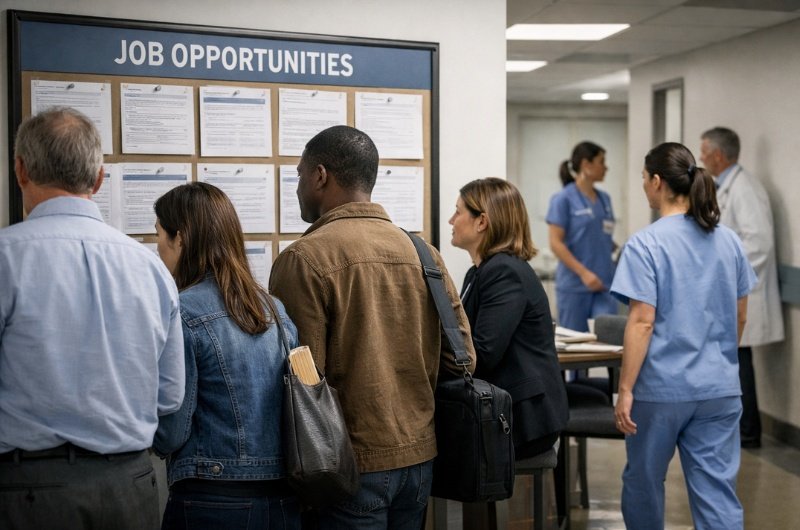
U.S. private-sector hiring slowed significantly at the start of 2026, pointing to a cooling labor market as employers remain cautious about expanding payrolls. New data show that companies added roughly 22,000 jobs in January, a decline from revised gains in December and far below what economists had anticipated. Job growth was heavily concentrated in education and health services, which added tens of thousands of positions and accounted for the bulk of overall gains. Outside of those areas, hiring was weak. Professional and business services saw substantial job losses, while manufacturing continued to shed positions, extending a downturn that has been underway for much of the past year. Advertisement The pattern reflects what economists describe as a “low-hire, low-fire” environment. Employers are largely avoiding large-scale layoffs, but many are also postponing new hiring as they weigh inflation pressures, borrowing costs, and uncertain consumer demand. Instead, companies appear focused on retaining existing workers rather than bringing on new staff. Despite the slowdown in hiring, wage growth remained steady. Workers who stayed in their jobs continued to see solid year-over-year pay increases, while those who changed roles experienced even stronger gains, signaling that competition for labor has eased but not disappeared. Economists characterized January’s data as evidence of a labor market that is cooling rather than collapsing. With the government-issued January employment report delayed due to a federal shutdown, the private payroll data offers the clearest view so far of how the job market is starting the year. The Readovia Lens January’s hiring slowdown highlights an economy that is gradually losing momentum without tipping into widespread job losses. For households, this means employment may remain relatively stable, but opportunities to switch jobs or negotiate higher pay could become more limited if cautious hiring persists into the spring.
White House Orders Withdrawal of 700 Immigration Agents from Minnesota

The Trump administration is pulling back hundreds of federal immigration enforcement officers from Minnesota following weeks of heightened tension, protests, and political pushback tied to a major federal crackdown in the state. White House border policy adviser Tom Homan confirmed that roughly 700 immigration agents will be withdrawn immediately, reducing the federal presence that had surged to nearly 3,000 officers during the operation. About 2,000 agents are expected to remain in place as enforcement efforts continue. Administration officials characterized the move as a tactical shift rather than a reversal. Homan described the decision as part of a transition toward more targeted enforcement, citing what the administration says has been improved coordination with state and local authorities on transferring detainees into federal custody. The drawdown follows escalating unrest in the Twin Cities, where demonstrations erupted in response to the scale and intensity of federal immigration actions. The situation grew more volatile after multiple violent incidents involving federal agents occurred during enforcement operations, further intensifying scrutiny from local leaders and civil rights advocates. While the reduced presence signals a partial de-escalation, federal officials emphasized that immigration enforcement in Minnesota is ongoing. The episode highlights the political and social fault lines surrounding immigration policy as the administration balances aggressive enforcement goals with growing public and institutional resistance.
Washington Post Begins Major Layoffs, Reshapes Newsroom Operations
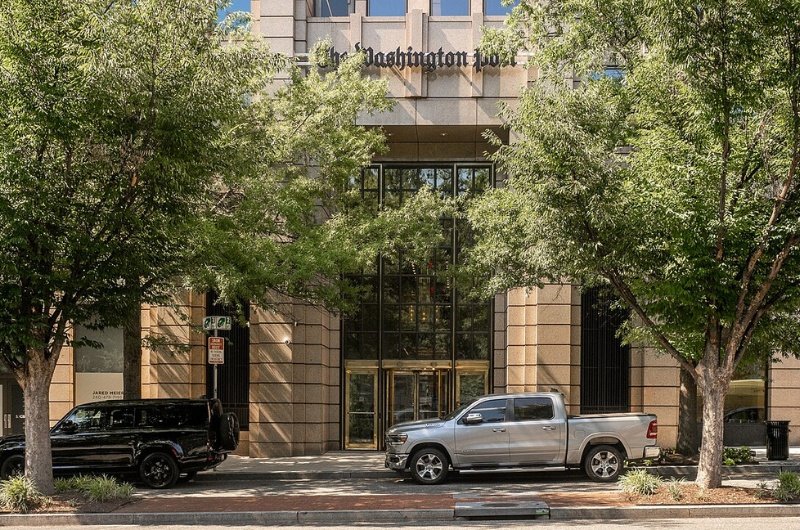
The Washington Post has begun a significant round of layoffs that will reshape large parts of its newsroom, signaling one of the most consequential restructurings in the paper’s modern history. Staff were informed this week that job cuts would affect multiple departments, including the elimination of the paper’s sports desk, the closure of its Books section, and reductions in international reporting. Employees were notified through internal meetings and follow-up communications outlining the scope of the changes. Leadership described the layoffs as part of a broader effort to reduce costs and reposition the organization amid ongoing financial pressures. In addition to newsroom cuts, the paper is suspending its daily news podcast and reorganizing elements of its local and national coverage. While the total number of positions eliminated has not been publicly disclosed, the reductions are expected to impact a substantial portion of the newsroom. Several long-standing editorial sections central to the paper’s identity will no longer operate in their current form. The Readovia Lens The Washington Post’s decision to implement large-scale layoffs and dismantle several core newsroom sections underscores the deep challenges facing legacy media organizations as they contend with declining advertising revenue, shifting reader habits, and intensified competition in the digital news landscape. The restructuring marks a notable moment in the broader transformation of the U.S. media industry.
Trump Administration Announces Two-Year Closure of Kennedy Center
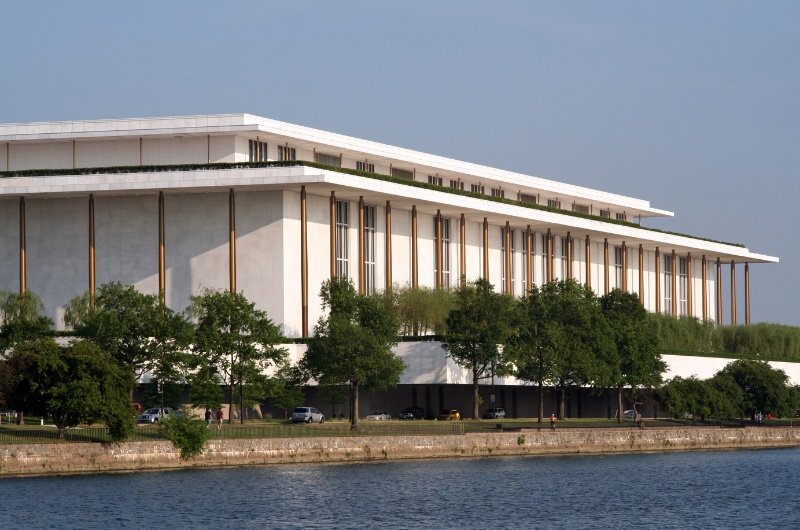
The Trump administration announced plans to close the John F. Kennedy Center for the Performing Arts for up to two years, citing the need for extensive renovations to the nationally recognized cultural institution. The decision immediately sparked concern across the arts community, with critics questioning both the timing and the broader implications for public access to federally supported cultural spaces. Administration officials said the closure would allow for long-delayed infrastructure upgrades, including mechanical systems, accessibility improvements, and structural repairs. The Kennedy Center, which hosts thousands of performances each year, is a major cultural landmark in Washington and receives significant federal support alongside private donations. Artists, performers, and arts advocates responded swiftly, warning that a prolonged shutdown could disrupt programming, displace performers, and weaken the country’s cultural ecosystem. Several organizations expressed concern that alternative venues may not be able to absorb the scale of performances typically housed at the center, particularly for national and international acts. The announcement also raised political questions, as the Kennedy Center operates under a public-private model and is overseen by a board that includes presidential appointees. Critics argue that decisions affecting such a prominent cultural institution warrant broader consultation and transparency, while supporters of the closure say renovations are necessary to preserve the venue’s long-term viability. The John F. Kennedy Center for the Performing Arts, which opened in 1971, has long been viewed as a symbol of American artistic achievement. As plans for the closure move forward, attention will turn to how the administration balances infrastructure needs with the center’s role as a living, accessible space for the arts.
Federal Agents Identified in Fatal Minneapolis Shooting, Renewing Calls for Accountability

Federal immigration officers involved in a fatal shooting in Minneapolis have been identified, intensifying scrutiny of federal law enforcement operations and the use of force during domestic enforcement actions. The incident, which occurred during a large-scale federal operation, has sparked protests and renewed calls for transparency and accountability. The shooting took place in south Minneapolis during an immigration enforcement surge that brought armed federal agents into multiple neighborhoods. The individual who was killed, a local resident, died following a confrontation with officers. Details surrounding the encounter remain under investigation, and questions persist about the circumstances that led to the use of lethal force. In the days following the shooting, officials confirmed the identities of the officers involved after initially withholding their names. The delay drew criticism from community leaders and civil rights advocates, who argued that public trust depends on timely disclosure when law enforcement actions result in civilian deaths. Both officers have been placed on administrative leave, consistent with standard procedure in fatal use-of-force cases. The U.S. Department of Justice is reviewing the incident, including whether civil rights violations may have occurred. Local officials have also called for independent oversight, emphasizing the need for clarity around the scope of authority exercised by federal agencies operating outside traditional border regions. The case has fueled broader debate over the role of U.S. Customs and Border Protection and other federal entities conducting enforcement actions in major cities. As demonstrations continue and investigations move forward, the shooting has become a flashpoint in the national conversation about federal policing, accountability, and the balance between enforcement and community safety in Minneapolis.
Trump, Senate Democrats Strike Funding Deal, Split DHS Bill to Avert Broader Shutdown
President Trump and Senate Democrats reached an agreement aimed at keeping most of the federal government funded, easing immediate shutdown concerns as lawmakers raced against a funding deadline. Under the agreement, funding for the majority of federal agencies would be extended through the end of the fiscal year. The deal splits the Department of Homeland Security (DHS) spending bill from the broader package, funding the agency for two weeks at current levels while negotiations continue over unresolved immigration and enforcement issues. The decision to isolate DHS reflects deep divisions in Congress over border security, detention authority, and recent enforcement actions. Lawmakers agreed the temporary extension would allow talks to continue without forcing a wider government shutdown tied to one of the most contentious policy areas in Washington. Despite the agreement in principle, procedural hurdles remain. Final passage still requires approval in both chambers, and timing challenges — including the House schedule — have raised the possibility of a brief funding lapse before the legislation is fully enacted. If approved, the deal would keep most federal operations running uninterrupted while giving lawmakers a narrow window to resolve DHS funding disputes. Leaders from both parties said negotiations are ongoing, with no guarantee a longer-term DHS agreement will be reached before the two-week extension expires.
FBI Seizes Hundreds of Boxes of 2020 Election Records in Fulton County, GA

Federal authorities have seized hundreds of boxes of election materials from Fulton County, Georgia, as part of an ongoing investigation tied to the 2020 presidential election. According to county officials, FBI agents executed a sealed, court-authorized search warrant at the county’s elections operations facility, removing an estimated 700 boxes of materials. The records reportedly include ballots, ballot images, tabulation data, and other election-related documents from the 2020 cycle. The Justice Department has not publicly detailed the scope or purpose of the seizure, and the warrant remains sealed. Fulton County leaders said they were not given advance notice and expressed concern about the lack of transparency surrounding the operation, calling it an unusual federal action involving local election infrastructure. The seizure immediately drew national attention, reopening scrutiny around the 2020 election — particularly in Georgia, one of the most closely contested states in that race. While Republicans have framed the move as a lawful investigative step, Democrats and election officials have raised questions about oversight, process, and precedent. Federal authorities have not indicated when, or if, additional information will be released. County officials say they are reviewing their legal options and awaiting further clarification from the Justice Department.
Trump Accounts Officially Launch — Nicki Minaj Pledges Up to $300,000 for Fans’ Children

Rap artist Nicki Minaj reacts during the official launch of Trump Accounts in Washington, where she pledged up to $300,000 to support investment accounts for her fans’ children. (Photo: White House) The Trump administration has officially launched its long-anticipated Trump Accounts program, moving the initiative from proposal to public rollout and drawing national attention during a high-profile event in the capital. The program creates government-seeded investment accounts for qualifying newborns, designed to give children a financial foundation that can grow over time. While the concept has been discussed for months, this week’s announcement confirms that the accounts are now live and entering the implementation phase. Advertisement Celebrity Spotlight at the Launch The rollout gained added visibility with the appearance of rap artist Nicki Minaj, who joined President Donald Trump at the launch event and publicly endorsed the program. Minaj announced she plans to contribute between $150,000 and $300,000 to help fund Trump Accounts for her fans’ children, positioning the effort as both a public policy initiative and a private philanthropic moment. The pledge places her among early high-profile supporters backing the program’s goals. How Trump Accounts Work Under the initiative, eligible children receive a $1,000 government contribution deposited into an investment account once parents complete enrollment. The funds are invested for long-term growth and held until adulthood, when they may be used for purposes such as education, housing, or starting a business. Families can make additional contributions over time, and the program allows support from employers, relatives, and private donors, expanding its potential impact beyond the initial federal seed. What Comes Next Administration officials say early interest in the program has been strong, with families already beginning the enrollment process and private contributions emerging alongside the federal launch. Supporters argue Trump Accounts promote early financial ownership and long-term planning. Critics caution that families with fewer resources may struggle to add funds, raising questions about how evenly the benefits will be distributed as the program expands. Bottom line What began as a policy proposal is now officially in motion — and with private money entering the picture, Trump Accounts are quickly becoming a focal point in the national conversation around financial security and public investment. ——————– Related: A $6.25 Billion Bet on Tomorrow — Michael & Susan Dell Back “Trump Accounts” for 25 Million U.S. Children
Government Shutdown Risk Grows as Immigration Enforcement Fight Escalates
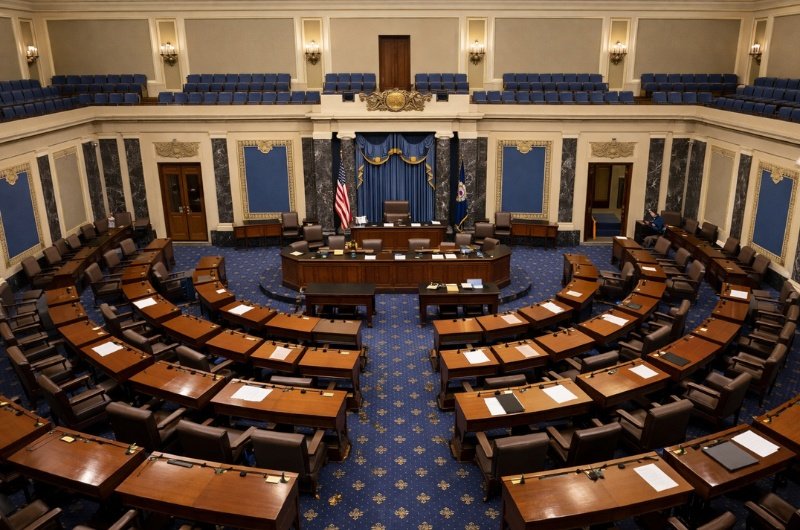
A partial U.S. government shutdown is increasingly likely as lawmakers remain locked in a high-stakes standoff over immigration enforcement policy and federal funding for the Department of Homeland Security. Senate Democrats have signaled they are prepared to block a key spending bill unless the Trump administration agrees to new accountability measures for Immigration and Customs Enforcement. The dispute has pushed budget negotiations to the brink, with current federal funding set to expire within days. What’s at Stake If Congress fails to reach an agreement before the deadline, parts of the federal government could shut down, disrupting agency operations and delaying services. Democrats are calling for stricter rules governing immigration enforcement, including limits on the use of face coverings by agents, expanded body camera requirements, and clearer standards for arrests and use of force. The demands come amid heightened national scrutiny of immigration operations following several controversial enforcement actions that have fueled protests and public debate in multiple cities throughout the country. Political Impasse Republicans have pushed back against restructuring the spending bill to include the proposed changes, arguing that immigration enforcement policy should not be tied to must-pass funding legislation. Efforts to separate Homeland Security funding from the broader budget package have been discussed, but no agreement has been finalized. As negotiations continue behind closed doors, lawmakers are bracing for the possibility that talks could collapse, triggering a shutdown that would add fresh instability to an already tense political climate. Bottom Line Even a partial shutdown would have real consequences, halting some federal operations and intensifying pressure on both parties as the immigration debate collides with the government’s basic ability to function. What began as a policy dispute over immigration enforcement has evolved into a broader budget showdown, with the risk of a government shutdown now squarely in view.
Why ‘Dry January’ Is Turning Into a Year-Round Lifestyle Choice

What started as a short-term reset after the holidays is quietly turning into a longer-term lifestyle shift. In 2026, many people who once committed to “Dry January” are choosing to drink less — or rethink when and why they drink — well beyond the first month of the year. For some, the change is driven by health awareness. Others point to better sleep, steadier energy levels, and clearer focus after cutting back. Rather than eliminating alcohol entirely, many say they are reserving it for special occasions, celebrations, or social moments that feel intentional, rather than routine. Social habits are evolving alongside these choices. Restaurants and bars are expanding non-alcoholic options, while gatherings increasingly emphasize conversation, food, or shared activities over drinking itself. The shift isn’t about avoidance, but about flexibility — drinking less often, not necessarily never. There’s also a financial dimension. With everyday expenses rising, some people say reducing alcohol spending is one of the simplest ways to trim monthly costs without giving up experiences they enjoy. Over time, those savings — combined with health benefits — reinforce more mindful habits. As 2026 unfolds, “Dry January” is no longer just a temporary challenge. For many, it has become a gateway to a more intentional relationship with alcohol — one that allows room for enjoyment, moderation, and choice rather than strict, absolute rules.