


Trump Heads to Iowa to Discuss the Economy As Affordability Concerns Persist Nationwide
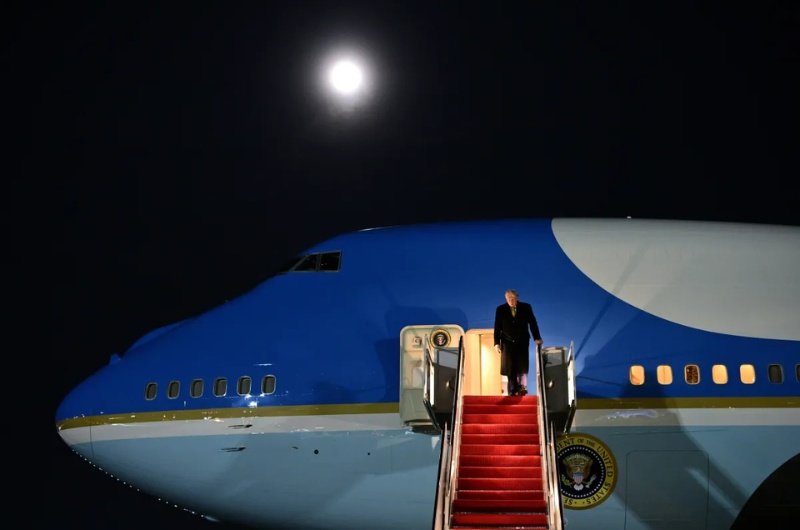
President Donald Trump is set to speak in Iowa today, with the economy expected to take center stage as cost-of-living concerns continue to shape the national mood. The visit carries symbolic weight. Iowa is often viewed as a microcosm of the American economy, combining agriculture, manufacturing, housing markets, and consumer affordability pressures into a single snapshot of everyday life. Iowa’s economic makeup offers a broad view of the challenges many households are facing. From farming communities to manufacturing hubs, the state reflects familiar stress points across the country: rising grocery prices, higher fuel costs, housing affordability struggles, and uncertainty tied to biofuels and energy markets. These indicators make Iowa a strategic backdrop for addressing inflation and household expenses that continue to strain family budgets. Healthcare costs remain a particularly sensitive issue. While healthcare affordability is frequently cited as a concern, recent policy developments have raised alarms rather than relief. Significant cuts to Medicaid, combined with the expiration of premium tax credits that helped offset insurance costs, have already pushed some Americans to drop marketplace coverage. As premiums rise, analysts warn that the number of people unable to afford health insurance is likely to grow, with little visible policy momentum aimed at reversing the trend. Housing affordability is another pressure point expected to loom large. Rents and mortgage payments have climbed steadily over the past five years, placing first-time homebuyers and renters under increasing strain. Despite multiple policy announcements, critics note a lack of concrete federal action to address the underlying causes of the housing crisis. Chief among them is a persistent shortage of housing supply, with the country simply not building enough homes to meet demand. As the president takes the stage in Iowa, the speech will be closely watched for more than rhetoric. For many Americans, the question is whether meaningful action will follow to address the costs shaping daily life.
How Prolonged Stress Is Quietly Affecting Physical Health

Doctors across a range of specialties say more patients are showing up with physical symptoms that trace back to prolonged stress — even when anxiety is not the primary complaint. From disrupted sleep to digestive problems and rising blood pressure, clinicians describe a pattern that reflects how sustained strain on the body is increasingly showing up in everyday medical visits. Sleep issues are among the most common concerns. Many patients report difficulty falling asleep, staying asleep, or feeling rested, even without obvious lifestyle changes. Physicians note that chronic stress can interfere with the body’s ability to fully power down, keeping stress hormones elevated well into the night and disrupting natural sleep cycles. Cardiovascular and digestive symptoms are also frequently reported. Elevated blood pressure, persistent fatigue, acid reflux, and inflammation-related discomfort are often discussed in connection with ongoing stress rather than a single underlying illness. In many cases, patients are surprised to learn how strongly stress can affect systems far beyond mood or mental health. Doctors say what makes these cases challenging is that symptoms often appear gradually. Rather than a sudden health event, patients experience a slow accumulation of physical strain — shaped by work pressures, financial uncertainty, environmental stressors, and constant digital engagement. Over time, the body adapts in ways that can quietly undermine overall well-being. Clinicians emphasize that recognizing stress as a contributing factor is not about assigning blame or oversimplifying health concerns. Instead, it reflects a broader understanding of how interconnected physical and mental health truly are. As doctors continue to observe these patterns in 2026, many say awareness — both among patients and providers — is becoming an essential first step toward prevention and care.
The Reality of Coastal Living, Beyond the Vacation Fantasy

For many Americans, coastal living represents the ultimate escape — ocean views, salt air, and a slower pace that feels worlds away from everyday stress. Beach towns have long been romanticized as places where life feels lighter, mornings start calmer, and routines revolve around tides rather than traffic. But those who actually live near the coast say the experience is more nuanced than the vacation version suggests. While the scenery is undeniably beautiful, coastal life comes with rhythms that take adjustment. Weather plays a bigger role in daily planning, seasonal shifts can dramatically change a town’s energy, and the quiet months often look very different from peak tourist season. There are also practical realities that rarely show up in travel brochures. Coastal communities often face higher living costs, limited housing inventory, and added maintenance tied to salt air, humidity, and storms. In tourist-driven beach towns, many restaurants and attractions close or scale back during late fall and winter months, leaving residents with fewer dining and entertainment options outside of peak season. For homeowners, insurance considerations and weather preparedness are part of the lifestyle, not occasional concerns. At the same time, many residents say the tradeoffs are worth it. Living near the water often encourages a more intentional pace — daily walks, outdoor routines, and stronger ties to local community life. For remote workers and retirees especially, coastal towns offer a sense of balance that’s harder to find elsewhere. Ultimately, coastal living isn’t just about the view. It’s a lifestyle choice shaped by environment, priorities, and expectations. For those drawn to the water, the appeal goes deeper than escape — it’s about aligning daily life with a setting that feels both grounding and inspiring, even when the fantasy gives way to reality.
Lingering Ice and Severe Cold Weather Continue to Disrupt Daily Life, School, and Travel
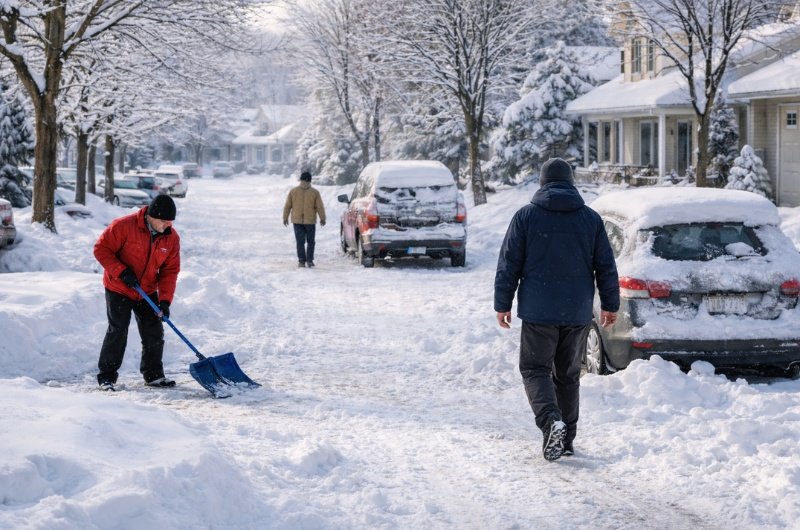
A prolonged stretch of severe winter weather is continuing to disrupt daily life across large parts of the United States this week, as snow, ice, and dangerously cold temperatures force school closures, travel delays, and widespread interruptions to normal routines. While the heaviest snowfall has passed in some regions, lingering ice and sustained below-freezing temperatures are keeping many communities effectively shut down. In parts of the Midwest and Northeast, school districts have closed campuses from Monday through Thursday, citing ongoing safety concerns. Officials say the decision is not solely about snow-covered roads, but also the risk posed by extreme cold. In many communities, children walk to school or wait outdoors for buses, making exposure to freezing temperatures and wind chills a serious concern during early morning hours. Transportation networks remain strained as icy road conditions slow travel and contribute to ongoing flight delays and cancellations. Even where snow removal is underway, refreezing overnight temperatures have left untreated roads slick and hazardous, particularly during commute times. Local officials are urging residents to limit travel where possible as cleanup efforts continue. The cold snap has also placed pressure on utilities and emergency services. Heating demand has surged as temperatures remain well below seasonal averages, while municipalities work to maintain power reliability and keep roadways passable. Residents are being encouraged to check on vulnerable neighbors and prepare for continued disruptions as the cold persists. Forecasters warn that although the storm system itself is easing in some areas, the combined effects of snowpack, ice, and prolonged cold could continue to impact schools, travel, and local infrastructure through the end of the week, underscoring how winter weather can extend far beyond the initial snowfall. Weather forecasters are monitoring another potential winter storm system that could move into parts of the country this weekend, raising the possibility of additional snow and ice in areas still recovering from this week’s conditions. While forecasts are still developing, residents should stay alert for updates as the situation becomes clearer. Readovia will continue to follow the latest developments and keep readers informed.
AI Agents Are Moving From Novelty to Infrastructure — and the Internet Is Adjusting

The recent surge of interest around AI agents has reignited attention on a quieter but critical shift underway in artificial intelligence: tools that don’t just answer questions, but act on behalf of users. The renewed focus has also put companies like Cloudflare back in the spotlight, underscoring how deeply AI’s next phase depends on the internet’s underlying architecture. AI agents differ from traditional chatbots in a meaningful way. Rather than responding to a single prompt, they are designed to complete tasks autonomously — retrieving information, executing workflows, interacting with systems, and making decisions within defined limits. This shift toward “agentic” AI marks a transition from conversational novelty to functional utility, with implications that extend far beyond consumer-facing apps. What’s driving this change isn’t just better models, but the need for reliable, secure, low-latency infrastructure. Autonomous agents generate different kinds of digital traffic than human users: more frequent requests, unpredictable bursts of activity, and higher security demands. That places new importance on edge computing, distributed networks, and systems capable of handling AI-driven workloads at scale. For everyday users, this evolution may feel subtle at first. AI assistants may become faster, more integrated, and more proactive — quietly handling tasks in the background rather than waiting for explicit instructions. But for developers and businesses, the implications are significant. As AI agents move into customer service, commerce, productivity tools, and internal operations, the internet itself must evolve to support them. The excitement surrounding AI agents isn’t just about experimentation or viral demos. It reflects growing confidence that the next wave of AI adoption will be shaped by practical systems that operate continuously and autonomously, supported by robust digital infrastructure. In that sense, the future of AI may be defined less by what models can say — and more by what they can reliably do.
What Washington Is Prioritizing — and What’s Being Quietly Delayed
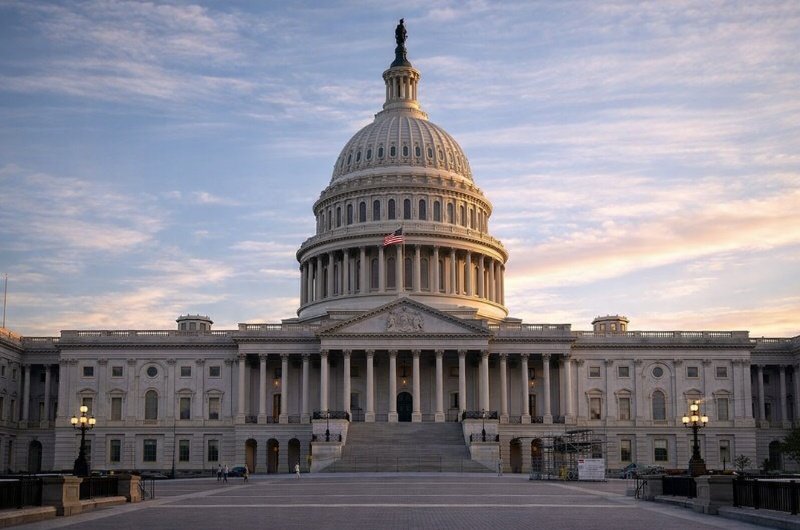
As Washington settles into the rhythm of 2026, the gap between policy priorities and unresolved issues is becoming clearer. While lawmakers continue to focus on high-visibility topics, several long-standing challenges remain stalled, quietly pushed further down the agenda as political attention shifts elsewhere. Economic pressures, healthcare affordability, and housing access continue to dominate public concern, yet progress on comprehensive solutions has been uneven. Lawmakers have advanced targeted measures and short-term extensions, but broader reforms remain entangled in negotiations, budget constraints, and competing legislative timelines. Behind the scenes, aides and analysts say much of Congress’s energy is being directed toward managing existing programs and preventing disruptions rather than advancing sweeping new initiatives. That approach has helped maintain stability in some areas, but it has also slowed momentum on issues that require structural change. The result is a policy environment defined less by decisive breakthroughs and more by incremental movement. While some priorities advance in pieces, others linger in committee discussions or await future compromise, leaving uncertainty about when — or if — they will resurface in a meaningful way. As the year unfolds, the political test may not be which proposals dominate headlines, but which delayed issues lawmakers ultimately choose to confront once the immediate pressures ease.
Many Americans Feel Financially Squeezed as Everyday Costs Weigh on Household Budgets

As 2026 gets underway, many Americans say their personal finances feel increasingly strained, even as broader economic indicators suggest stability. Consumer confidence has softened in recent months, reflecting growing concern about rising living costs, job security, and the challenge of keeping household budgets balanced. For many families, the pressure isn’t tied to one single expense, but to the accumulation of everyday costs. Groceries, utilities, rent, insurance, and healthcare continue to take up a larger share of monthly income, leaving less room for savings or discretionary spending. While inflation has cooled from earlier highs, prices for essentials remain elevated compared with just a few years ago. Advertisement Credit is also playing a bigger role in household finances. More consumers are relying on credit cards and short-term borrowing to manage routine expenses, not just major purchases. At the same time, fixed monthly obligations — including housing, transportation, and medical bills — are consuming a growing portion of take-home pay. Savings remain a weak spot for many households. Financial planners often point to emergency funds as a key buffer against unexpected costs, yet a significant number of Americans say they do not have enough set aside to comfortably handle a sudden expense. Without that cushion, even modest financial surprises can quickly create stress. The result is a financial landscape where many Americans feel less secure than headline economic numbers might suggest. For households managing tight budgets, the combination of higher costs, limited savings, and ongoing uncertainty continues to shape how people spend, save, and plan for the future.
Why Tech Companies Are Removing Features — and Calling It Optimization

In 2026, a quiet shift is underway in the technology landscape: many companies are scaling back or removing software features rather than constantly adding new ones. What might sound counter-intuitive — companies subtracting functionality in an era of rapid innovation — is increasingly being framed internally as “optimization” or a strategic refocus on essential user experiences. One reason for this trend is that complexity has a real cost. Too many features can make software harder to use, harder to maintain, and more resource-intensive for both developers and users. In some cases, removing or simplifying features can actually improve usability and performance by allowing teams to focus on what matters most. In development circles, eliminating clutter and “feature bloat” is seen by some engineers as a long-term productivity gain rather than a backward step. The broader tech ecosystem reflects similar patterns. Many companies are reallocating resources toward core priorities — especially artificial intelligence and efficiency-driven systems — and away from areas that are no longer seen as critical to future strategy. This has led to the winding down of some non-AI projects and the retirement of experimental initiatives that once captured attention but failed to deliver sustained value. Meanwhile, changes in platform requirements and regulatory pressures are also influencing how features evolve. Some proposed legal rules at the state level aim to curb addictive design elements in apps and social platforms by restricting notifications and other engagement-driven features. These kinds of external forces can accelerate internal decisions to simplify product lines and eliminate functions that might run afoul of emerging norms. The result is a technology landscape that is less about constant expansion and more about focused refinement. Companies are increasingly asking not just “What can we build?” but “What should we build?” For users, this shift may show up as fewer cluttered menus, more streamlined workflows, and software that feels lighter and more responsive — even if it means saying goodbye to some features once considered essential.
When What Americans See Conflicts With What They’re Told

The killing of Alex Petti during a federal immigration operation in Minnesota over the weekend has ignited a familiar and deeply unsettling national debate: what happens when official statements do not appear to align with what the public can plainly see. In a press briefing following the incident, the Department of Homeland Security described a confrontation that, according to authorities, justified the use of deadly force. But video footage circulating online has prompted many Americans to question whether the events involving Petti unfolded as described. According to federal officials, Petti posed a threat during the operation and resisted law enforcement. Video recorded at the scene, however, appears to show a markedly different sequence of events, one that has fueled public skepticism and intensified scrutiny. The footage, widely shared and closely examined, has become central to how the public understands the incident, raising questions that extend beyond a single encounter. At the heart of the controversy is not only what happened in Minnesota, but how Americans are being asked to reconcile competing versions of reality. In an era where video evidence is often immediate and unavoidable, public trust increasingly depends on whether official narratives can withstand direct visual comparison. When there appears to be a gap between what authorities assert and what citizens believe they are seeing, confidence in institutions erodes quickly. Calls for transparency have grown in the days since the shooting. Civil rights advocates, community leaders, and several lawmakers are urging an independent investigation to establish a clear and verifiable account of the events. They argue that credibility cannot be restored through statements alone, but through an open process that allows evidence, including video, to be reviewed impartially. The incident also unfolds amid heightened national tensions surrounding immigration enforcement and the role of federal agents in local communities. For Immigration and Customs Enforcement, the moment underscores a broader challenge: maintaining public trust while operating in environments where nearly every interaction may be recorded, replayed, and questioned in real time. Ultimately, this case is not just about one operation or one life lost — it is about whether truth is established through evidence or dictated through statements, and whether public trust can survive when Americans are asked to doubt what they have already seen with their own eyes.
No Work, No School, No Shopping: Minnesota Residents Shut Down Daily Life in ICE Protest Blackout

Parts of Minnesota slowed noticeably today as residents across the state participated in an “economic blackout,” a coordinated protest urging people not to work, shop, or attend school in response to increased federal immigration enforcement. The action, centered in the Minneapolis–St. Paul area but extending statewide, led to business closures, reduced foot traffic, and canceled activities. Some small businesses closed in solidarity, while others reported fewer customers as residents stayed home or joined demonstrations. Organizers say the goal is to show how closely immigrant communities are tied to Minnesota’s economy and daily life. Rather than focusing on marches alone, the blackout aims to apply economic pressure by pausing normal routines and highlighting the broader impact of immigration enforcement on local communities. Schools, transit schedules, and public services were affected in some areas as officials urged residents to remain cautious, especially with extreme winter weather conditions. Law enforcement agencies remained present, though most of the disruption has been economic rather than confrontational. Organizers say similar actions could spread to other states. As the day continues, the scale of participation may influence how businesses and policymakers respond to the growing debate over immigration enforcement and its economic consequences. ——————– Related: ICE Memo Sparks Uproar: Immigration Officers Authorized to Enter Homes Without Judicial Warrants Minnesota Sues Trump Administration Over Immigration Operations in Twin Cities Minnesota Seeks Answers After Fatal ICE Shooting in Minneapolis