

Censoring Late Night — Kimmel’s Firing and the Free Speech Debate
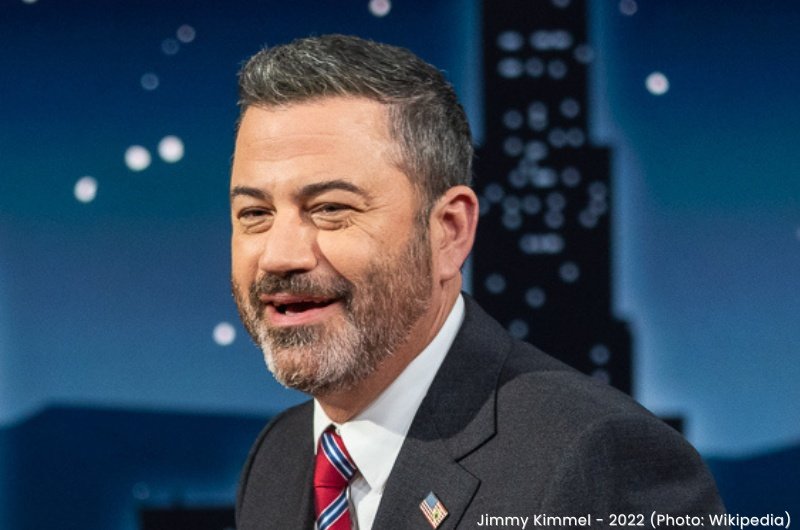
ABC pulled Jimmy Kimmel Live! off the air this week after remarks on Charlie Kirk’s death, fueling a national debate over free speech, censorship, and the boundaries of comedy. What Happened The network suspended the show indefinitely after Kimmel’s monologues referencing the assassination of Charlie Kirk drew criticism. Pressure mounted when FCC Chair Brendan Carr suggested regulatory consequences for affiliates that continued airing the program, and Nexstar Media Group — which controls a large number of ABC affiliates — quickly announced it would stop carrying it. The Backlash Other late-night hosts, entertainment figures, and free-speech advocates blasted the decision as censorship. Stephen Colbert and Seth Meyers used their own platforms to defend Kimmel, warning that political pressure shaping broadcast decisions could set a troubling precedent. On social media, hashtags like #StandWithKimmel and #CensorshipInAmerica trended within hours. The Case for Removal Supporters of the suspension argue Kimmel’s remarks crossed a line, calling them insensitive and out of step with public sentiment following Kirk’s killing. For affiliates and advertisers, the calculus was less about free expression and more about brand protection in a deeply divided media climate. The Bigger Picture The Kimmel case underscores the uneasy balance between editorial freedom, regulatory oversight, and corporate interests. Networks are under pressure from multiple directions: political figures, advertisers wary of backlash, and viewers who expect accountability. In this environment, even a late-night monologue can carry national stakes. The Takeaway What happened this week isn’t just about one comedian or one show. It’s about the boundaries of public commentary in an era where political polarization, media economics, and regulatory oversight collide. If late-night comedy — historically one of television’s safest spaces for satire — is now fair game for suspension, the ripple effects on other media voices could be profound.
When Troops Patrol American Streets: Federal Power Meets Local Resistance

The Trump administration’s decision to deploy federal and National Guard troops into multiple U.S. cities has reopened a fierce national debate over civil liberties, executive power, and the nearly 150-year-old Posse Comitatus Act of 1878. What the Posse Comitatus Act Means Enacted in 1878, the Posse Comitatus Act generally prohibits federal armed forces from acting in a policing capacity for civilian law enforcement. Its aim was to enforce a boundary between military authority and civilian governance, a safeguard conceived in the post-Reconstruction era. Although exceptions exist—such as when Congress authorizes military involvement or when a president invokes the Insurrection Act—the Act has served as a longstanding legal barrier to domestic military policing. The Washington, D.C. Deployment In August 2025, President Trump declared a “crime emergency” in Washington, D.C., took control of the Metropolitan Police Department under Section 740 of the District of Columbia Home Rule Act, and mobilized National Guard troops to assist federal law enforcement. Estimates suggest that about 800 D.C. National Guard troops were deployed, supplemented by additional Guard members from Republican-led states. While the White House framed the intervention as necessary to restore order, crime statistics showed that violent crime in the district was already trending downward. The Memphis Deployment On September 15, 2025, President Trump signed a memorandum deploying the National Guard to Memphis and establishing a federal “Memphis Task Force” to assist with public safety and violent crime. The White House’s stated justification was “tremendous levels of violent crime” in Memphis that, in the administration’s view, local authorities were unable to manage. However, law enforcement data released by the Memphis Police Department indicated that crime across major categories had declined to a 25-year low through the first eight months of 2025. The deployment prompted a split reaction: Tennessee Governor Bill Lee expressed support, while Memphis Mayor Paul Young said he did not request the Guard and questioned whether it was the right approach for addressing violent crime. Key Tensions and Legal Questions While federal authorities have pathways to deploy troops—especially in Washington, D.C.—the use of troops in a civilian policing or public safety role raises potential legal questions under the Posse Comitatus Act. Critics argue that deploying military or National Guard units in this manner risks blurring the lines between law enforcement and military operations, potentially undermining civil rights and setting dangerous precedents. Some legal experts point out that although D.C.’s unique federal jurisdiction gives the president more latitude, expanding similar tactics to other cities could require invoking the Insurrection Act or other statutory exceptions—actions likely to face significant court challenges. Final Word The decisions made in Washington and Memphis may be trailheads for a broader shift in how federal power is wielded in U.S. cities—and how the government thinks about domestic deployments in response to crime, protest, or civil unrest. If military or quasi-military deployments in cities become a normalized tool for addressing public safety, long-standing legal protections distinguishing civilian governance from military policing could face long-term erosion. The Author
Robert Redford, Hollywood legend, Sundance Founder, and Oscar-winning actor, dies at 89
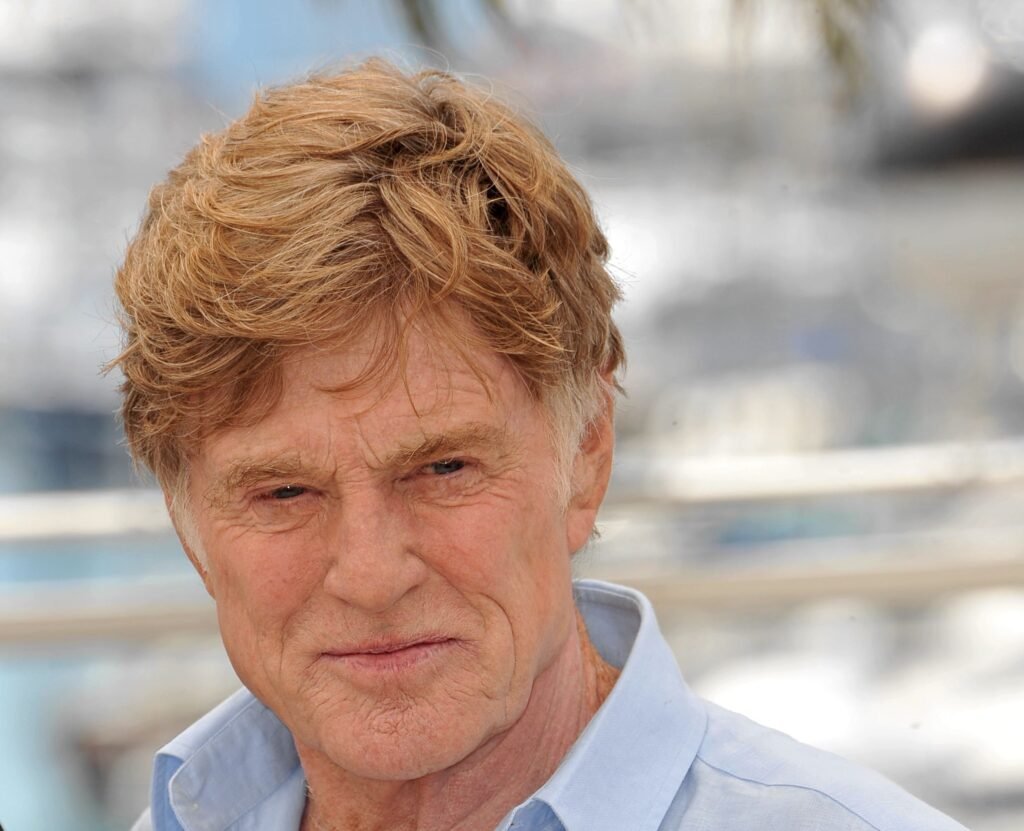
Charles Robert Redford Jr., the beloved actor, director, and founder of the Sundance Film Festival, passed away today at his home in Sundance, Utah. He was 89. According to his family, he died peacefully in his sleep, surrounded by loved ones. A Star Who Redefined American Cinema Born in Santa Monica in 1936, Redford rose to stardom in the late 1960s and 1970s with unforgettable performances in Butch Cassidy and the Sundance Kid, The Sting, and All the President’s Men. Known for his sharp intelligence and easy charisma, he embodied a new kind of American leading man—handsome, but also thoughtful, layered, and often skeptical of power. As a director, Redford proved just as influential. His 1980 directorial debut, Ordinary People, won him an Academy Award and set the tone for a career that valued storytelling depth over spectacle. The Sundance Legacy Perhaps Redford’s most enduring contribution was building a home for independent voices in film. By establishing the Sundance Institute and Film Festival, he transformed the landscape for rising filmmakers. What began as a small gathering in Utah grew into one of the most important showcases for fresh talent, changing how audiences discover stories outside of Hollywood’s mainstream. Beyond film, Redford devoted himself to environmental and social causes. He was a vocal advocate for climate action, conservation, and indigenous rights, using his influence to shine light on issues too often ignored. Remembered With Love Tributes have poured in from across Hollywood. Longtime collaborators recalled his wit, warmth, and artistic courage. Fellow actors described him as a steady presence both on and off the screen—someone who treated his colleagues as partners rather than props. Redford also shared deep connections with audiences, not only as a performer but as a cultural figure who believed movies could make a difference. A Life of Triumph and Loss Redford’s journey was marked by both great triumphs and personal heartbreak. He endured the devastating loss of two of his children but found strength in family, art, and advocacy. In his later years, he stepped away from the spotlight to live quietly in Utah with his wife, artist Sibylle Szaggars, while continuing to mentor filmmakers and support conservation projects. An Enduring Impact Robert Redford leaves behind an extraordinary body of work—both in front of the camera and behind it—and a festival that continues to shape the future of film. His influence will live on in every independent filmmaker who finds their voice, every audience moved by an unexpected story, and every artist inspired to take a risk. He is survived by his wife, children, and grandchildren, along with the countless storytellers who walk the path he helped to clear.
USA Today Bets on AI With “DeeperDive” Chatbot
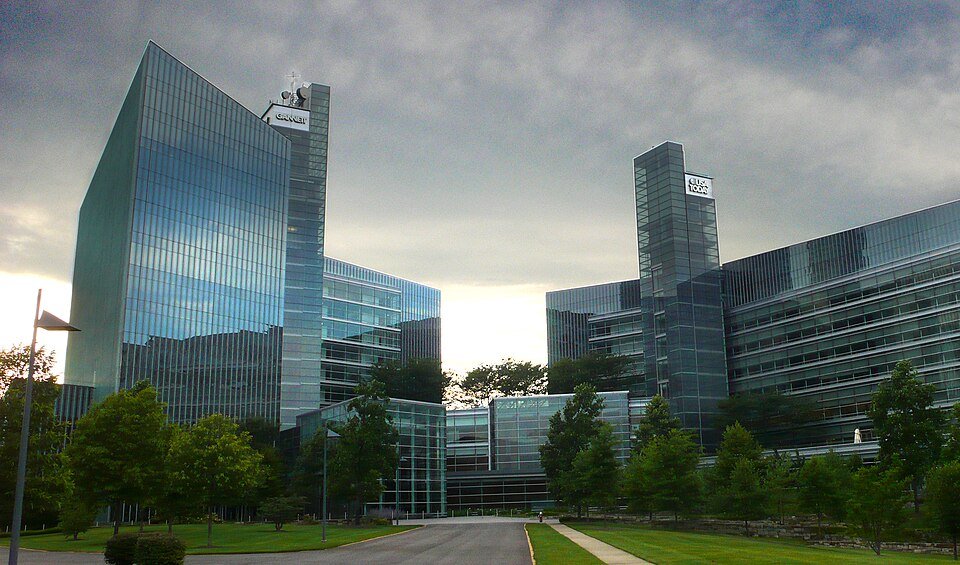
Gannett, the parent company of USA Today, has entered the generative AI era with the launch of DeeperDive, a chatbot designed to help readers interact with the news in new ways. Unlike traditional search bars, DeeperDive invites users to ask conversational questions such as “How does Trump’s Fed policy affect the economy?” or “What’s happening in the U.S. housing market right now?” The chatbot then responds with concise, citation-backed summaries rather than opinion-driven content. A Shift in How Readers Consume News The move underscores a seismic shift in the media industry. As more audiences turn to AI-powered summaries and assistants outside of news sites, publishers are racing to build their own tools to keep readers engaged. Gannett executives describe DeeperDive as a way to “meet readers where they are”—offering context, clarity, and direct answers instead of leaving users to wade through multiple articles. DeeperDive is powered by generative AI models fine-tuned on vetted content from USA Today and other Gannett outlets. This internal sourcing, the company says, ensures the bot remains factual, timely, and in line with editorial standards. What’s at Stake for Journalism The experiment is part of a broader reckoning in journalism: will AI amplify newsrooms or cannibalize them? Advocates see potential to enhance trust and accessibility—especially for younger audiences accustomed to getting information from AI assistants like ChatGPT. Skeptics warn that chatbots may oversimplify, strip nuance, or encourage readers to rely on surface-level answers rather than full reporting. Still, Gannett is betting that DeeperDive will redefine how people engage with its stories. If successful, it could spark a wave of similar rollouts across the U.S. media landscape, ushering in a new era of AI-augmented journalism.
US Military Strikes Third Venezuelan Vessel Allegedly Carrying Drugs in the Carribbean

The U.S. military has confirmed that a third Venezuelan-linked boat was destroyed in the Caribbean, marking the latest escalation in Washington’s campaign against suspected drug-smuggling operations. The strike follows earlier incidents on Sept. 2 and Sept. 15, bringing the total to three vessels sunk this month. Officials report at least 14 deaths across the operations. A Campaign Against Narco-Trafficking The administration says the vessels were part of narco-trafficking networks—organized groups that produce, transport, and sell illegal drugs. Narco-trafficking is more than smuggling; it involves growing or manufacturing narcotics, moving them through covert routes, and distributing them through criminal syndicates. These networks often rely on violence and corruption to protect their operations. According to U.S. defense officials, the targeted boats were believed to be carrying drugs or assisting in drug shipments across the Caribbean. However, no public evidence has been presented, raising questions about the legitimacy of the strikes. Rising Legal and Political Tensions Lawmakers and international observers are increasingly divided. Supporters argue the military actions send a strong message to traffickers and deter criminal activity. Critics counter that striking foreign-flagged boats on the high seas, without presenting proof of narcotics onboard, could breach international law and destabilize already fragile U.S.–Latin American relations. A Growing Standoff The Venezuelan government has yet to issue a formal response, but the strikes come amid already strained ties between Washington and Caracas. Analysts warn that continued confrontations at sea could escalate into a broader regional conflict if diplomacy fails to catch up with military action. For now, the Caribbean remains on edge—caught between America’s war on narco-trafficking and Venezuela’s defiance in the face of U.S. pressure. The Author
Fashion Week 2025: COS takes center stage, Paltrow rebrands, and quiet luxury moves forward

On Day 4 of New York Fashion Week, COS surprised the industry with an elevated runway show that redefined its minimalist roots, signaling a shift toward pared-back sophistication. New York Fashion Week reached a turning point when COS — long considered a high street staple — claimed its space alongside major luxury houses. Staging its Autumn/Winter 2025 show in a Brooklyn factory, the brand leaned into brutalist aesthetics, sharp tailoring, and sculptural knitwear that pushed its minimalist DNA into a new era. Editors and buyers praised the label for its oversized silhouettes, metallic tailoring, and knitwear reimagined as architectural layers. The presentation suggested that “quiet luxury” isn’t fading — it’s being reinvented in forms that feel bold yet wearable, blending restraint with authority. The COS show also underscored Fashion Week’s shifting energy. While spectacle has long defined the runway season, this year the focus is increasingly on clothes that signal longevity and understated power. That doesn’t mean glamour is gone — it’s simply evolving, reframed through proportion, texture, and subtle innovation. Must-see Looks from COS’s A/W 2025 Show The Oversized Grey Coat Monochrome, but not monotone — COS’s oversized grey coat redefined runway minimalism. COS opened with a sweeping oversized coat in slate grey, paired with sharply tailored trousers. It’s a statement of scale and simplicity — proof that minimalism can still command attention. With more shows still to come in New York and across Europe, COS’s breakthrough raises the stakes for what high street fashion can mean on the runway. It was a reminder that Fashion Week isn’t just about legacy houses — it’s about who can capture the cultural mood and set the tone for what’s next.
U.S. threatens to ban TikTok if China ties deal to tariffs
As of September 15, 2025, U.S. officials say they are prepared to ban TikTok if China does not drop demands that link the app’s potential sale to unrelated concessions on trade and technology. Treasury Secretary Scott Bessent and Trade Representative Jamieson Greer confirmed that while progress has been made on the technical aspects of a TikTok sale, Beijing continues to push for tariff relief and looser export controls as part of the deal. The White House has drawn a hard line, insisting it will not sacrifice national security to preserve a social media platform. For Chinese negotiators, however, TikTok represents leverage in wider trade talks, and officials see the divestment as an opportunity to reset terms on tariffs and technology restrictions. Analysts caution that without direct involvement from President Trump and President Xi, a breakthrough in Madrid is unlikely. Instead, the September 17 divestment deadline may be pushed back once again. Still, the outcome could reshape future negotiations over technology, trade, and global digital regulation well beyond TikTok itself. The Author
Kirk Assassination Probe: Suspect Not Cooperating with Authorities
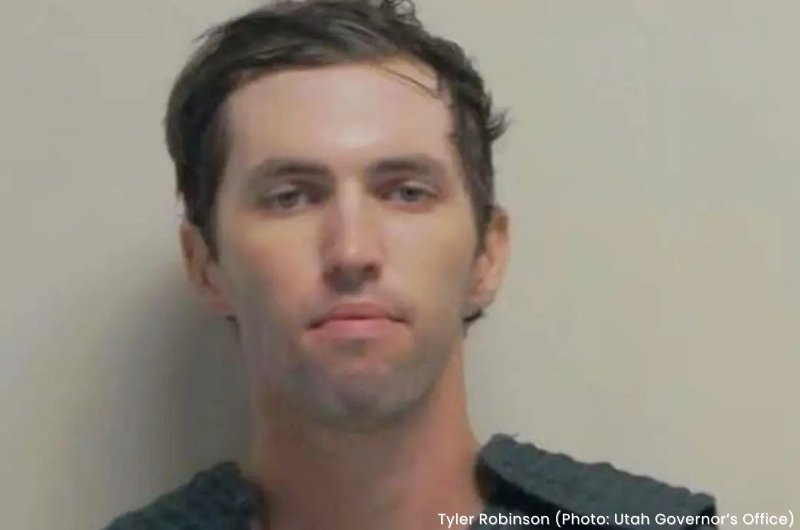
Utah Governor Spencer Cox says the accused shooter in the Charlie Kirk killing is refusing to assist investigators, even as those close to him share information. The investigation into the shocking assassination of conservative activist Charlie Kirk has hit a wall. Utah Governor Spencer Cox confirmed Sunday that the alleged shooter, 22-year-old Tyler Robinson, is not cooperating with authorities. Despite facing formal charges including aggravated murder and obstruction of justice, Robinson has reportedly withheld all input since being taken into custody. While the suspect remains silent, investigators are drawing on testimony from Robinson’s friends, family members, and his roommate — all of whom are cooperating — to piece together his movements and potential motives. Cox pointed to Robinson’s ideological leanings and recent political shifts as possible context, but officials stress that no clear motive has been established. Robinson is being held without bail and is expected in court this week. Until then, the investigation is likely to rely on circumstantial evidence and outside testimony, leaving the central question of motive unanswered.
U.S. Jobless Claims Hit 263,000 — Highest Since 2021

U.S. claims for unemployment benefits jumped to 263,000 for the week ending September 6, 2025 — the sharpest level in nearly four years. The increase points to growing layoffs and hints that the labor market, long seen as a pillar of economic strength, may be starting to lose momentum. Economists caution that while the labor market has been a pillar of post-pandemic recovery, the latest uptick could suggest momentum is fading. Persistent inflation complicates the outlook, as the Federal Reserve weighs whether slowing job growth could justify rate cuts — even though price pressures haven’t fully subsided. For households already stretched by high living costs, rising unemployment could intensify financial pressures. Investors, meanwhile, are watching closely for clues about whether the economy is headed for a soft landing or a more disruptive slowdown. Between the Lines Behind the numbers are families suddenly facing lost paychecks and uncertain futures. A rise in jobless claims doesn’t just complicate the Fed’s policy decisions — it squeezes household budgets already stretched by high prices. For many, even a short period of unemployment can mean falling behind on bills, tapping savings, or taking on debt. And if elevated claims persist, the strain won’t stay confined to individual households — weaker consumer spending could ripple outward, slowing growth and adding new headwinds to an already fragile economy. The Author
Mind After Midnight: Why Late Nights Can Hurt Your Mental Health
Sleepless Nights Could Be Sabotaging Your Mental Health. A new Stanford Medicine analysis, published in August 2025, explores the complex, bidirectional relationship between sleep and mental health. The takeaway: poor sleep can deepen mental health issues, and those same issues can further disrupt sleep — forming a feedback loop that may entrench both conditions. Key findings from the report include: Insomnia and sleep apnea carry strong ties to depression and anxiety. People with insomnia are about 10× more likely to experience depression and 17× more likely to have anxiety, while those with sleep apnea face roughly a threefold increase. It’s not just how much you sleep — timing matters, too. Going to bed earlier and waking earlier was linked to better mental health, even for “night owls.” Research suggests that late bedtimes are associated with higher risks of depression and anxiety, regardless of one’s natural chronotype. “Mind after midnight” may amplify poor decisions and stress. After midnight—when social constraints drop and sleep drive weakens—the brain is more prone to rash decision-making and negative emotional loops, which may contribute to mental health strain. Which came first — sleep trouble or mood disorder? In some cases, underlying brain disruptions could manifest first as insomnia and then later as mood disorder—or both may stem from the same root cause. Cognitive Behavioral Therapy for Insomnia (CBT-I) shows promise. Interventions aimed at improving sleep—especially CBT-I—have been associated with better mental health outcomes, including reduced depressive symptoms. Improvements in sleep quality often precede mood improvements in these interventions. Why it matters With more than one in three U.S. adults and nearly 80% of teens failing to get enough sleep, alongside rising mental health concerns, Stanford researchers argue that tackling sleep issues could be a powerful, yet underused, lever for improving overall well-being. The Takeaway Sleep is an active player in mental health. If your sleep is regularly disturbed, it could be contributing more than just daytime fatigue. It might be amplifying anxiety, depression, or other mood disorders. And once mood problems set in, they can make sleep even harder, creating a loop that’s tough to break. Routines that emphasize consistent bedtimes, sleep-focused behavioral therapy, and careful attention to mental health can help “reset” this feedback cycle. How’s your sleep hygiene? Does it need an adjustment?