


The Mental Load of Being “Always On” — And Why More People Are Stepping Back

In a world where messages, emails, and notifications never seem to stop, more people are beginning to question the long-term cost of always being available — and whether it’s sustainable.. What once felt like convenience is now, for many, becoming a constant mental burden. The expectation to respond quickly — whether for work, social communication, or daily logistics — has created a kind of invisible pressure. Even during downtime, the possibility of interruption lingers, making it harder to fully disconnect. For some, the issue isn’t just screen time — it’s the feeling of never being mentally “off.” As a result, a growing number of people are starting to make small but intentional changes. Notifications are being turned off, apps are being removed, and boundaries around work communication are becoming more defined. These shifts aren’t about rejecting technology altogether, but about using it more deliberately. Work culture is also beginning to adapt, albeit slowly. Conversations around burnout, digital fatigue, and work-life balance have become more prominent, pushing some companies to rethink expectations around availability. Still, the pace of change varies, and many individuals are left to manage the balance on their own. The shift away from constant connectivity isn’t loud or dramatic. It’s happening quietly — in missed notifications, delayed replies, and moments of intentional silence. But taken together, it signals something larger: a growing recognition that being always connected may come at a cost people are no longer willing to ignore.
U.S. Deploys 3,500 Troops to Middle East — Iran Threatens Retaliation for Ground Invasion
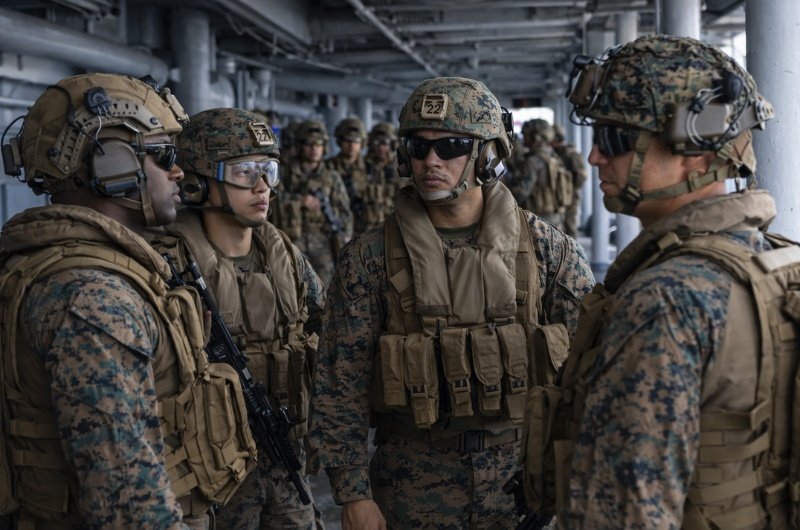
One month into a growing conflict with Iran, the United States has deployed more than 3,500 troops to the Middle East, signaling a significant escalation in its military posture. The amphibious assault ship USS Tripoli, carrying roughly 2,500 Marines along with aircraft and combat assets, has arrived in the region under U.S. Central Command. The deployment adds to an expanding U.S. presence as the conflict enters a more intense and uncertain phase. Military officials say the force brings a wide range of capabilities, including fighter jets, transport aircraft, and amphibious assault units designed for rapid-response operations. Additional ships and Marine units have also been ordered to the region, increasing operational flexibility and readiness. The buildup comes amid an ongoing wave of strikes tied to the broader conflict, with thousands of targets reportedly hit since operations began. The scale and pace of activity have raised new concerns about how far the situation could escalate. Iran has also issued a stark warning against any potential ground invasion. Officials say U.S. troops entering Iranian territory would face immediate and severe retaliation, with one senior leader declaring that American forces would be “set on fire” if they attempt to advance on the ground. While U.S. officials have not confirmed plans for a full-scale ground operation, the arrival of a Marine expeditionary force — capable of conducting raids, evacuations, or sustained combat missions — is fueling speculation about what could come next. The move reflects a clear shift toward preparedness as tensions remain high.
A Major Shift Could Be Coming to 401(k)s — What It Means for Your Money

A major shift could be coming to one of America’s most important retirement tools — and it may change how millions of people invest for the future. Federal regulators are weighing changes that would allow 401(k) plans to include alternative investments like private equity, real estate funds, and even cryptocurrency. These types of assets have traditionally been reserved for institutional investors and the ultra-wealthy, but the door could soon open to everyday retirement accounts. Advertisement Supporters say the move could give Americans access to higher returns and better diversification, especially in a market where traditional stocks and bonds don’t always deliver consistent growth. For workers looking to build long-term wealth, that kind of flexibility could be appealing. But the shift also comes with real risks. Alternative investments are often more complex, less transparent, and harder to sell quickly. They can also carry higher fees, which can quietly eat into long-term returns — something many retirement savers may not fully understand. For now, no final decision has been made. But if these changes move forward, the typical 401(k) could look very different in the years ahead — giving Americans more options, but also more responsibility when it comes to managing their money. The Readovia Lens This shift is about new investment options. It’s also about who gets access to opportunity. For decades, high-return alternative assets have been largely out of reach for everyday workers. Opening the door could level the playing field — but it also shifts more risk onto individuals who may not have the time or expertise to navigate it.
The New American Tension: Calm on the Surface, Pressure Underneath

Across America, the markets are steady, businesses are operating, and the economy appears to be holding — but beneath the surface, pressure is building in ways that are becoming harder to ignore. But beneath that surface, something else is happening — and more people are starting to feel it in very real ways. Gas prices begin to inch higher. Grocery bills refuse to come down. Insurance premiums rise quietly, almost without explanation. At the same time, global tensions continue to build, policy decisions are accelerating, and companies are being pushed into the center of political and cultural debates — whether they want to be or not. None of it looks like a crisis. But none of it feels entirely stable either. That’s where the tension lives. It’s the gap between what appears steady and what feels uncertain. Markets can rise sharply — even as household budgets feel tighter. A fund tied to oil can surge more than 50% in a month, while consumers brace for higher prices at the pump. A major retailer can gain ground in the market, even as it faces growing pressure from multiple sides of the public conversation. The signals don’t contradict each other. They reveal something deeper. This moment is defined by compression. Everything is still functioning — but with less room to absorb shock. Costs are higher. Reactions are faster. Decisions carry more weight, whether it’s a business responding to public pressure or a household adjusting spending in real time. That creates a different kind of environment — one where small shifts matter more. A policy change doesn’t just stay in Washington. It moves through contracts, companies, and communities. A global conflict doesn’t stay overseas. It shows up in energy markets, supply chains, and eventually, everyday expenses. A single stock move can reflect a broader trend that hasn’t fully reached the public yet. These are signals. And they’re becoming harder to ignore. The challenge is that this kind of shift doesn’t announce itself all at once. There’s no single headline that captures it. Instead, it builds gradually — across markets, across industries, and across everyday life. That’s why it can feel so difficult to explain. Everything looks calm. But it doesn’t feel calm. And that feeling isn’t random. It’s what happens when the system is still moving forward — but under a new kind of pressure. One that is quieter, more constant, and more personal. The most important changes don’t always arrive with disruption. Sometimes, they arrive as tension — just beneath the surface. Navigating a Moment Like This For individuals, the response doesn’t have to be dramatic — but it does need to be intentional. Pay attention to the signals, not just the headlines. Understand where pressure is building, and adjust early where you can. That might mean being more deliberate with spending, more thoughtful about risk, or simply more aware of how quickly conditions can shift. It’s also a moment to stay grounded. Not every change requires a reaction, but ignoring everything isn’t a strategy either. The goal is not to predict every move — it’s to remain steady while everything else is adjusting. Because while the environment may feel uncertain, clarity still creates an advantage. And in times like this, the people who stay aware, adaptable, and measured are often the ones who navigate change the best.
Hot Stocks to Watch Right Now — and Why They May Surprise You

Markets don’t always react the way headlines suggest — and right now is a perfect example. While global tensions and corporate controversies dominate the news cycle, some stocks are quietly moving in the opposite direction. One of the clearest signals is in energy. The United States Oil Fund (USO) has surged sharply in recent weeks — up more than 50% over the past month. If you got in before the run, this is the part where you nod quietly. The move reflects how quickly markets respond when global supply risks come into focus. As tensions in the Middle East continue, investors are pricing in the possibility of tighter oil supply and higher energy costs. Advertisement At the same time, retail is telling a very different story. Target has been at the center of public debate, facing boycott pressure tied to both DEI decisions and its response to immigration enforcement activity. Yet despite the noise, the company’s stock has continued to rise, gaining ground over the past year and even moving higher in recent trading. It’s a reminder that markets often look beyond headlines and focus on long-term performance and fundamentals. Taken together, these moves highlight a broader truth: markets are forward-looking. They react to expectations — not just current events. Oil rises on the possibility of disruption, while established companies can remain stable even in the face of public controversy. For everyday investors, the takeaway is simple. Pay attention to what’s moving — but also ask why. The biggest opportunities often come from understanding the gap between what people are saying and what the market is actually doing. Because more often than not, the real story isn’t in the headlines — it’s in the numbers.
Federal Contractors Face New DEI Limits Under White House Order
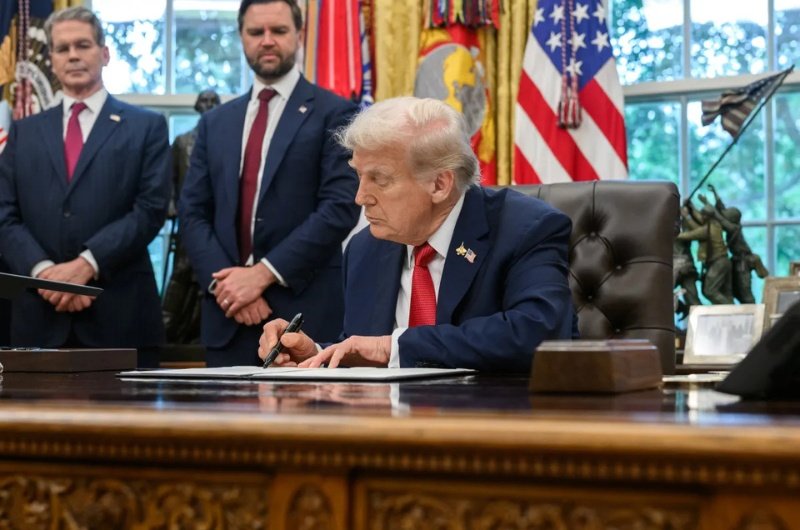
The White House is moving to reshape federal contracting rules after President Donald Trump signed a new executive order on March 26 restricting diversity, equity, and inclusion (DEI) practices among companies that do business with the federal government. The policy introduces new requirements that contractors must follow — with real consequences for those who don’t. At its core, the order requires federal contracts to include a clause prohibiting what it defines as “racially discriminatory DEI activities.” That includes practices tied to hiring, promotions, contracting decisions, and the allocation of resources based on race or ethnicity. The new rule is expected to move quickly, with agencies directed to update contract requirements within weeks. For companies, the stakes are significant. Contractors must provide records and compliance information if requested, and they are expected to report potential violations. Failure to comply could lead to contracts being suspended or terminated — and in some cases, companies could be barred from doing future business with the federal government. The White House says the policy is designed to promote merit-based hiring and improve efficiency in federal contracting. According to a related fact sheet, the administration argues that certain DEI programs can increase costs, limit the labor pool, and create inefficiencies that ultimately affect taxpayers. The order also introduces stronger accountability measures to ensure compliance is enforced and verifiable. The move is part of a broader shift in federal policy aimed at reducing the role of DEI across government operations and contracting. For businesses, it signals a changing landscape — one that could influence how companies approach hiring, training, and internal programs if they want to remain eligible for federal work. The Readovia Lens This is less about a single policy and more about direction. Federal contracting touches some of the largest companies in the country, and changes at this level tend to ripple outward. As requirements evolve, businesses may find themselves adjusting not just for compliance, but for competitiveness. ——————– Related: Target Caught in the Crossfire as Boycotts Grow Over DEI and ICE Response Cyber Monday Boycott Targets Amazon, Target, and Home Depot Over DEI Rollbacks and Political Ties
Target Caught in the Crossfire as Boycotts Grow Over DEI and ICE Response
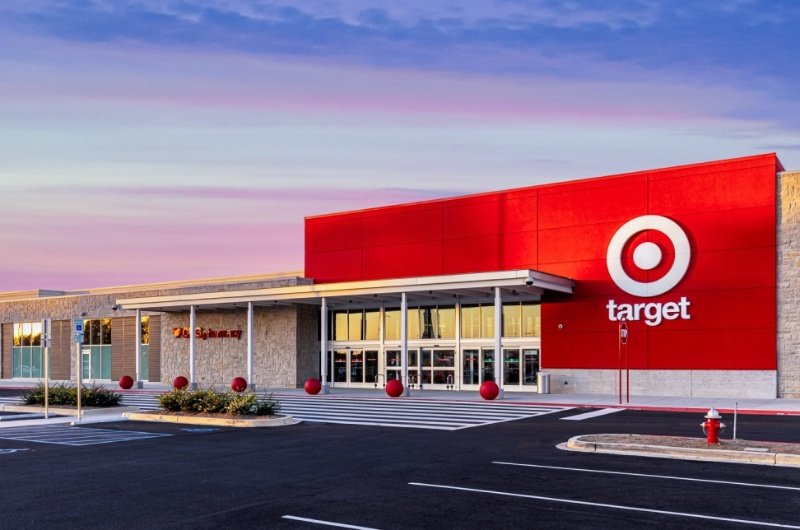
Target is being pulled from both sides of America’s biggest debates, as the retail giant faces renewed boycott calls tied to its response to immigration enforcement activity in Minneapolis — adding to existing backlash over its evolving stance on diversity, equity, and inclusion (DEI). The latest pressure follows reports of increased federal immigration enforcement in the Minneapolis area, where Target is headquartered. Critics say the company has not taken a clear enough position in response to the situation, prompting calls for a new boycott from activists who want corporations to speak out more forcefully on immigration-related issues. At the same time, Target has already been navigating a separate wave of consumer backlash tied to its handling of DEI initiatives. Earlier criticism emerged after the company scaled back or adjusted certain diversity-focused programs, leading to boycott efforts from customers who viewed the changes as a step away from prior commitments. Now, those two dynamics are colliding — placing Target in a difficult position. Responding more aggressively to one side risks alienating the other, while staying neutral may continue to draw criticism from both. For a national brand with a broad customer base, that balance is becoming increasingly difficult to maintain. The situation reflects a broader shift in how companies are expected to operate in today’s environment. Corporate decisions are no longer judged solely on products or pricing, but on how businesses respond to social, political, and cultural issues in real time. Despite the growing backlash, investors appear to be taking a different view. Shares of Target were up more than 3% in midday trading today, suggesting that markets may be focusing more on the company’s broader performance than the current wave of public pressure. The Readovia Lens This is what pressure looks like in the modern marketplace. When national debates intensify, companies don’t sit on the sidelines — they become part of the story. And as expectations rise from every direction, neutrality itself is starting to carry a cost. ——————– Related: Federal Contractors Face New DEI Limits Under White House Order Cyber Monday Boycott Targets Amazon, Target, and Home Depot Over DEI Rollbacks and Political Ties
How This Middle East Conflict Could Hit Your Wallet Next

As tensions rise in the Middle East, the financial impact may not stay overseas for long. While the conflict is unfolding thousands of miles away, the effects could begin showing up in everyday expenses across the United States — especially at the gas pump. Let’s start with oil, because that’s usually where things move first. The region plays a major role in global energy supply, and even the threat of disruption can push prices higher. Markets don’t wait for certainty — they react to risk. And when oil prices climb, gas prices tend to follow. Not instantly, but fast enough that you might notice it the next time you fill up at the pump. Advertisement President Trump has suggested that the United States has little to worry about when it comes to energy, pointing to strong domestic oil and gas production. But global oil markets are still deeply connected. Even with high U.S. output, prices are influenced by worldwide supply and demand — and ultimately, what Americans see at the pump tends to tell the real story. Shipping is another piece of the puzzle. Key routes in the region are critical for moving oil and goods around the world. If those routes become more expensive or less stable, the cost of transporting products rises. And those costs don’t just stay with companies — they eventually show up in the price of everyday items, from groceries to household essentials. Then there’s the ripple effect. Higher energy costs can push up the price of just about everything — transportation, manufacturing, even food. It’s one of the more frustrating realities of the economy: when energy gets expensive, everything else tends to follow. Not dramatically all at once, but steadily enough that you start to feel it over time. For consumers, the takeaway is simple. Global events have a way of showing up locally, often when you least expect it. A conflict overseas can turn into higher gas prices, more expensive goods, or a tighter monthly budget. It may not happen overnight, but if tensions continue, it’s something worth watching — right alongside your receipt at the pump. Because when the world shifts, your wallet usually notices first.
U.S.–Iran Tensions Rise as Ceasefire Efforts Stall and Conflict Intensifies

Efforts to ease the growing conflict in the Middle East are breaking down. Iran has rejected a U.S.-backed ceasefire proposal, and fighting across the region is continuing to escalate. What once looked like a possible pause is now turning into a deeper and more uncertain phase. At the center of the breakdown is a clear divide. Iran is pushing for terms that would shift the balance in its favor, while U.S.-aligned efforts are focused on stabilizing the situation without major concessions. With neither side willing to move, diplomacy has stalled — and the conflict continues. On the ground, military activity is increasing. Israeli forces have intensified strikes on Iranian-linked positions and key figures tied to regional operations. These moves are designed to weaken Iran’s reach, but they also raise the risk of retaliation, adding pressure to an already fragile situation. The impact is beginning to spread beyond the battlefield. Global energy markets are reacting to growing concerns over key supply routes. Even the threat of disruption is enough to create volatility, with ripple effects that could extend well beyond the region. In the United States, the situation is becoming more complex. Officials continue to frame involvement as necessary for stability, but questions are growing about how far the U.S. is willing to go — and what the long-term plan looks like. With no clear resolution in sight, this is shifting from a fast-moving crisis to a longer, more difficult test. The Readovia Lens With ceasefire efforts off the table, the path forward becomes more uncertain. Continued escalation raises the risk of a broader conflict — and increases the pressure on the United States to decide how far it is willing to go. ——————– Related: As U.S. Forces Move Closer, Washington Pushes Back on a Deeper Iran War Trump Issues Iran Ultimatum, Then Delays Strikes as Conflict Nears Breaking Point Top U.S. Counterterrorism Chief Resigns, Says Iran Posed “No Imminent Threat” Iran Closes Strait of Hormuz After Strikes, Threatening Global Oil Supply BREAKING NEWS: U.S. and Israel Strike Iran; Supreme Leader Reported Dead as Region Erupts
As U.S. Forces Move Closer, Washington Pushes Back on a Deeper Iran War
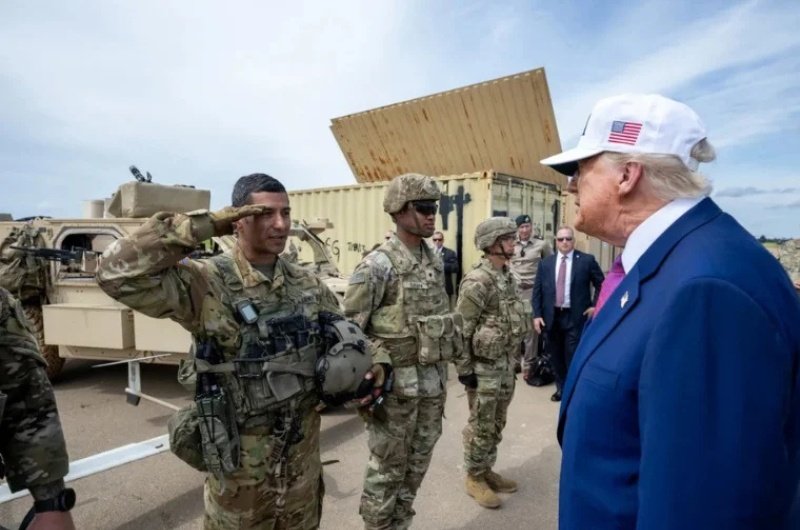
Washington is entering a new phase of tension over the Iran conflict as the United States moves additional troops and military assets into the Middle East, even as resistance to a deeper war grows at home. The question is how far the U.S. is willing to go without losing support in Congress and among the public. The military buildup is becoming increasingly visible. Additional Marines, paratroopers, and naval forces are being positioned across the region, giving the United States greater flexibility as the situation evolves. While officials have not committed to a ground war, the movement of forces is expanding the range of options — and raising new concerns in Washington. Those concerns are beginning to surface more openly. Lawmakers from both parties are questioning whether the current trajectory could lead to deeper involvement, particularly without a clearly defined end goal. Some are emphasizing the need for Congressional oversight, signaling that any significant escalation could trigger a broader debate over war powers and executive authority. Public sentiment is also playing a role. Many Americans remain wary of entering another prolonged conflict, and support for sending ground troops appears limited. That hesitation is shaping the political environment, making it more difficult for leaders to justify any major expansion of military involvement. Even within traditionally supportive circles, there are signs of restraint. Backing remains stronger for targeted military actions, but support drops when the conversation turns to boots on the ground. That divide reflects a broader reality: while there may be agreement on applying pressure, there is far less consensus on committing to a larger war. As the conflict continues, the United States is trying to balance two competing pressures — maintaining a strong position abroad while managing growing caution at home. But as more forces move into place and the situation becomes harder to contain, that balance is becoming increasingly difficult to hold. ——————– Related: U.S.–Iran Tensions Rise as Ceasefire Efforts Stall and Conflict Intensifies Trump Issues Iran Ultimatum, Then Delays Strikes as Conflict Nears Breaking Point Top U.S. Counterterrorism Chief Resigns, Says Iran Posed “No Imminent Threat” Iran Closes Strait of Hormuz After Strikes, Threatening Global Oil Supply BREAKING NEWS: U.S. and Israel Strike Iran; Supreme Leader Reported Dead as Region Erupts