

It’s Official — America Has Entered a Government Shutdown
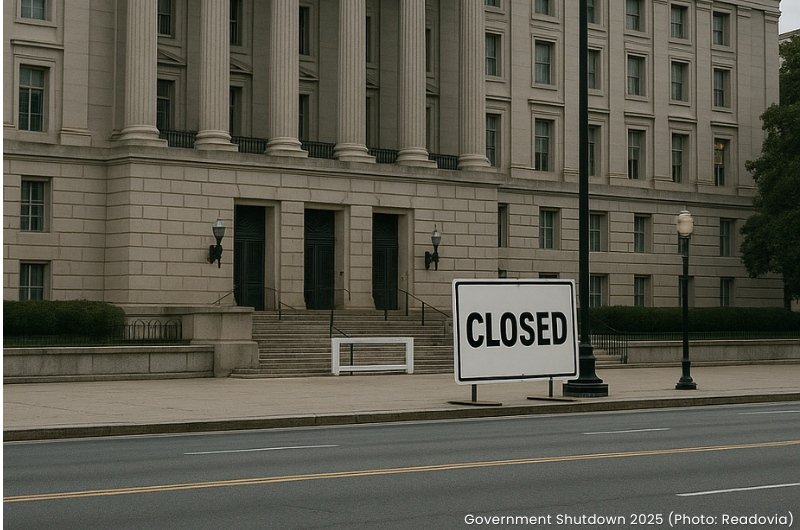
What just happened As of midnight, the U.S. federal government has officially entered a shutdown. Congress failed to pass a continuing resolution or full appropriations to keep agencies funded. Some services are deemed “essential” and will continue, though employees may work without immediate pay. Key consequences & impacts Furloughs & pay: hundreds of thousands of federal workers are being furloughed or left working without pay. Air travel disruption: the FAA will furlough about 11,000 employees, while roughly 13,000 air-traffic controllers must keep working despite not being paid. Suspended data & services: federal reporting, including labor statistics, and many agency operations will stall. National parks: many will remain open using recreation fees to fund skeleton operations, though visitor centers and full services may close. Longer-term risk: the White House has directed agencies to prepare for possible permanent cuts, not just temporary furloughs. Why this happened Policy standoff & demands: democrats insisted that any funding bill include health care provisions and reversal of certain cuts. Republicans pushed for a “clean” continuing resolution without additional measures. Senate blockage: the Republican CR failed to get the 60 votes needed to advance. New tactics: the administration has signaled a willingness to use the shutdown to reshape federal operations, urging agencies to plan beyond temporary furloughs. What to watch & what it means Duration matters: the costs — both human and economic — scale sharply with how long this lasts. Back pay guaranteed: by law, furloughed and “excepted” employees will receive retroactive pay once the shutdown ends. Next moves in Congress: any deal must clear both chambers and the president; negotiations will likely center on health care demands, spending levels, and program rescissions. Consequences for the public: expect delays in services, disruptions in travel, and ripple effects across sectors reliant on federal contracts or support. Political risks: public sentiment may turn sharply negative if the shutdown drags on, putting pressure on both parties. Between the Lines This shutdown goes beyond a routine budget standoff. The administration is openly floating the idea of permanent cuts to federal agencies, not just temporary furloughs. That marks a significant shift from shutdowns of the past, where the expectation was always a “pause, then reset.” If that strategy sticks, this could reshape the size and scope of government long after the funding fight ends. In short: the longer this goes, the more lasting the damage could be.
Corporate America’s Strain: Bankruptcies Mount as Costs Bite

Big businesses are falling. Amid rising input costs, tighter credit, and tariff pressures, multiple firms across industries are now seeking refuge in bankruptcy court — and the fallout is exposing weak links in an otherwise resilient economy. What’s happening First Brands, a major U.S. auto parts supplier, filed for Chapter 11 on Sept. 29, disclosing $10 billion+ in liabilities and a complex web of off-balance-sheet financing that appears to have broken down. The firm secured $1.1 billion in debtor-in-possession financing to keep operations running while it restructures. Its collapse rattled debt investors and triggered fears that similar stress could surface in adjacent sectors, especially in parts, automotive supply chains, and leveraged mid-market manufacturing. Other sectors are showing strain too: retailers, hospitality, and smaller manufacturers are reportedly facing rising defaults, squeezed margins, and delayed access to credit. Executives say many firms are being pushed to the edge by a confluence of high input prices, elevated interest rates, tariffs that inflate cost bases, and dwindling margins. The Bigger Picture The ripple effect risk is real: if key suppliers collapse, automakers and other downstream clients may face supply chain disruptions or price pressure. Investors are rethinking valuations: growth optimism may have masked underlying fragility. Credit markets may turn more cautious. Lenders will raise scrutiny, tighten terms, and demand more conservative debt structures. Policymakers could find pressure mounting: sectors under distress may lobby for tariff relief or stimulus to stabilize critical industries. What to watch The outcomes of First Brands’ restructuring: whether creditors recover, whether parts supply holds, and whether it becomes a template or cautionary tale. Whether other large manufacturers follow suit (auto, aerospace, heavy industry) in the next 6–12 months. How credit markets respond: tighter spreads? more defaults? more cautious lending? Whether policy (trade, tax, industrial subsidy) shifts to cushion sectors in distress.
JPMorgan Aims to Become the First Fully AI-Connected Megabank

JPMorgan Chase is embarking on an aggressive push to embed artificial intelligence into every facet of its operations, aiming to become the first true AI-connected megabank. What We Know So Far The bank has deployed its proprietary generative AI platform to over 200,000 employees, signaling a shift from pilots to full integration across business lines. It’s investing heavily in “agentic AI” systems that can carry out multi-step tasks autonomously—reducing manual workloads in credit, fraud, client support, and more. In practical terms, JPMorgan says its AI tools are enabling faster research, smarter underwriting, and more efficient operations—cutting weeks of work into hours. But the transformation isn’t without risk: compliance, model transparency, and integration with legacy systems remain major hurdles. If successful, JPMorgan’s AI blueprint could become a template for how banking gets reinvented in the next decade.
Trump’s Q3 (2025): Power Plays, Tech Showdowns, and a Government on the Brink
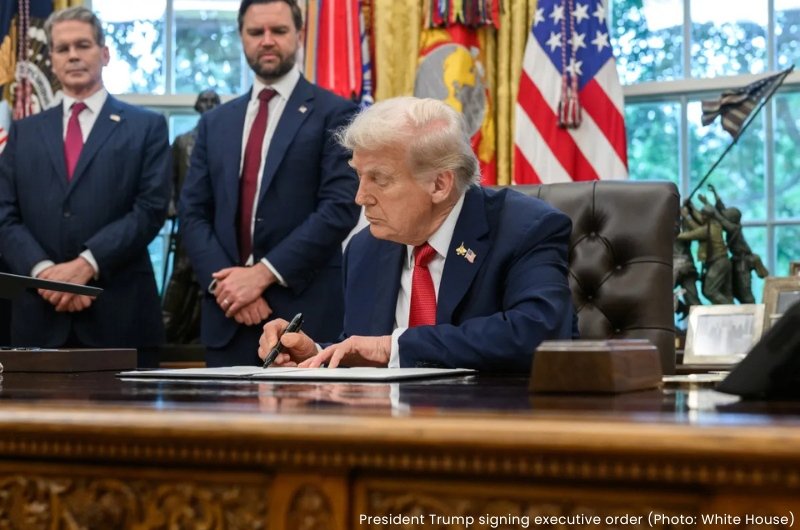
In Q3 of 2025, Trump accelerated domestic enforcement and executive action, won headline-grabbing concessions from Big Tech, leaned heavily on tariffs, and ended the quarter staring down a shutdown fight—with courts, state officials, markets, and Main Street businesses all reacting in real time. 1) Tech & the courts: Google and YouTube take center stage A federal court on Sept. 2 ordered significant remedies in the DOJ’s search-monopolization case against Google—curbing distribution practices and forcing data-sharing with rivals, while stopping short of a breakup. Google said it’s reviewing the decision and raised privacy concerns; the DOJ framed it as a major win. Then on Sept. 29, YouTube (Google) agreed to pay $24.5 million to settle Trump’s lawsuit over his 2021 account suspension after Jan. 6. The deal doesn’t require policy changes; most of the money is earmarked for outside projects outlined in the settlement reporting. Earlier this year, Meta and X reached separate settlements with Trump as well. 2) Domestic power moves: ICE, raids, and troops in major cities Immigration enforcement defined much of Q3. ICE intensified raids in Los Angeles and other sanctuary jurisdictions after the Supreme Court cleared restrictions in early September. The administration portrayed it as restoring federal control, but local leaders blasted the tactics as disruptive and destabilizing. By late September, the White House authorized National Guard and active-duty troops to back DHS operations in Los Angeles, Portland, and Chicago, marking one of the most aggressive federal deployments into domestic immigration enforcement in modern memory. Governors and mayors in affected states pushed back, accusing the administration of inflaming tensions and undermining community trust. Civil liberties groups warned of constitutional overreach, while Trump allies framed the show of force as proof he was delivering on campaign promises. 3) Executive orders & agency turbulence The White House continued governing heavily by executive action, including a late-quarter EO framed around safeguarding TikTok while asserting national-security controls (Sept. 25). At the same time, federal courts pushed back on personnel power: on Sept. 25, the D.C. Circuit declined to stay a district-court order reinstating FTC Commissioner Rebecca Slaughter after an attempted removal, citing precedent that protects for-cause officers. 4) The macro mood: growth, but a cliffhanger Markets closed the quarter with shutdown talks going to the wire. Even as some trackers pointed to solid real-time growth estimates near Q3’s end, the political impasse threatened immediate services and confidence heading into October. 5) Tariffs and bankruptcies: Main Street feels the squeeze The Trump administration doubled down on its tariff-first strategy in Q3, rolling out expanded levies on Chinese imports and threatening new duties on European autos. Officials pitched the moves as a way to protect American jobs, but the ripple effects hit supply chains and retailers already struggling with costs. At the same time, a string of high-profile bankruptcies underscored the fragility of corporate America under tightening credit and tariff pressure. Retail chains and mid-sized manufacturers were among those seeking Chapter 11 protection this summer, with executives citing rising costs and falling consumer demand. Together, the tariffs and bankruptcies painted a stark picture: an economy that looks strong on paper, but is increasingly brittle for companies caught in the crossfire. Between the Lines Consolidation of power: Court wins and ICE-led deployments show an executive willing to test institutional limits—while pushback from cities and courts reveals how contested those moves remain. Tech realignment: The Google search remedies and YouTube settlement make Big Tech a recurring stage for Trump’s agenda—part courtroom, part culture war, part competition policy. Economic flashpoints: Tariffs and corporate bankruptcies suggest a disconnect between headline growth and ground-level realities, sharpening the stakes heading into Q4. Q4 setup: A potential shutdown plus lingering litigation means volatility ahead; watch whether tariffs expand further and whether bankruptcies remain isolated or snowball. The Author
US Heads Toward First Shutdown in Six Years as Talks Collapse in Washington

For the first time in six years, the U.S. government is on the brink of shutting down. President Trump and his Democratic opponents left late-night talks with no deal in sight, despite Republicans pushing a stopgap plan to fund the government through late November. Democrats flatly refused, demanding healthcare protections and subsidy extensions as part of any agreement. Currently, Republicans and Democrats are advancing competing versions of a stopgap funding bill, also known as a continuing resolution (CR). Each side insists their version is the responsible path forward, while trading blame for the looming shutdown. The Republican plan focuses narrowly on extending funding into November, while Democrats argue no CR can move forward without concessions tied to healthcare and social safety nets. Standoff Over Funding & Healthcare Central to the impasse: Republicans insist any short-term spending bill stick to “clean” funding, separate from expanding or restoring health benefits. Democrats counter that any extension must include protections for expiring Affordable Care Act subsidies and rollback of cuts to Medicaid. Without compromise, hundreds of thousands of civil servants, national parks, federal courts, and countless agency functions could be suspended. Blame Game Unfolds Each side walked away pointing fingers. Vice President J.D. Vance predicted bluntly, “I think we’re headed to a shutdown.” Senate Democratic Leader Chuck Schumer summed up the situation: “We have very large differences.” Republican leaders earlier urged Democrats to accept a stopgap measure through November 21 to buy more time — but the Senate, where bipartisan support is required, rejected the GOP-led plan. Escalating Threats & Unusual Tactics In a bold gambit, Trump warned that a shutdown would allow his administration to carry out “irreversible” actions — cuts and program shifts that could not easily be undone. Congressional Democrats sharply protested. Some observers view it as signaling a willingness to use the shutdown itself as leverage. Meanwhile, Trump canceled an earlier scheduled meeting with Democrats, citing “unserious and ridiculous” demands. That move added tension and uncertainty to last-minute negotiations. The Stakes A shutdown has real consequences: Non-essential federal workers could face furloughs or worse if funding is not extended. Essential services like air traffic control and emergency response may still operate, but many public services would stop. Monthly economic data releases, small business loans, and federal grant programs may be delayed or suspended. Politically, the blame will be heavy. With midterms approaching, both Republicans and Democrats are vowing to pin responsibility on the other side. Final Word With Q4 beginning under the shadow of collapse, everything from federal paychecks to regulatory enforcement hangs in the balance. For millions of Americans, the shutdown threat isn’t just some random news headline — it’s a paycheck, a service, or a benefit put on hold.
Gucci’s New Chapter: Demna Steps In to Reignite Style

In March 2025, Gucci made a bold move: it tapped Demna (formerly the creative force behind Balenciaga) to become its new Artistic Director, effective July. This high-stakes appointment arrives during a turbulent period for the storied luxury house, as it seeks to reclaim relevance, energy, and cultural edge under a fresh vision. A Fresh Direction — and a High-Risk Assignment Gucci’s recent creative turnover has been swift and dramatic. Sabato De Sarno’s brief tenure ended amid weaker-than-expected sales and internal pressure. Demna arrives with both a reputation for provocation and a design language deeply rooted in streetwear, archive recontextualization, and cultural commentary. His challenge: to both honor Gucci’s heritage and push it into new visual territory — not an easy balance, especially for a brand as iconic and scrutinized as this. September Debut & Unconventional Reveal Instead of a runway show, Gucci rolled out Demna’s debut via a cinematic event. On September 23, 2025, during Milan Fashion Week, the brand premiered The Tiger—a short film co-directed by Spike Jonze and Halina Reijn, starring Demi Moore. Concurrently, Gucci dropped the La Famiglia lookbook and portrait capsule campaign. The film’s red carpet premiere functioned as a de facto fashion show, with guests wearing pieces from Demna’s first collection. The Stakes Are High Gucci is operating under significant pressure: Sales slump & brand fatigue: Gucci’s revenue has slipped, with critics arguing that the brand had grown too safe and repetitive under its last direction. Expectations for reinvention: Demna’s track record at Balenciaga — injecting relevance and cultural resonance — marks him as a provocative choice to shake up Gucci’s aesthetic. Audience and market alignment: Luxury consumers now expect storytelling, identity, and “why” as much as couture. A visual reboot is only part of Demna’s assignment — he must restore emotional connection. Risk of alienation: In leaning too hard into provocation, a legacy house can lose longtime customers. Balancing boldness with coherence will be critical. What to Watch Going Forward Next runway season: Will Demna stick with film and stories, or return to traditional formats? Retail execution & capsule drops: The limited-release La Famiglia items and boutique experiences will test demand. Archive reinvention: How deeply will earlier Gucci motifs be reinterpreted — Flora, monogram, horsebit — and will they feel renewed or recycled? Brand messaging: Will the narrative of Gucci’s identity (the family, the codes, the heritage) align consistently across marketing, campaigns, and collections?
American Wallet Report: Gold’s Record Run and Why Prices Are Soaring in 2025

Gold surged past $3,800 per ounce in late September 2025, posting one of its strongest years on record. Fueled by shutdown fears, a weakening dollar, and expectations of Fed rate cuts, the rally raises a simple question for American wallets: is it too late to join the party, or is there still more upside? The Surge: From steady climb to record highs Gold has been on a relentless run in 2025, but Q3 sealed its status as the standout asset of the year. By September 29, spot gold crossed $3,800/oz, a new all-time high and more than 40% higher year-to-date. For an asset often dismissed as “dead money” in boom times, the move was seismic. Traders point to both momentum and conviction. Flows into gold ETFs surged, central banks added to reserves, and retail investors piled in as headlines about a looming government shutdown rattled confidence. What’s fueling the rush Several factors converged to light gold’s fire: Shutdown jitters: the possibility of a federal funding lapse amplified safe-haven demand. Dollar weakness: a softer greenback made dollar-denominated gold more attractive worldwide. Rate cut bets: markets now expect the Fed to resume cutting rates in Q4, lowering yields on competing assets and boosting the appeal of non-yielding gold. Geopolitics: from tariffs to troop deployments, political tension added another layer of uncertainty, further bolstering gold’s defensive glow. What it means for American wallets For everyday investors, the surge is a test of strategy. Diversification: Gold can balance equity and bond portfolios, offering a hedge in downturns. Timing risk: Buying at all-time highs can be perilous; corrections happen even in bull markets. Allocation strategy: Financial planners often suggest a 5–10% gold exposure, but the right number depends on risk tolerance. Accessibility: Investors can buy physical bullion, gold ETFs, or mining stocks. Each has tradeoffs in liquidity, storage, and fees. Tempting, isn’t it? The rally makes gold look irresistible, but the smartest wallets avoid all-in bets. Controlled, measured exposure is key. Looking ahead: forecasts & scenarios Analysts are divided, but consensus is that prices will stay elevated: Base case: Gold holds in the $3,800–$4,200/oz range through year-end. Bull case: A weak dollar and sustained Fed easing propel it beyond $4,000 in 2026 Bear case: A surprise economic rebound or stronger-than-expected dollar sparks a sharp correction. Takeaway for investors Gold’s blistering run is both a warning and an opportunity. For investors worried about volatility, inflation, or political dysfunction, a touch of gold is a timeless insurance policy. For those chasing momentum, caution is in order: history shows that parabolic runs can reverse just as quickly. In Q3 2025, gold roared. The question for Q4: will it get louder and shine brighter, or will this safe-haven trade scorch those who came late to the rush? Only time will tell.
Gunman Attacks Michigan Church, Killing 4 and Wounding 8

National Guard, FBI Join Response as Communities Demand Answers A Sunday morning worship service in Hartland, Michigan, turned into horror when a former U.S. Marine crashed a vehicle into a local Church of Jesus Christ of Latter-day Saints building, opened fire on congregants, and then set the sanctuary ablaze. Authorities confirmed four dead and eight wounded, some critically, in what is being called one of the worst mass attacks on a house of worship in recent years. Law enforcement identified the attacker as Thomas Jacob Sanford, 38, who was killed at the scene after an exchange of gunfire. Officials have not released a motive, though investigators say he acted alone. The FBI has joined the investigation, and the building remains under forensic examination. Witnesses described scenes of chaos and courage as smoke filled the church. “People were carrying children through windows, trying to break glass to get outside,” one survivor said. Local hospitals remain on high alert as the wounded receive treatment. This attack comes amid rising concern over the security of U.S. houses of worship. Faith leaders across the country are now re-evaluating safety plans, with renewed calls for federal support in protecting religious institutions. The Takeaway Sunday’s tragedy in Michigan highlights the growing vulnerability of faith communities in America. While details about the attacker’s motive remain unclear, the incident underscores an urgent reality: sanctuaries are no longer immune from the nation’s epidemic of mass violence.
ICE Detains Superintendent of Iowa’s Largest School District

Ian Roberts, the superintendent of Des Moines Public Schools — the largest district in Iowa — was detained Friday morning by U.S. Immigration and Customs Enforcement. The school district confirmed it had no immediate explanation for the detention and named an interim superintendent to step in. Roberts is reportedly being held in a county jail approximately two hours west of Des Moines. According to ICE’s detainee database, Roberts is listed as being born in Guyana. The Department of Homeland Security says he had a final order of removal and lacked work authorization. DHS also alleges that Roberts fled from officers during an enforcement operation, abandoning his vehicle before being taken into custody. Previous charges — including a weapon possession charge from 2020 — are also noted in the department’s statement. Roberts entered the U.S. in 1999 on a student visa, and an immigration judge issued a final removal order in May 2024. In interviews and public biographies, Roberts has said he was raised in Brooklyn by immigrant parents from Guyana. He made history in 2023 when he became the first person of color to serve as superintendent of Iowa’s largest school district.
Credit Card Debt Hits Record Levels — What It Means for Your Wallet

Americans are carrying more credit card debt than ever before — and the cost of carrying that debt is rising. Here’s what’s going on, why it matters, and what you can do. The Numbers Total U.S. credit card balances have climbed past $1.2 trillion, the highest level on record. Interest rates are punishingly high, with many cardholders facing rates around 24% or more. Delinquencies are also on the rise, with more households falling behind on payments. While some large banks have reported slight stabilization, many consumers remain stretched thin. What’s Driving the Surge? High interest rates make carrying balances costlier — even modest unpaid balances quickly balloon. Strong consumer spending and higher prices — families lean more on credit to cover rising costs. Economic stress and income squeeze — wages aren’t keeping pace with inflation, leaving less to pay down debt. Expanded credit access for riskier borrowers — higher-rate lending puts pressure on those least able to absorb it. The Risks for Households Interest drag: Much of each payment goes toward interest instead of principal. Snowballing balances: Minimum payments alone often make debt grow, not shrink. Credit score damage: Late or missed payments can block access to affordable loans. Stress factor: Constant debt burdens fuel financial anxiety and strain. What You Can Do Right Now Pay down the highest-rate cards first (the “avalanche” method). Look into balance transfer or consolidation options, but watch for fees. Call your issuer to negotiate lower rates or hardship programs. Cut nonessential spending and redirect savings to repayment. Always aim to pay more than the minimum due each cycle. The Author